X-ray spectroscopy is an analytical technique that uses X-rays to study the composition of materials. It measures the energies and intensities of X-rays emitted or absorbed by a sample, providing information about the elements present and their chemical states.
A physicist at Argonne National Laboratory has been recognized for pioneering experiments at SLAC that helped establish a new way to study the structure...
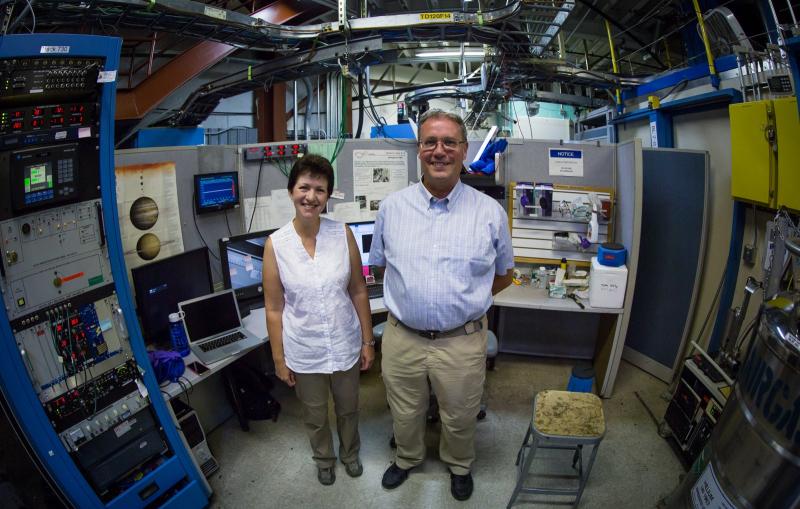
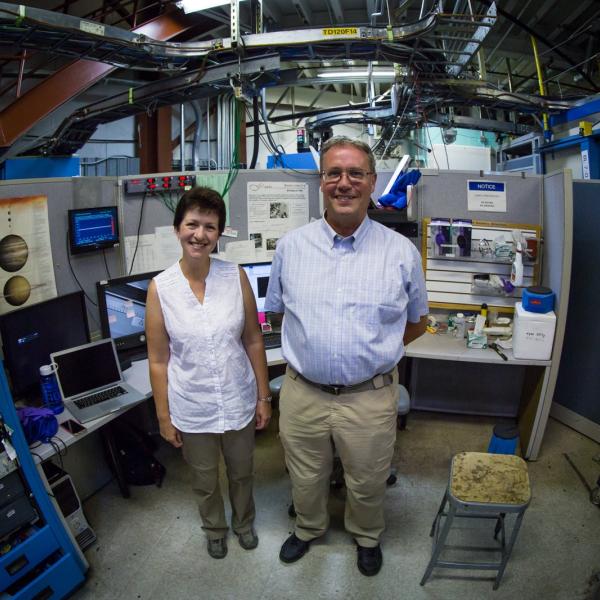
Graham George and Ingrid Pickering, a husband and wife X-ray research team, are co-leading a new study in Bangladesh to test whether selenium supplements...
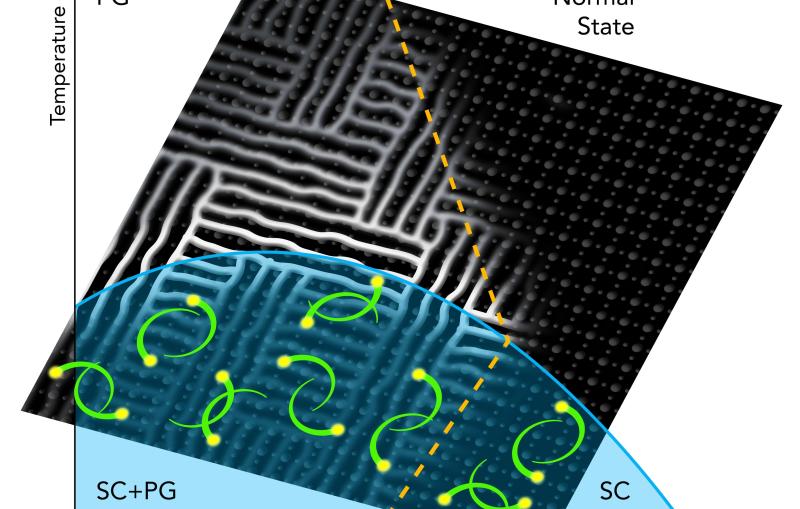
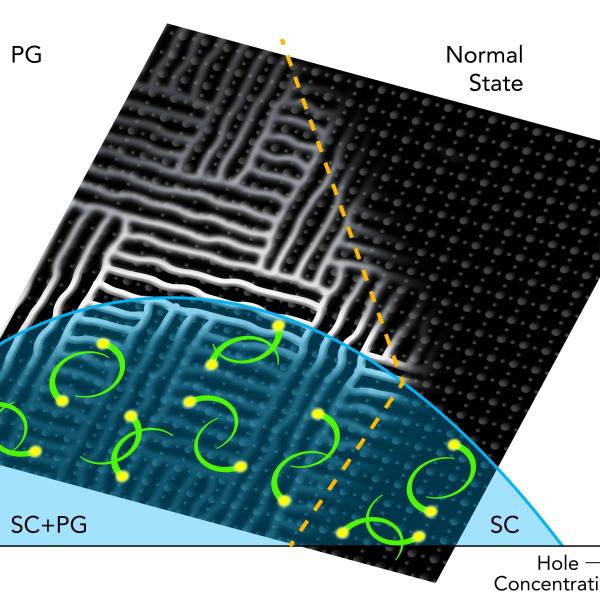
SLAC study shows the so-called ‘pseudogap’ hoards electrons that otherwise might pair up to carry current through a material with 100 percent efficiency.
A physicist at Argonne National Laboratory has been recognized for pioneering experiments at SLAC that helped establish a new way to study the structure of complex materials.
Graham George and Ingrid Pickering, a husband and wife X-ray research team, are co-leading a new study in Bangladesh to test whether selenium supplements can protect people from arsenic poisoning.
Scientists have used an X-ray laser at SLAC to get the first glimpse of the transition state where two atoms begin to form a weak bond on the way to becoming a molecule.
SLAC study shows the so-called ‘pseudogap’ hoards electrons that otherwise might pair up to carry current through a material with 100 percent efficiency.