SLAC topics

X-ray spectroscopy RSS feed

X-ray spectroscopy is an analytical technique that uses X-rays to study the composition of materials. It measures the energies and intensities of X-rays emitted or absorbed by a sample, providing information about the elements present and their chemical states. 

X-ray crystallography
Feature

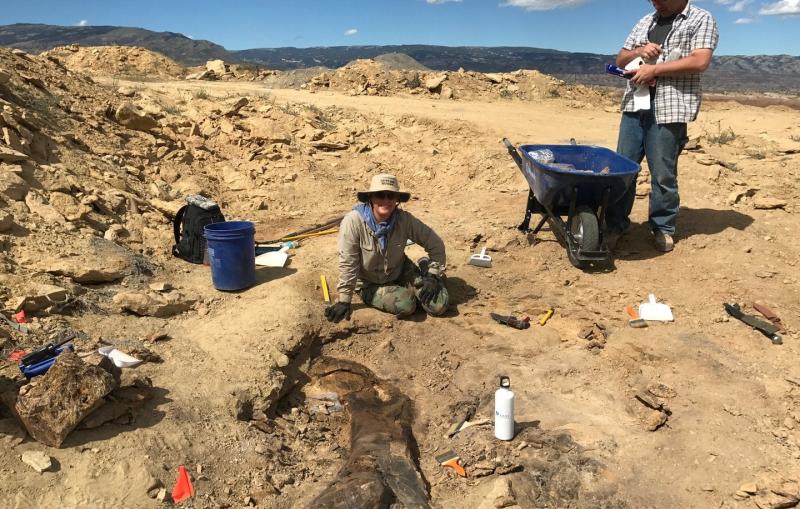
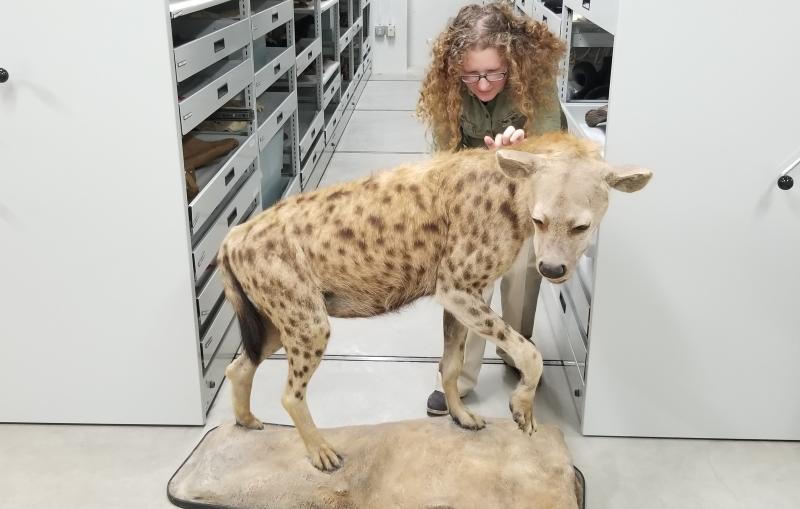
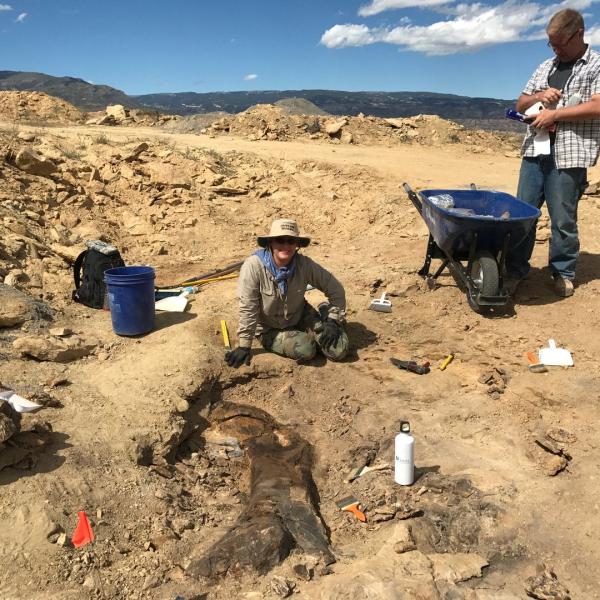
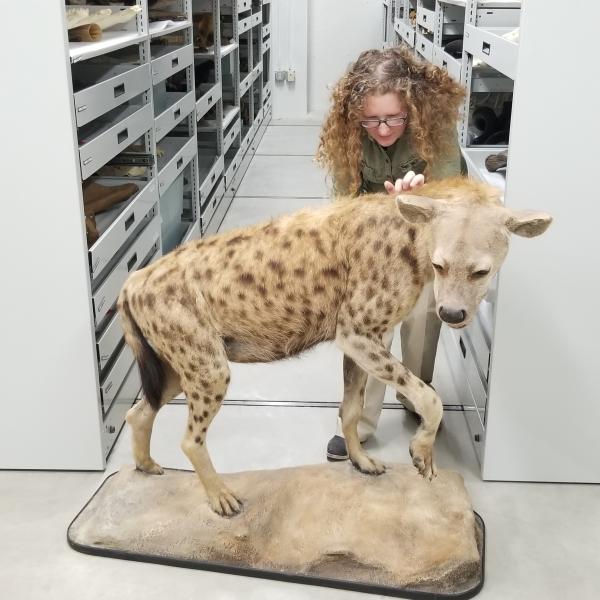
Researchers mapped trace elements within Pleistocene fossils to learn about the life of a long-extinct subspecies of spotted hyena.

Spotted hyena
News Release

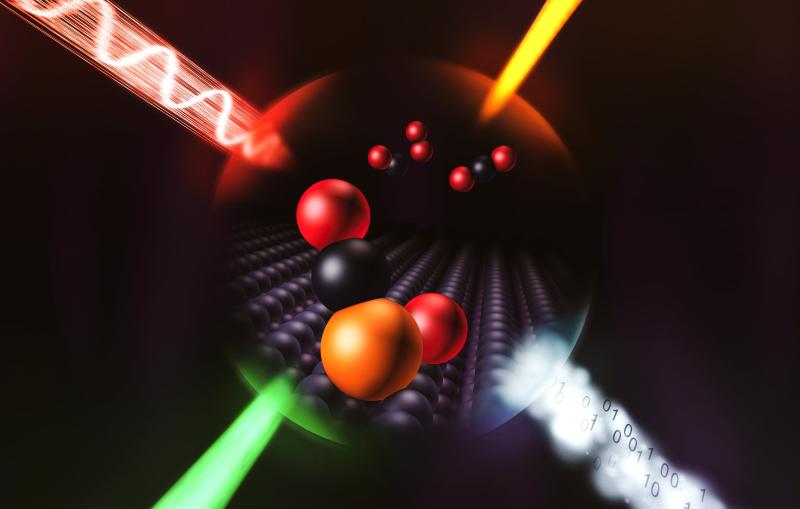
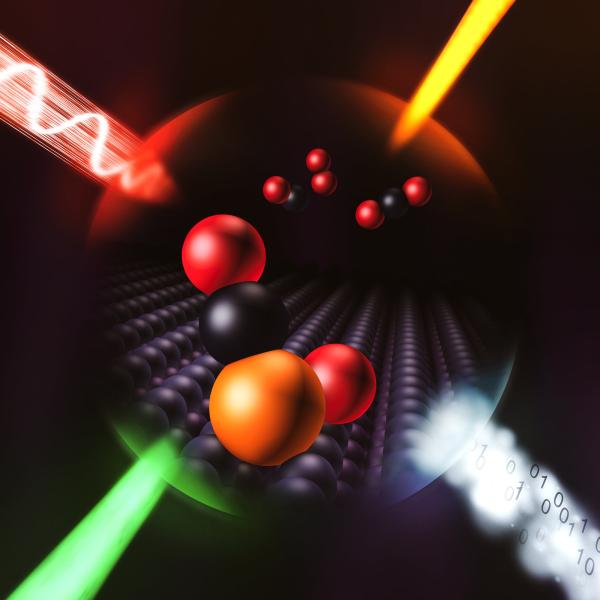
In a major step forward, SLAC’s X-ray laser captures all four stable states of the process that produces the oxygen we breathe, as well...

Atomic movie
Feature

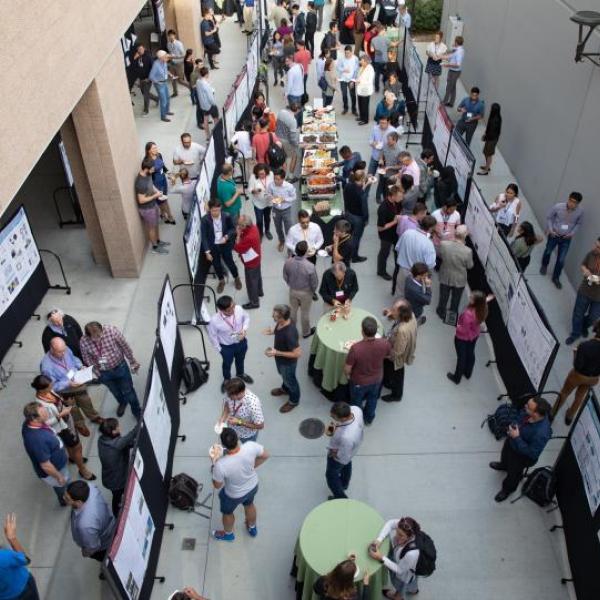
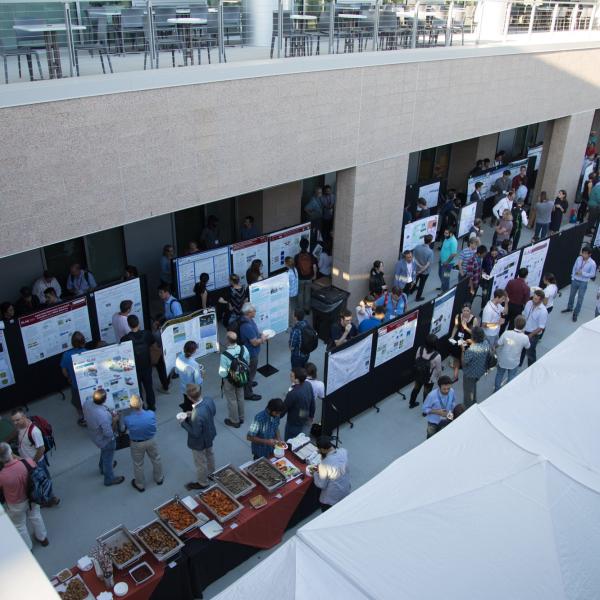
The annual conference for scientists who conduct research at SLAC’s light sources engaged about 470 researchers in talks, workshops and discussions.

2018 Users Conference
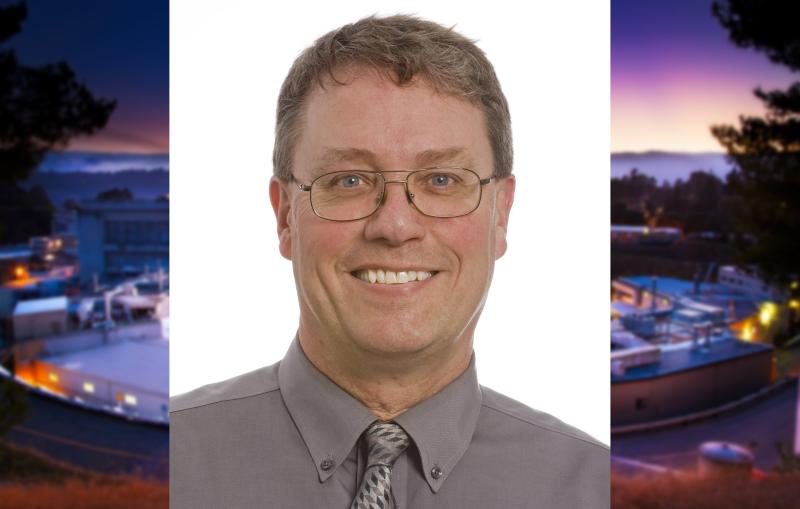
Feature

In more than 185 experimental runs at SLAC’s synchrotron, he has pushed the envelope of both techniques and science.

Photo: Graham George
Feature

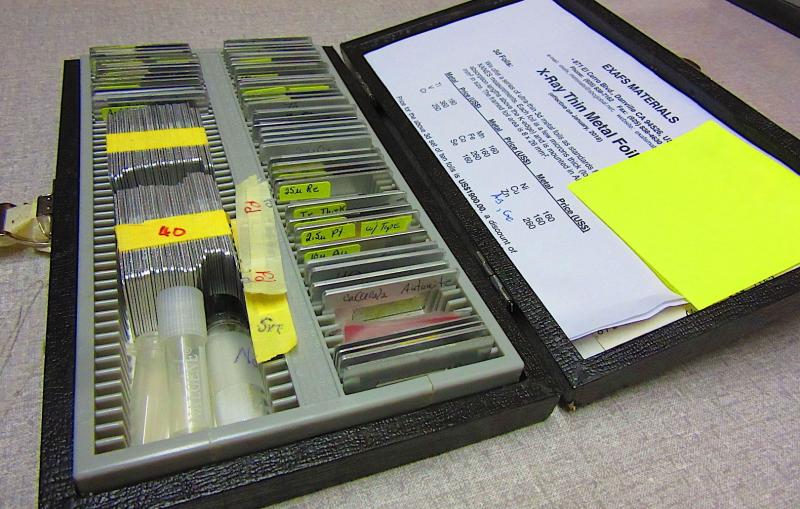
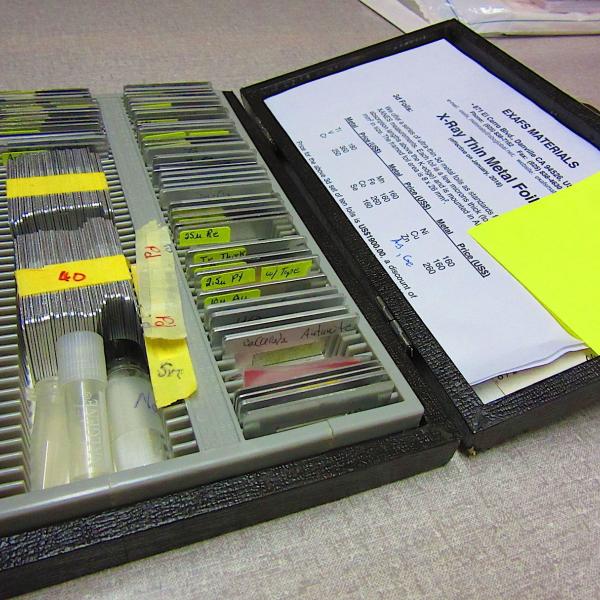
The foils, each made from a single chemical element, are used to calibrate X-ray equipment at SLAC’s SSRL synchrotron, and were donated by long-time...

Photo - thin metal foils
Feature

The professor at University of California, Davis, describes his innovative work at SLAC’s synchrotron to search for simple, selective catalysts.

Portrait of Bruce Gates
Feature

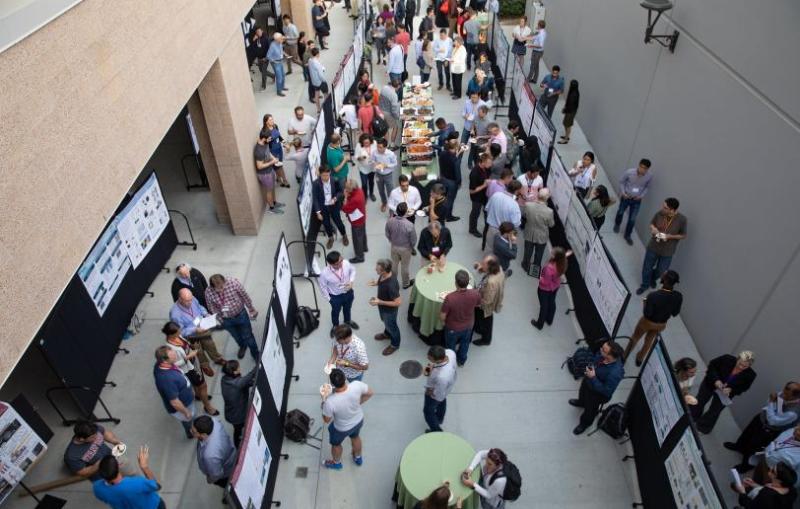
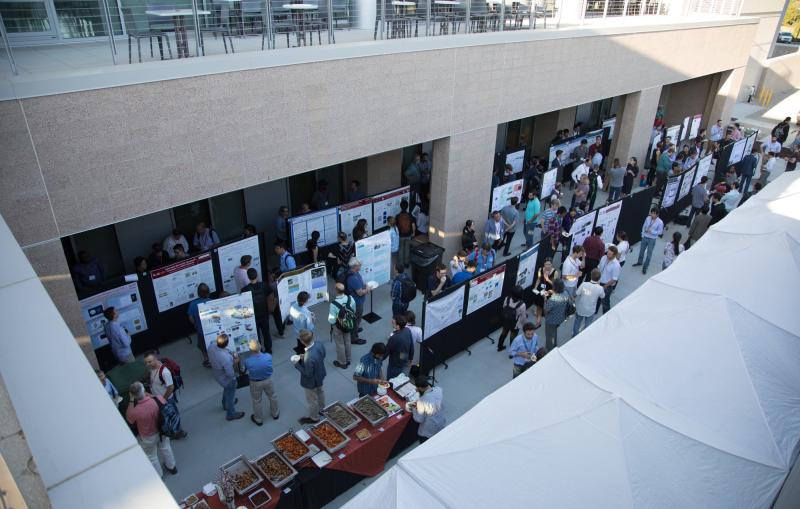
About 400 people attended the annual conference and workshops for scientists who conduct experiments at SLAC’s light sources.

Birds-eye view of the poster session
Feature

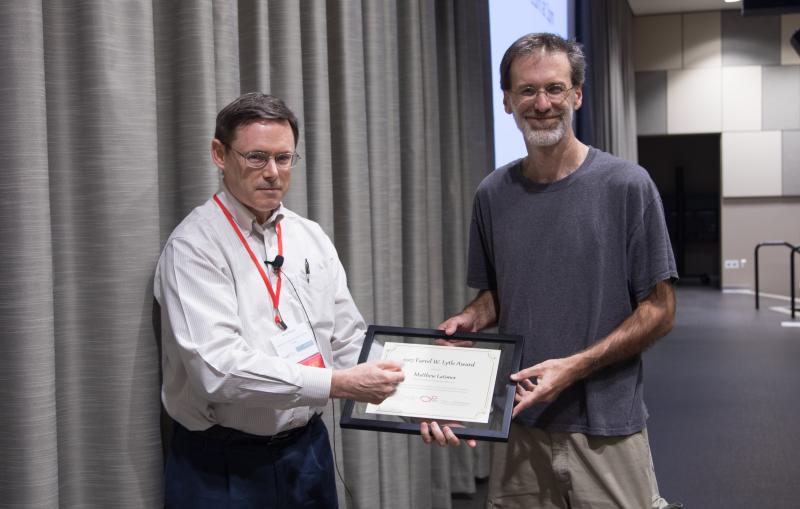
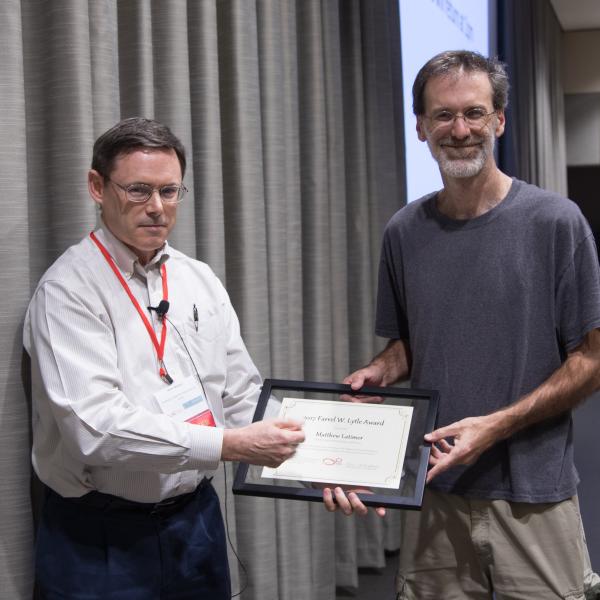
The X-ray scientist is honored for 20 years of beamline and instrumentation design, operation and scientific support at SLAC’s synchrotron.

Matthew Latimer receives the Farrel W. Lytle Award.
Feature

The early career award from SLAC’s X-ray laser recognizes Kjaer’s work in ultrafast X-ray science.

photo of Kasper Kjaer in Panofsky Auditorium
Feature

The X-ray studies performed at SLAC will help the oil industry improve guidelines for corrosion from sulfur in crude oil.

Oil refinery
Feature

Over the next five years they’ll work on getting significantly more information about how catalysts work and improving biological imaging methods.

Cornelius Gati and Franklin Fuller, the 2017 Panofsky fellows at SLAC
Feature

With SLAC’s X-ray laser and synchrotron, scientists measured exactly how much energy goes into keeping this crucial bond from triggering a cell's death spiral.

An optical laser (green) excites the iron-containing active site of the protein cytochrome c, and then an X-ray laser (white) probes the iron.