




SLAC topics

X-ray science RSS feed

X-ray studies at SLAC facilities help scientists understand the fundamental workings of nature by probing matter in atomic detail.

atoms forming a tentative bond
News Brief

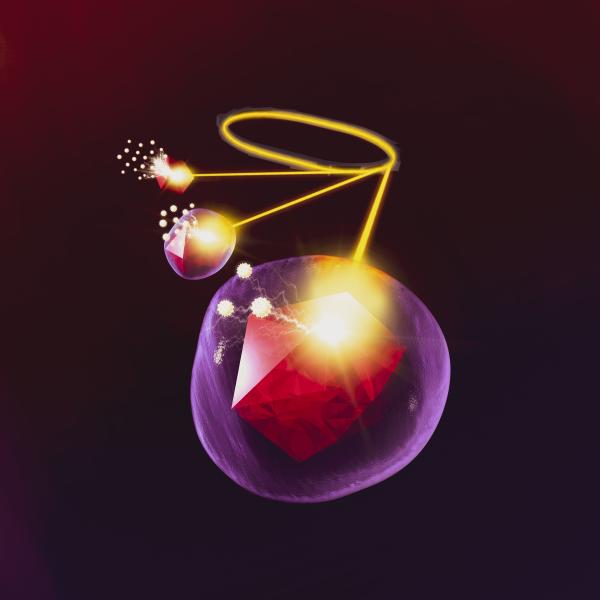
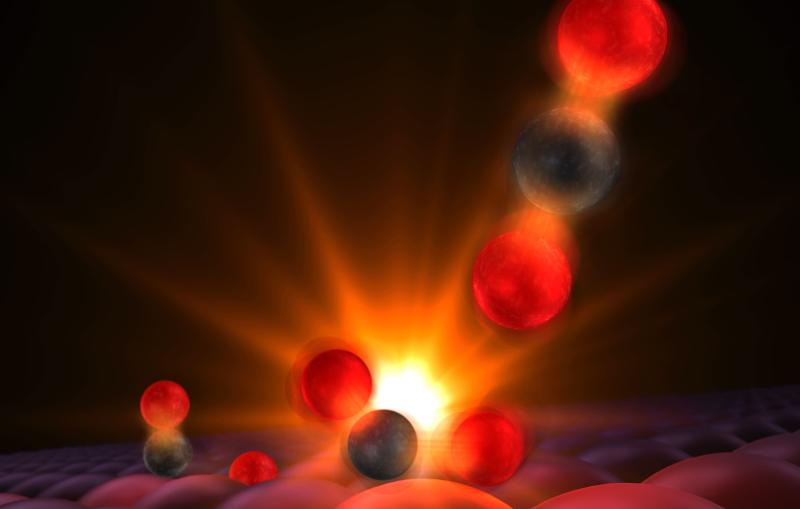
SSRL's X-ray tools reveal that alcohol groups on a nanodiamond's surface allow one of the world's most valuable materials to bond with one of...

Purple layers surround angular red chunks. These are struck by gold rays, which release white spheres from the purple and red objects.
News Release

With up to a million X-ray flashes per second, 8,000 times more than its predecessor, it transforms the ability of scientists to explore atomic-scale...

LCLS-II first light
Feature

Garcia-Esparza’s research offers unique insights into catalysts relevant to renewable energy generation and emerging materials for microelectronics.

This is a photograph of SSRL scientist Angel Garcia Esparza, who was awarded the 2023 Spicer Award
Feature

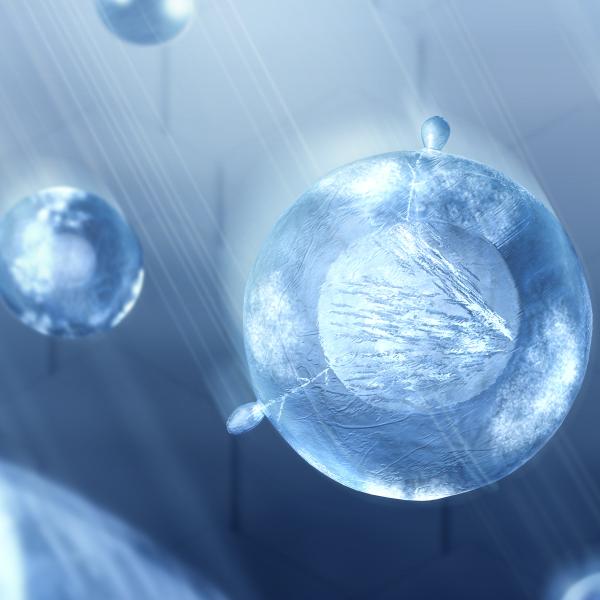
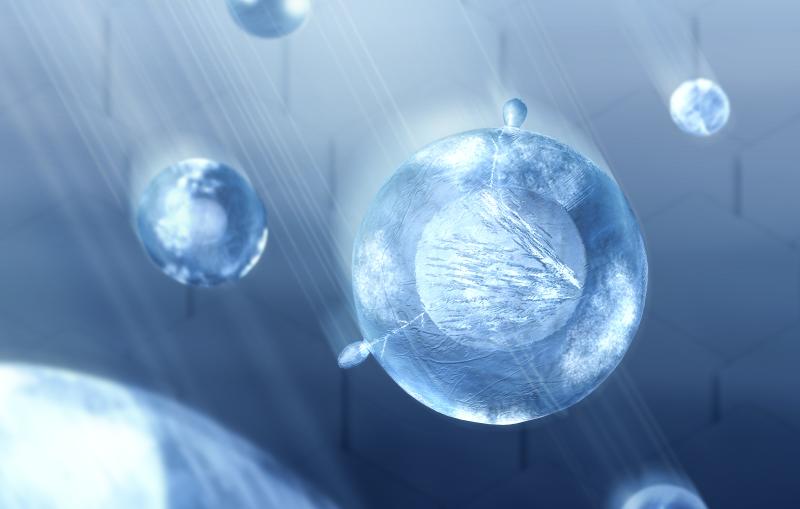
X-ray laser studies help researchers identify early steps in the freezing process to better understand how clouds make ice and their effect on climate.

supercooled water droplets
Feature

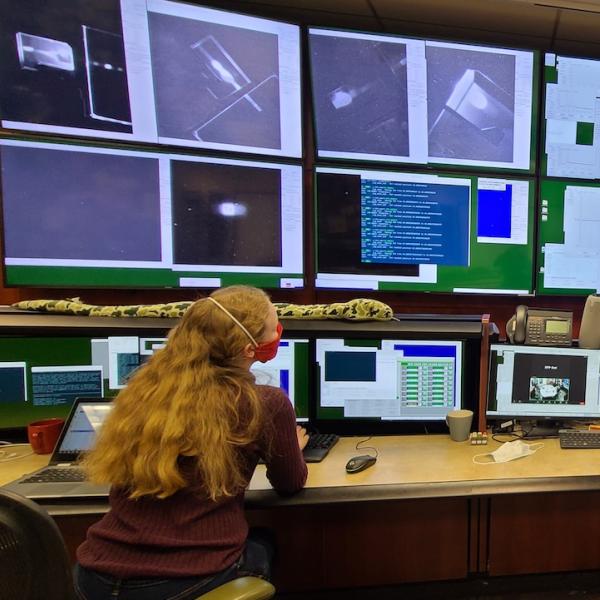
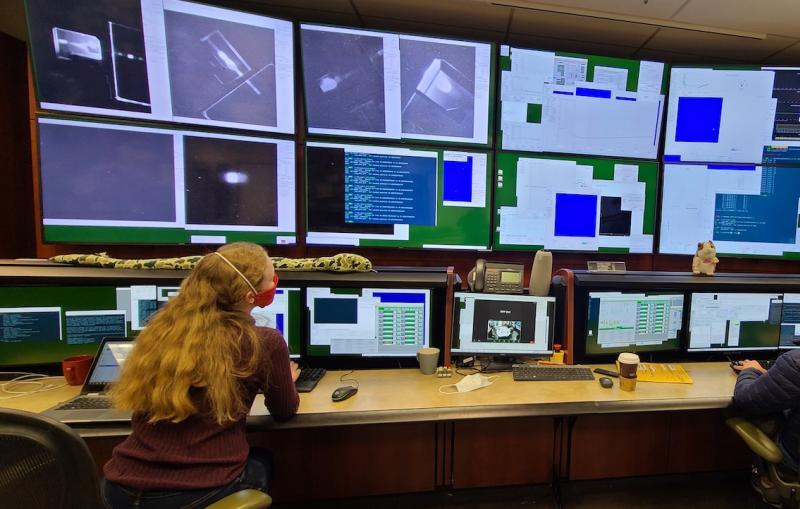
They used synthetic diamond crystals as mirrors to make X-ray pulses run laps inside a vacuum chamber, demonstrating a key process needed for future...

Two scientists in a control room full of computer monitors that allow them to adjust diamond mirrors in their CBXFEL experiment
news collection

An upgrade to SLAC’s renowned Linac Coherent Light Source will allow it to deliver X-ray laser beams that are 10,000 times brighter with pulses that arrive up to a million times per second.

collage of LCLS-II milestones
News Release

After decades of effort, scientists have finally seen the process by which nature creates the oxygen we breathe using SLAC’s X-ray laser.

Photosystem II
Animation

In photosystem II, the water-splitting center cycles through four stable states
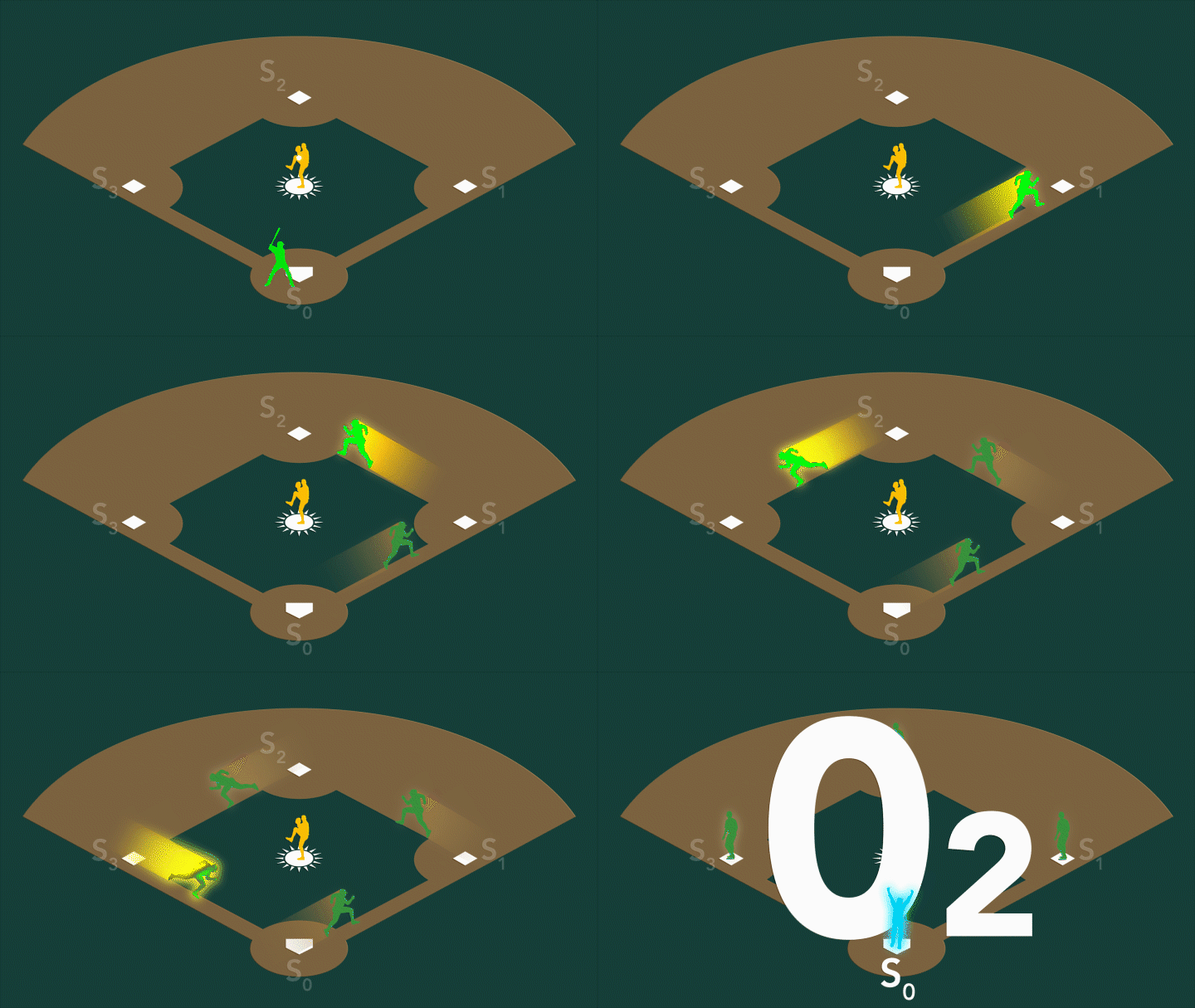
Photosystem II baseball
News Release

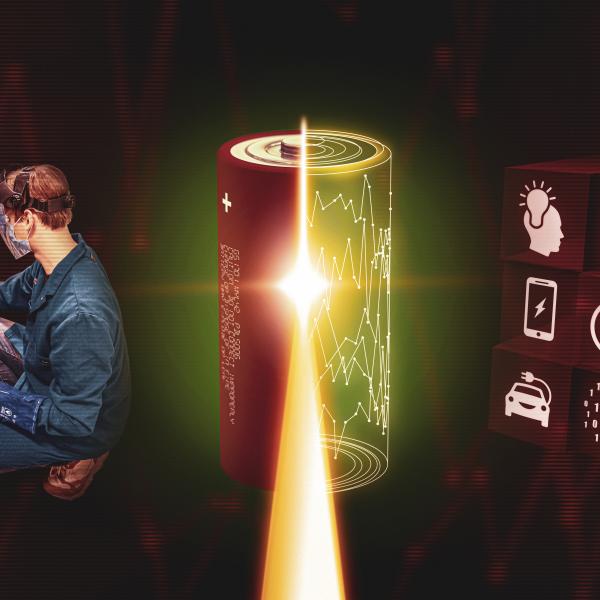
New SLAC-Stanford Battery Center bridges the gaps between discovering, manufacturing and deploying innovative energy storage solutions. 

Illustration showing a battery researcher at left, a battery at center and a grid of battery applications at right.
Illustration

The new SLAC-Stanford Battery Center aims to bridge the gaps between discovering, manufacturing and deploying innovative energy storage solutions. 
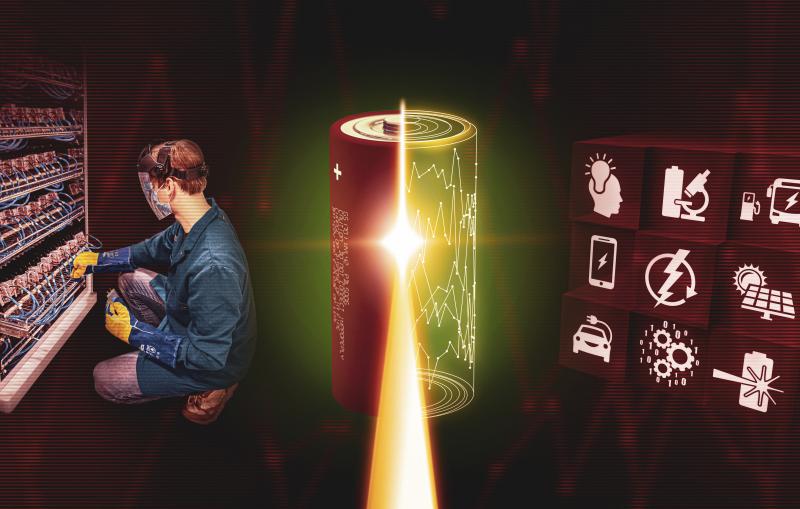
Illustration showing a battery researcher at left, a battery at center and a grid of battery applications at right.
Feature

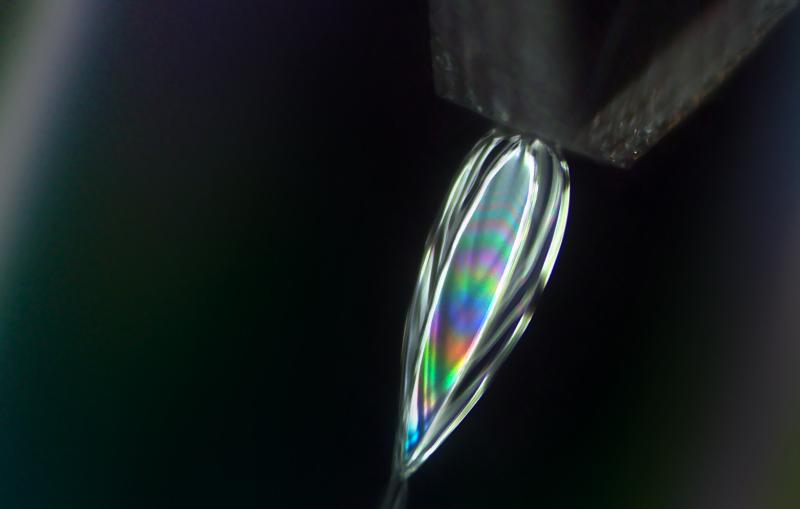
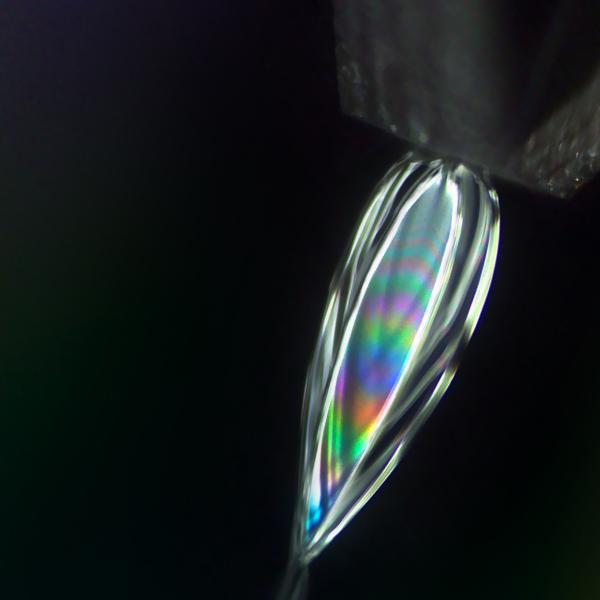
To invent a new tool for studying how chemicals react at interfaces, researchers shoot tiny jets of oil and water at each other and...

Rainbow colors in a sheet of layered liquids
Feature

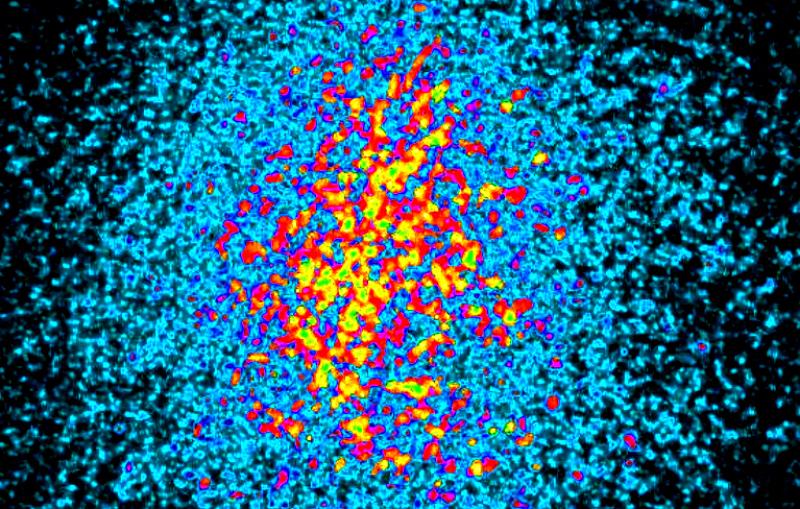
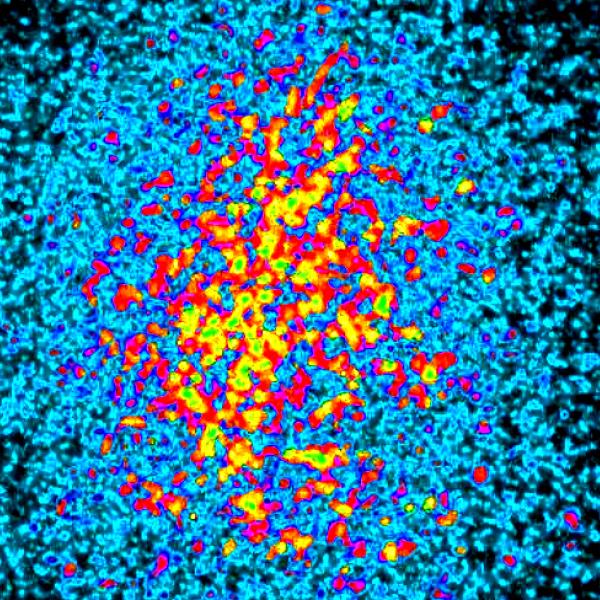
A machine learning algorithm automatically extracts information to speed up – and extend – the study of materials with X-ray pulse pairs.

A pattern of red and yellow dots surrounded by a ring of blue dots on a black background.