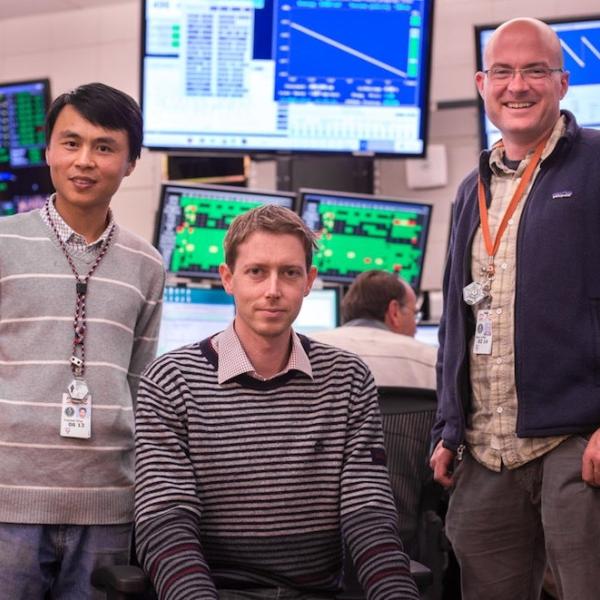
A new screening program will allow researchers to quickly confirm whether precious biological samples yield useful information when struck by the intense X-ray pulses...
A tool developed half a century ago for sorting subatomic particles has been redesigned to measure X-ray laser pulses at SLAC's Linac Coherent Light...
The first complete chemical analysis of feathers from Archaeopteryx, a famous fossil linking dinosaurs and birds, reveals that the feathers were patterned—light in color...
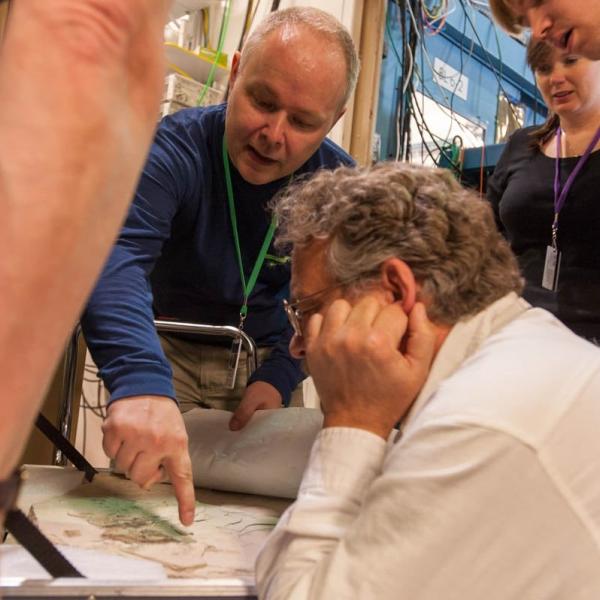
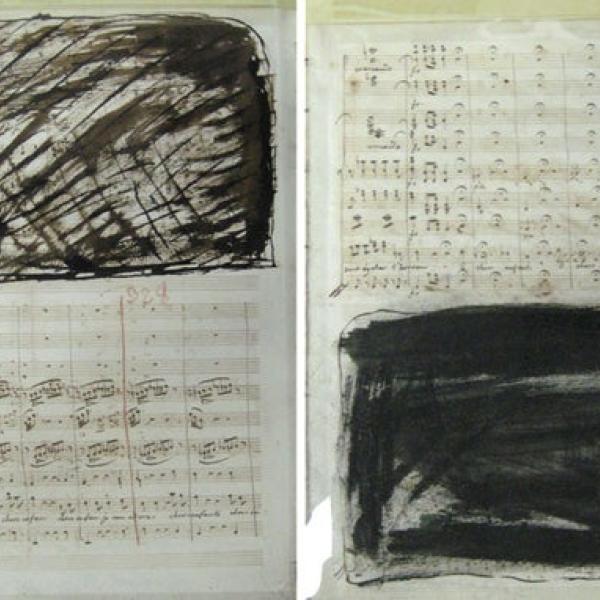
At first glance the beautifully bound 1797 Luigi Cherubini opera Médée looks like an impeccably preserved relic of opera's golden age. However, flip to...
Last year's Nobel Prize in Chemistry – shared by Stanford School of Medicine Professor Brian Kobilka and Robert Lefkowitz of Duke University – recognized...
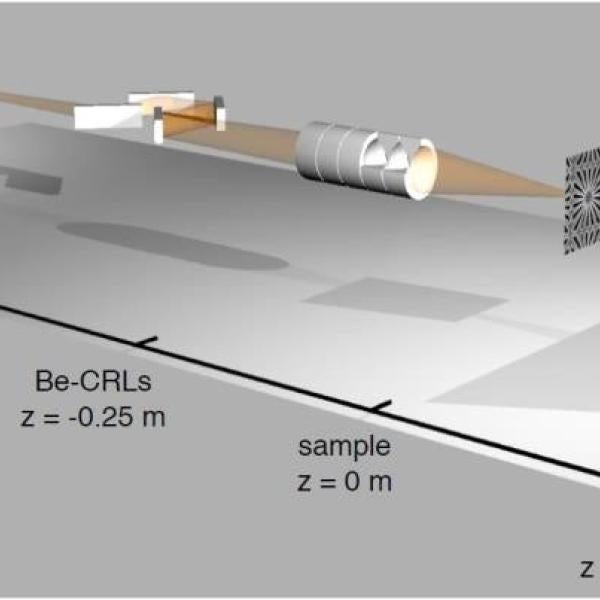
An imaging technique conceived 50 years ago has been successfully demonstrated at SLAC's Linac Coherent Light Source, where it is expected to improve results...
SLAC researchers have demonstrated for the first time how to produce pairs of X-ray laser pulses in slightly different wavelengths, or colors, with finely...
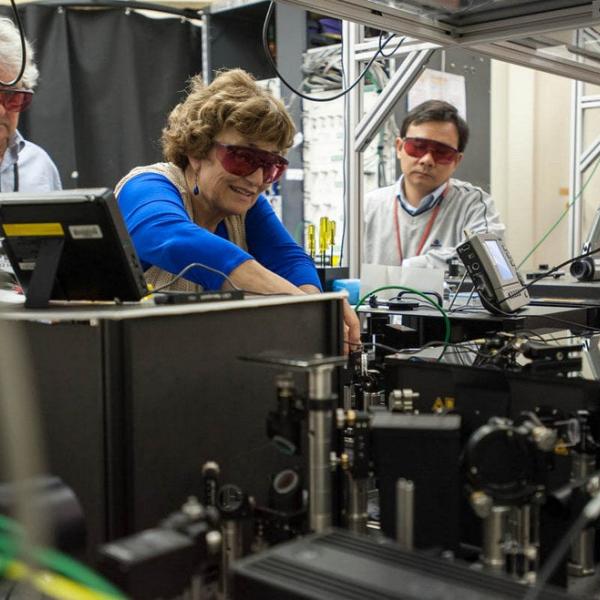
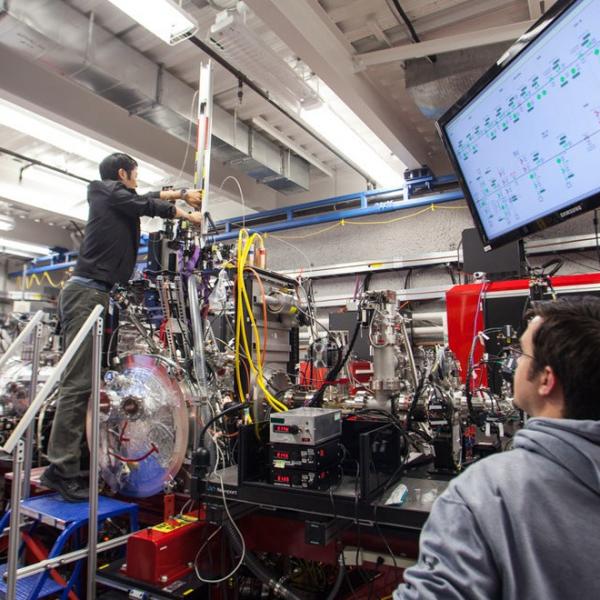
A new screening program will allow researchers to quickly confirm whether precious biological samples yield useful information when struck by the intense X-ray pulses at SLAC's Linac Coherent Light Source (LCLS).
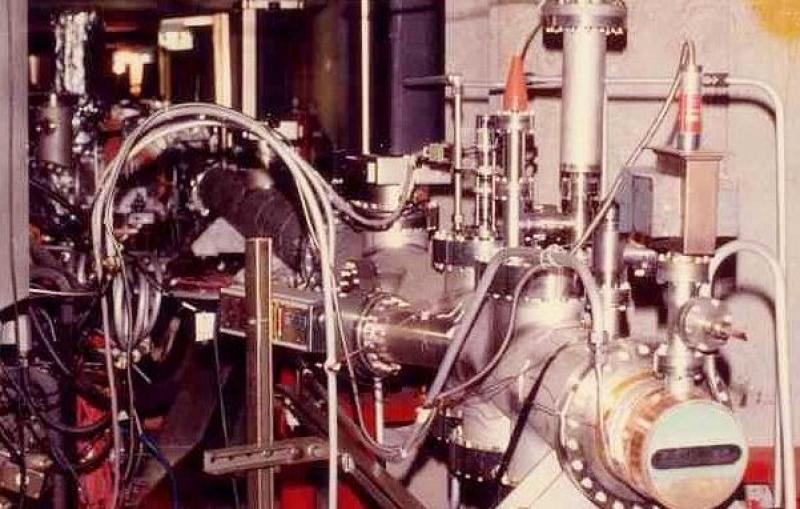
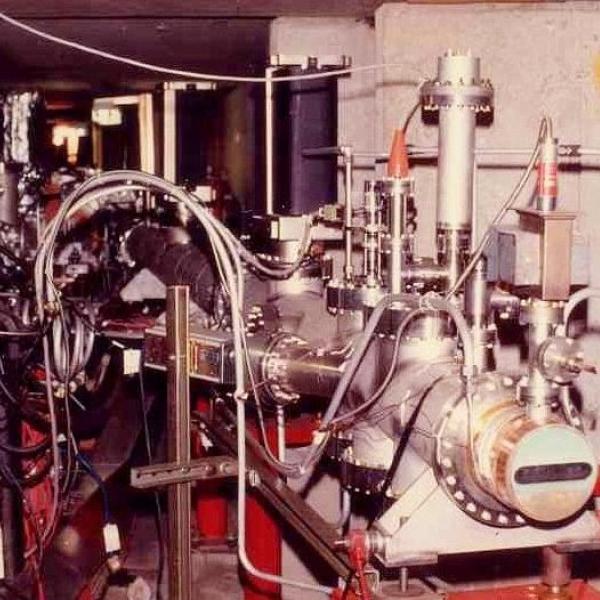
Last Saturday marked the 40th anniversary of an historic event: In 1973, a team of research pioneers extracted hard X-rays for the first time from SLAC's SPEAR accelerator.
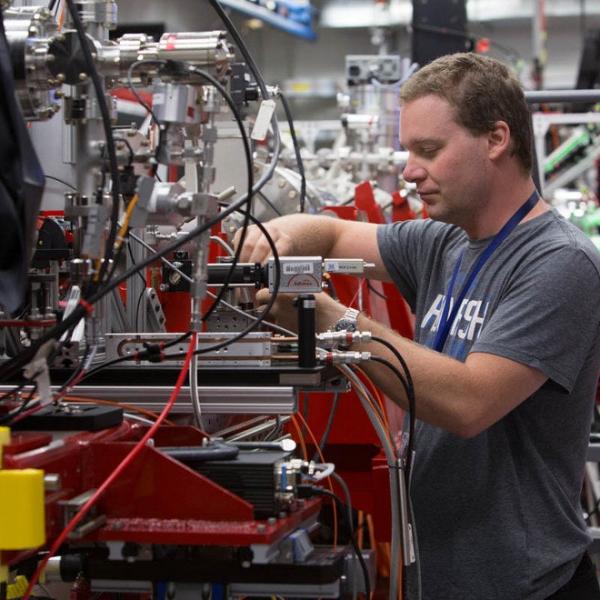
A tool developed half a century ago for sorting subatomic particles has been redesigned to measure X-ray laser pulses at SLAC's Linac Coherent Light Source (LCLS).
John Hill watched with eager anticipation as controllers ramped up the power systems driving SLAC's X-ray laser in an attempt to achieve the record high energies needed to make his experiment a runaway success.
It's no surprise that the data systems for SLAC's Linac Coherent Light Source X-ray laser have drawn heavily on the expertise of the particle physics community, where collecting and analyzing massive amounts of data are key to scientific success.
The first complete chemical analysis of feathers from Archaeopteryx, a famous fossil linking dinosaurs and birds, reveals that the feathers were patterned—light in color, with a dark edge and tip—rather than all black, as previously thought.
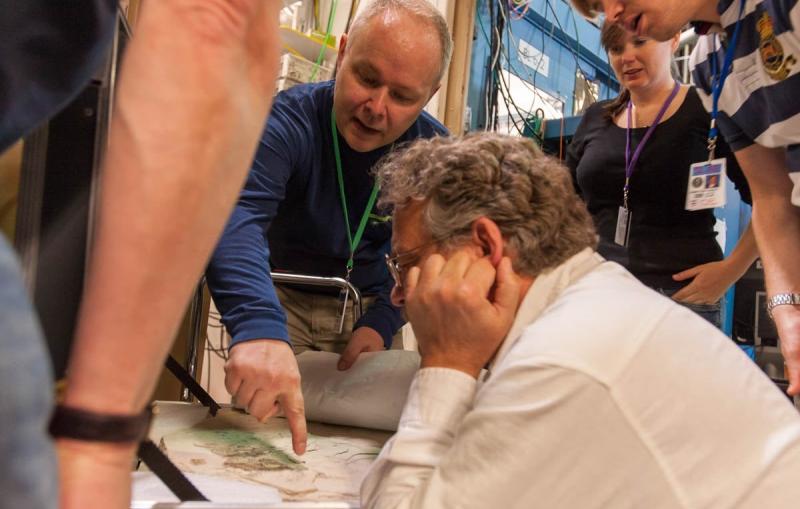
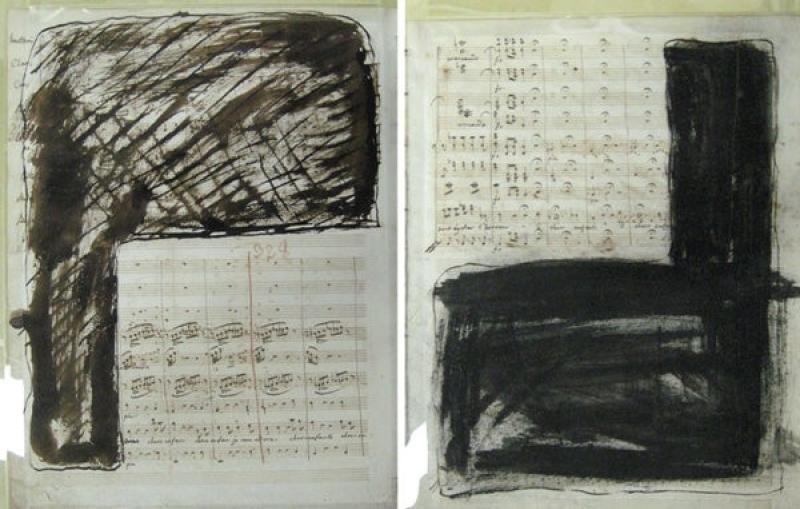
At first glance the beautifully bound 1797 Luigi Cherubini opera Médée looks like an impeccably preserved relic of opera's golden age. However, flip to the final pages of the aria "Du trouble affreux qui me dévore" ("The terrible disorder that...
Last year's Nobel Prize in Chemistry – shared by Stanford School of Medicine Professor Brian Kobilka and Robert Lefkowitz of Duke University – recognized groundbreaking research in G protein-coupled receptors (GPCRs).
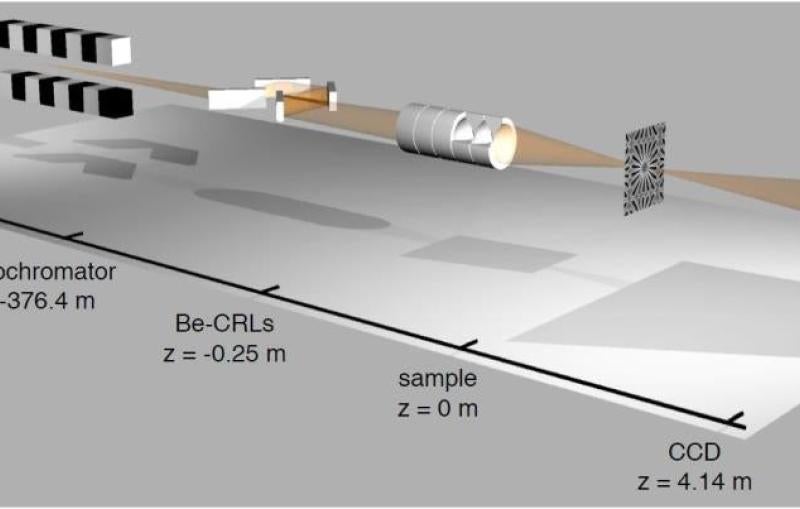
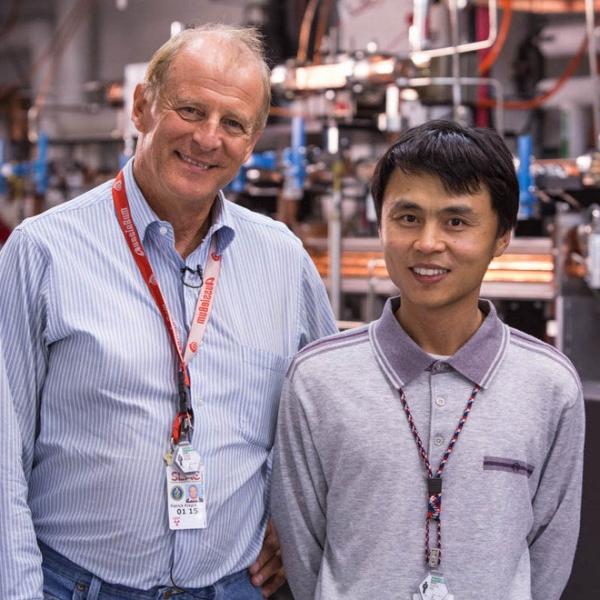
An imaging technique conceived 50 years ago has been successfully demonstrated at SLAC's Linac Coherent Light Source, where it is expected to improve results in a range of experiments, including studies of extreme states of matter formed by shock waves.
SLAC researchers have demonstrated for the first time how to produce pairs of X-ray laser pulses in slightly different wavelengths, or colors, with finely adjustable intervals between them – a feat that will allow them to watch molecular motion as...