SLAC topics

X-ray science RSS feed

X-ray studies at SLAC facilities help scientists understand the fundamental workings of nature by probing matter in atomic detail.

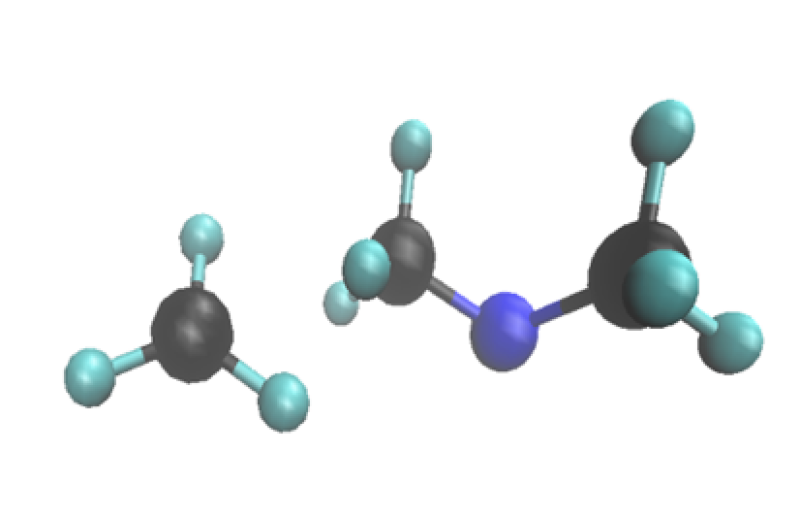
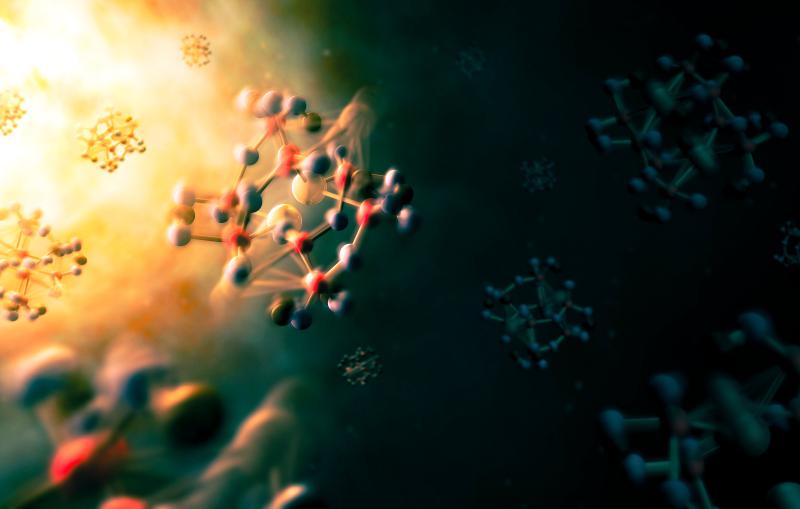
atoms forming a tentative bond
Feature

SLAC researchers say their new method could make it easier to study interactions of ultrabright X-rays with matter

Ghost imaging illustration
Feature

Researchers will use SLAC’s X-ray light source to probe 150-million-year-old dinosaur fossils at the atomic level.

Jurassic Mile
Feature

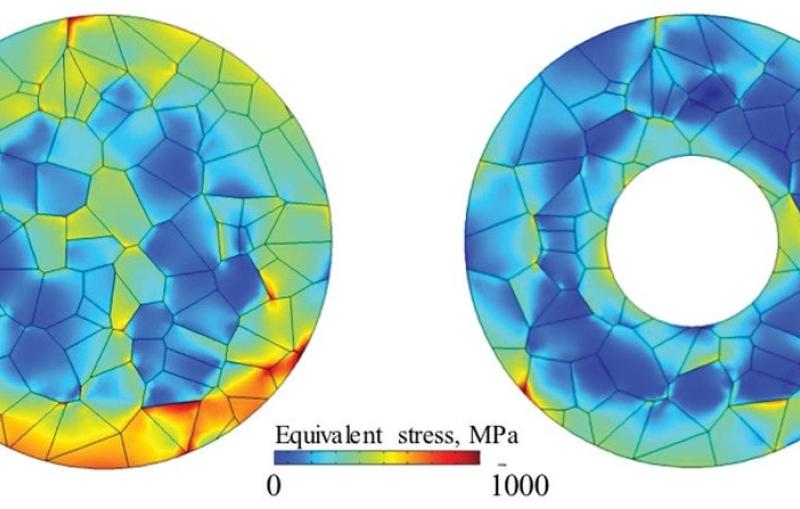
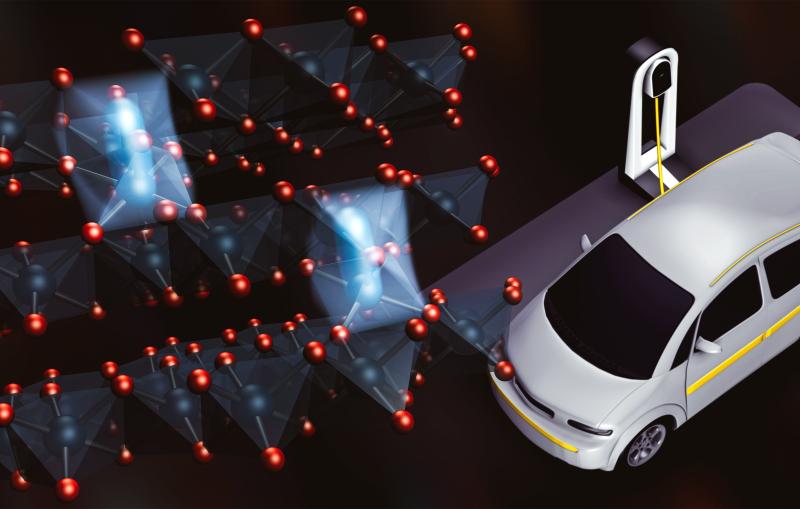
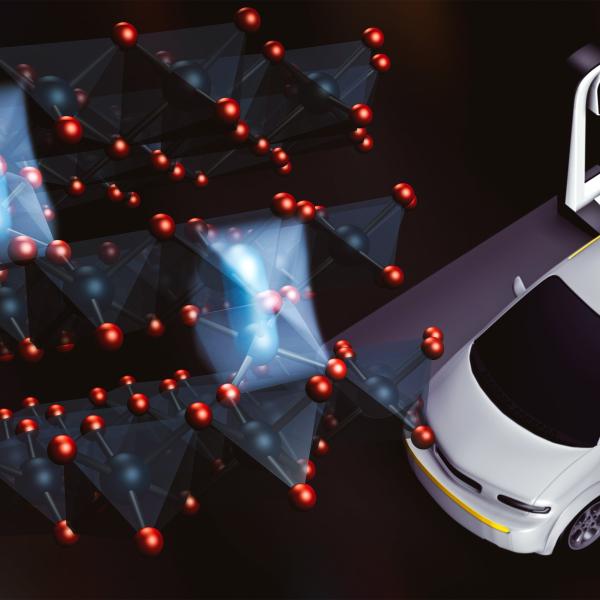
Combination of research methods reveals causes of capacity fading, giving scientists better insight to design advanced batteries for electric vehicles

Cathode degradation
Feature

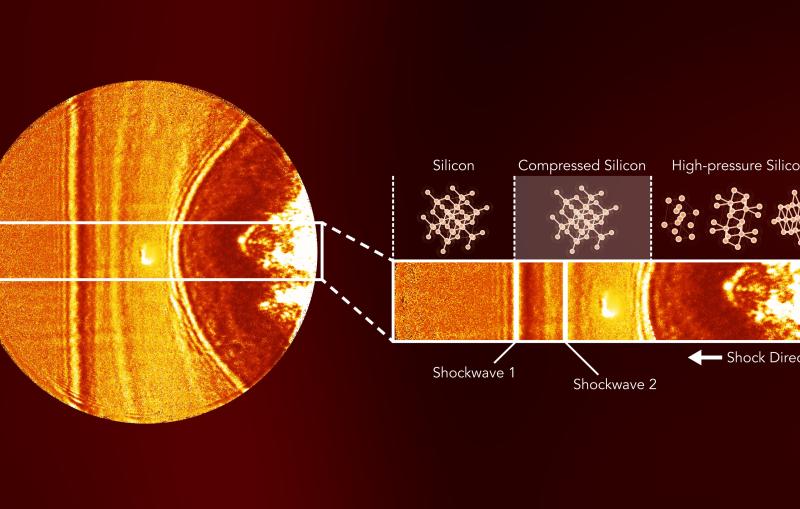
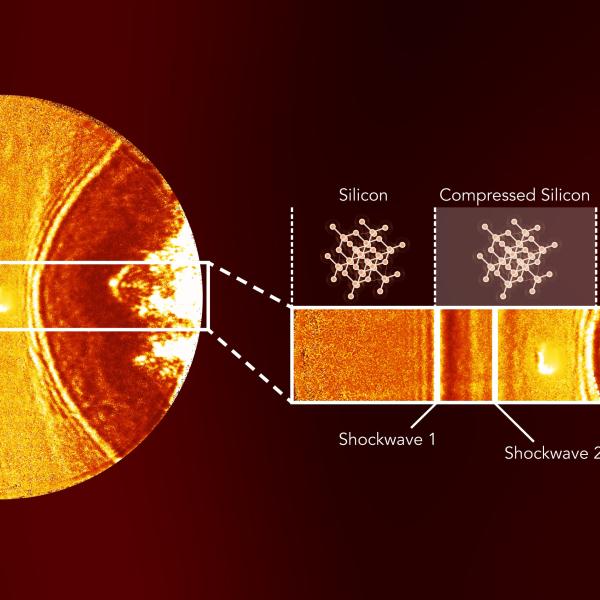
Researchers used a unique approach to learn more about what happens to silicon under intense pressure.

silicon waves
Feature

SLAC Director Chi-Chang Kao spoke to the Stanford University Faculty Senate at its Feb. 21 meeting.

Chi-Chang Kao at Stanford Faculty Senate meeting
Feature

A better understanding of these systems will aid in developing next-generation energy technologies.

synchronized molecules
Feature

New research offers the first complete picture of why a promising approach of stuffing more lithium into battery cathodes leads to their failure. A...

high capacity batteries
Feature

Using an X-ray laser, researchers watched atoms rotate on the surface of a material that was demagnetized in millionths of a billionth of a...

Iron sample blasted with laser pulses to demagnetize it, then X-rayed.
Feature

Detailed observations of iridium atoms at work could help make catalysts that drive chemical reactions smaller, cheaper and more efficient.

Depiction of four techniques used to study a single-atom catalyst
Feature

New research will help in the quest to design low-cost drugs that can tackle postpartum bleeding and other conditions without severe side effects.

Misoprostol and EP3 receptor
News Release

In a major step forward, SLAC’s X-ray laser captures all four stable states of the process that produces the oxygen we breathe, as well...

Atomic movie
Feature

Revealed for the first time by a new X-ray laser technique, their surprisingly unruly response has profound implications for designing and controlling materials.

Illustration of laser light setting off vibrations in material