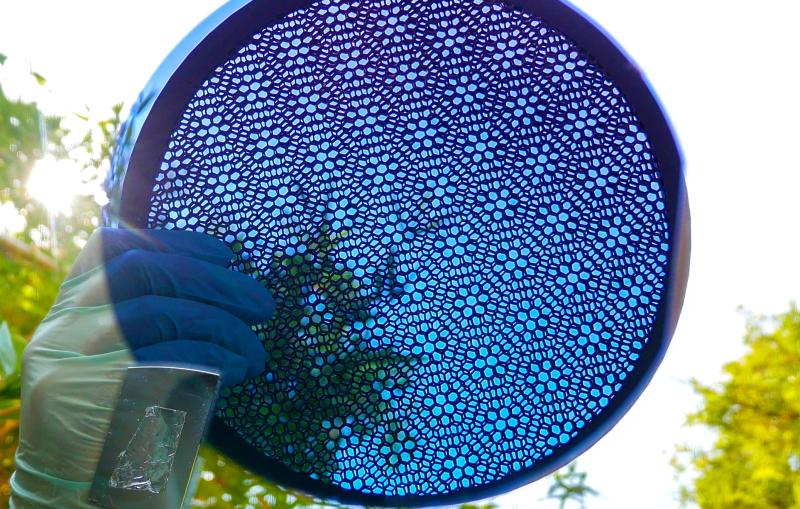
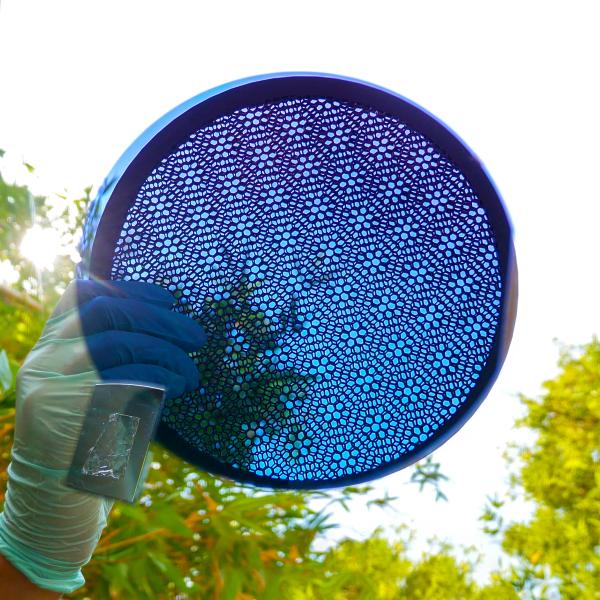
Imaging at SLAC's synchrotron demonstrates the twisted structures’ exotic properties that could benefit the development of superconductors and quantum materials.
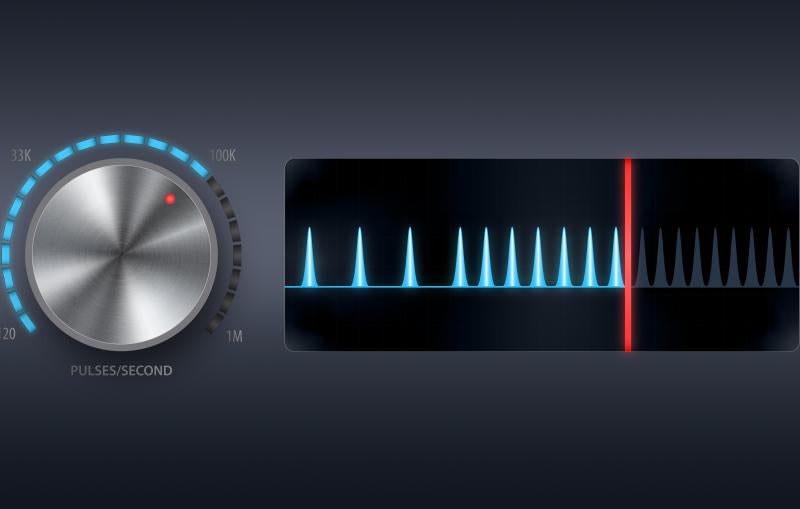
Experiments running at these higher pulse rates will allow scientists to capture ultrafast processes with greater precision, collect data more efficiently and explore phenomena...
The SLAC team is developing digital twins – powered by AI and high-performance computing – to help quickly shape high-quality particle beams for the...
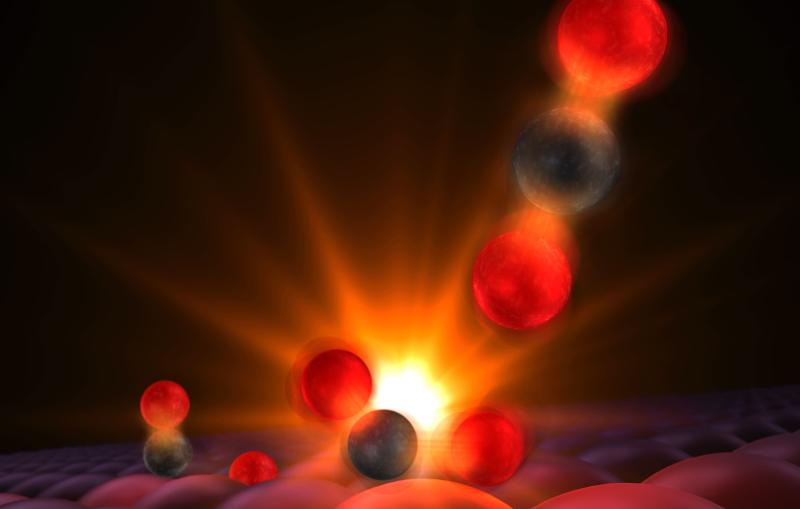
After a major upgrade, SLAC's X-ray free-electron laser is 10,000 times brighter and thousands of times faster. Now, researchers are using LCLS to observe...
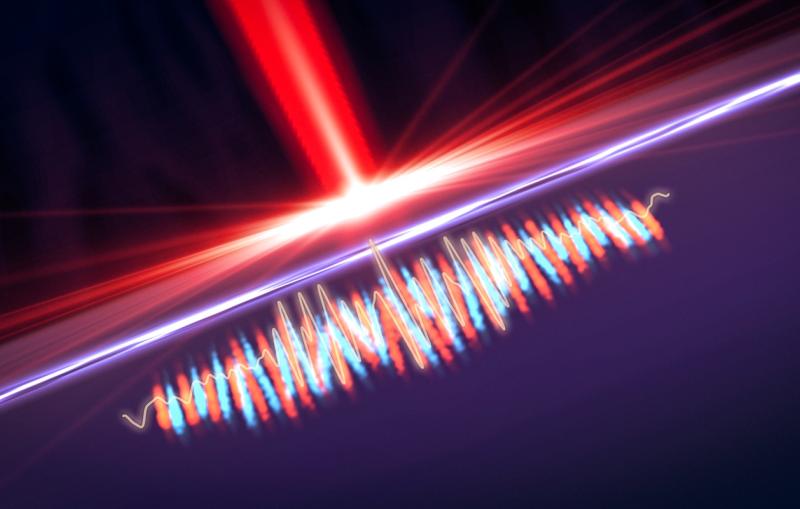
The team developed a platform that uses powerful X-rays from the lab’s LCLS X-ray laser to resolve for the first time the evolution of instabilities in high-density plasmas.
Imaging at SLAC's synchrotron demonstrates the twisted structures’ exotic properties that could benefit the development of superconductors and quantum materials.
Experiments running at these higher pulse rates will allow scientists to capture ultrafast processes with greater precision, collect data more efficiently and explore phenomena that were previously out of reach.
The SLAC team is developing digital twins – powered by AI and high-performance computing – to help quickly shape high-quality particle beams for the lab’s X-ray and ultrafast facilities.
After a major upgrade, SLAC's X-ray free-electron laser is 10,000 times brighter and thousands of times faster. Now, researchers are using LCLS to observe electrons in real time as they move across molecules.
His visit highlighted the breadth of our world-class research and the people and collaborations that make it possible. A key theme of the day: how SLAC and the National Labs are advancing AI to accelerate discovery.