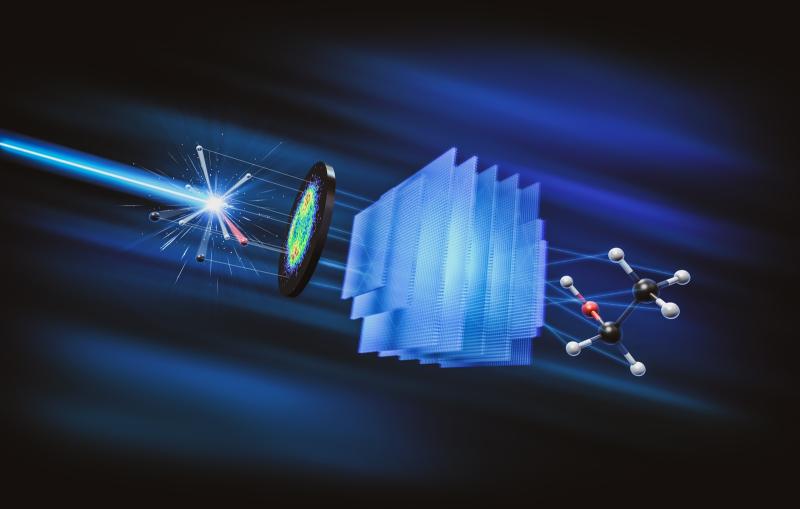
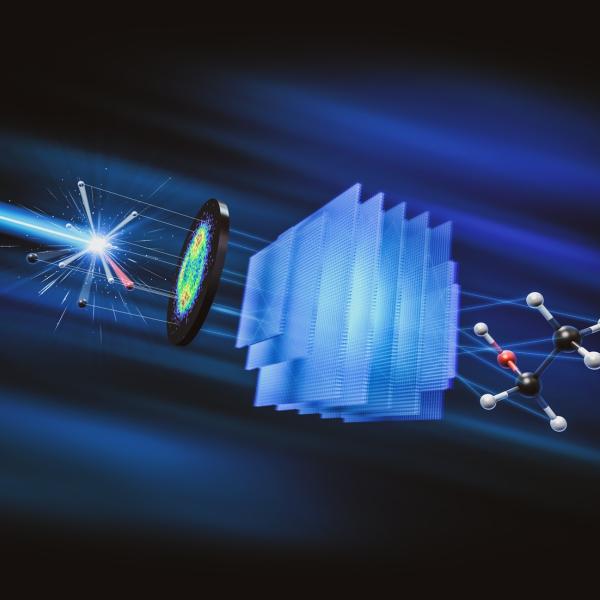
Using the powerful LCLS X-ray laser, researchers at SLAC have directly imaged for the first time how molecules rearrange during a chemical reaction controlled...
The lab’s contributions to the national AI initiative are bolstered by its breakthrough scientific tools, unprecedented data and unique partnerships that help illuminate nature...
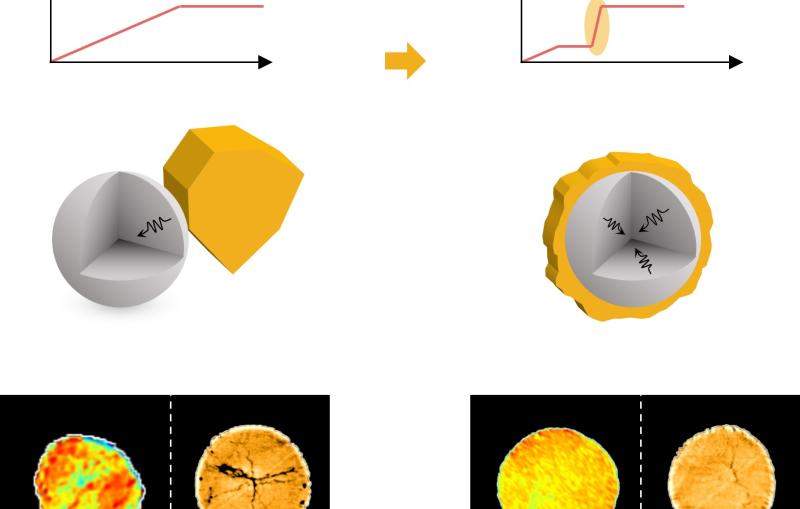
By adjusting the heating process when making lithium-ion cathodes, the team created batteries that retained nearly 93% of their energy after 500 cycles.
Argonne, SLAC researchers designed a chip that compresses and processes detector data instantly, letting scientists analyze results and steer experiments as they happen.
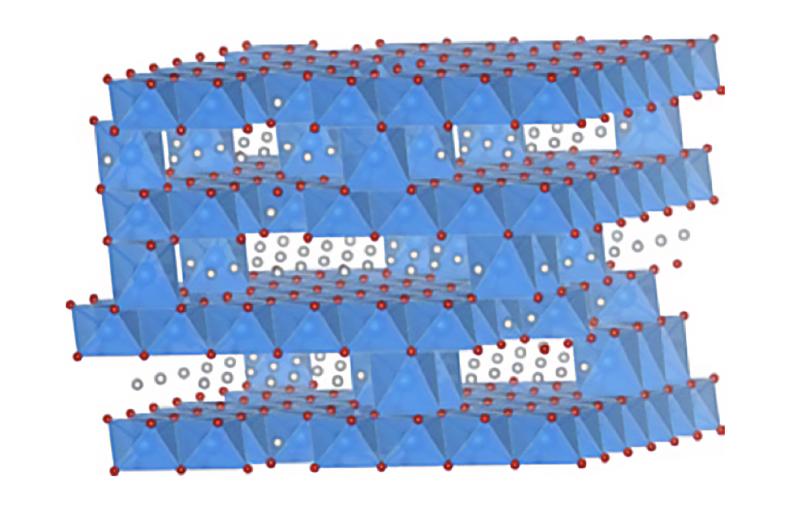
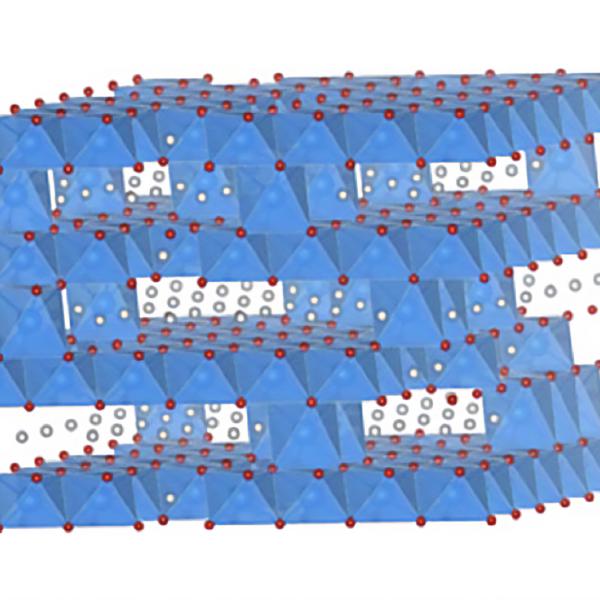
By instigating atomic disorder in lithium-ion battery materials, researchers created more stable materials that don’t expand, contract and degrade like traditional materials do.
SLAC researchers and collaborators trained a neural network that can use ion momentum to work backward and predict the pre-blast geometry of a molecule.
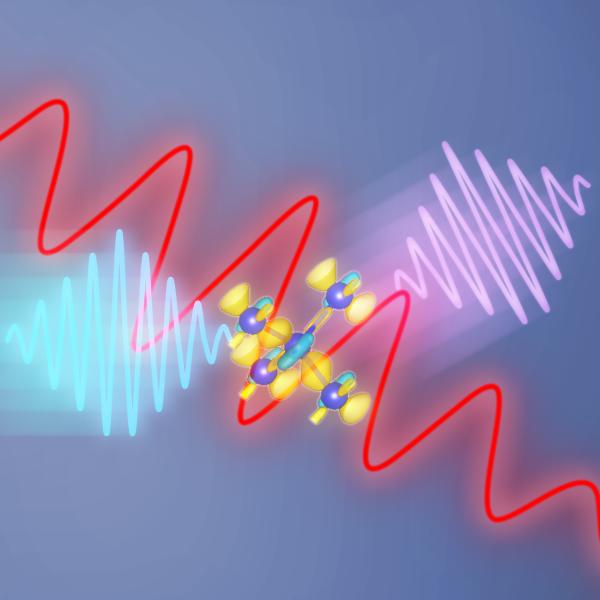
The new method allows better studies of valence electrons key to materials’ properties and could help unlock novel photocatalysts, light-switchable superconductors and other applications...
Researchers reveal why trace amounts of alloy added to some catalysts keep them performing better over time. The study suggests models that could boost...
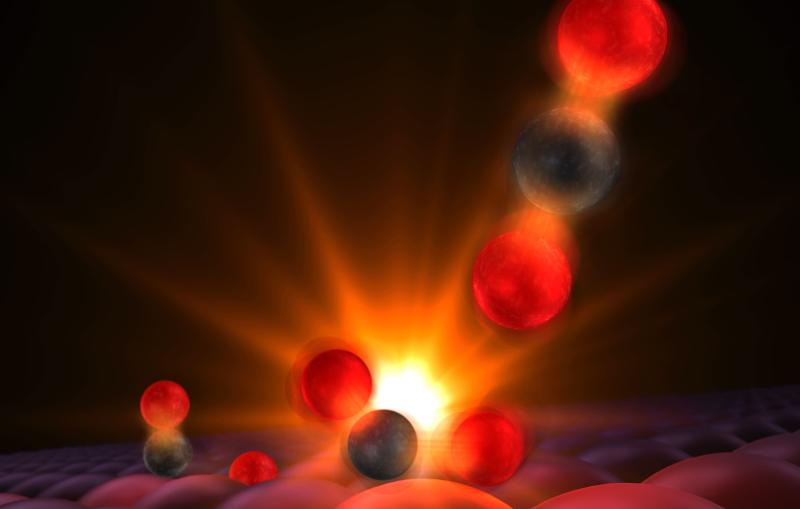
Using the powerful LCLS X-ray laser, researchers at SLAC have directly imaged for the first time how molecules rearrange during a chemical reaction controlled by light.
The lab’s contributions to the national AI initiative are bolstered by its breakthrough scientific tools, unprecedented data and unique partnerships that help illuminate nature from the expansion of the universe to the motions of electrons.
By adjusting the heating process when making lithium-ion cathodes, the team created batteries that retained nearly 93% of their energy after 500 cycles.
Argonne, SLAC researchers designed a chip that compresses and processes detector data instantly, letting scientists analyze results and steer experiments as they happen.
By instigating atomic disorder in lithium-ion battery materials, researchers created more stable materials that don’t expand, contract and degrade like traditional materials do.
SLAC researchers and collaborators trained a neural network that can use ion momentum to work backward and predict the pre-blast geometry of a molecule.
The new method allows better studies of valence electrons key to materials’ properties and could help unlock novel photocatalysts, light-switchable superconductors and other applications of the future.
Researchers reveal why trace amounts of alloy added to some catalysts keep them performing better over time. The study suggests models that could boost manufacturing.
The team developed a platform that uses powerful X-rays from the lab’s LCLS X-ray laser to resolve for the first time the evolution of instabilities in high-density plasmas.