SLAC topics

X-ray light sources and electron imaging RSS feed

X-ray light sources and electron imaging are advanced techniques used to study the structure and properties of materials. X-ray light sources use high-energy photons to produce X-rays, while electron imaging uses high-energy electrons to produce detailed images of samples. 

Browse tagged content
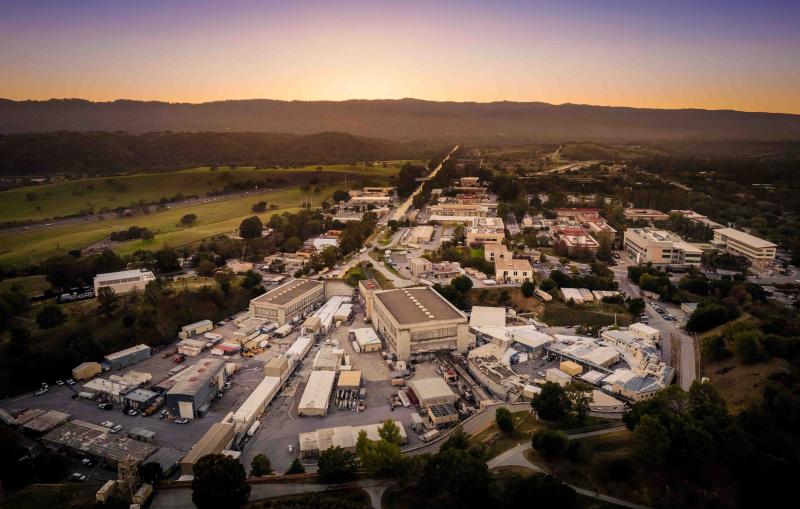
Aerial view of SLAC
Feature

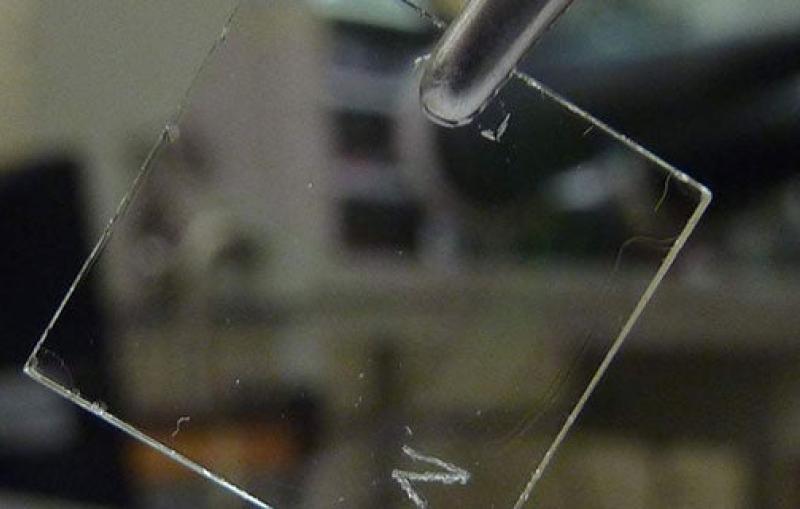
Teams from Stanford, SLAC and the University of Nebraska-Lincoln collaborate to make thin, transparent semiconductors that could become the foundation for cheap, high-performance displays.

See caption
Feature

A study with SLAC's X-ray laser is a key step toward producing movies that show how a single molecule changes during a chemical reaction

Image - Scientists at SLAC's Linac Coherent Light Source used an optical laser to orient molecules along a common axis, like a compass needle to a magnet, and then used X-ray laser pulses to explore structural details. (koocbor/Flickr: http://www.flickr.c
News Release

New Technology Allows Faster, More Accurate Imaging of Hard-to-study Membrane Proteins

Illustration - man with migraine, serotonin receptor bound to anti-migraine drug
Feature

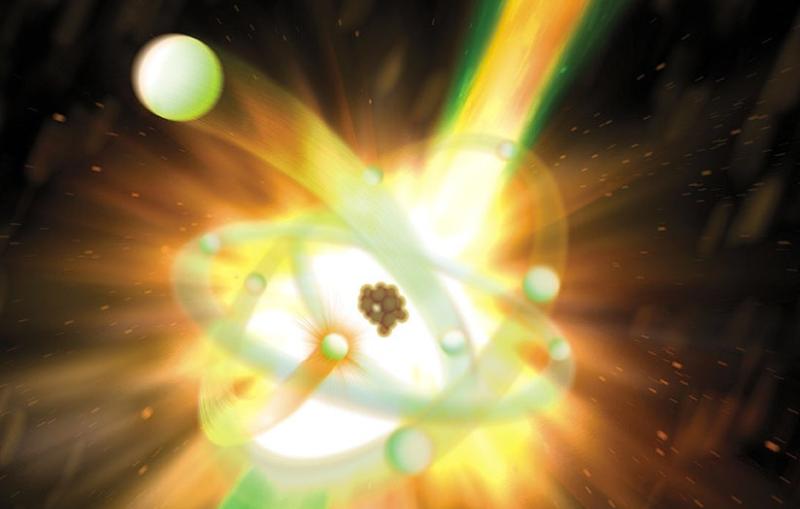
Researchers have found a new way to probe molecules and atoms with an X-ray laser, setting off cascading bursts of light that reveal precise...

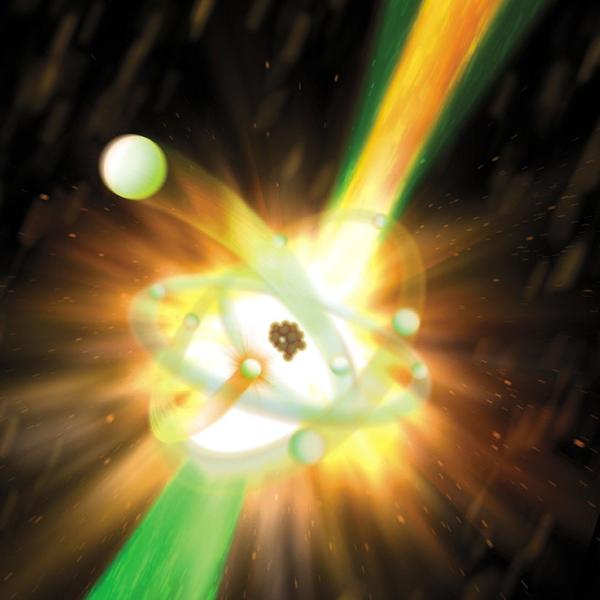
Image - An X-ray pulse at SLAC's Linac Coherent Light Source strikes a neon atom, causing electrons to reshuffle and then re-emit light at a slightly different X-ray wavelength, and also stimulating a chain reaction of amplified light in neighboring atoms
News Release

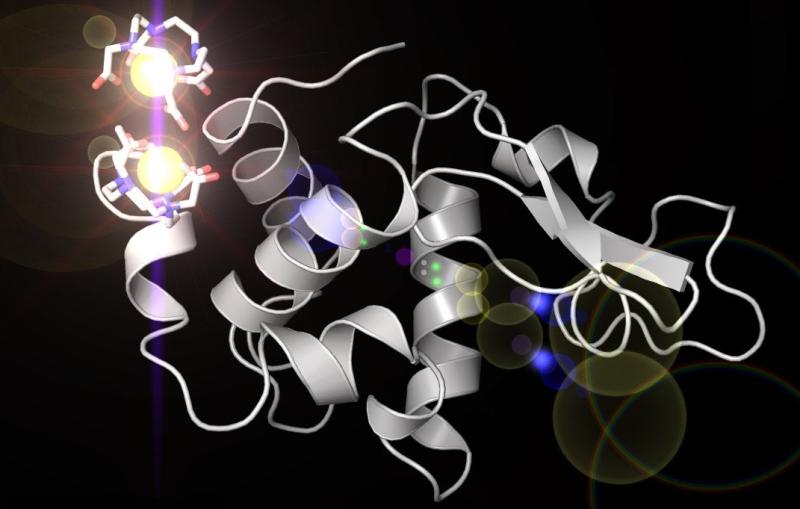
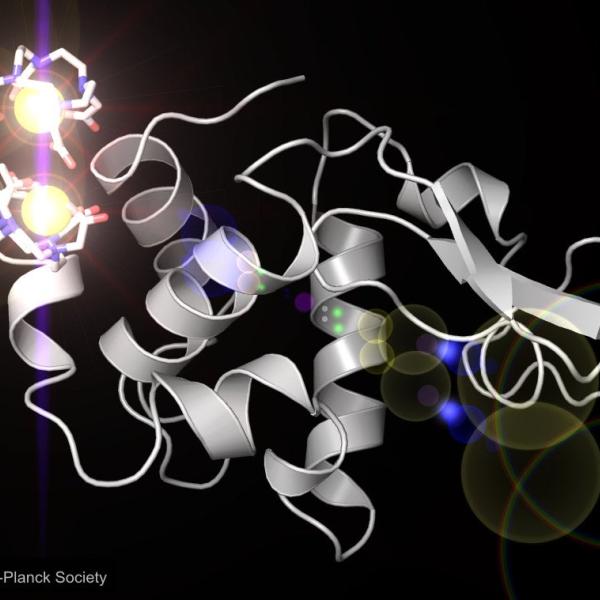
A study shows for the first time that X-ray lasers can be used to generate a complete 3-D model of a protein without any...

See caption
Feature

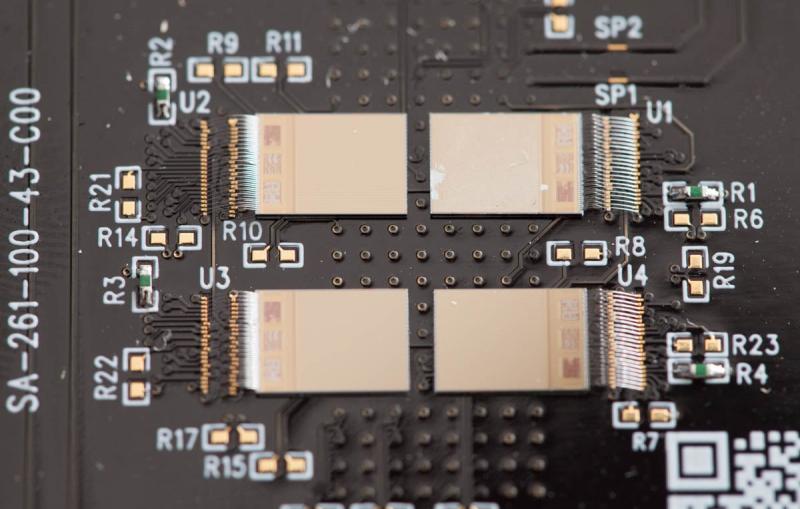
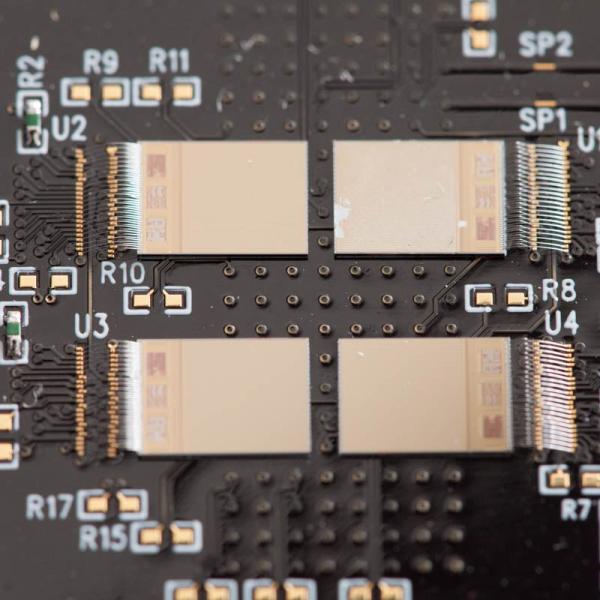
Scientists in SLAC's Integrated Circuits Department reach a new frontier in ultrafast X-ray science with intricately designed signal-processing chips that translate particles of light...

Four ePix100 prototype chips bonded in a test setup. (Brad Plummer/SLAC)

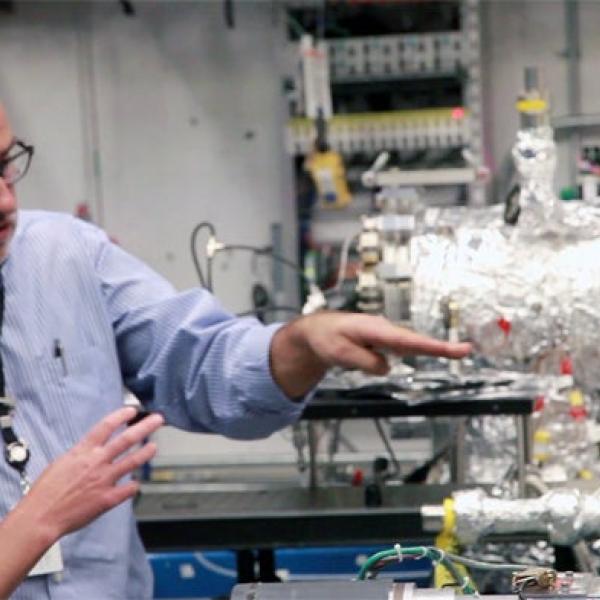
John Bozek, an instrument scientist at SLAC's Linac Coherent Light Source takes us behind the scenes at the Atomic, Molecular and Optical Science Instrument...

Feature

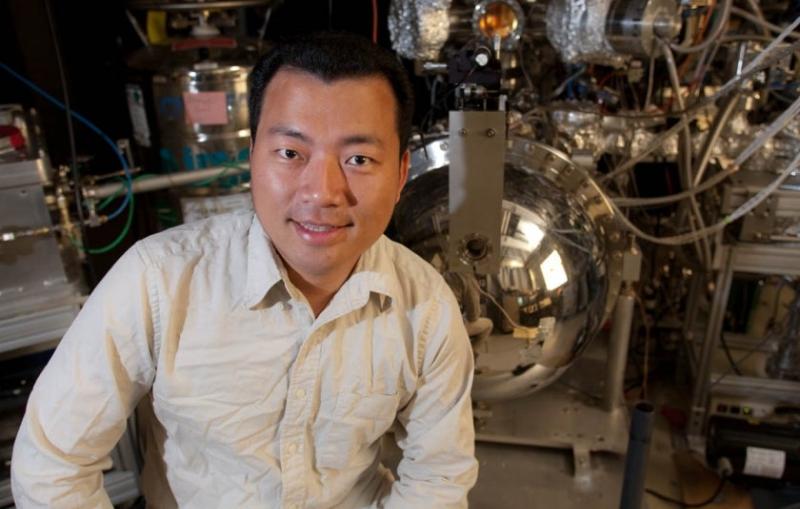
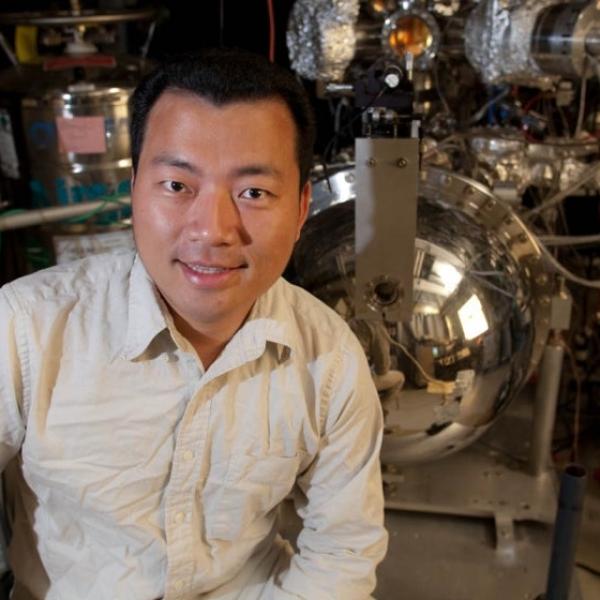
Scientists working at SLAC, Stanford, Oxford, Berkeley Lab and in Tokyo have discovered a new type of quantum material whose lopsided behavior may lend...

Yulin Chen (Brad Plummer/SLAC)
News Release

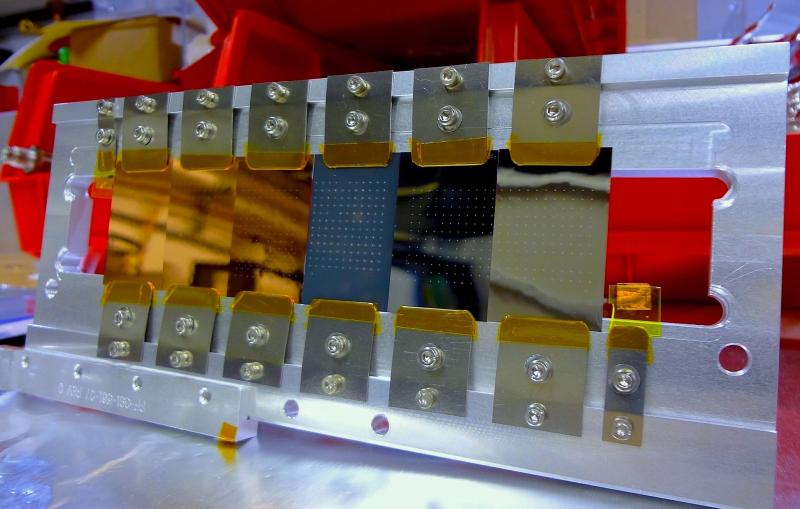
Scientists used the powerful X-ray laser at the U.S. Department of Energy's SLAC National Accelerator Laboratory to create movies detailing trillionths-of-a-second changes in the...

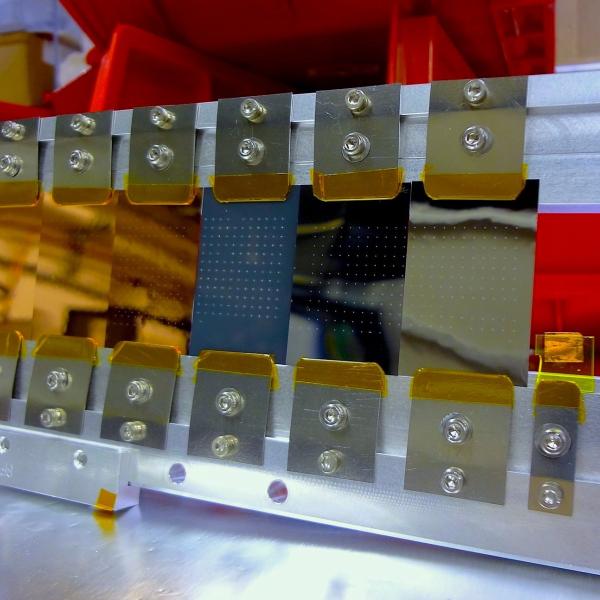
thin samples of copper, iron and titanium
News Release

The first complete chemical analysis of feathers from Archaeopteryx, a famous fossil linking dinosaurs and birds, reveals that the feathers were patterned—light in color...

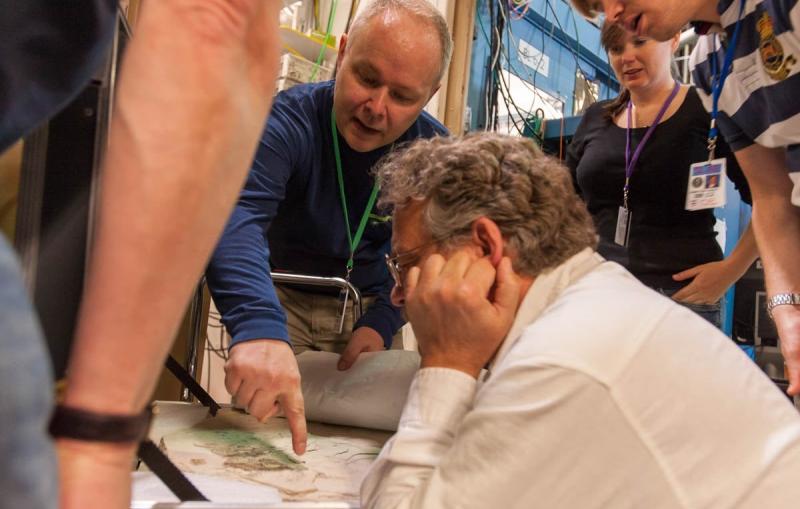
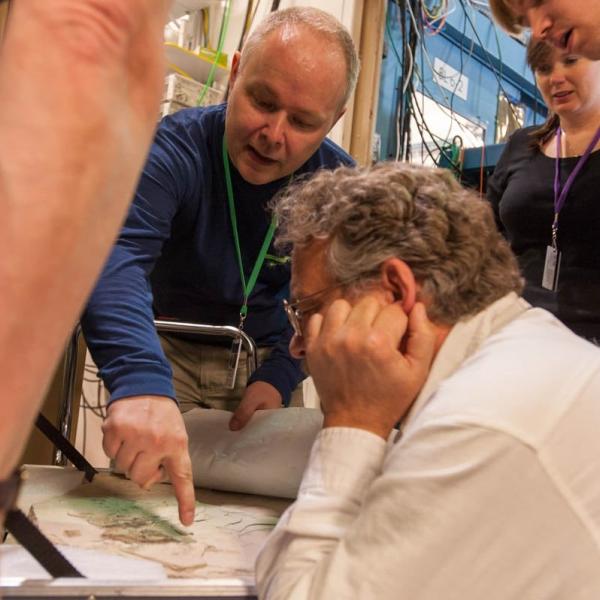
Paleontologists examine Berlin Archaeopteryx counter plate (Brad Plummer/SLAC)
News Release

At first glance the beautifully bound 1797 Luigi Cherubini opera Médée looks like an impeccably preserved relic of opera's golden age. However, flip to...

Image - Thick smudges black out parts of an aria from Luigi Cherubini's 1797 opera "Medee." (Courtesy Uwe Bergmann)
News Release

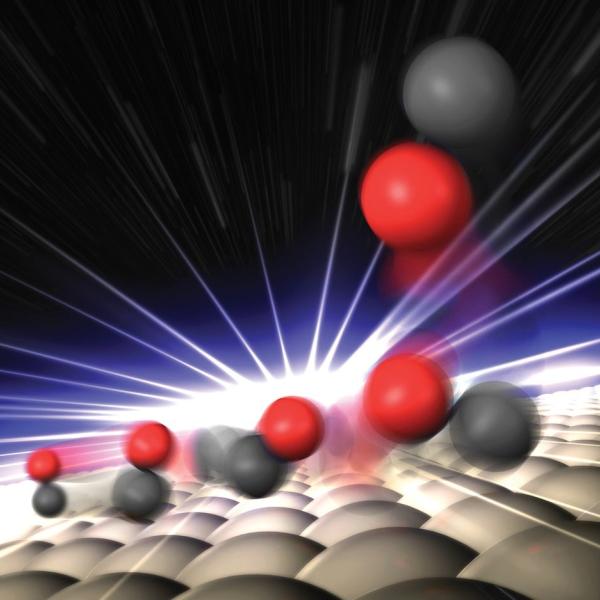
The ultrafast, ultrabright X-ray pulses of the Linac Coherent Light Source (LCLS) have enabled unprecedented views of a catalyst in action, an important step...

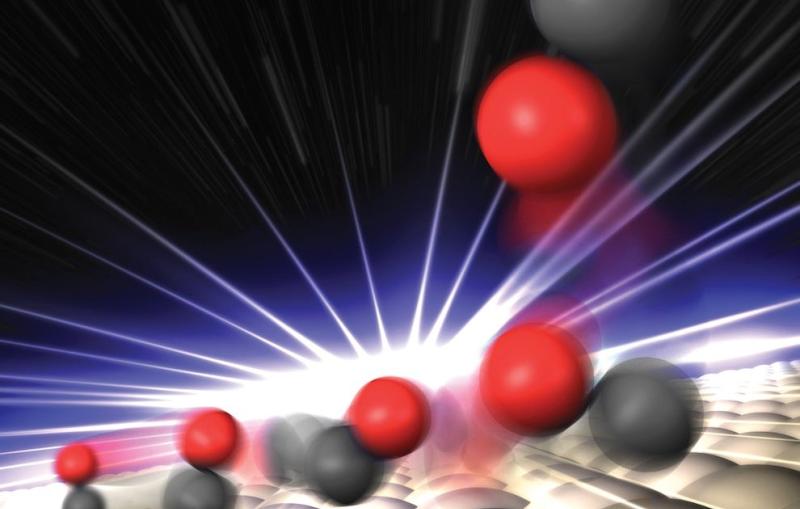
Artist rendition: molecules react with the surface of a catalyst in real time