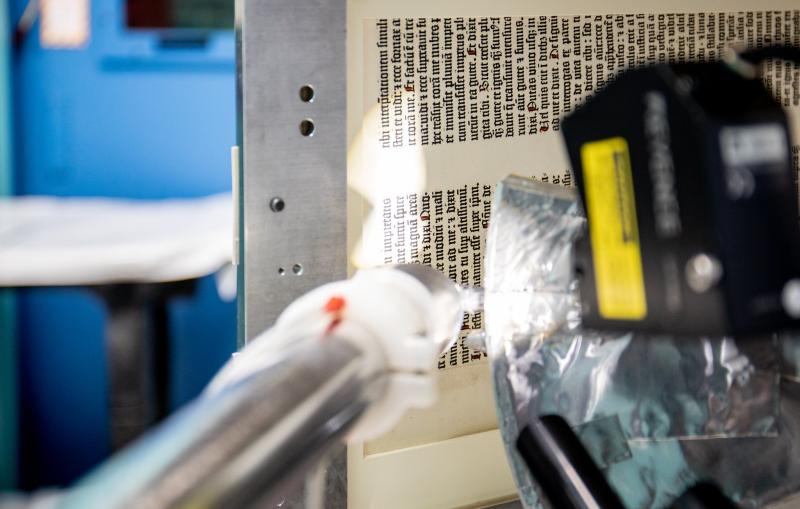
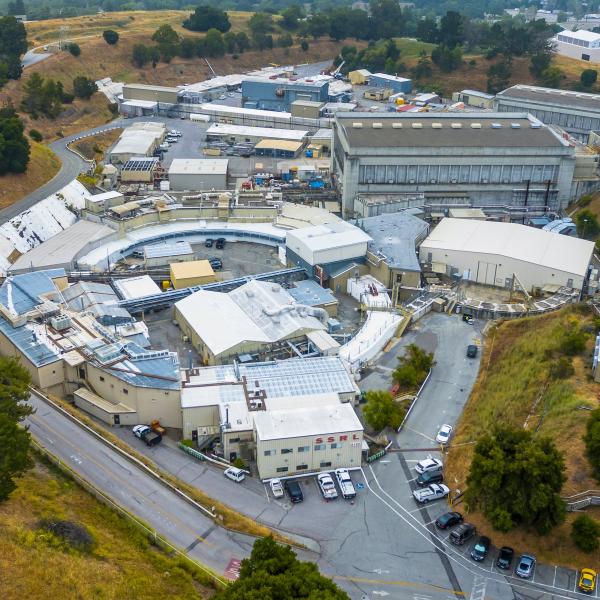
A page of the Gutenberg Bible from 1450-1455 AD is prepped before being scanned at SSRL beamline 7-2.
(Jacqueline Ramseyer Orrell/SLAC National Accelerator Laboratory)
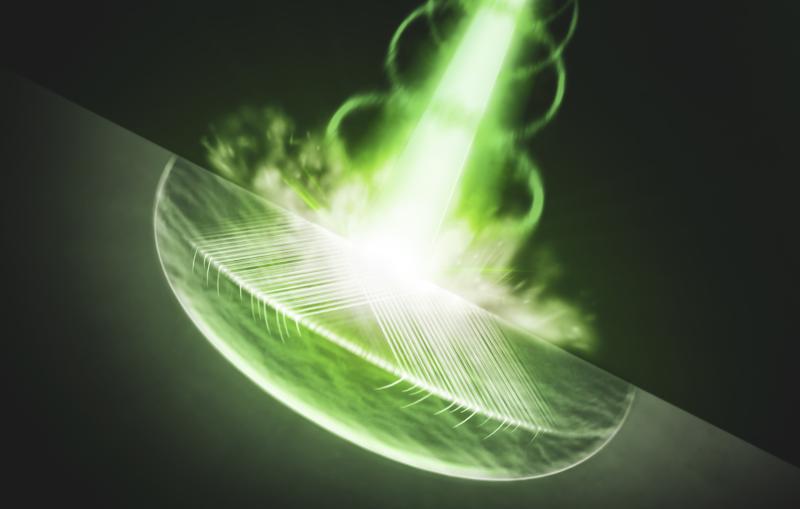
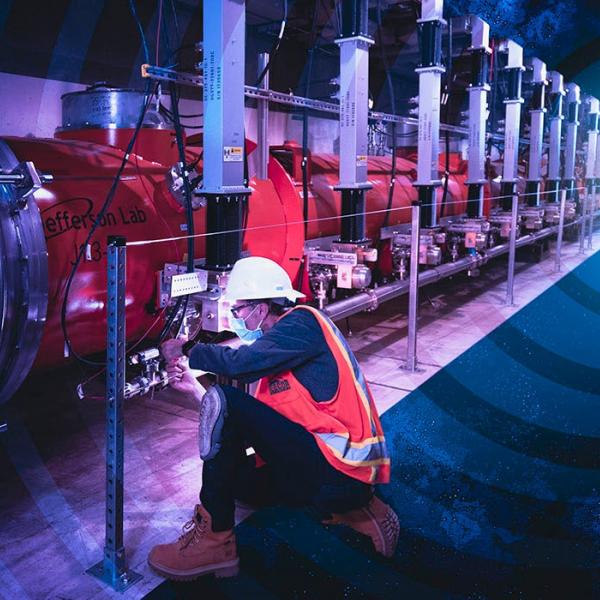
The high-energy upgrade will keep the U.S. at the forefront of X-ray science and technology, allowing researchers to advance fields such as sustainability, human...
Teams at SLAC installed new experimental hutches with cutting-edge instruments that will harness the upgraded facility’s new capabilities and expand the breadth of research...
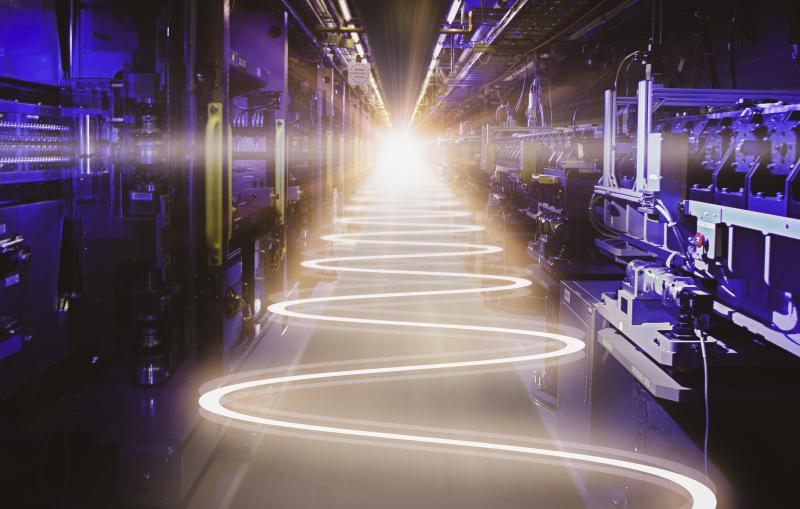
With up to a million X-ray flashes per second, 8,000 times more than its predecessor, it transforms the ability of scientists to explore atomic-scale...
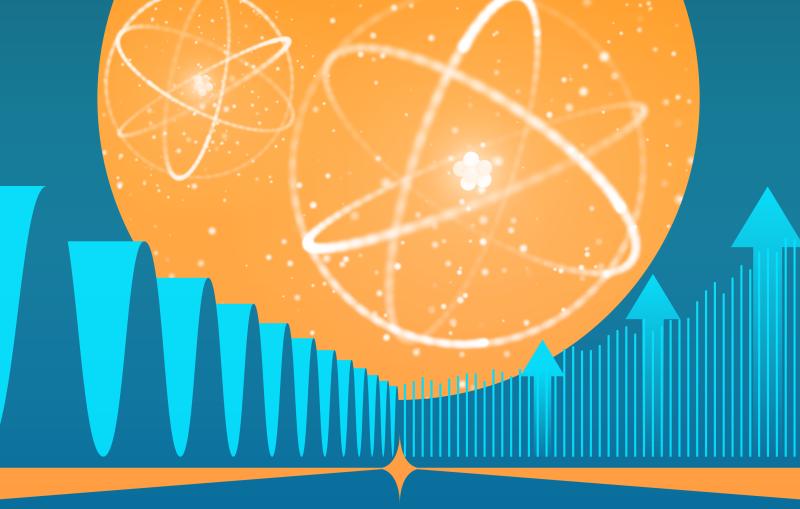
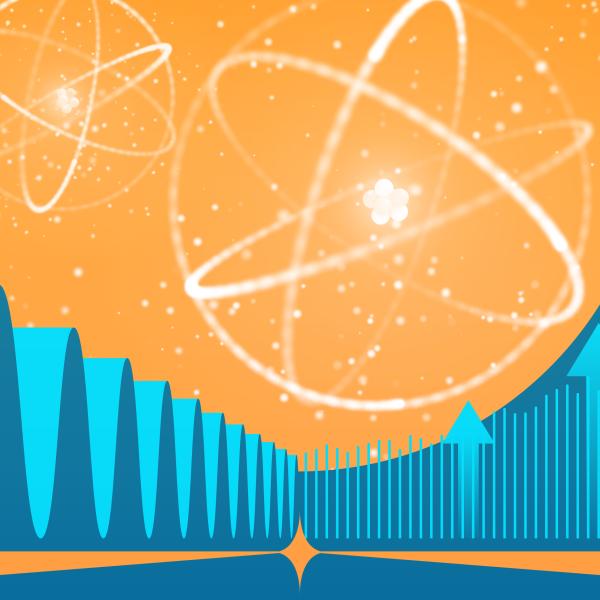
The facility, LCLS-II, will soon sharpen our view of how nature works on ultrasmall, ultrafast scales, impacting everything from quantum devices to clean energy.
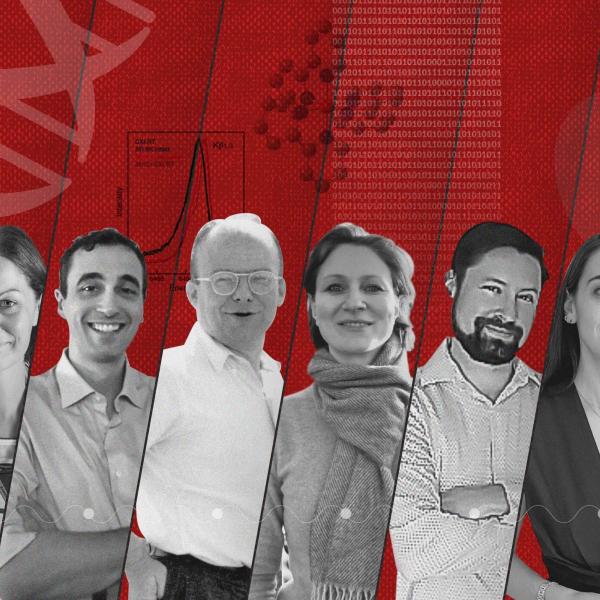
From the invisible world of elementary particles to the mysteries of the cosmos, recipients of this prestigious award for early career scientists explore nature...
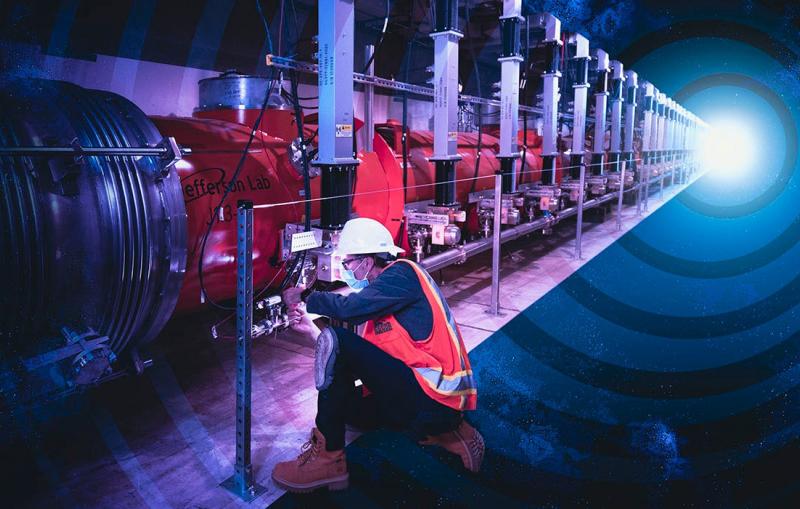
The high-energy upgrade will keep the U.S. at the forefront of X-ray science and technology, allowing researchers to advance fields such as sustainability, human health and quantum information.
Teams at SLAC installed new experimental hutches with cutting-edge instruments that will harness the upgraded facility’s new capabilities and expand the breadth of research done at the facility.
With up to a million X-ray flashes per second, 8,000 times more than its predecessor, it transforms the ability of scientists to explore atomic-scale, ultrafast phenomena that are key to a broad range of applications, from quantum materials to clean...
The facility, LCLS-II, will soon sharpen our view of how nature works on ultrasmall, ultrafast scales, impacting everything from quantum devices to clean energy.
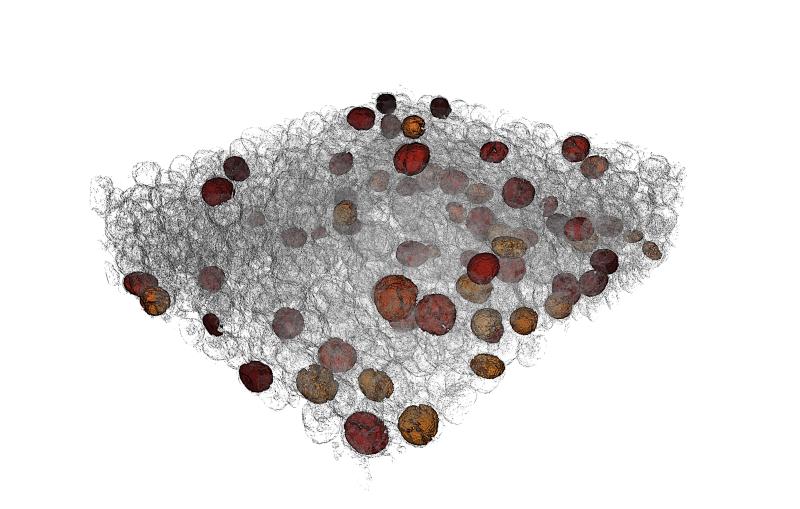
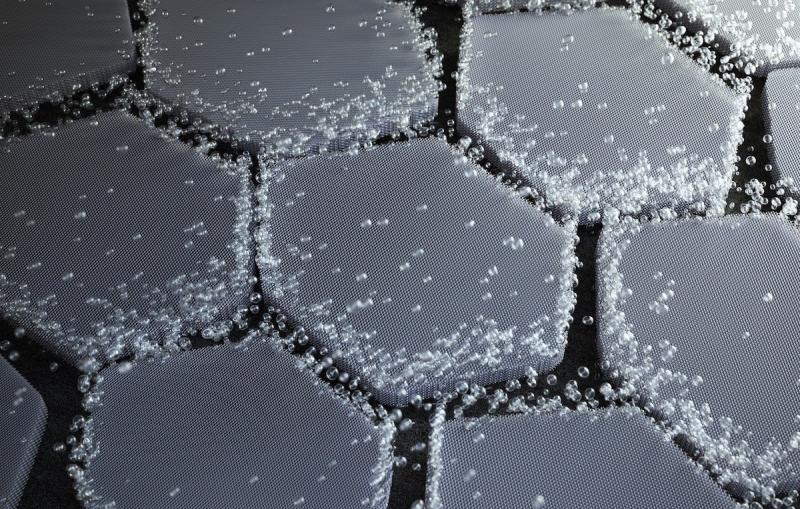
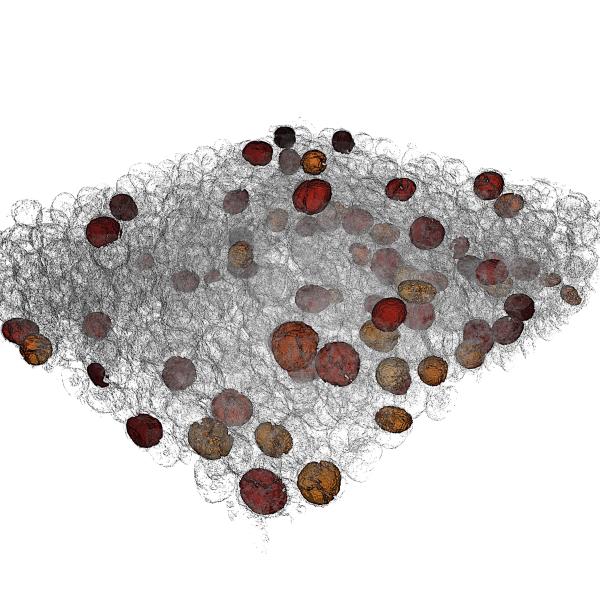
How quickly a battery electrode decays depends on properties of individual particles in the battery – at first. Later on, the network of particles matters more.
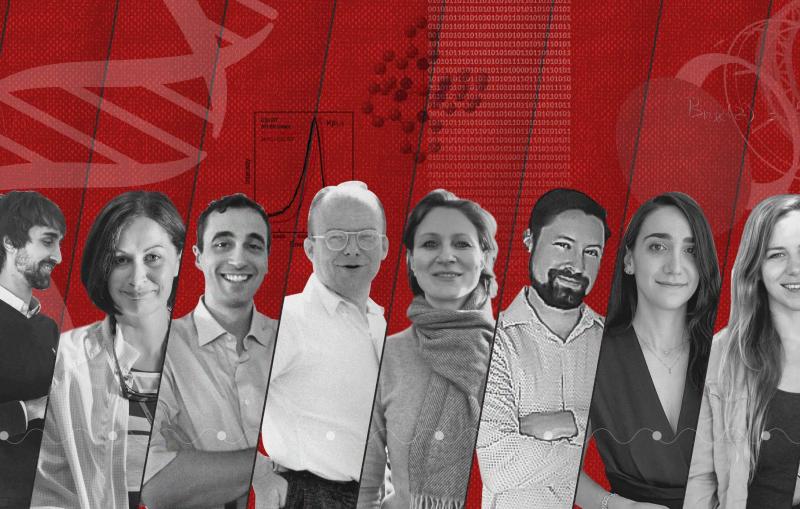
From the invisible world of elementary particles to the mysteries of the cosmos, recipients of this prestigious award for early career scientists explore nature at every level.
With a new suite of tools, scientists discovered exactly how tiny plate-like catalyst particles carry out a key step in that conversion – the evolution of oxygen in an electrocatalytic cell – in unprecedented detail.