SLAC theorists explore particle physics, particle astrophysics and cosmology, including searches for new phenomena, extra dimensions, collider physics, neutrino physics, dark matter and cosmic inflation.
Browse tagged content
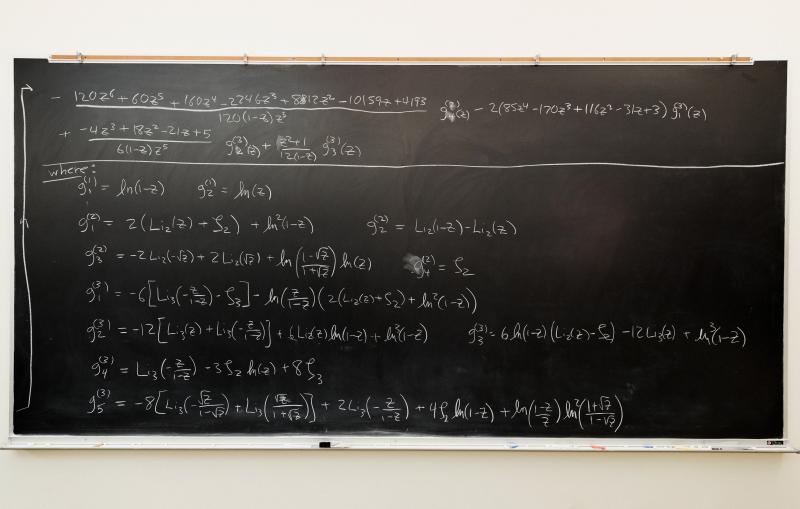
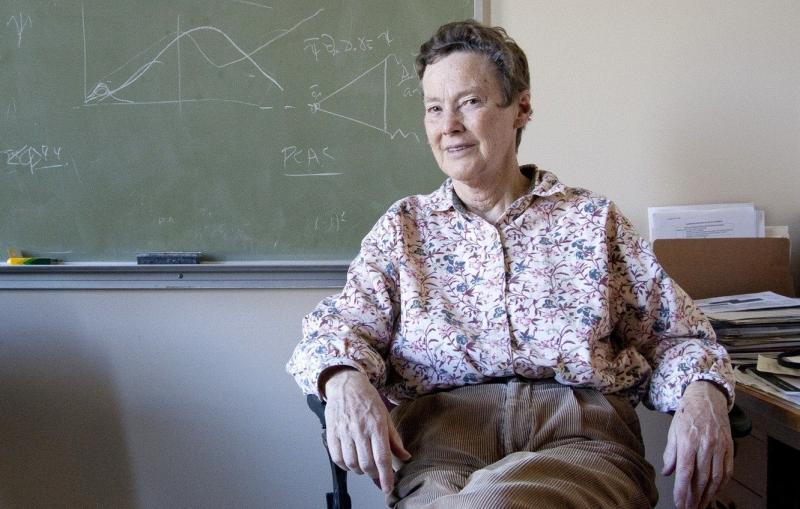
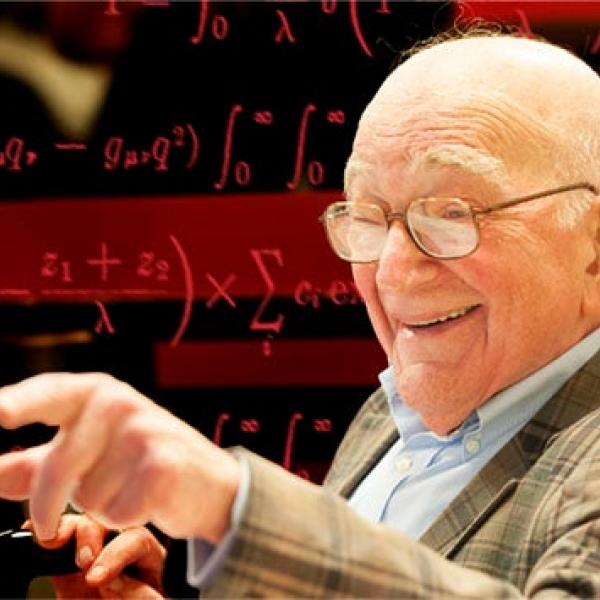
Blackboard with equations.
(SLAC National Accelerator Laboratory)
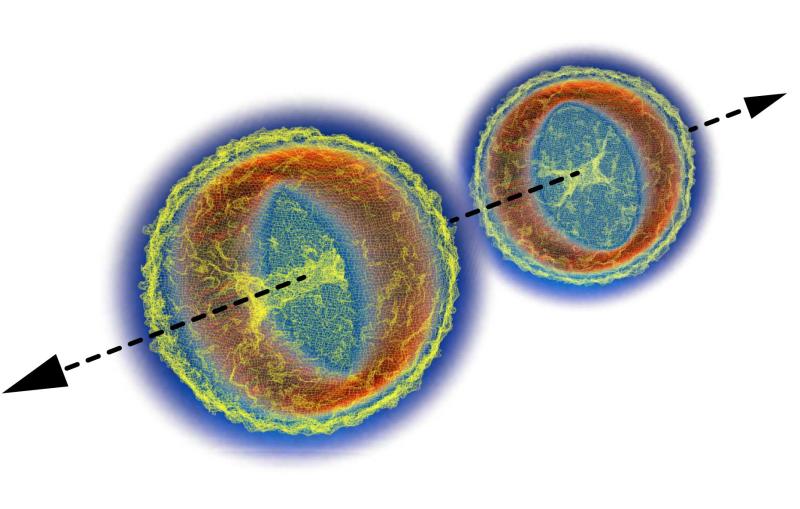
Rebecca Leane and colleagues showed dark matter could heat planets in our galaxy to incredible temperatures. Here, she explains how that works and how...
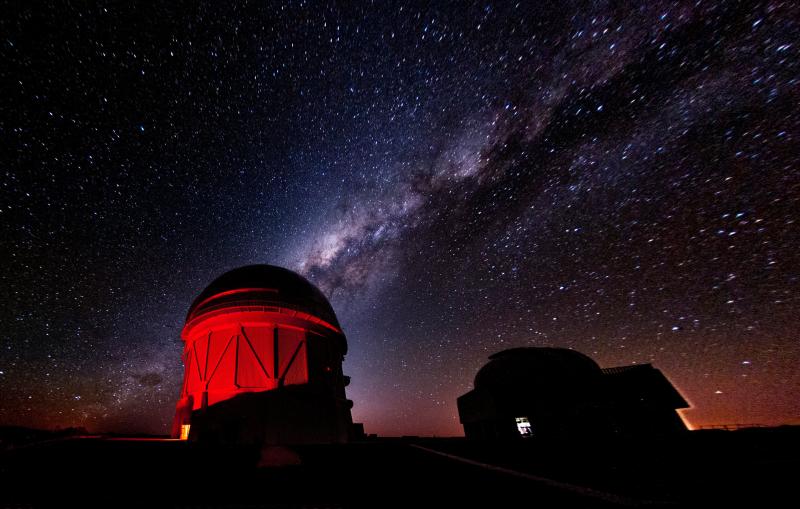
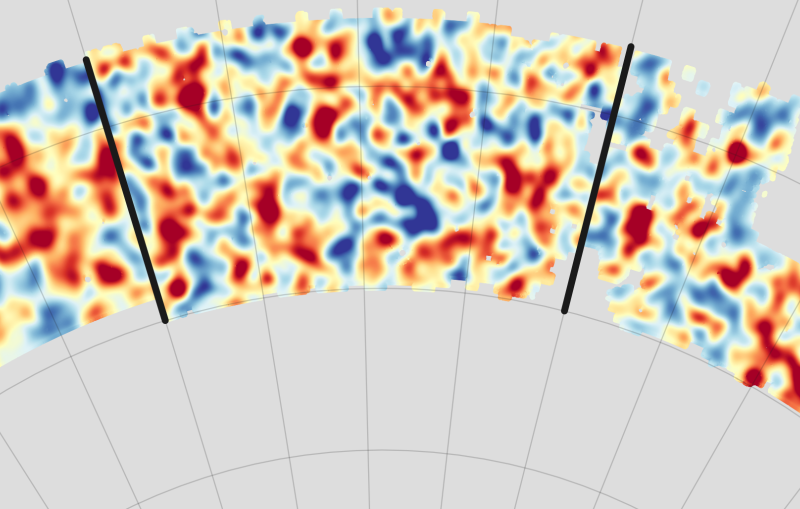
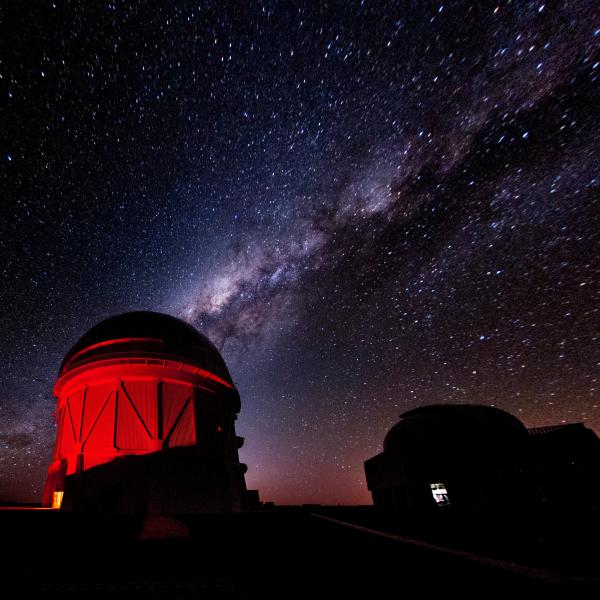
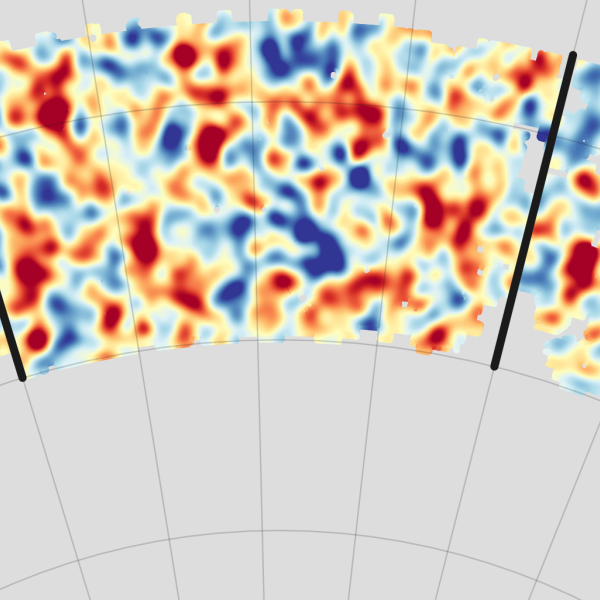
For the first time, DES scientists can combine measurements of the distribution of matter, galaxies, and galaxy clusters to advance our understanding of dark...
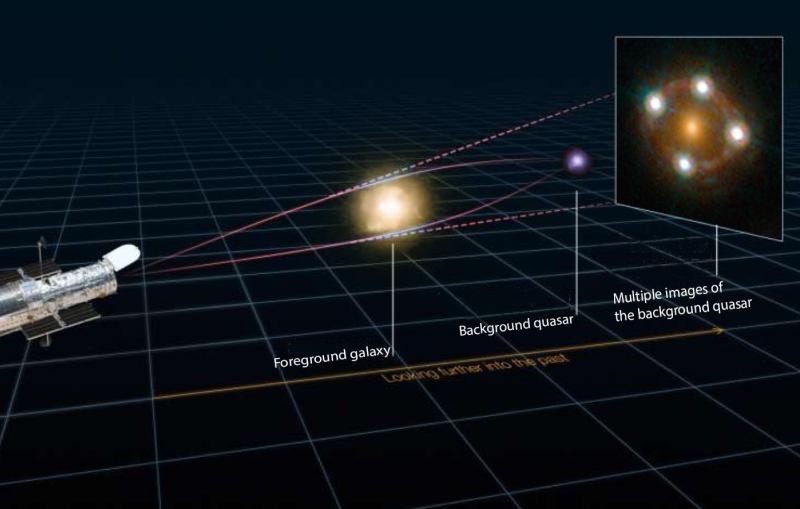
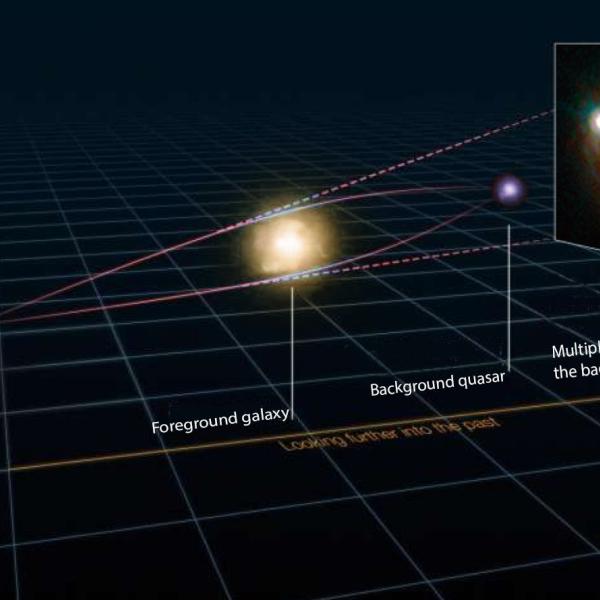
SLAC cosmologists are using multiple images of the same quasars, produced by massive galaxies’ gravitational pull, to calibrate cosmic distances. Their work may help...
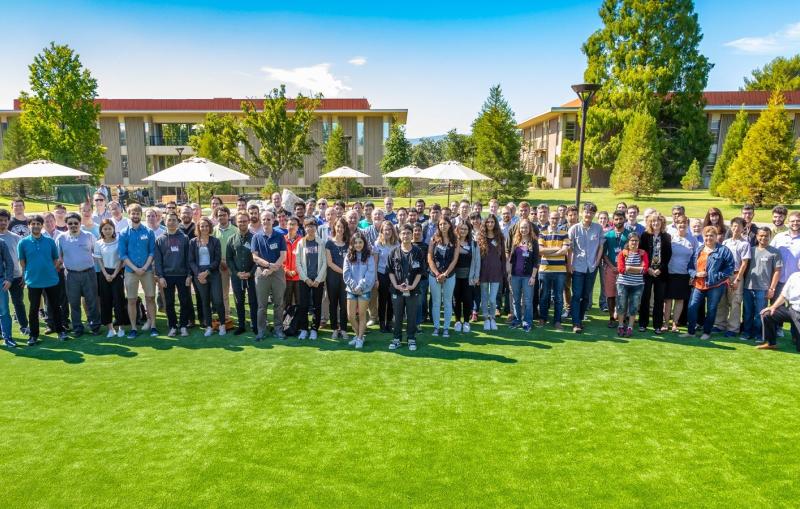
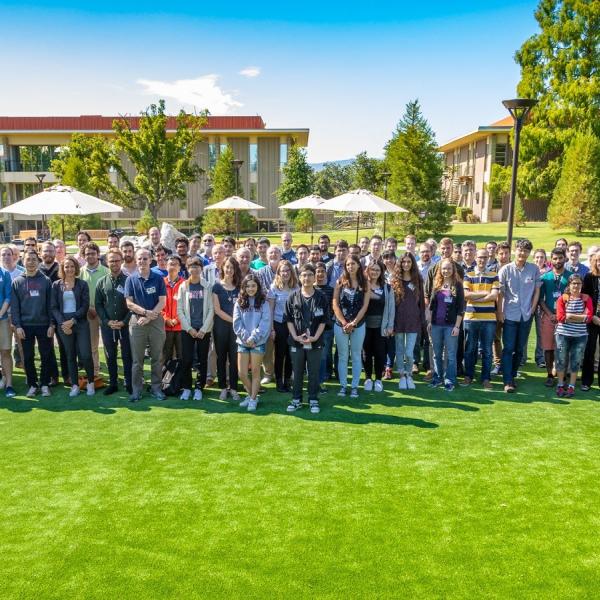
The event attracted 124 participants and explores the successes and challenges of the theory that describes subatomic particles and fundamental forces.
Nearly 200 guests attended a symposium on fundamental physics to celebrate the former deputy director’s numerous scientific contributions, which continue to have a tremendous...
An analysis of the first three years of Dark Energy Survey data is consistent with predictions from the current best model of the universe. Nevertheless, hints remain from DES and other experiments that matter in the current universe is a...
Rebecca Leane and colleagues showed dark matter could heat planets in our galaxy to incredible temperatures. Here, she explains how that works and how it could pave the way for sensitive new searches for the mysterious substance.
For the first time, DES scientists can combine measurements of the distribution of matter, galaxies, and galaxy clusters to advance our understanding of dark energy.
SLAC cosmologists are using multiple images of the same quasars, produced by massive galaxies’ gravitational pull, to calibrate cosmic distances. Their work may help resolve long-standing debates about how quickly the universe is expanding.
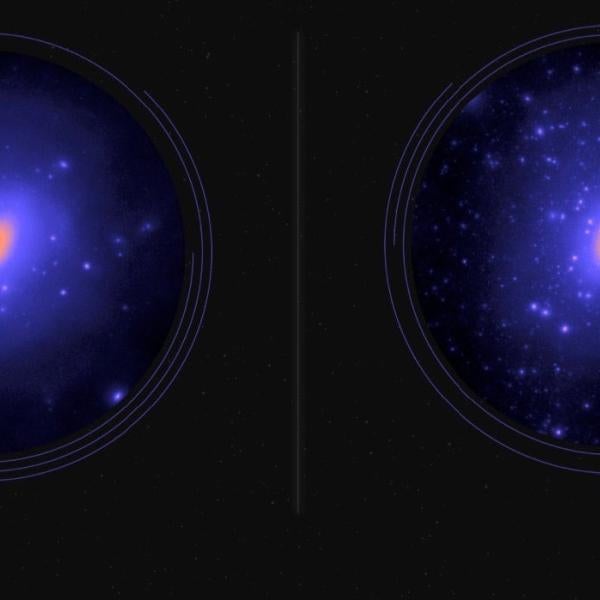
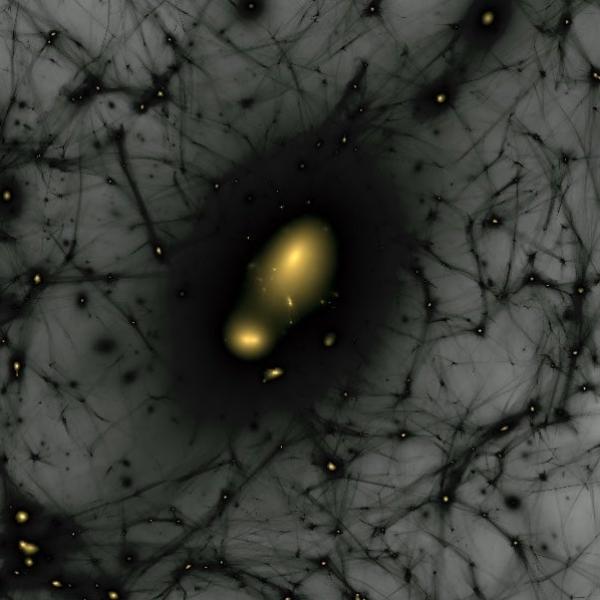
Just like we orbit the sun and the moon orbits us, the Milky Way has satellite galaxies with their own satellites. Drawing from data on those galactic neighbors, a new model suggests the Milky Way should have an additional 100...
The event attracted 124 participants and explores the successes and challenges of the theory that describes subatomic particles and fundamental forces.
Nearly 200 guests attended a symposium on fundamental physics to celebrate the former deputy director’s numerous scientific contributions, which continue to have a tremendous impact on our understanding of the subatomic world.