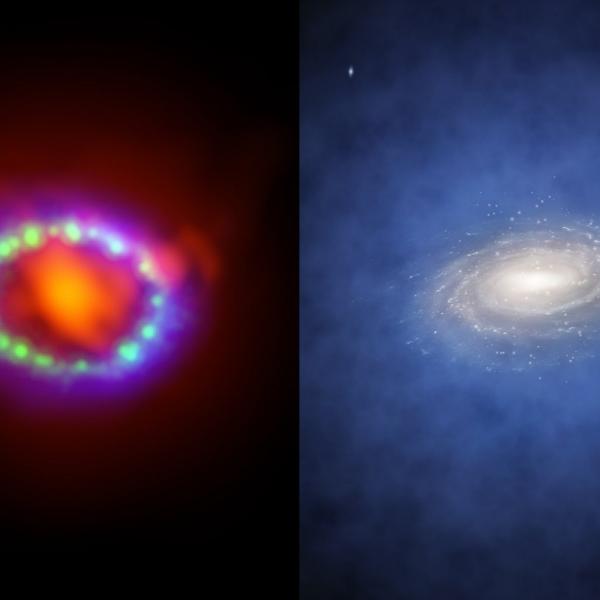
SLAC theorists explore particle physics, particle astrophysics and cosmology, including searches for new phenomena, extra dimensions, collider physics, neutrino physics, dark matter and cosmic inflation.
Browse tagged content
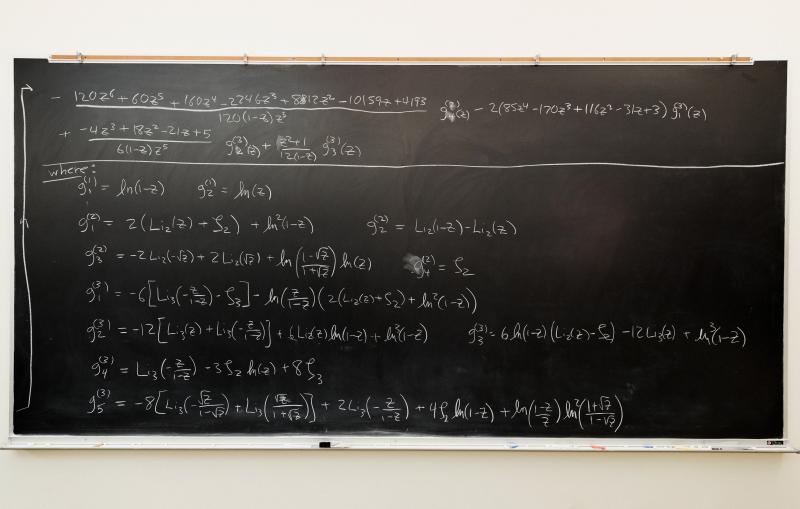
Blackboard with equations.
(SLAC National Accelerator Laboratory)
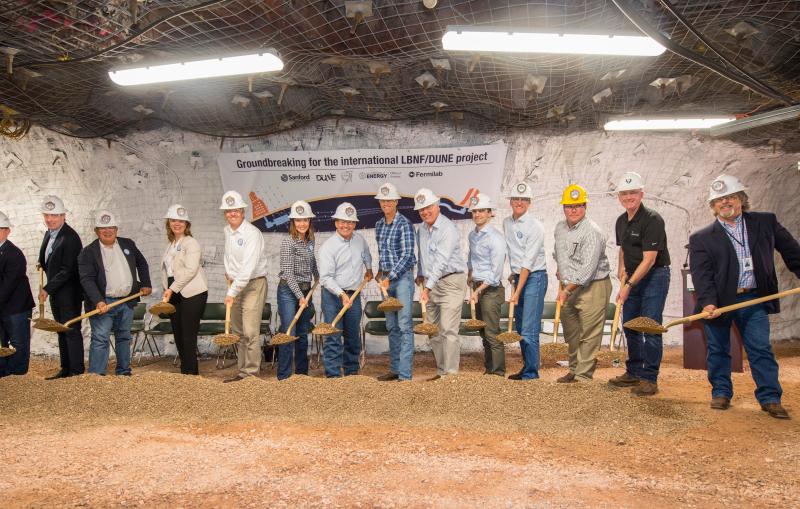
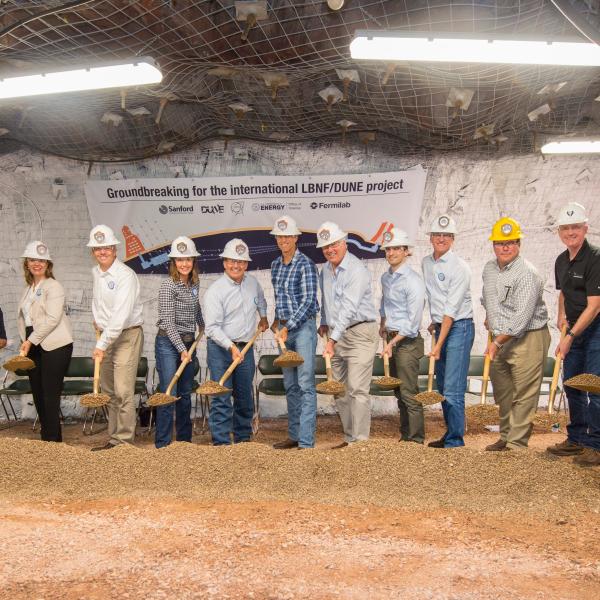
A unique groundbreaking ceremony marked the start of construction of the Long-Baseline Neutrino Facility – future home of the Deep Underground Neutrino Experiment, which...
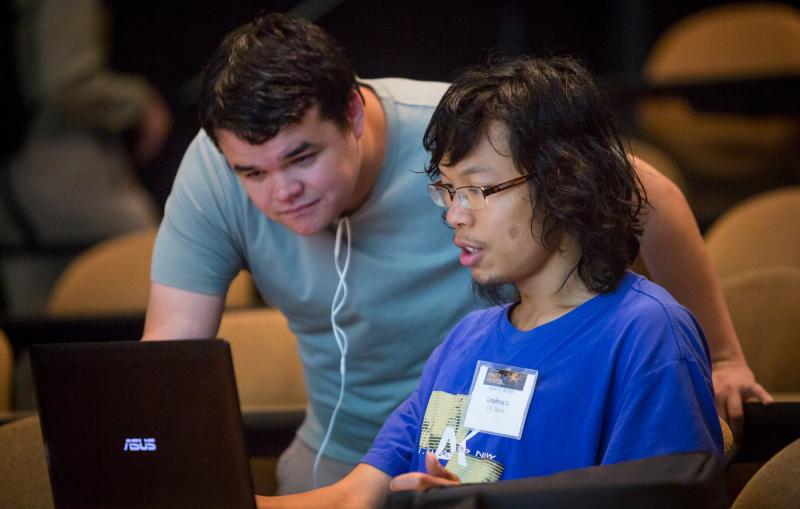
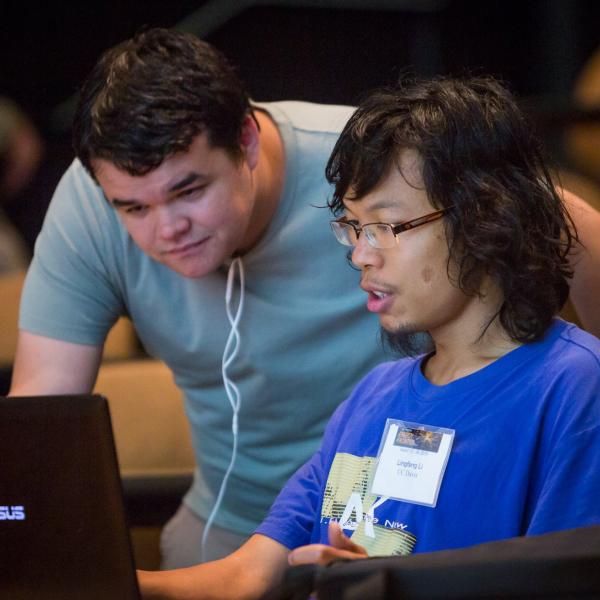
Participants of SLAC’s summer school learned about the next generation of collider physics through lectures, topical conference talks, student projects, poster sessions and tours.
A unique groundbreaking ceremony marked the start of construction of the Long-Baseline Neutrino Facility – future home of the Deep Underground Neutrino Experiment, which promises to shed new light on how the universe works and why matter exists.
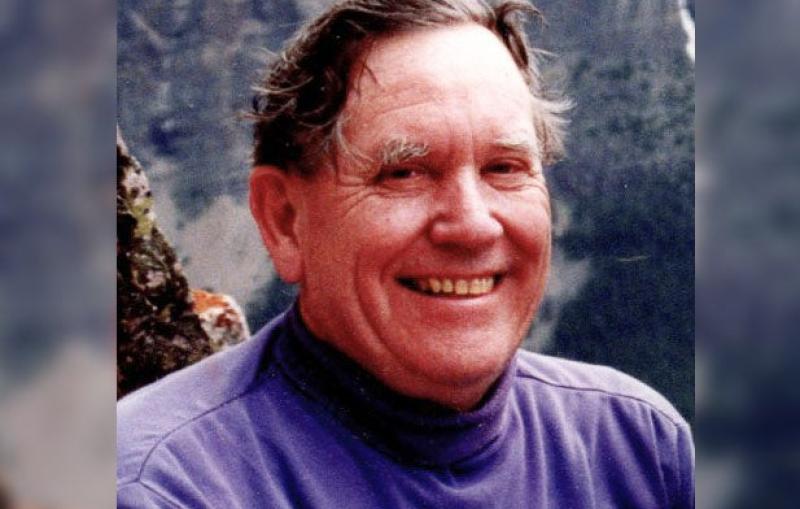
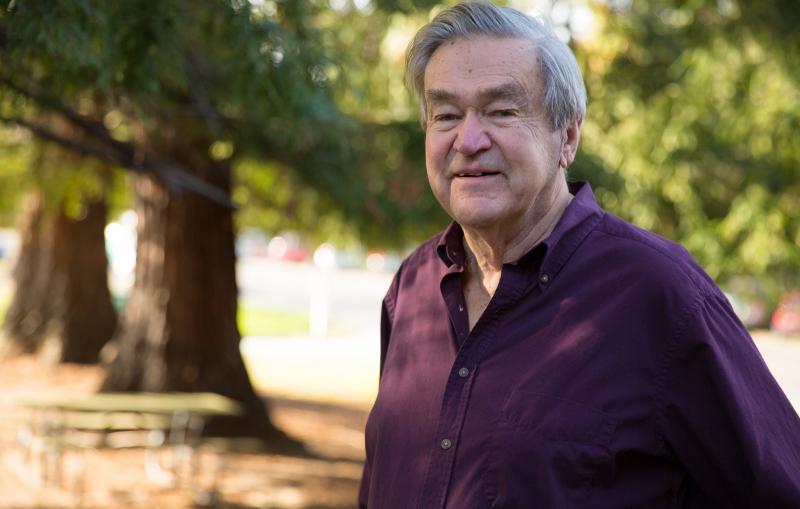
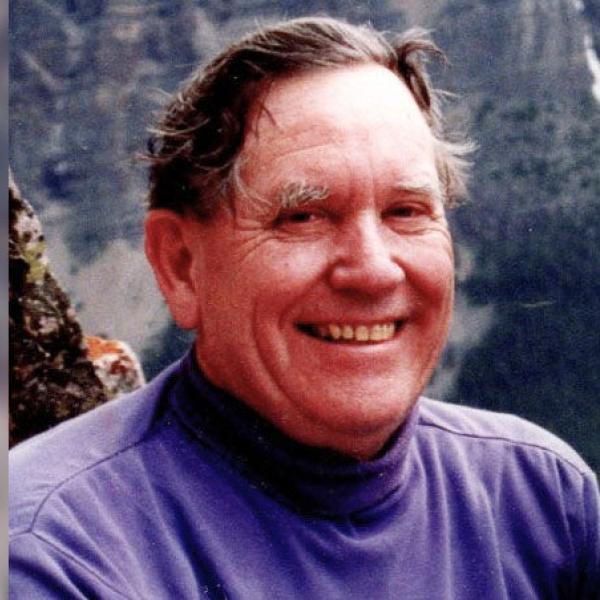
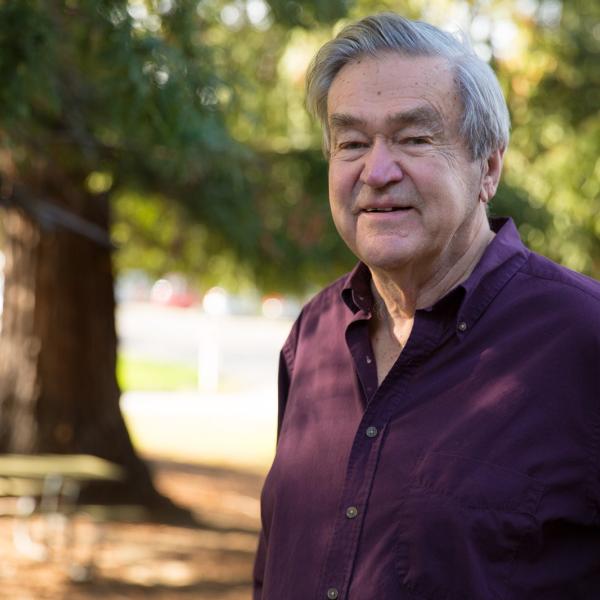
H. Pierre Noyes, the first director of SLAC's Theory Group, died in Stanford on Sept. 30, 2016, at age 92. Noyes, a theoretical physicist, leaves behind a legacy of distinctive academic work and activism.
The prize, shared with Sekazi Mtingwa and Anton Piwinski, honors theoretical work that helped sharpen the focus of beams at a wide variety of particle accelerators.
Participants of SLAC’s summer school learned about the next generation of collider physics through lectures, topical conference talks, student projects, poster sessions and tours.