SLAC topics

Superconductivity RSS feed

Superconductivity is the property of certain materials to conduct electricity without energy loss when they are cooled below a critical temperature.

DOE explains...superconductivity

Browse tagged content

LCLS-II cooldown illustration.
Feature

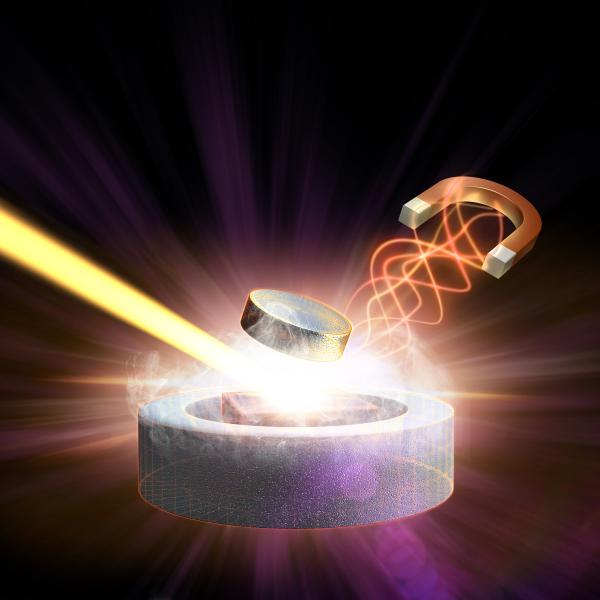
Understanding strontium titanate’s odd behavior will aid efforts to develop materials that conduct electricity with 100 percent efficiency at higher temperatures.

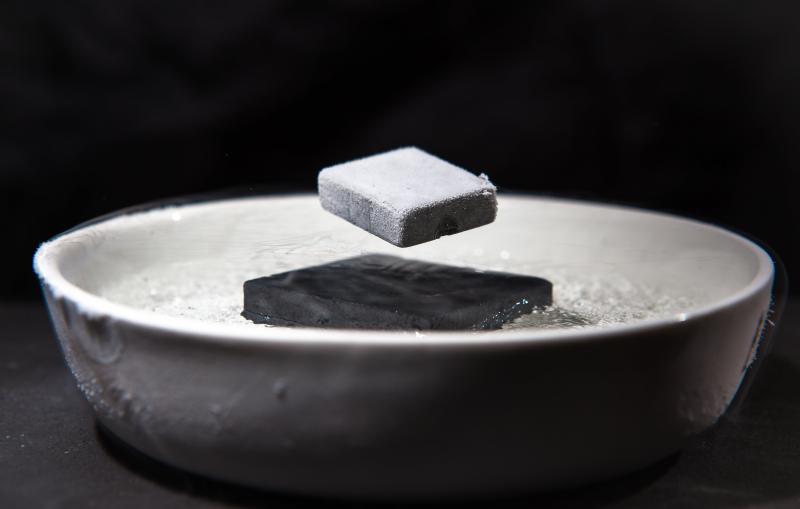
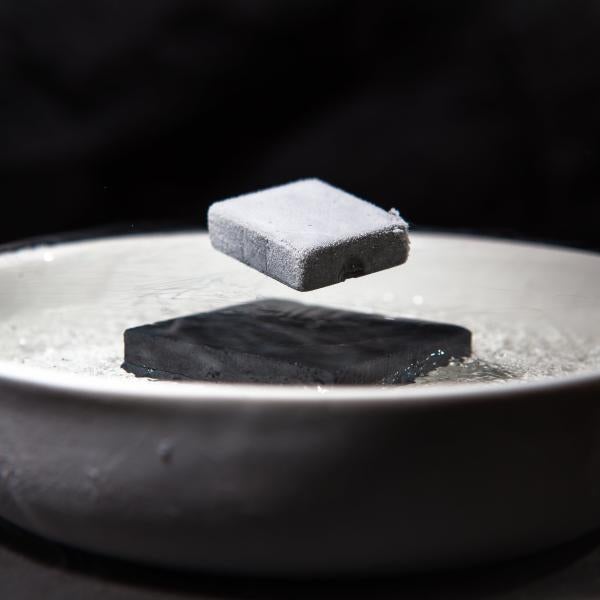
Image of magnet floating above a superconducting material
Feature

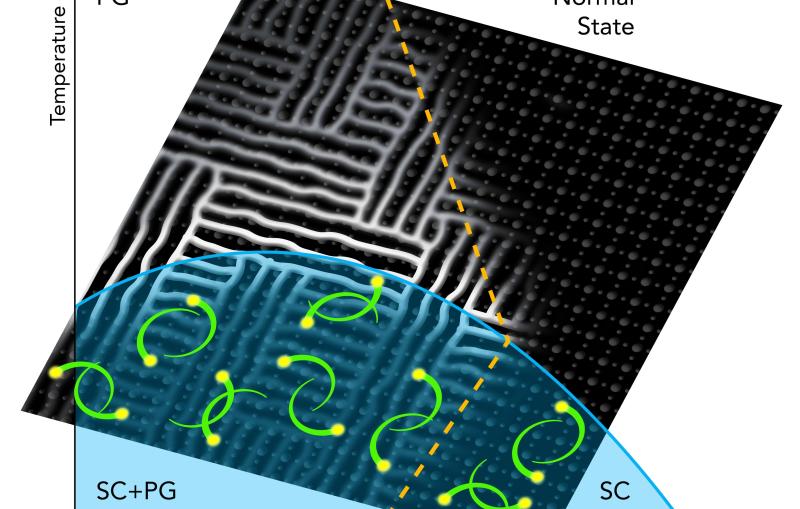
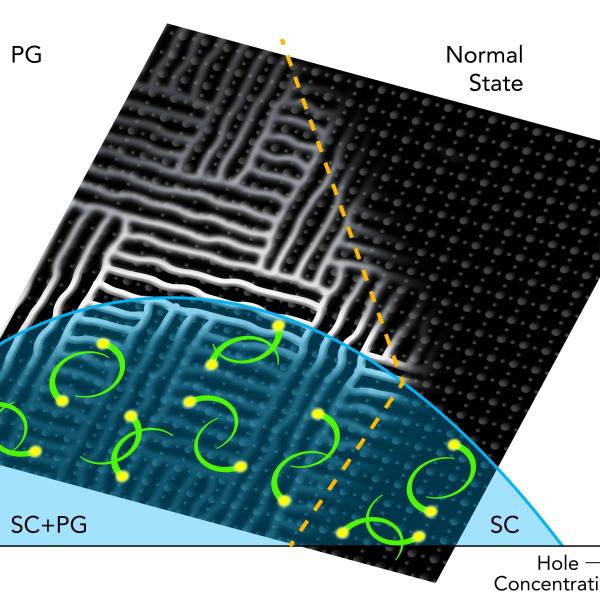
These stripes of electron spin and charge are exciting because of their possible link to a phenomenon that could transform society by making electrical...

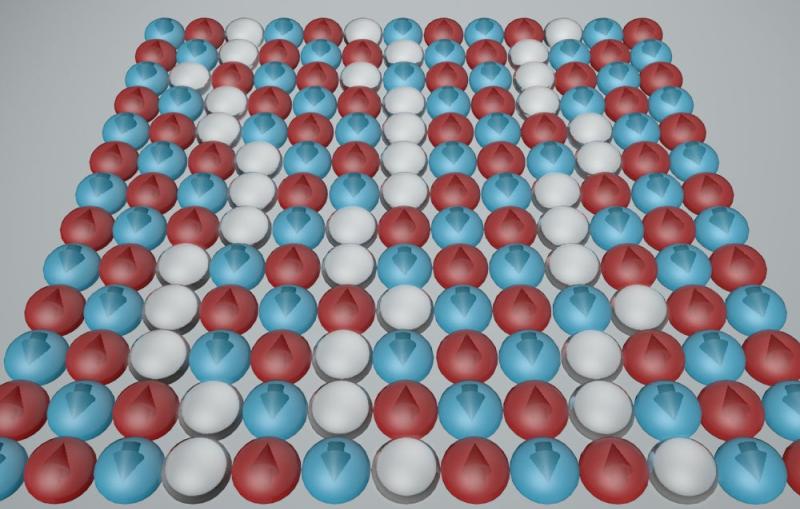
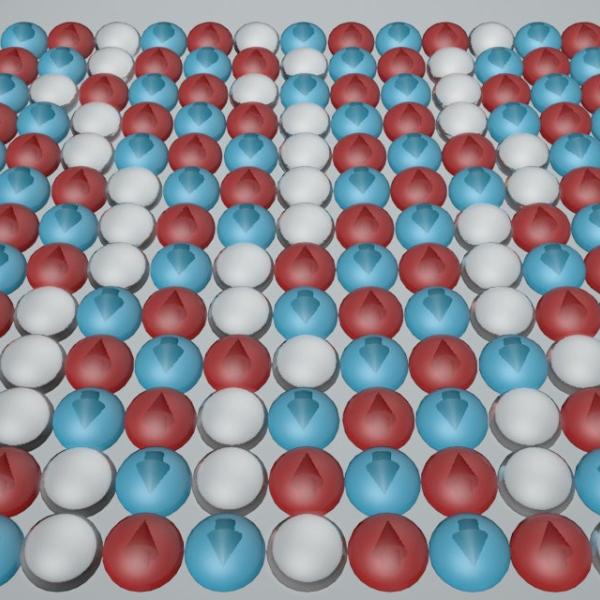
Illustration of spin and charge stripes modeled by computer
News Release

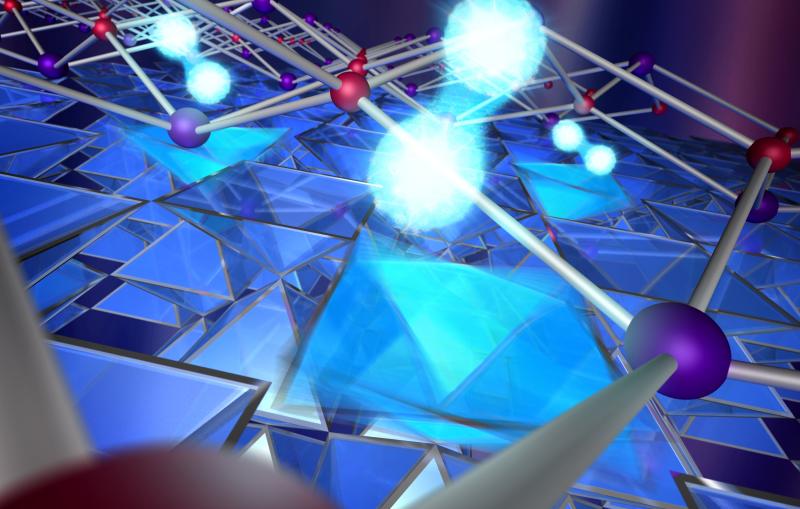
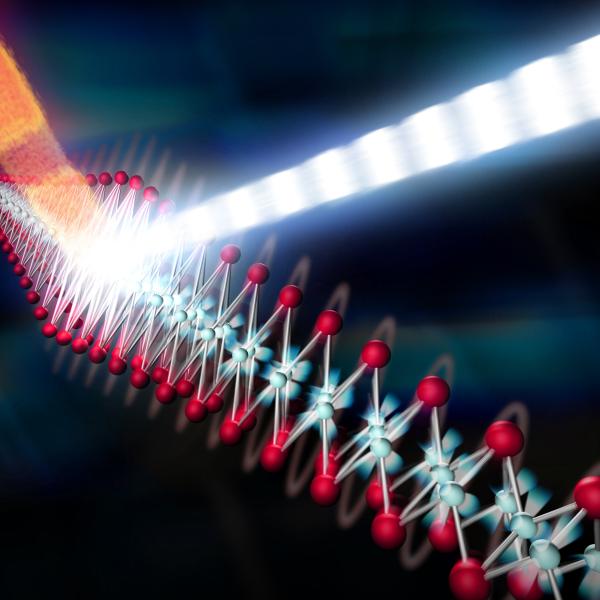
Extraordinarily precise measurements -- within millionths of a billionth of a second and a billionth of a hair's breadth -- show this ‘electron-phonon coupling’...

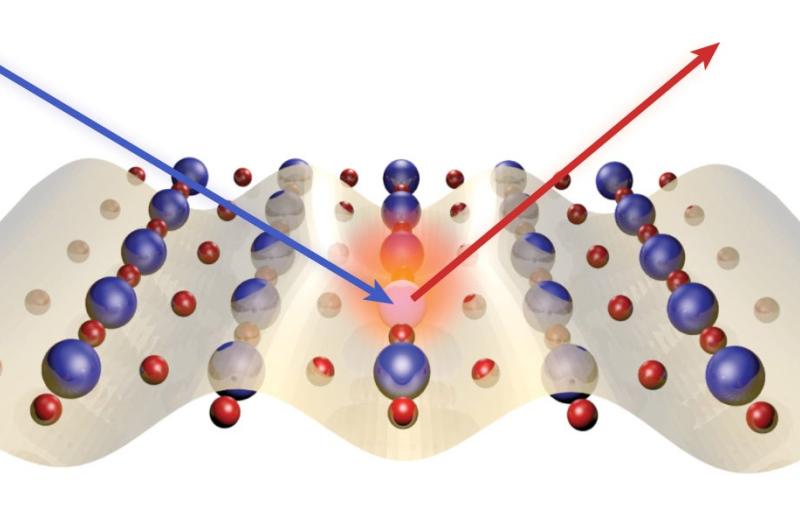
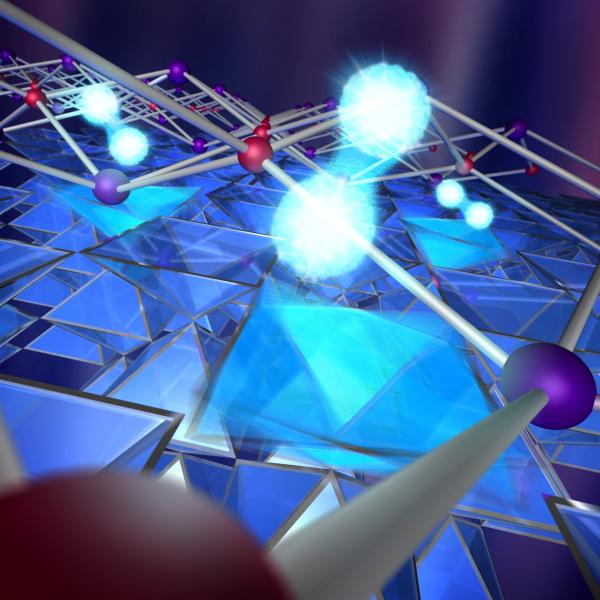
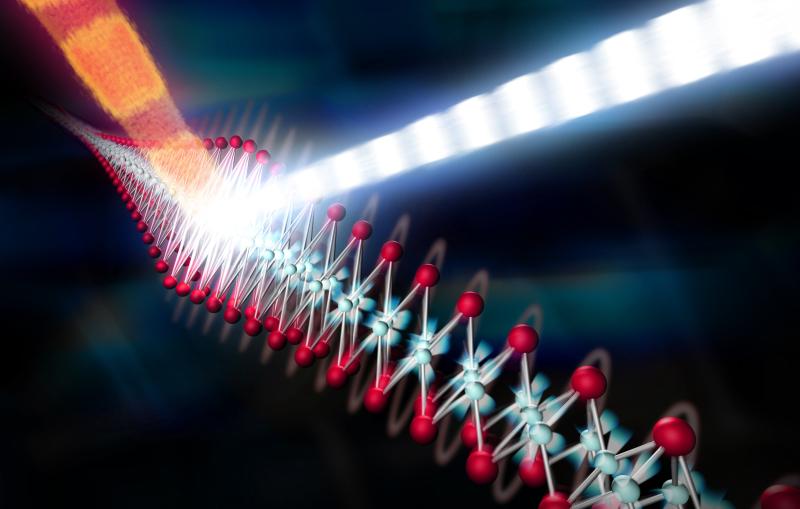
Illustration of a laser beam triggering atomic vibrations in iron selenide
Feature

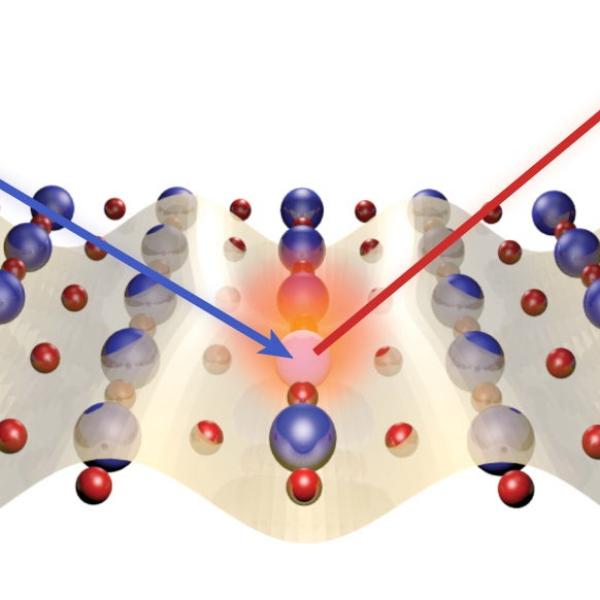
Propagating “charge density wave” fluctuations are seen in superconducting copper oxides for the first time.

Illustration of electronic behavior in copper oxide materials
Feature

The award honors his work on a world-class experimental station at SLAC's Stanford Synchrotron Radiation Lightsource.

News Release

A team led by SLAC scientists combined powerful magnetic pulses with some of the brightest X-rays on the planet to discover a surprising 3-D...

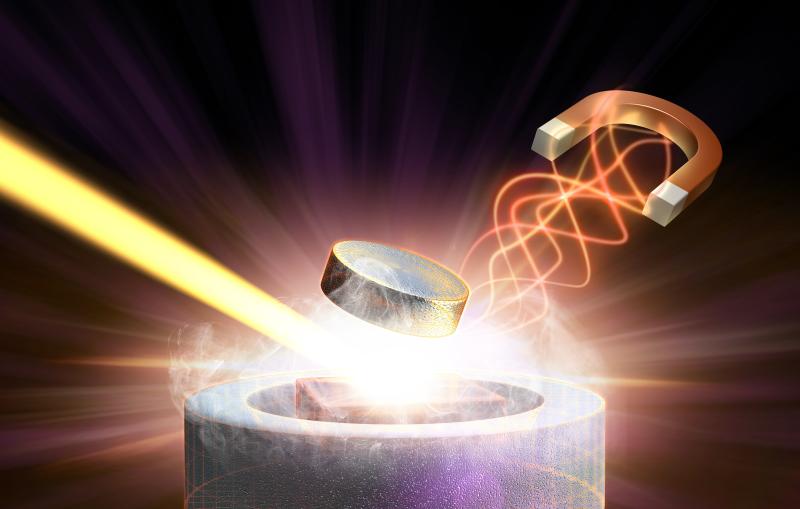
Image - In this artistic rendering, a magnetic pulse (right) and X-ray laser light (left) converge on a superconductor material to study the behavior of its electrons. (SLAC National Accelerator Laboratory)
Feature

SLAC study shows the so-called ‘pseudogap’ hoards electrons that otherwise might pair up to carry current through a material with 100 percent efficiency.

Feature

An experiment at SLAC provided the first fleeting glimpse of the atomic structure of a material as it entered a state resembling room-temperature superconductivity...

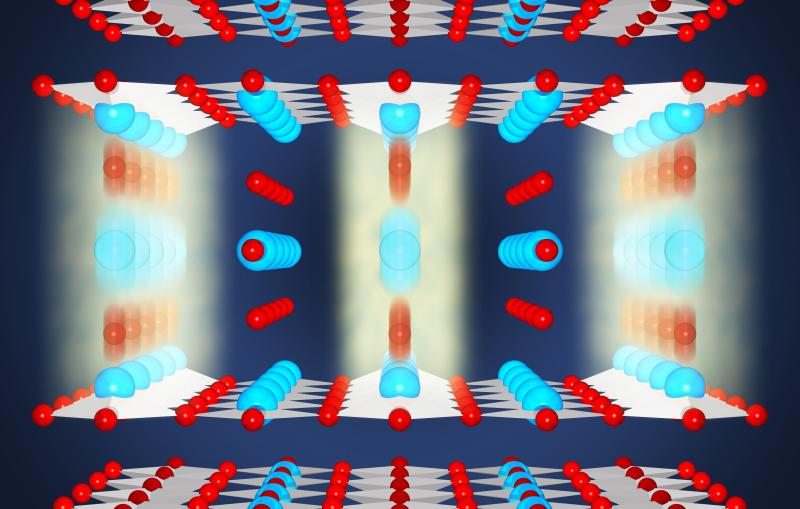
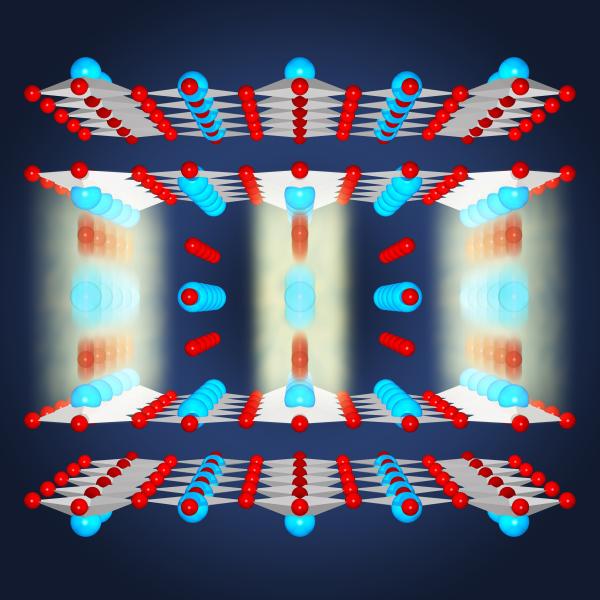
Image - In a high-temperature superconducting material known as YBCO, light from a laser causes oxygen atoms to vibrate between layers of copper oxide in a way that favors superconductivity.
News Release

A study at the Department of Energy’s SLAC National Accelerator Laboratory suggests for the first time how scientists might deliberately engineer superconductors that work...

Feature

Ultimate Goal: A Super-efficient Way to Conduct Electricity at Room Temperature

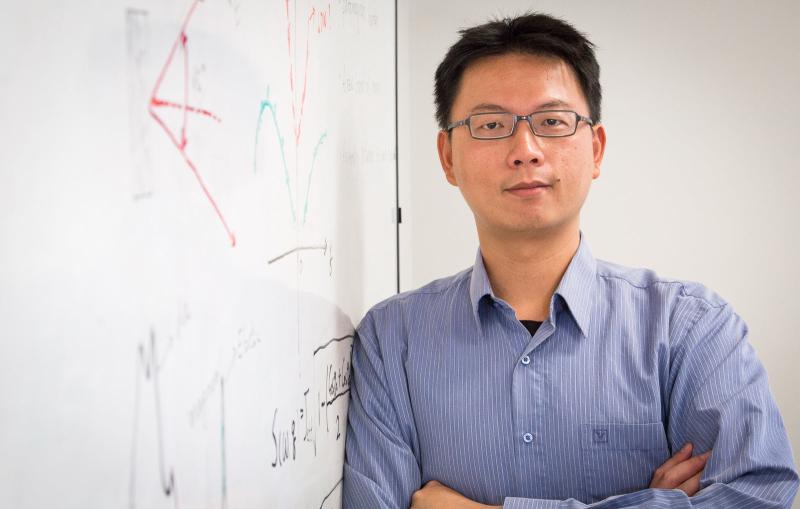
SLAC Staff Scientist Wei-sheng Lee
Feature

Scientists at SLAC and Stanford show how high-temperature superconductivity emerges out of magnetism in an iron pnictide, a class of materials with great potential...

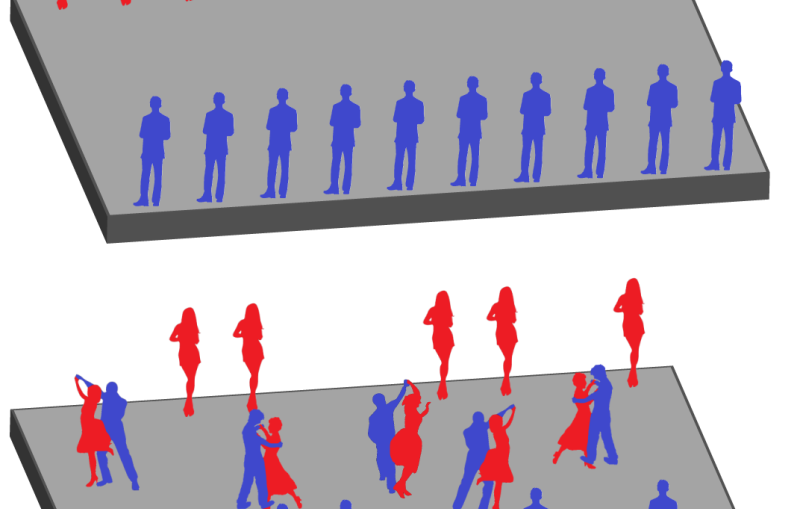
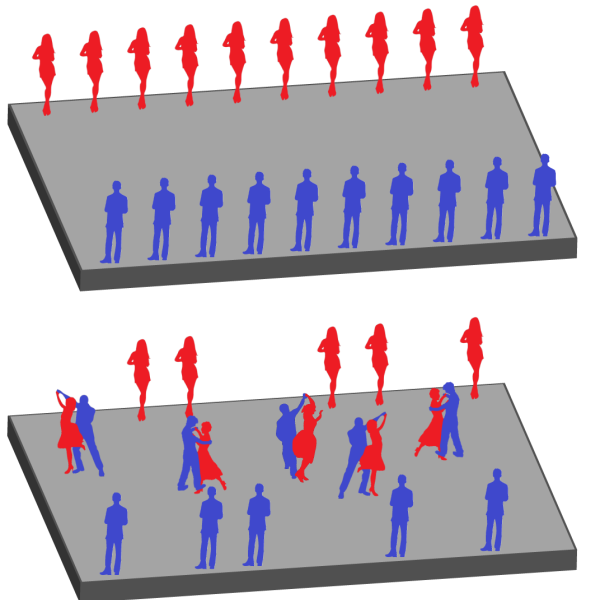
An illustration of electrons pairing up like dancers at a party
Feature

A new study, based on an experiment at SLAC's X-ray laser, pins down a major factor behind the appearance of superconductivity—the ability to conduct...

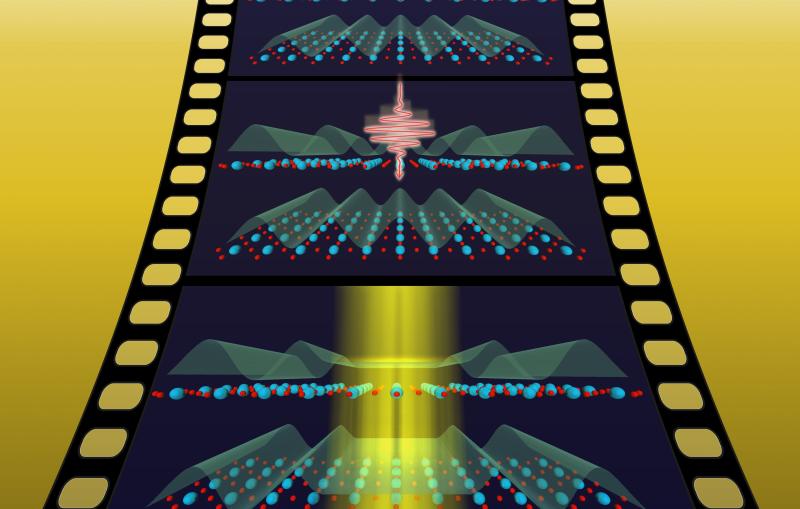
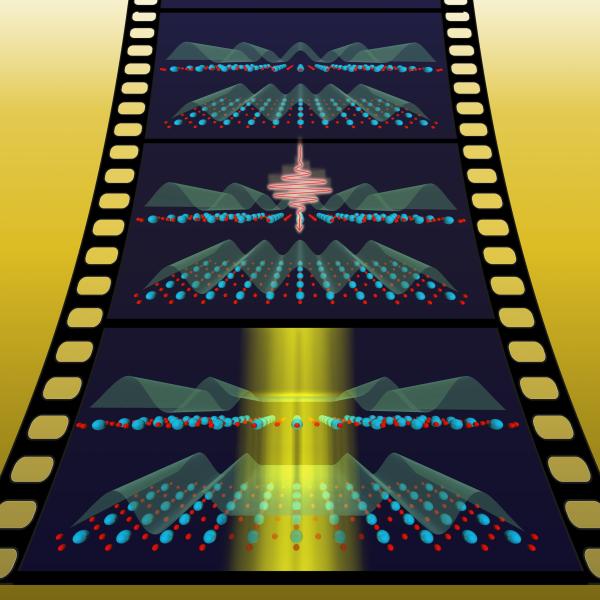
Image - In this illustration, stripes of charge run in perpendicular "ripples" between the copper-oxide layers of a material (top). When a mid-infrared laser pulse strikes the material, it "melts" these ripples and induces superconductivity.