
SLAC topics

Superconductivity RSS feed

Superconductivity is the property of certain materials to conduct electricity without energy loss when they are cooled below a critical temperature.

DOE explains...superconductivity

Browse tagged content

LCLS-II cooldown illustration.
news collection

An upgrade to SLAC’s renowned Linac Coherent Light Source will allow it to deliver X-ray laser beams that are 10,000 times brighter with pulses that arrive up to a million times per second.

collage of LCLS-II milestones
Feature

Waves of magnetic excitation sweep through this exciting new material whether it’s in superconducting mode or not – another possible clue to how unconventional...

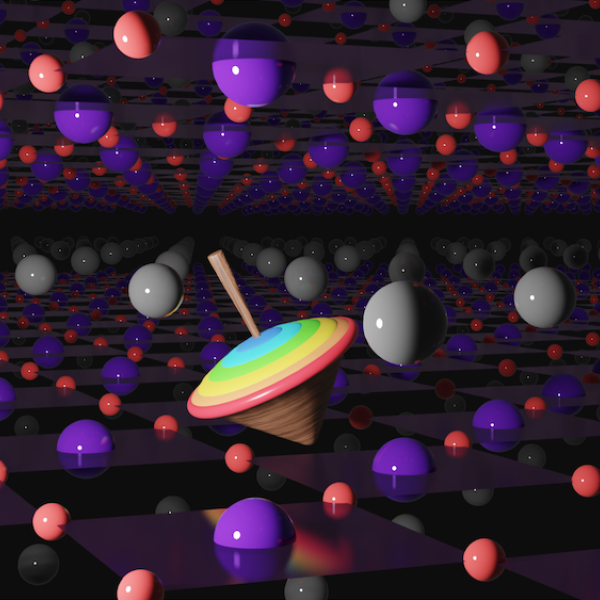
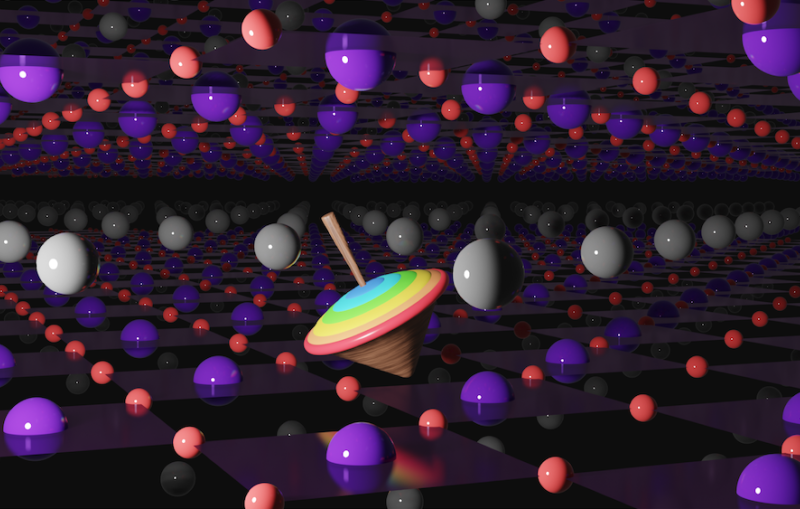
A brightly colored top is seen spinning between two layers of gray, purple and red spheres representing atoms in a nickel oxide superconductor.
Illustration

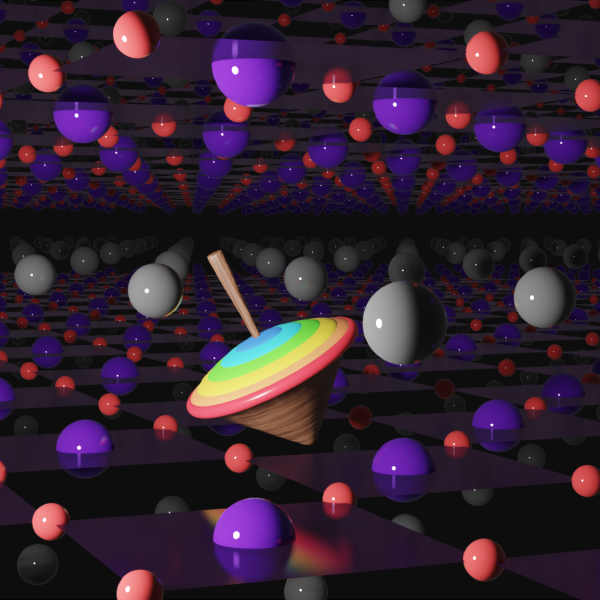
A muon, center, spins like a top within the atomic lattice of a thin film of superconducting nickelate.
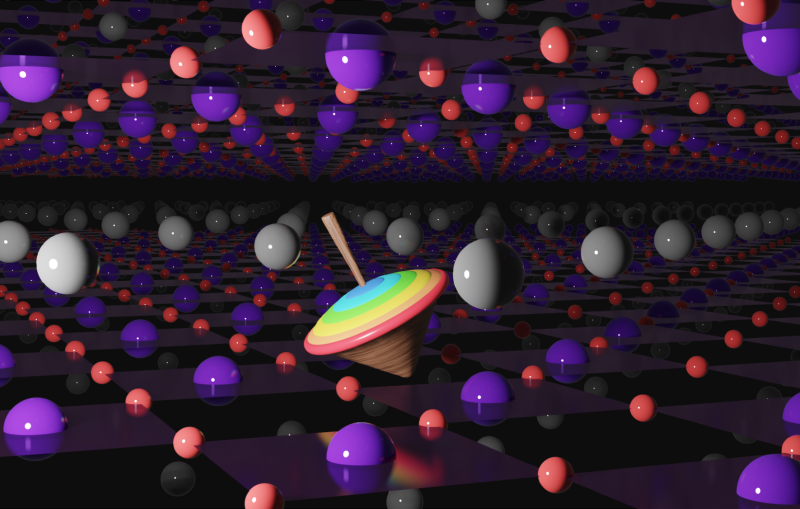
A brightly colored top is seen spinning between two layers of gray, purple and red spheres representing atoms in a nickel oxide superconductor.  The top represents a fundamental particle called a muon.
Feature

Researchers discover they contain a phase of quantum matter, known as charge density waves, that’s common in other unconventional superconductors. In other ways, though...

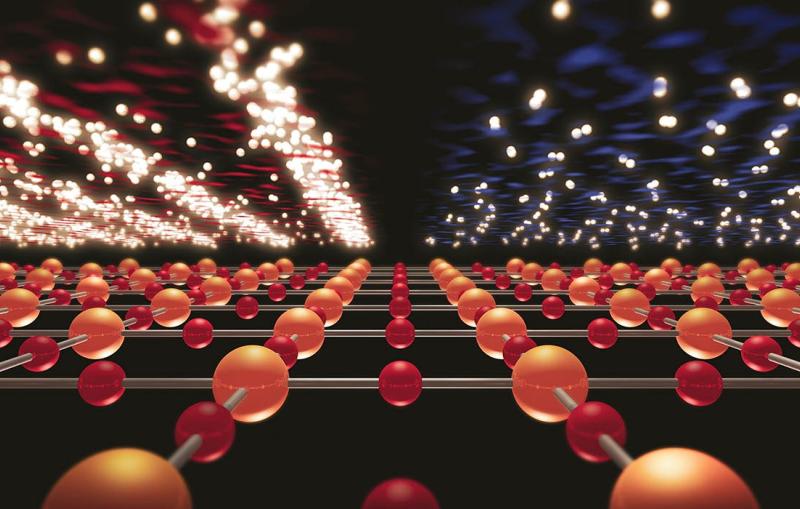
Artist's illustration shows quantum states called superconductivity and charge density waves atop an atomic lattice of balls and sticks
Feature

Scientists discover superconductivity and charge density waves are intrinsically interconnected at the nanoscopic level, a new understanding that could help lead to the next...

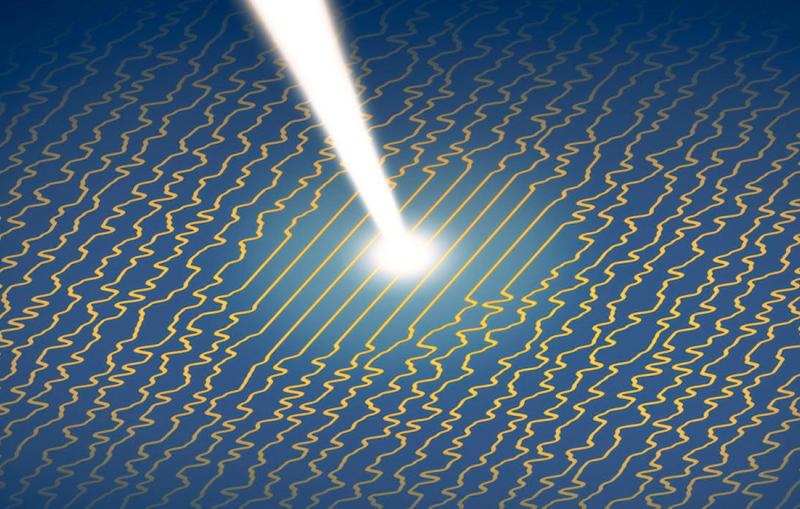
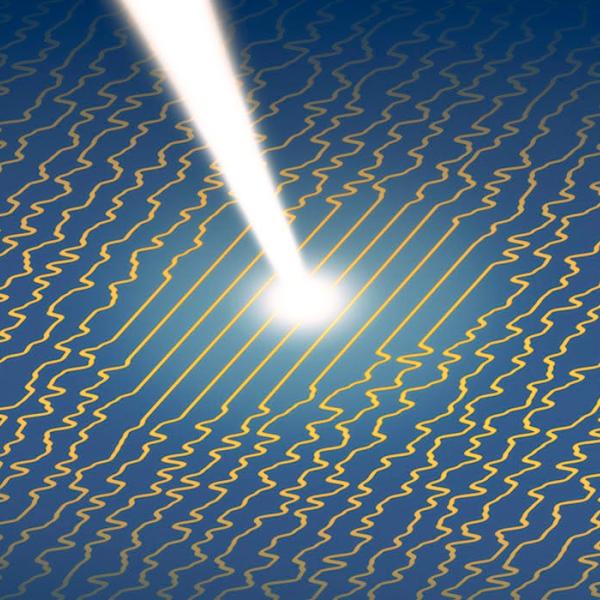
A beam of light lands on a series of squiggly lines. Where the beam lands, the lines are straight.
Illustration

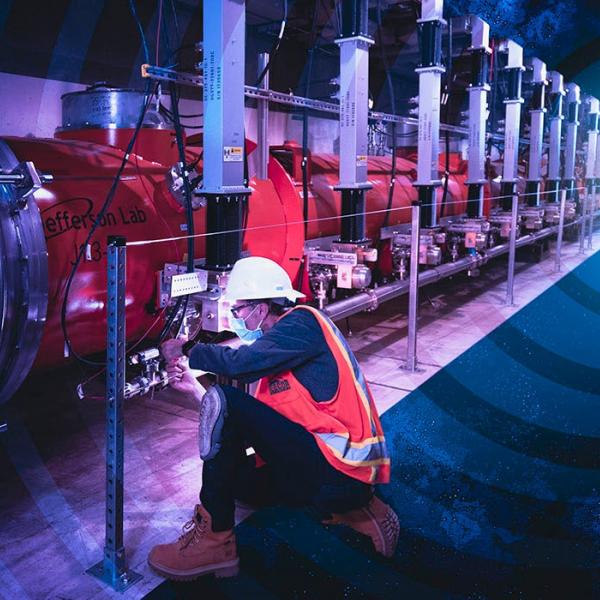
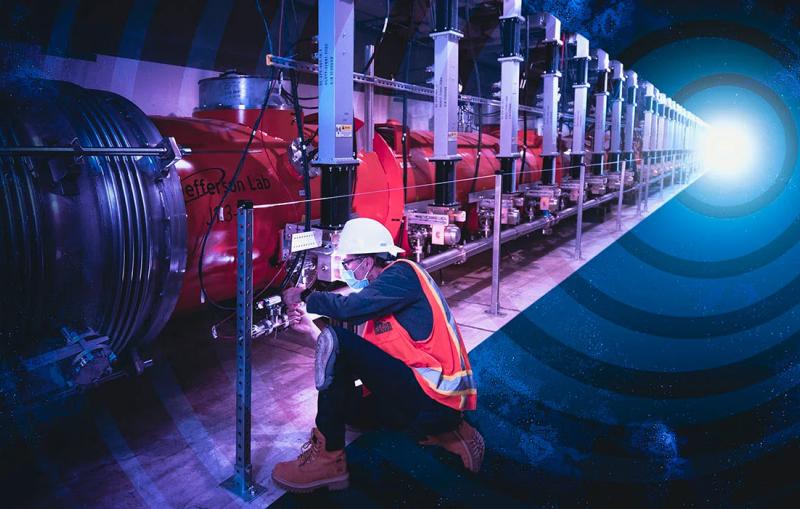
A half-mile-long stretch of tunnel in Menlo Park, California is now colder than most of the universe.

LCLS-II cooldown
Feature

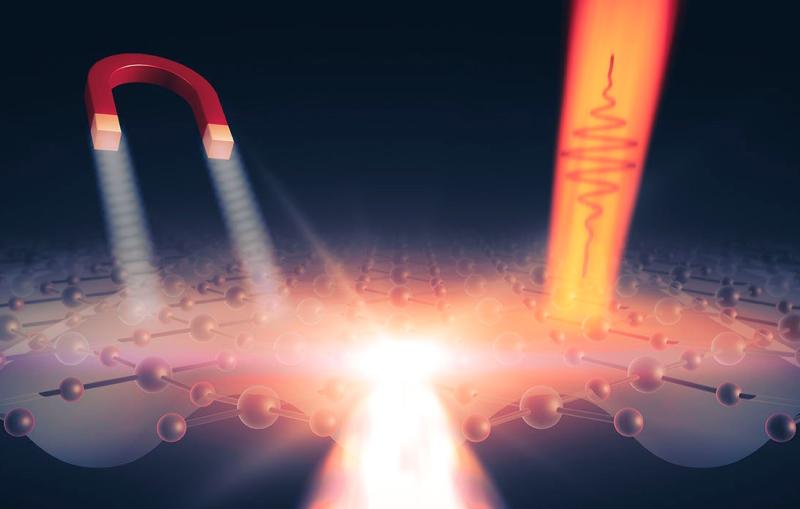
Scientists discover that triggering superconductivity with a flash of light involves the same fundamental physics that are at work in the more stable states...

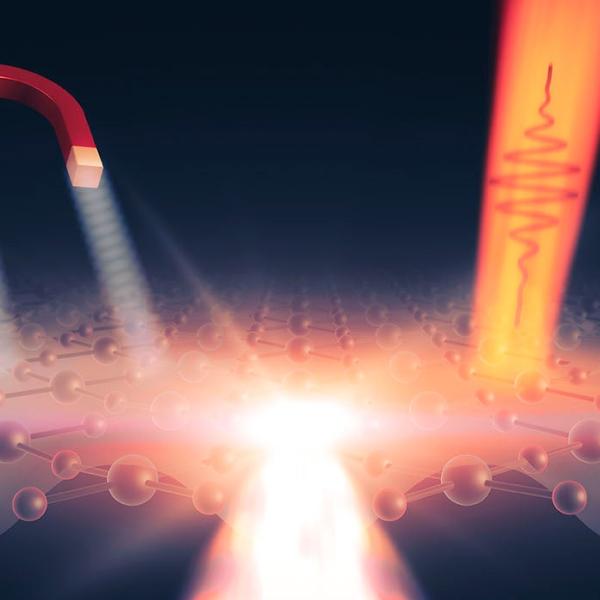
Exposing the material to a magnetic field
Feature

The results cap 15 years of detective work aimed at understanding how these materials transition into a superconducting state where they can conduct electricity...

Conceptual illlustration showing a beam of light entering from the right and hitting a material, ejecting a sphere representing an electron
Feature

Spawned by the spins of electrons in magnetic materials, these tiny whirlpools behave like independent particles and could be the future of computing. Experiments...

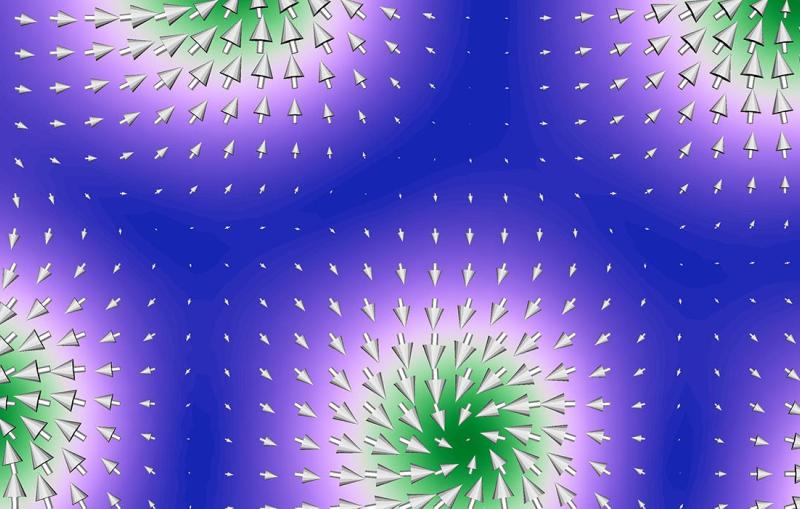
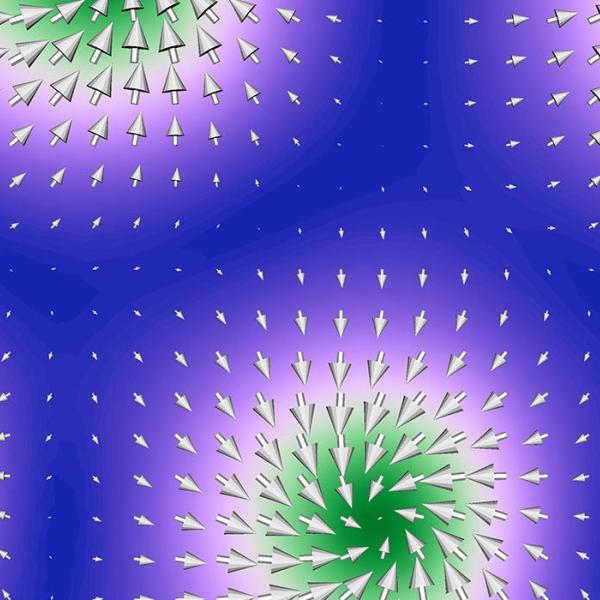
Illustration of skyrmions -- little whirlpools of magnetism formed by the spins of atoms.
Feature

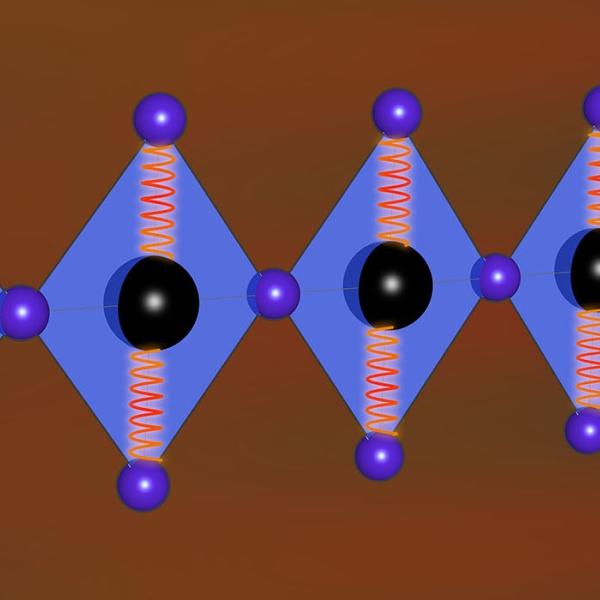
The chemically controlled chains reveal an ultrastrong attraction between electrons that may help cuprate superconductors carry electrical current with no loss at relatively high...

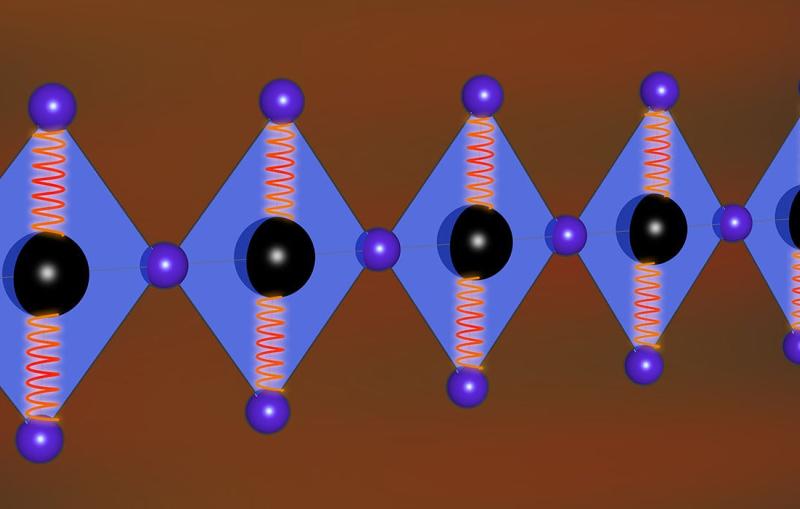
An illustration showing a 1D chain of carbon and oxygen molecules with red springs representing natural vibrations in their atomic lattice.
Feature

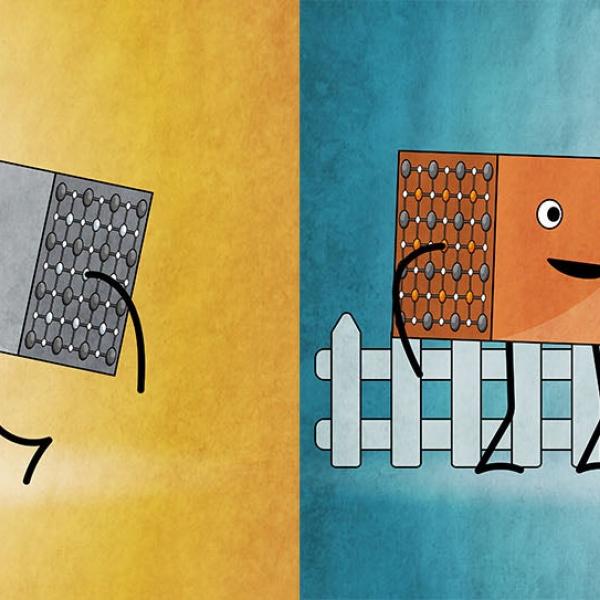
Nickelate materials give scientists an exciting new window into how unconventional superconductors carry electric current with no loss at relatively high temperatures.

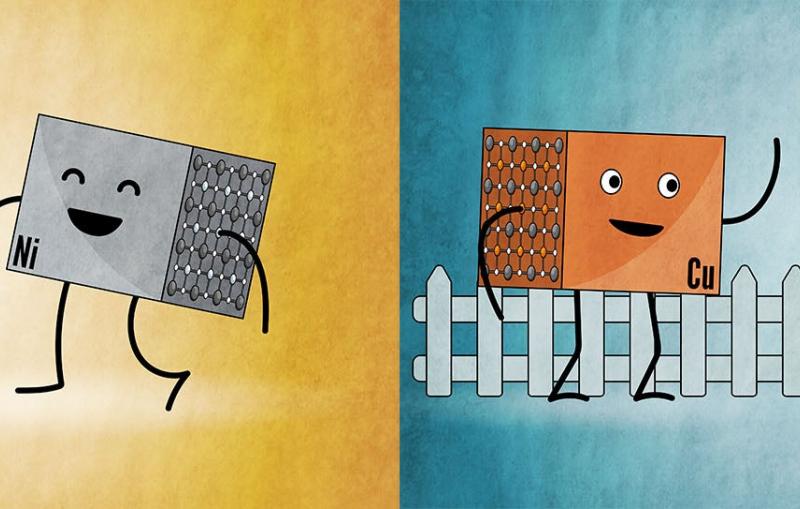
Illustration showing nickelate and cuprate superconductors as cartoon characters that are either close friends holding hands or neighbors talking over a fence.
Feature

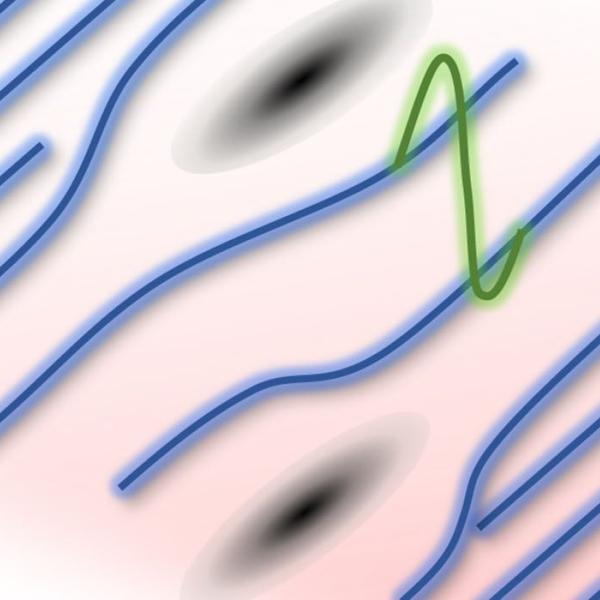
Known as “pair-density waves,” it may be key to understanding how superconductivity can exist at relatively high temperatures.

Illustration depicting how two types of waves within superconducting materials intertwine to form a third type known as charge-density waves