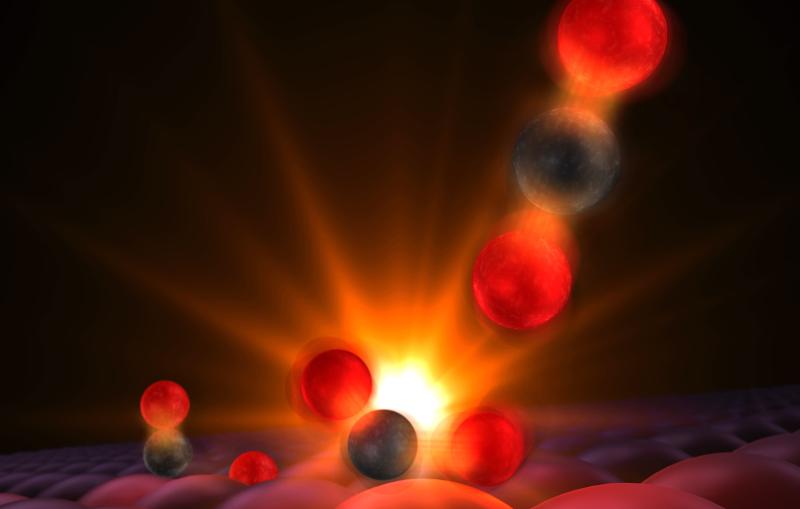


Catalysts are the unsung heroes of chemistry, accelerating reactions used to make fertilizers, fuels and consumer products. SUNCAT’s focus is on improving catalysts for making chemicals and fuels with renewable energy.
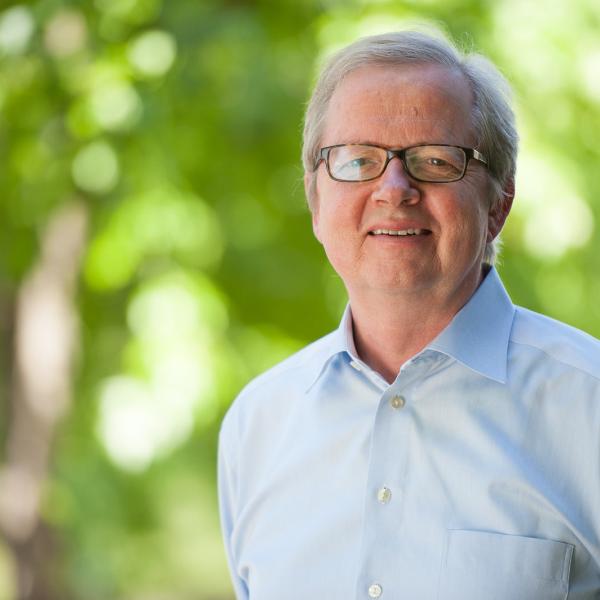
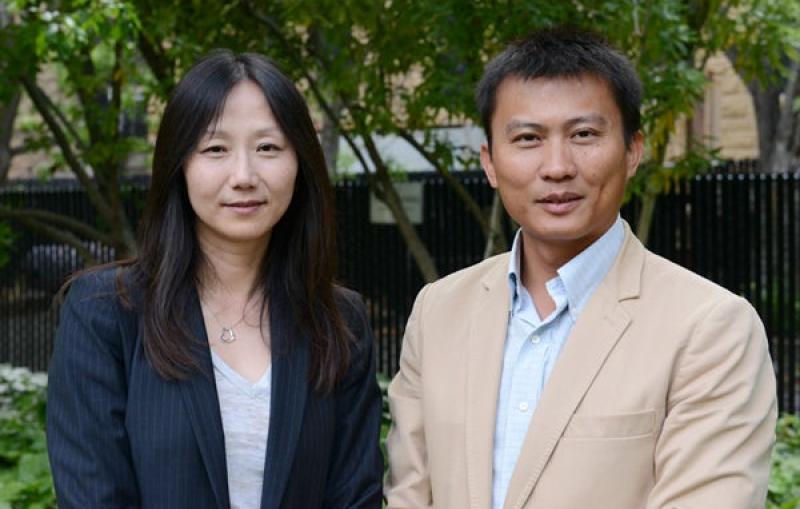
The SLAC and Stanford professor and SUNCAT director is being honored for groundbreaking work in catalysis, which promotes chemical reactions in thousands of industrial...
Scientists at the Department of Energy's SLAC National Accelerator Laboratory have made the first structural observations of liquid water at temperatures down to minus...
SLAC researchers have found a new way to transform graphite into diamond. The approach may have implications for industrial applications ranging from cutting tools...
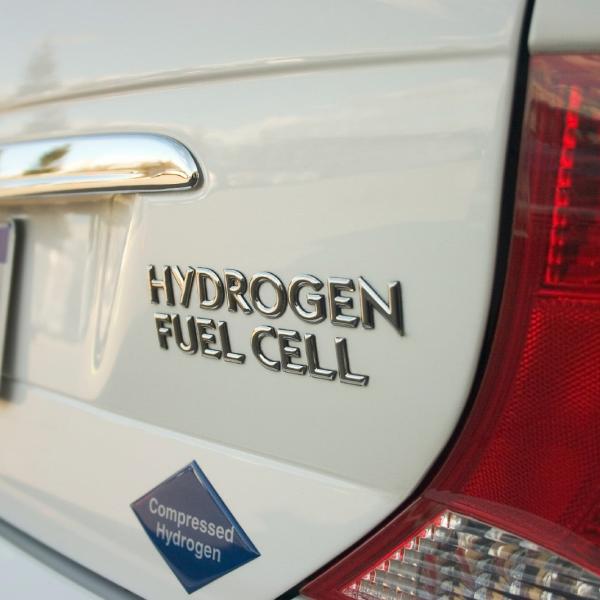
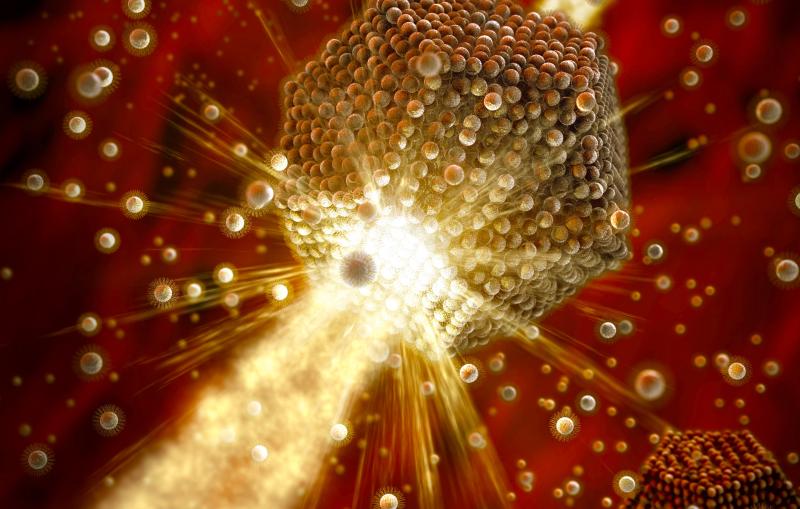
Created by scientists from Stanford, SLAC and Denmark, the new nickel-gallium catalyst converts carbon dioxide emissions into an important industrial chemical and potential fuel
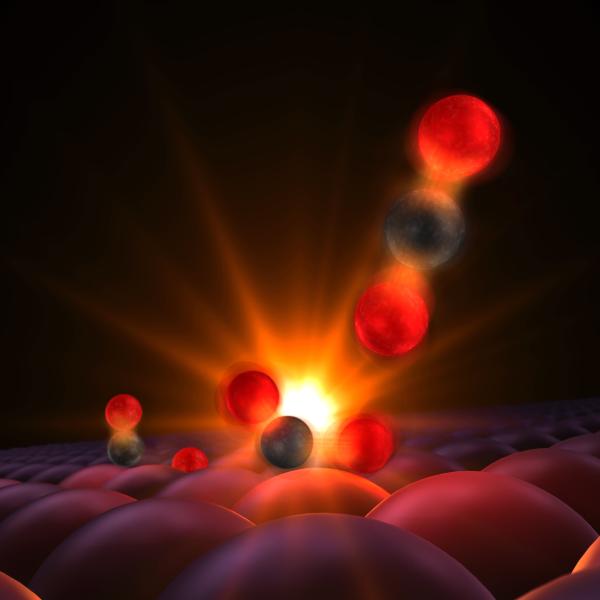
The ultrafast, ultrabright X-ray pulses of the Linac Coherent Light Source (LCLS) have enabled unprecedented views of a catalyst in action, an important step...
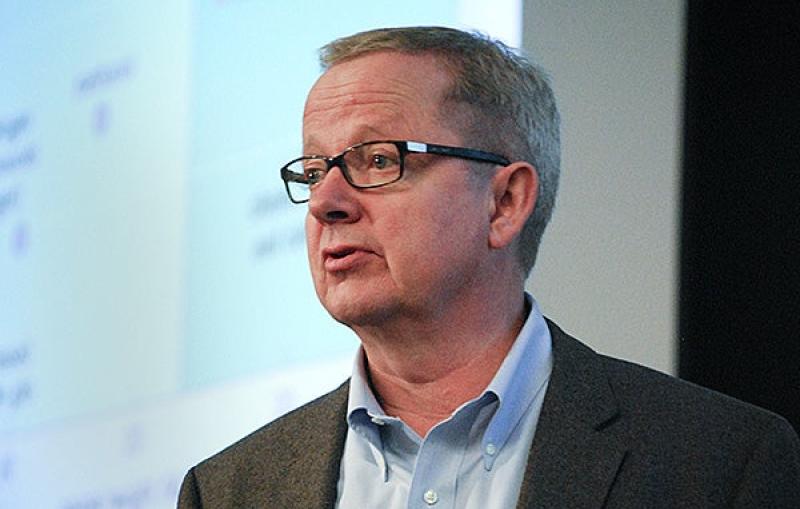
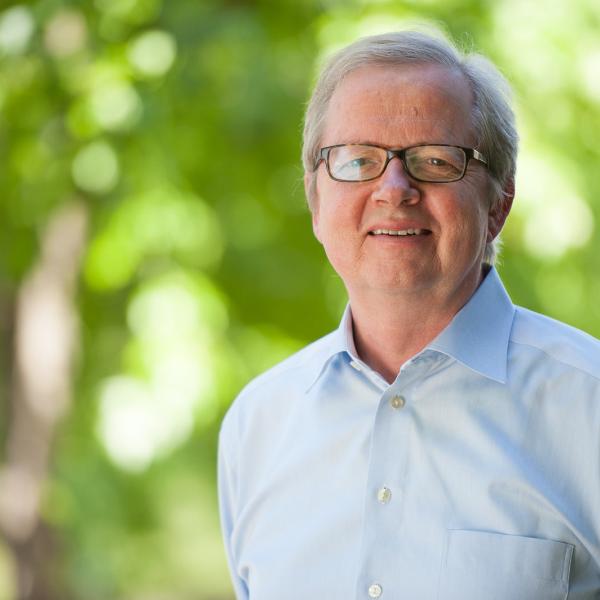
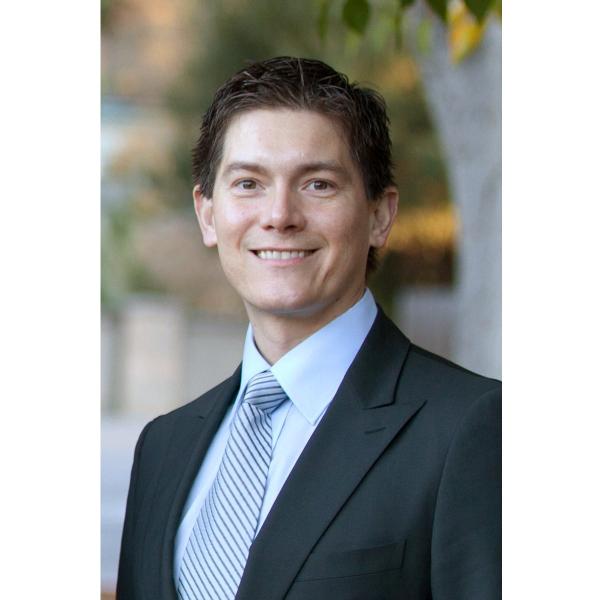
Jens Nørskov, director of the SUNCAT Center for Interface Science and Catalysis at Stanford and SLAC, has been named a member of the National Academy of Engineering, one of the highest professional distinctions for engineers.
The SLAC and Stanford professor and SUNCAT director is being honored for groundbreaking work in catalysis, which promotes chemical reactions in thousands of industrial processes.
Scientists at the Department of Energy's SLAC National Accelerator Laboratory have made the first structural observations of liquid water at temperatures down to minus 51 degrees Fahrenheit, within an elusive “no man’s land” where water’s strange properties are super-amplified.
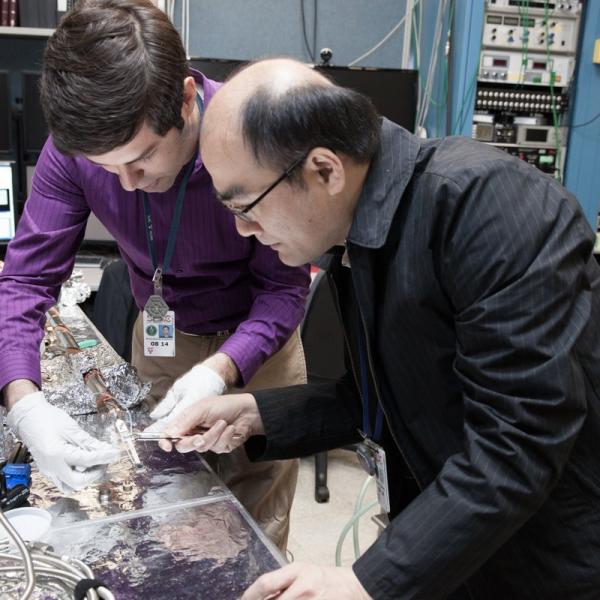
SLAC researchers have found a new way to transform graphite into diamond. The approach may have implications for industrial applications ranging from cutting tools to electronic devices.
Created by scientists from Stanford, SLAC and Denmark, the new nickel-gallium catalyst converts carbon dioxide emissions into an important industrial chemical and potential fuel
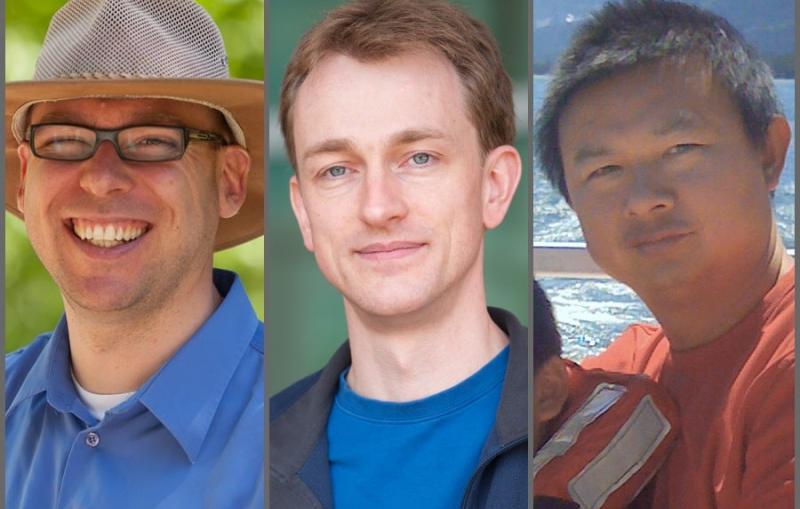
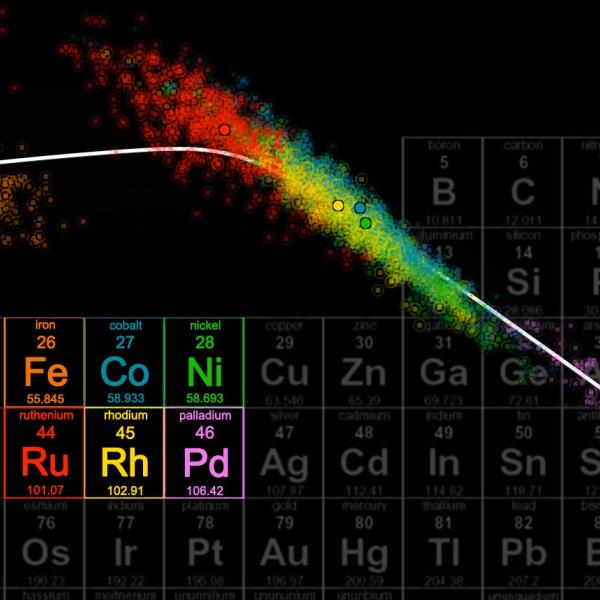
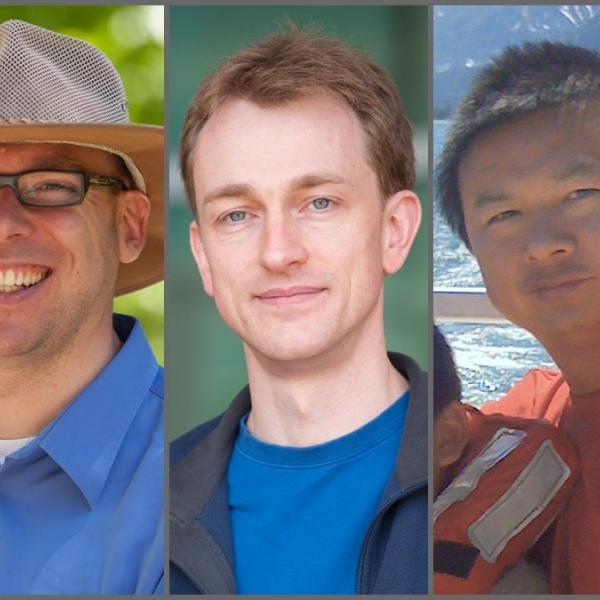
Three SLAC scientists will receive Early Career Research Program grants from the U.S. Department of Energy for research to boost the peak power of X-ray laser pulses, model catalytic chemical reactions and build better simulations of particle collisions at CERN's...
The ultrafast, ultrabright X-ray pulses of the Linac Coherent Light Source (LCLS) have enabled unprecedented views of a catalyst in action, an important step in the effort to develop cleaner and more efficient energy sources.