
SLAC topics

Stanford Synchrotron Radiation Lightsource (SSRL) RSS feed

SSRL is a pioneering synchrotron radiation facility known for outstanding science, technological innovation and user support. It provides extremely bright X-rays that scientists use for a wide range of research that probes matter on the scales of atoms and molecules.

Visit SSRL website

Browse tagged content

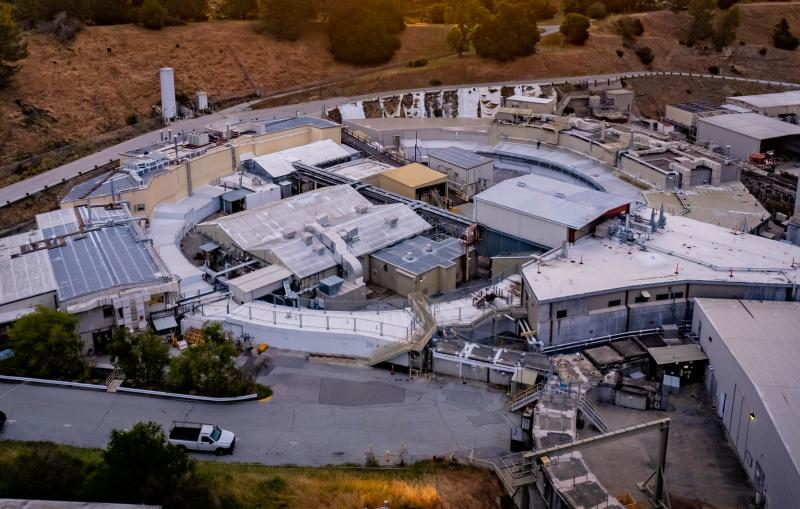
Aerial view of Stanford Synchrotron Radiation Lightsource (SSRL)
Feature

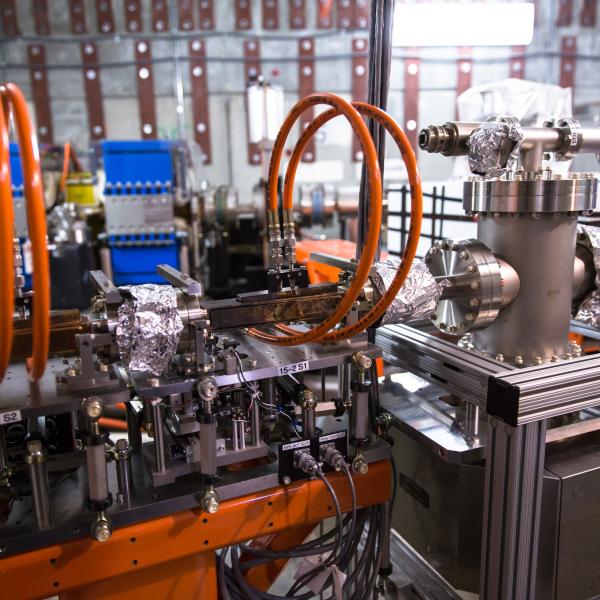
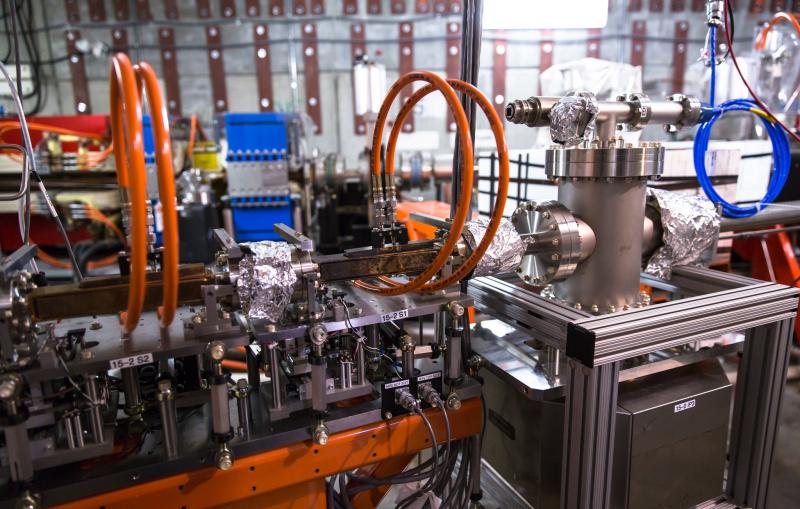
View photos of upgrades and new equipment at the Stanford Synchrotron Radiation Lightsource (SSRL) that will enable scientists to study photosynthesis, superconductors and other...

Feature

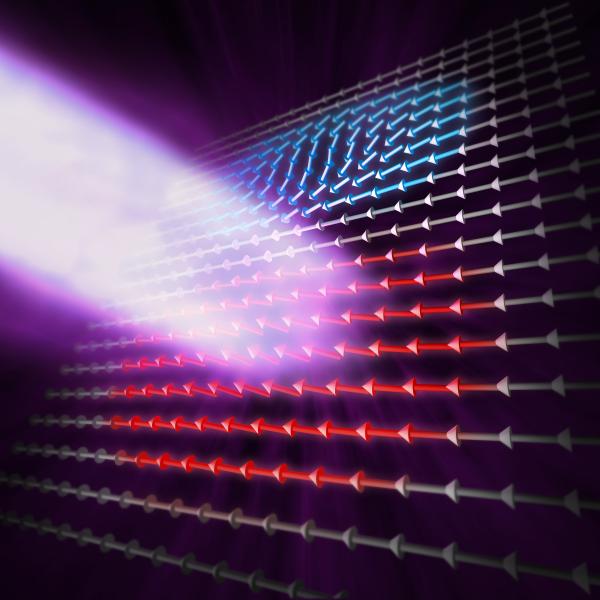
Scientists working at SLAC have for the first time directly observed a phenomenon that allows magnetic waves to travel a long distance with no...

Image - X-rays at SSRL (purple) measure a special type of magnetic wave, called a spin wave soliton, that has the ability to hold its shape as it moves across a magnetic material. The arrows represent the magentic orientation in the material.
News Release

A team led by SLAC scientists combined powerful magnetic pulses with some of the brightest X-rays on the planet to discover a surprising 3-D...

Image - In this artistic rendering, a magnetic pulse (right) and X-ray laser light (left) converge on a superconductor material to study the behavior of its electrons. (SLAC National Accelerator Laboratory)
Feature

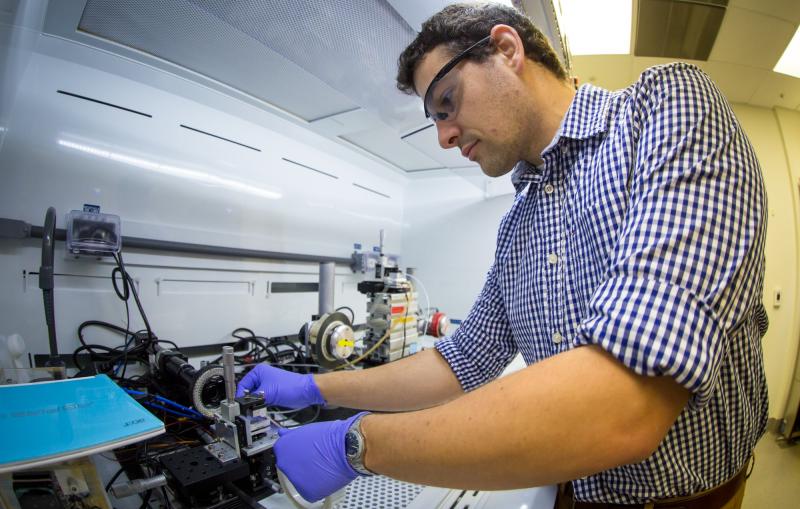
A process developed by Stanford and SLAC scientists has potential for scaling up to manufacture clear, flexible electrodes for solar cells, displays and other...

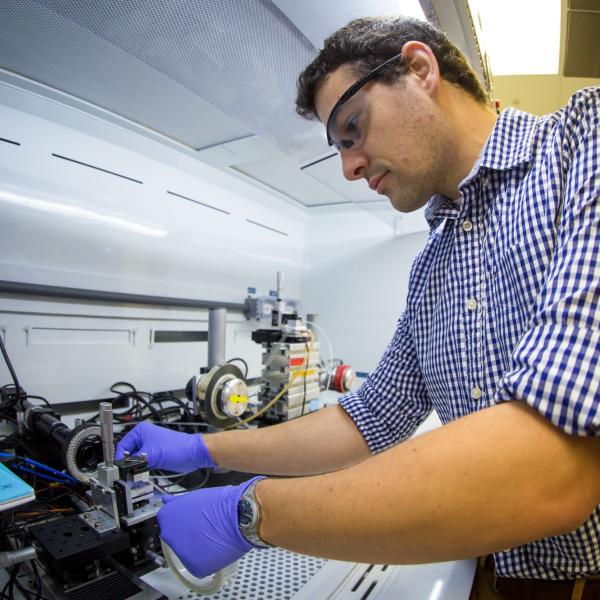
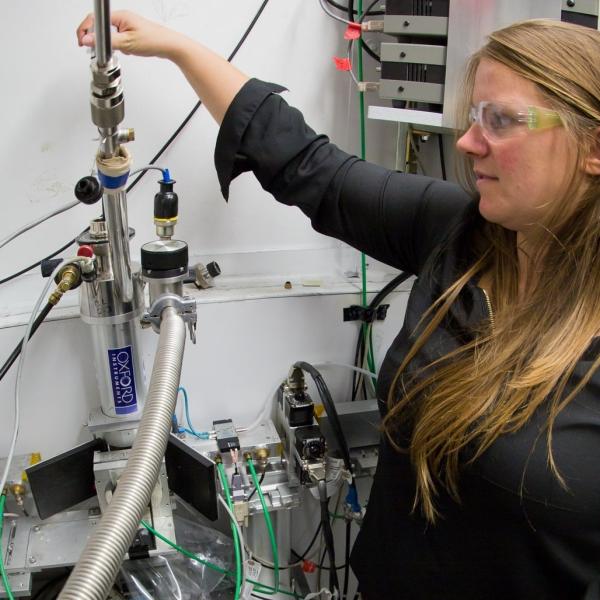
Stanford and SLAC postdoctoral researcher Sean Andrews with solution shearing instrument
Feature

An all-day symposium recognized the professor emeritus for his many contributions to the scientific community, from pioneering synchrotron radiation research at SSRL to making...

Feature

A physicist at Argonne National Laboratory has been recognized for pioneering experiments at SLAC that helped establish a new way to study the structure...

Image - Paul Fuoss (SLAC National Accelerator Laboratory)

Feature

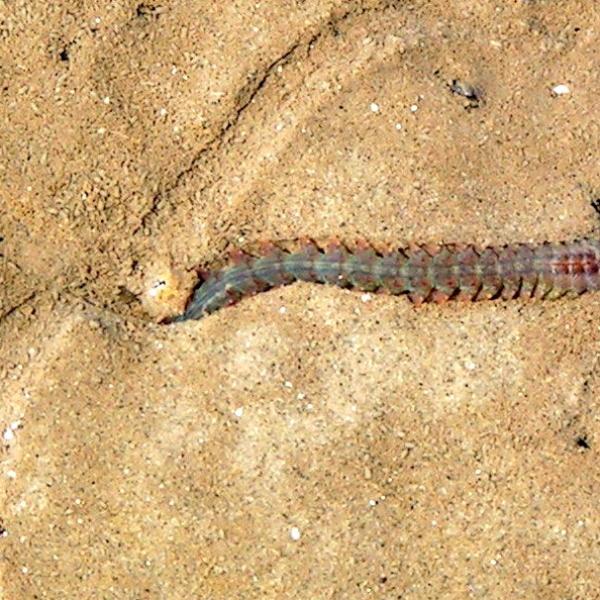
X-ray research on 80-million-year-old fossilized burrows, likely the work of tiny marine worms, is helping scientists understand how living organisms affected the chemistry of...

Image - This marine worm, commonly known as a ragworm, can grow up to 4 inches in length. It is part of a class of worms known as polychaetes. A far smaller variety of polychaetes was likely responsible for creating ancient burrows studied at SLAC.
Feature

The former Stanford graduate student, who did extensive research at SLAC, is being honored as an exceptional role model for women in science.

Ming Yi
Feature

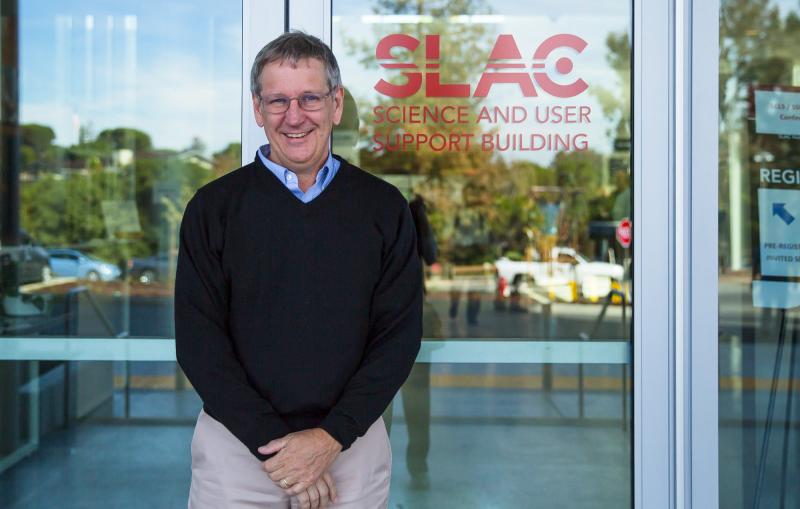
A tiny change in the length of a chemical bond makes a big difference in the activity of a molecule important in health, drug...

Image - Courtney Krest Roach (SLAC National Accelerator Laboratory)
Feature

A researcher who performed a variety of X-ray experiments at SLAC’s synchrotron will receive an annual scientific award during a SLAC conference next month.

Feng Lin
Feature

The former SLAC and Stanford researcher will be recognized during a SLAC conference next month for her work in studying nanoscale magnetic and electronic...

Image - Roopali Kukreja, working in a laboratory at the University of California, San Diego. (Courtesy of Roopali Kukreja)
Feature

Visit the immersive Nobel Labs 360 website about Kobilka, including an interactive tour of his work at SSRL. To find the SSRL section, click...