SLAC topics

Stanford Synchrotron Radiation Lightsource (SSRL) RSS feed

SSRL is a pioneering synchrotron radiation facility known for outstanding science, technological innovation and user support. It provides extremely bright X-rays that scientists use for a wide range of research that probes matter on the scales of atoms and molecules.

Visit SSRL website

Browse tagged content

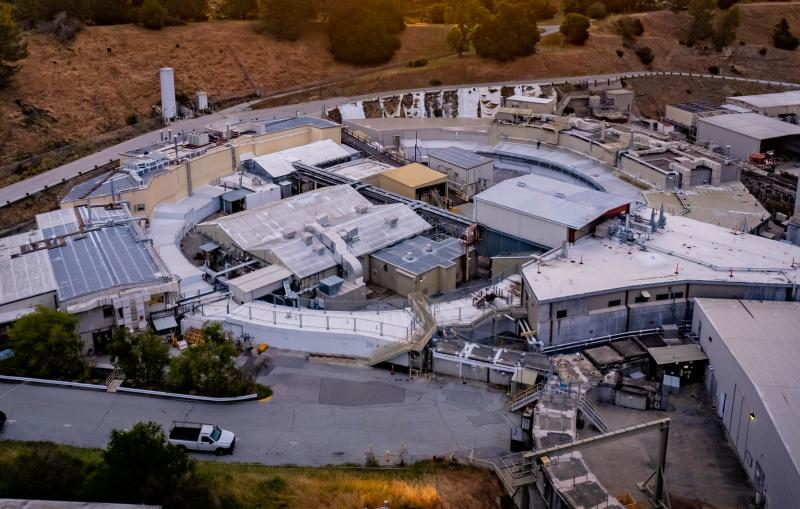
Aerial view of Stanford Synchrotron Radiation Lightsource (SSRL)
Feature

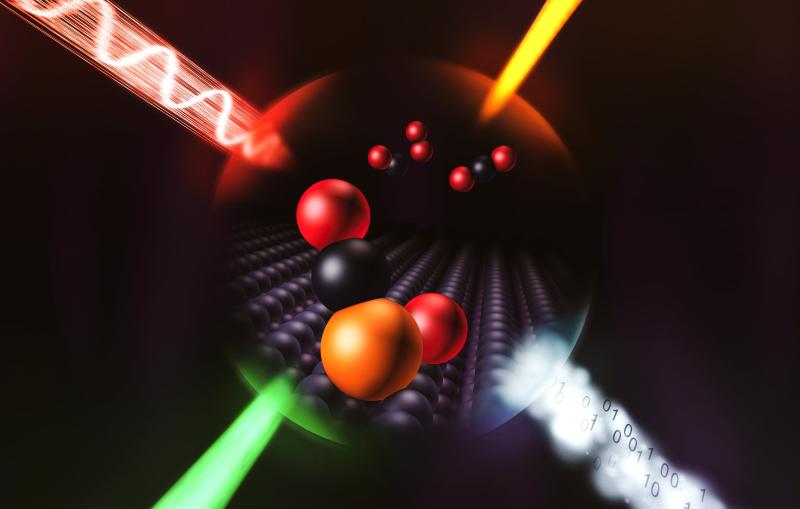
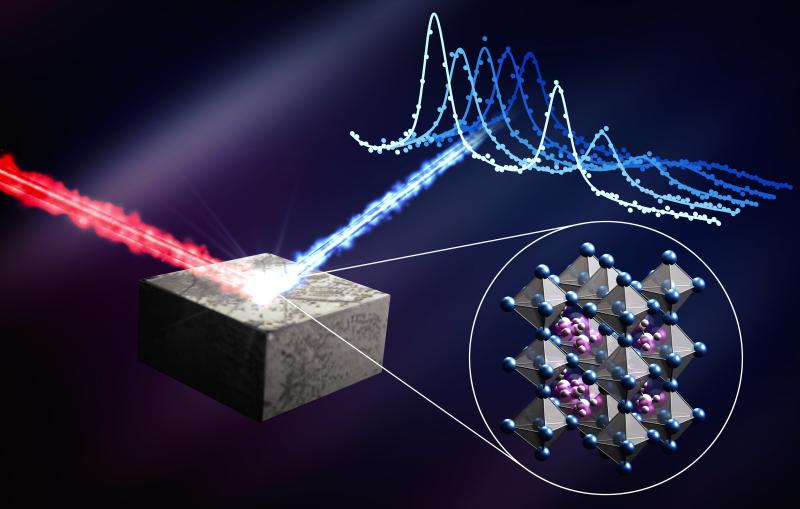
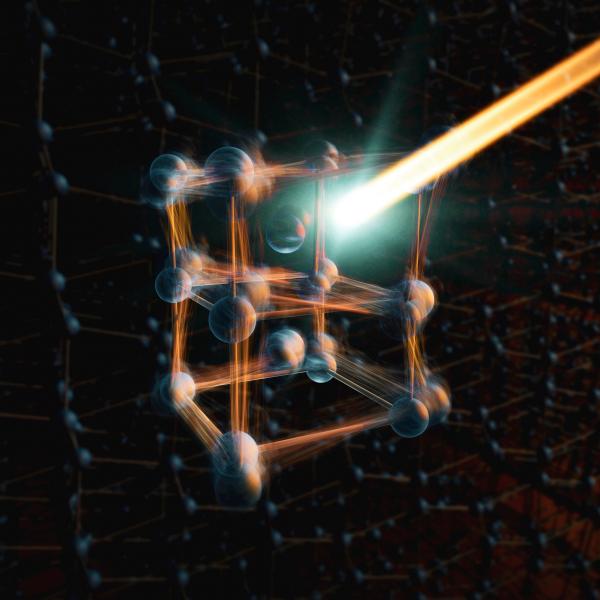
Revealed for the first time by a new X-ray laser technique, their surprisingly unruly response has profound implications for designing and controlling materials.

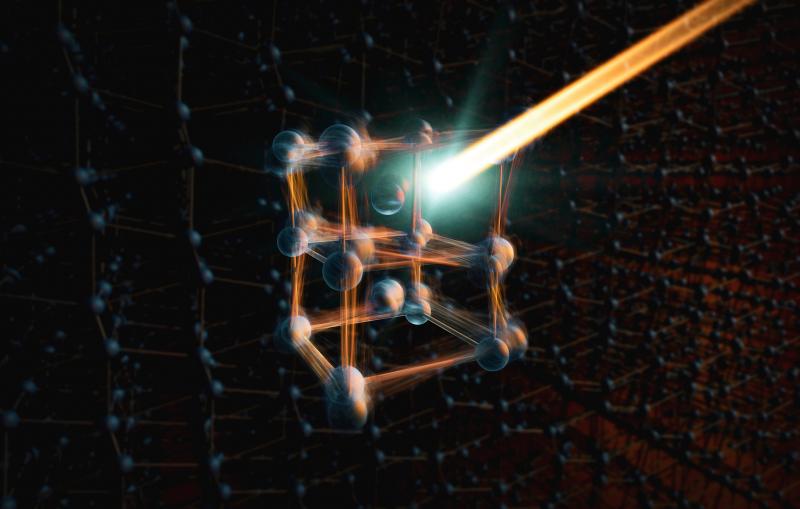
Illustration of laser light setting off vibrations in material
Feature

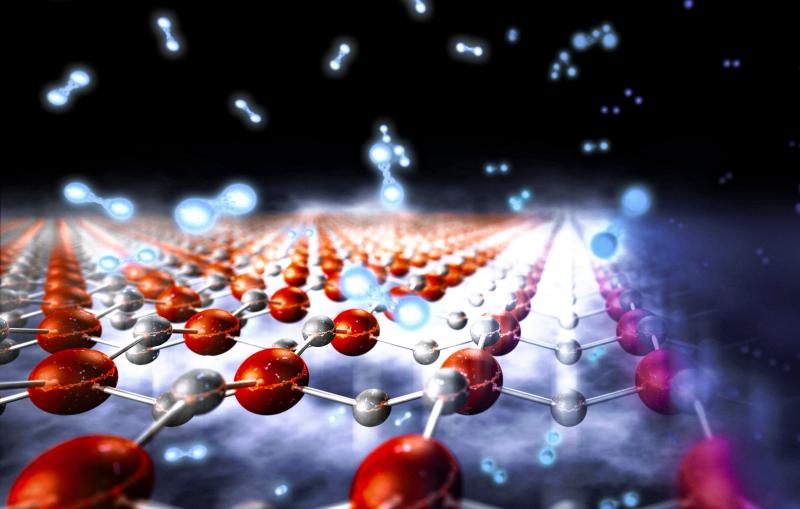
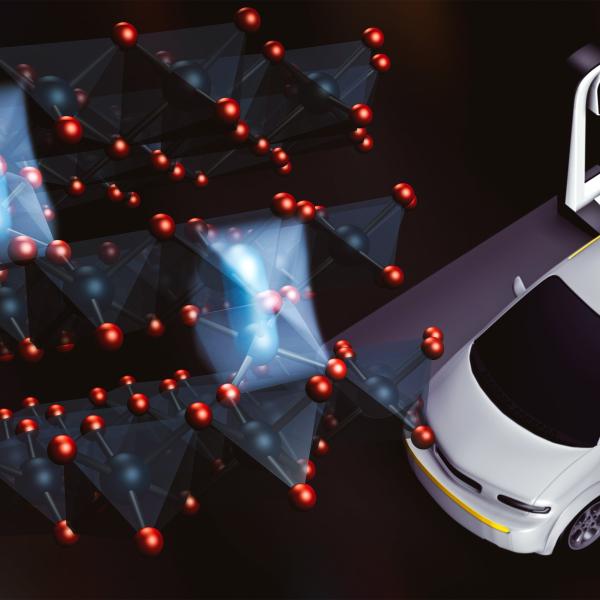
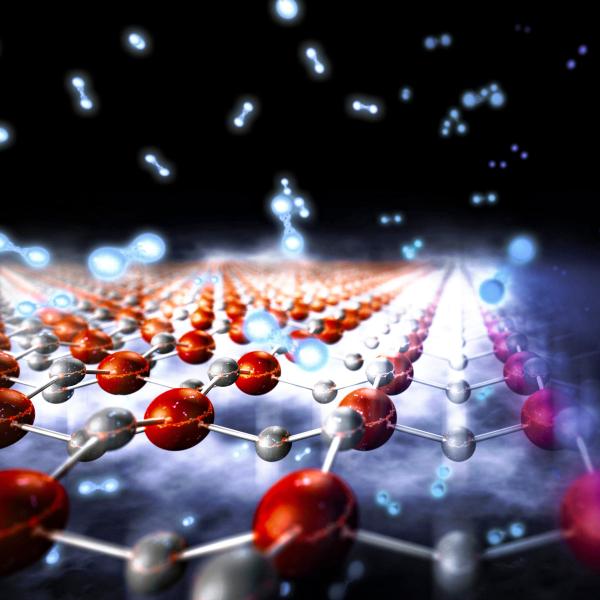
Two studies led by SLAC and Stanford capture electron 'sound waves' and identify a positive feedback loop that may boost superconducting temperatures.

Illustration of study that reveals how coordinated motions of atoms boost superconductivity
Feature

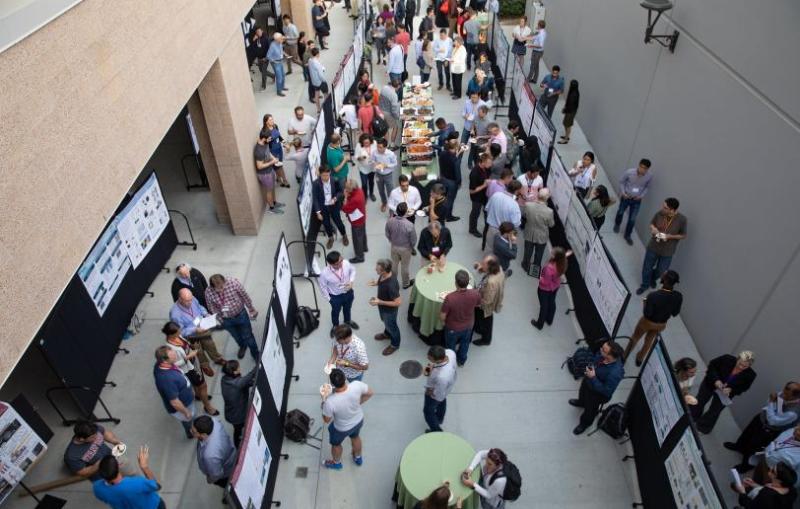
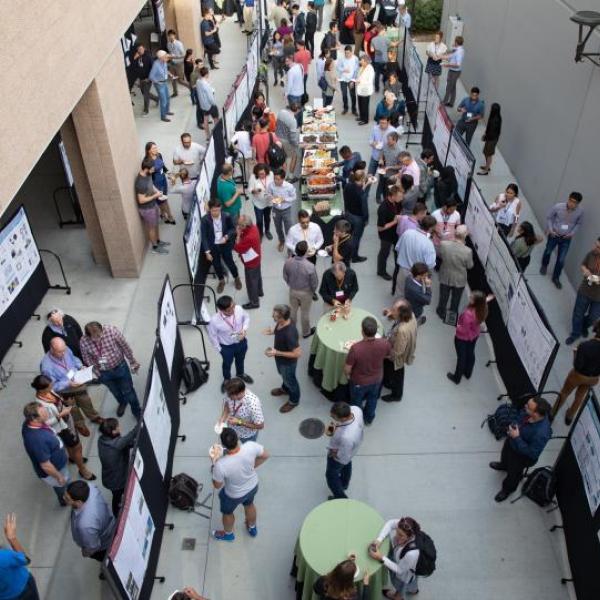
The annual conference for scientists who conduct research at SLAC’s light sources engaged about 470 researchers in talks, workshops and discussions.

2018 Users Conference
News Release

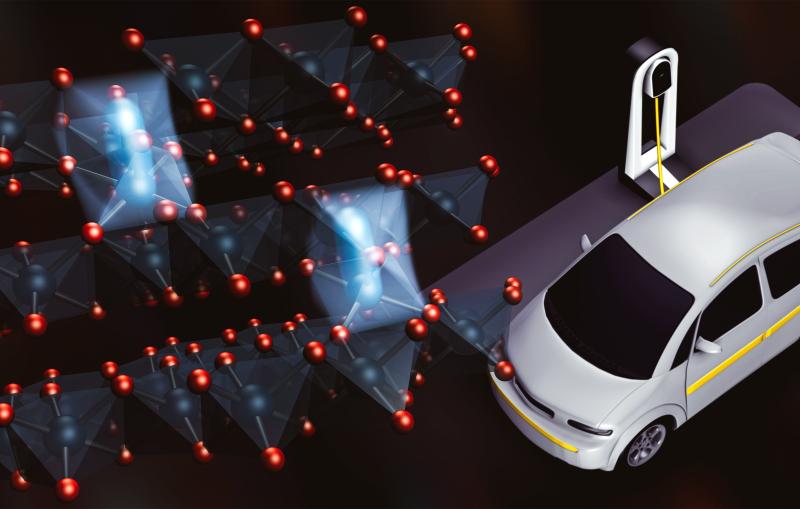
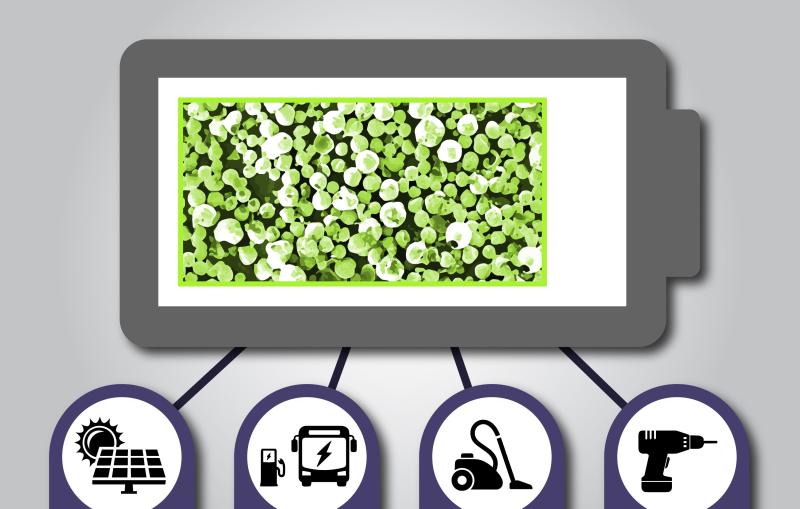
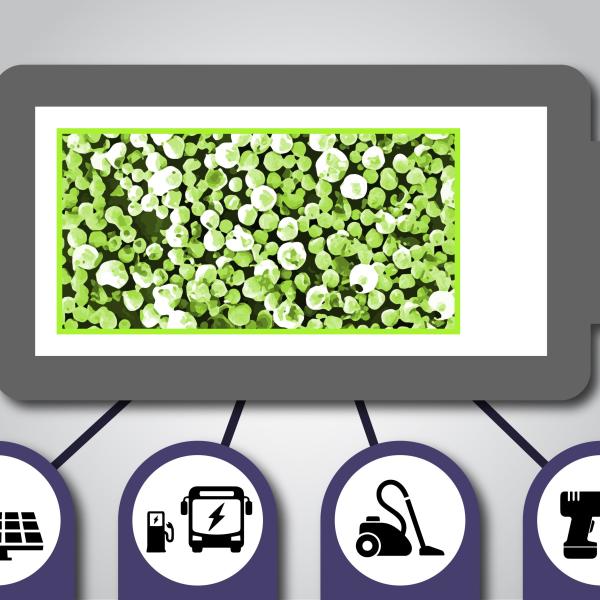
Experiments at SLAC and Berkeley Lab uproot long-held assumptions and will inform future battery design.

Lithium ion infographic
Feature

In more than 185 experimental runs at SLAC’s synchrotron, he has pushed the envelope of both techniques and science.

Photo: Graham George
Feature

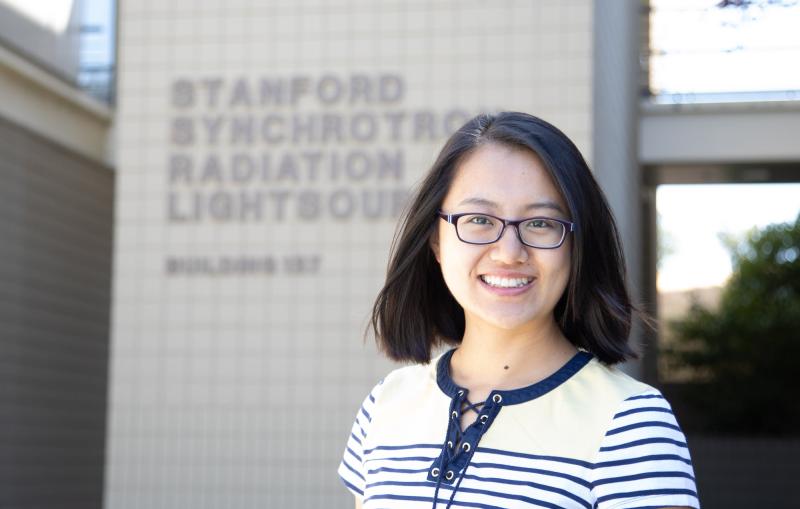
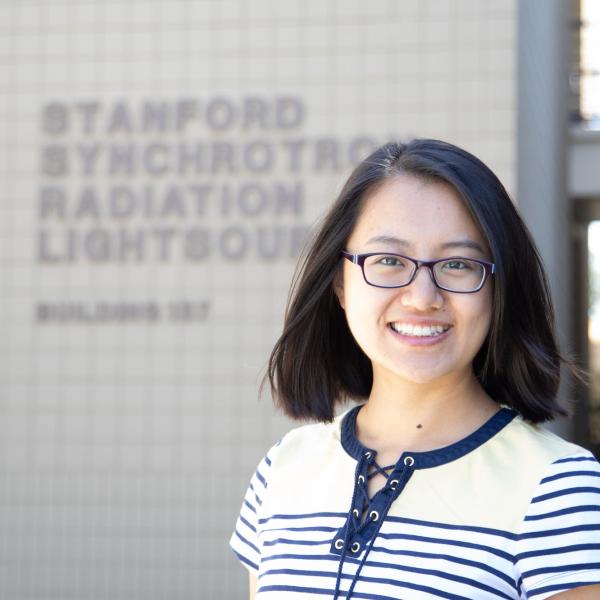
Using SLAC’s X-ray synchrotron SSRL, Cao improves fundamental knowledge about how a new lithium-ion battery material works, which will help enable safer, longer-lasting devices.

Chuntian Cao
Feature

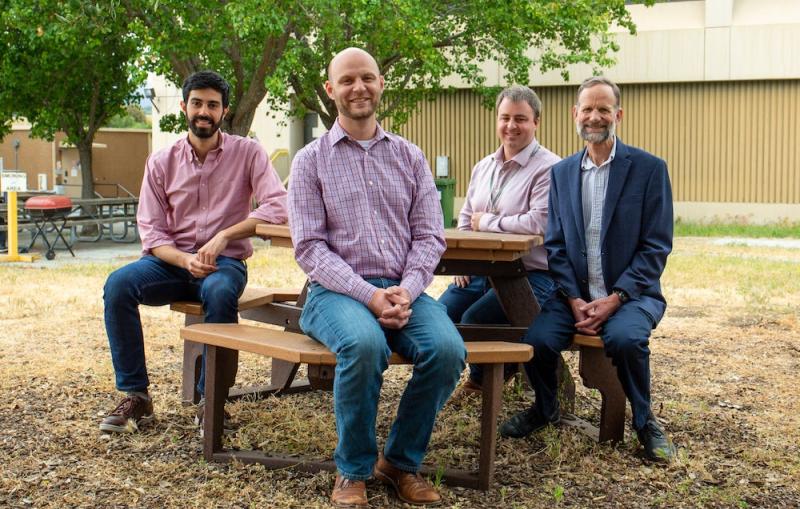
Four scientists discuss X-ray experiments at SLAC’s synchrotron that reveal new insights into how a promising solar cell material forms.

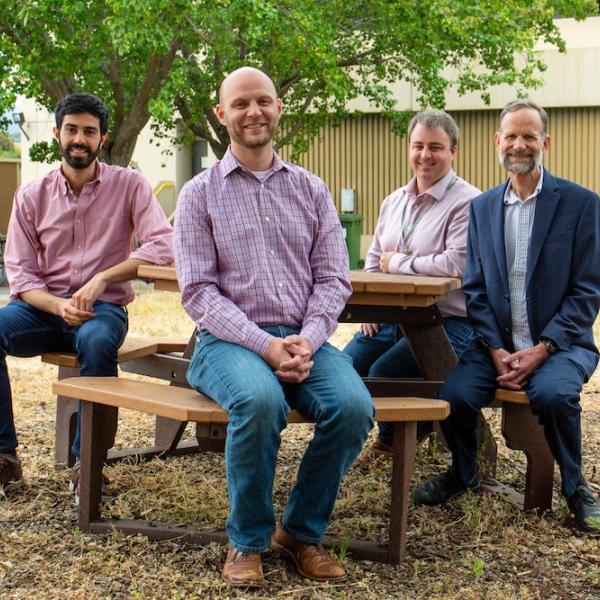
Photo: Aryeh Gold-Parker, Chris Tassone, Kevin Stone and Mike Toney
Feature

The SLAC Photowalk took a group of photographers, both amateur and professional, behind the scenes to photograph SLAC's world-class science facilities, including the world's...

Photowalk: CXI chamber
Feature

A team of electrical designers develops specialized microchips for a broad range of scientific applications, including X-ray science and particle physics.

This illustration shows the layout of an application-specific integrated circuit, or ASIC, at an imaginary art exhibition.
Feature

This summer, five graduate students from the University of Puerto Rico had the opportunity to use SLAC’s world-class facilities to keep their studies on...

University of Puerto Rico Interns
Feature

A new imaging technique is allowing researchers to pinpoint ways of modifying drugs to avoid side effects.

Hasan DeMirci Ribosome
Feature

Former Stanford and UC-Berkeley physicist is honored for foundational research that peers into unconventional phenomena within exotic materials.

Photo: Ming Yi