


SLAC topics

Stanford Synchrotron Radiation Lightsource (SSRL) RSS feed

SSRL is a pioneering synchrotron radiation facility known for outstanding science, technological innovation and user support. It provides extremely bright X-rays that scientists use for a wide range of research that probes matter on the scales of atoms and molecules.
Visit SSRL website

Browse tagged content

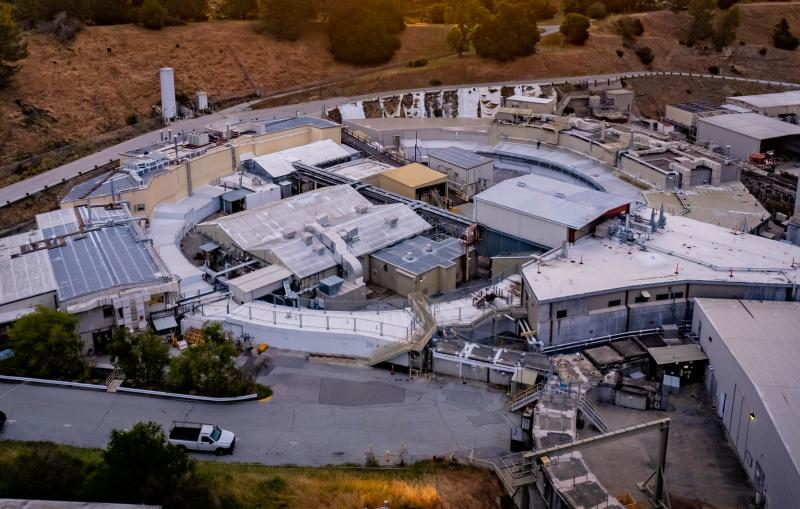
Aerial view of Stanford Synchrotron Radiation Lightsource (SSRL)
Feature

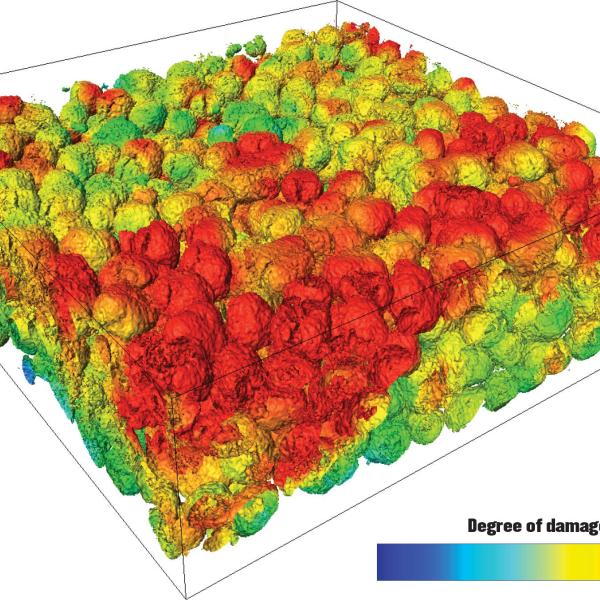
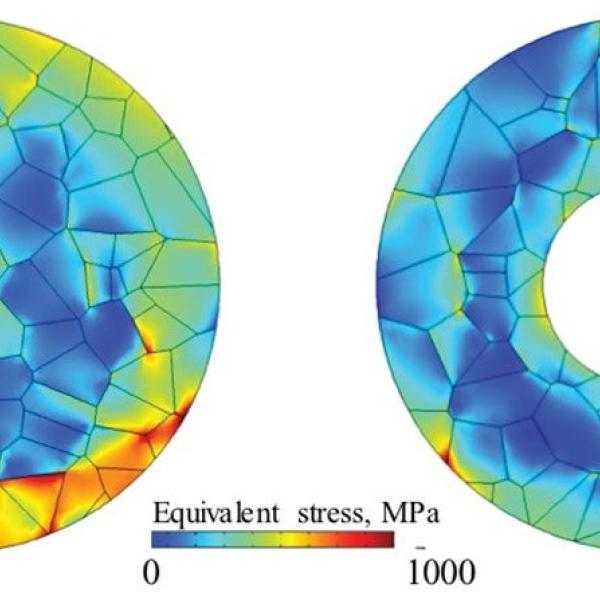
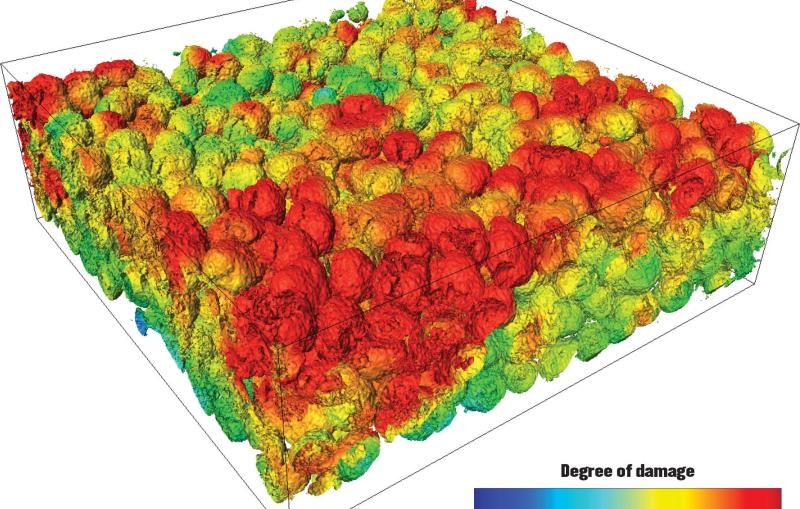
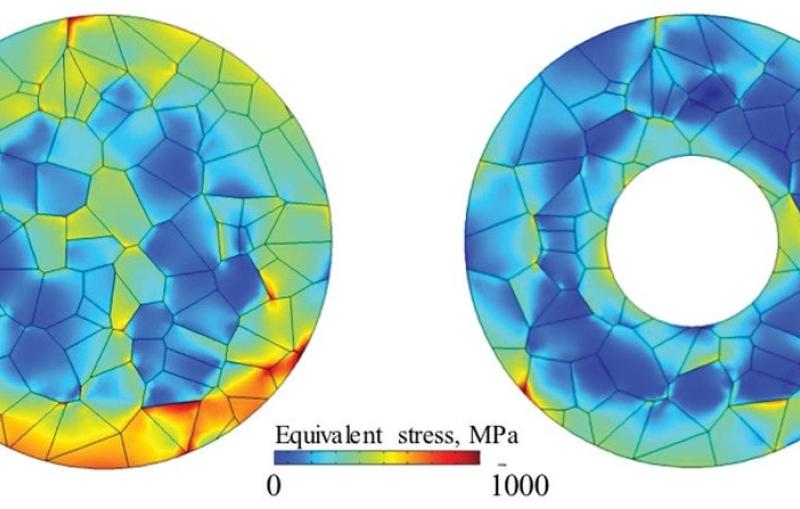
What they learned could help manufacturers design more reliable and longer-lasting batteries for smartphones and cars.

battery electrode damage
Feature

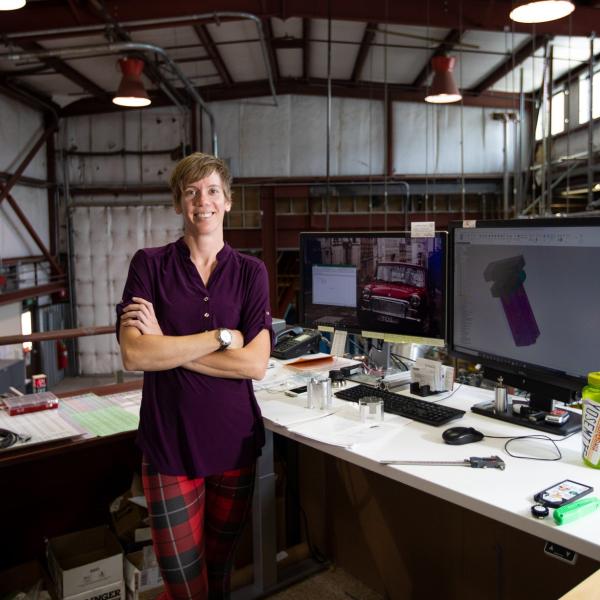
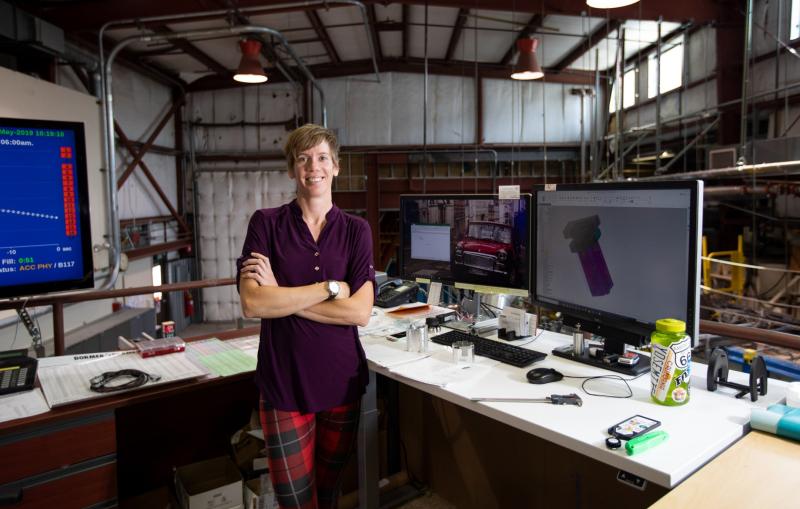
For mechanical engineer Sarah Edwards, SSRL is the ultimate classic car.

photo of Sarah Edwards
News Release

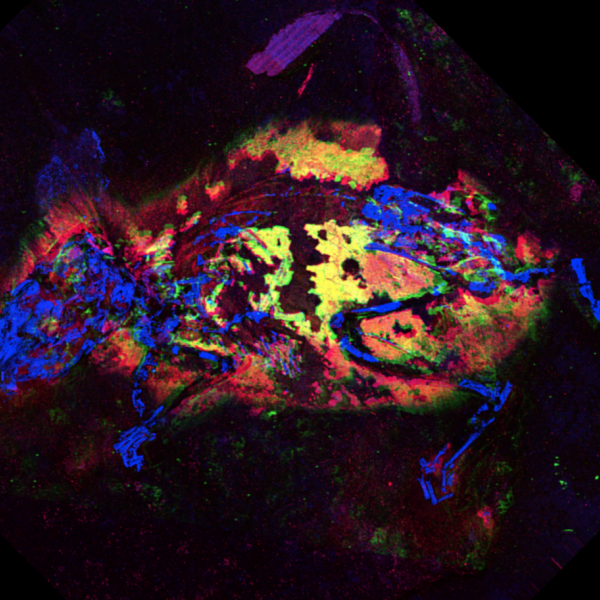
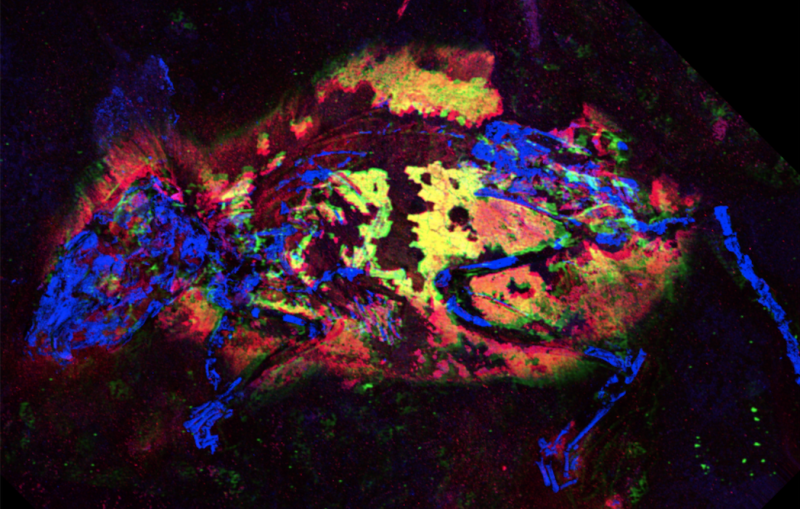
X-rays reveal an extinct mouse was dressed in brown to reddish fur on its back and sides and had a tiny white tummy.

mighty mouse false color
Feature

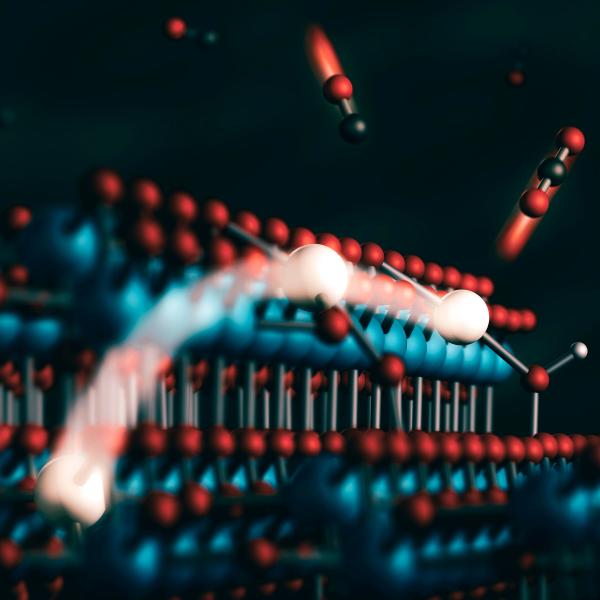
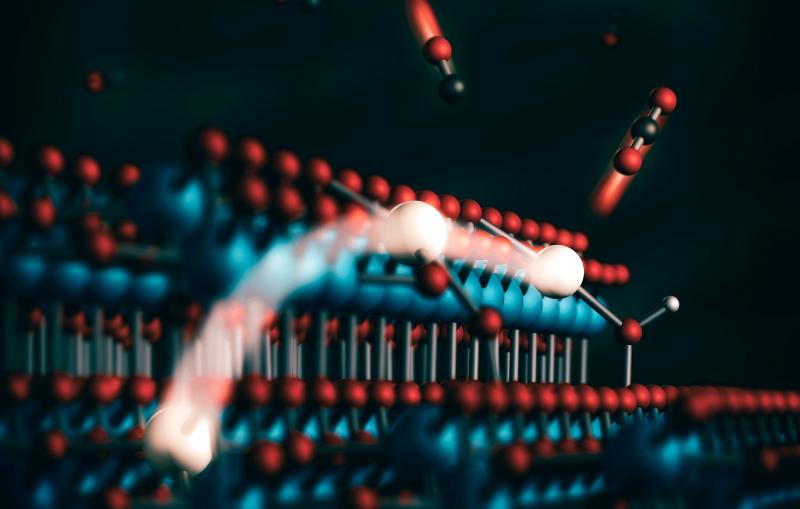
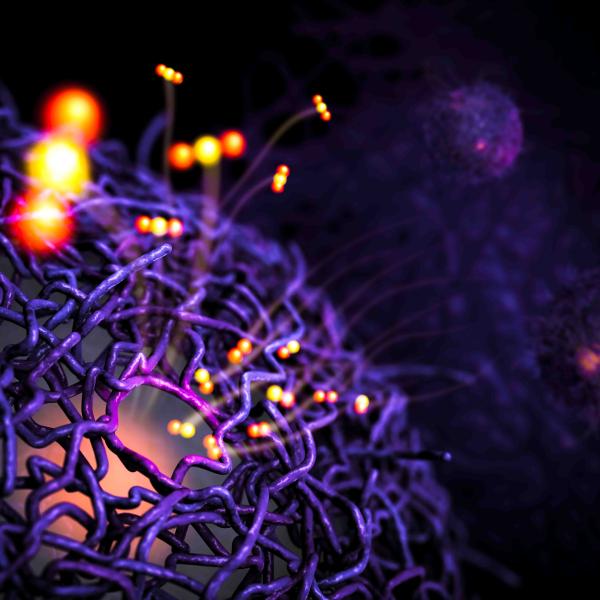
Scientists precisely control where single-atom catalysts sit on their support structures, and show how changing their position affects their reactivity.

Feature

In SLAC’s accelerator control room, shift lead Ben Ripman and a team of operators fine-tune X-ray beams for science experiments around the clock.

Ben Ripman in SLAC's accelerator control room.
Feature

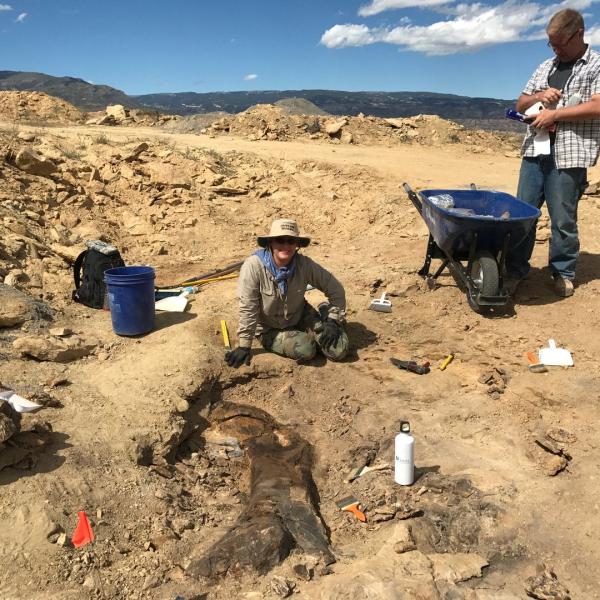
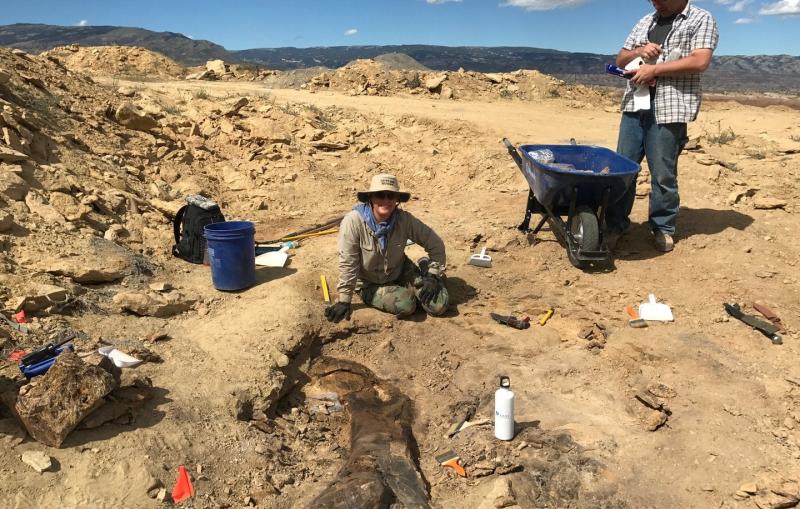
Researchers will use SLAC’s X-ray light source to probe 150-million-year-old dinosaur fossils at the atomic level.

Jurassic Mile
Feature

Combination of research methods reveals causes of capacity fading, giving scientists better insight to design advanced batteries for electric vehicles

Cathode degradation
Feature

New research offers the first complete picture of why a promising approach of stuffing more lithium into battery cathodes leads to their failure. A...

high capacity batteries
Feature

Detailed observations of iridium atoms at work could help make catalysts that drive chemical reactions smaller, cheaper and more efficient.

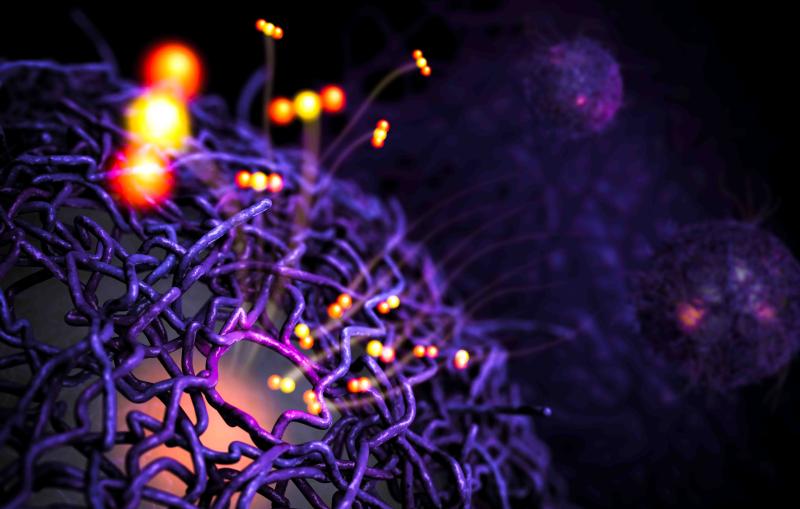
Depiction of four techniques used to study a single-atom catalyst
Feature

Researchers mapped trace elements within Pleistocene fossils to learn about the life of a long-extinct subspecies of spotted hyena.

Spotted hyena
News Release

In a major step forward, SLAC’s X-ray laser captures all four stable states of the process that produces the oxygen we breathe, as well...

Atomic movie
Feature

A new study is a step forward in understanding why perovskite materials work so well in energy devices and potentially leads the way toward...

Scattered neutrons off perovskite material.