SLAC topics

Stanford PULSE Institute RSS feed

Researchers at the Stanford PULSE Institute watch ultrafast particle motions and chemical reactions to get a deeper understanding of matter in all its forms. Soon we’ll be able to watch even speedier electron movements that underlie all of chemistry, technology and life.

Visit PULSE website

Browse tagged content

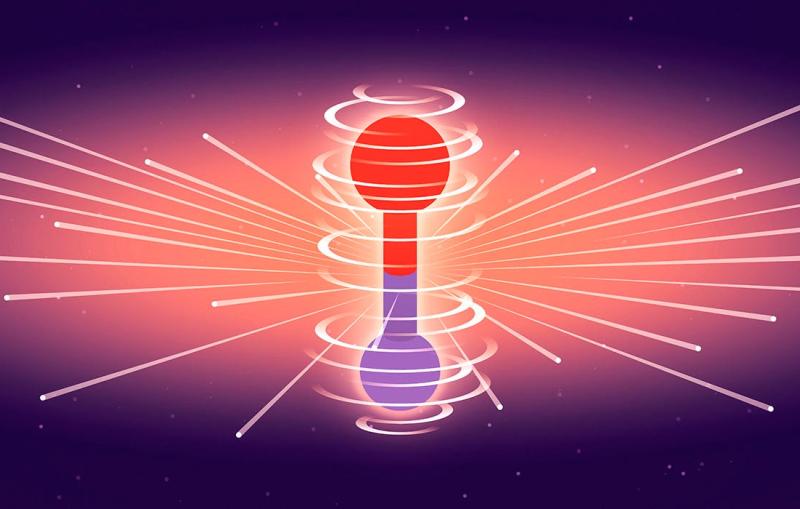
XLEAP illustration
Feature

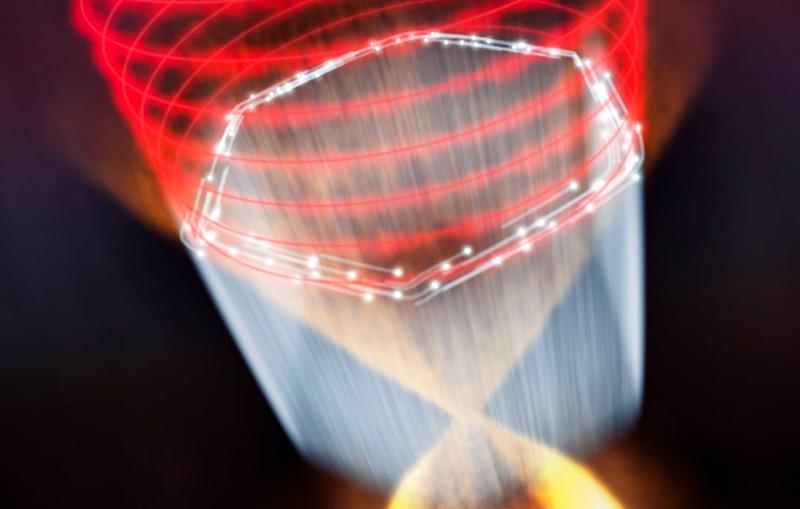
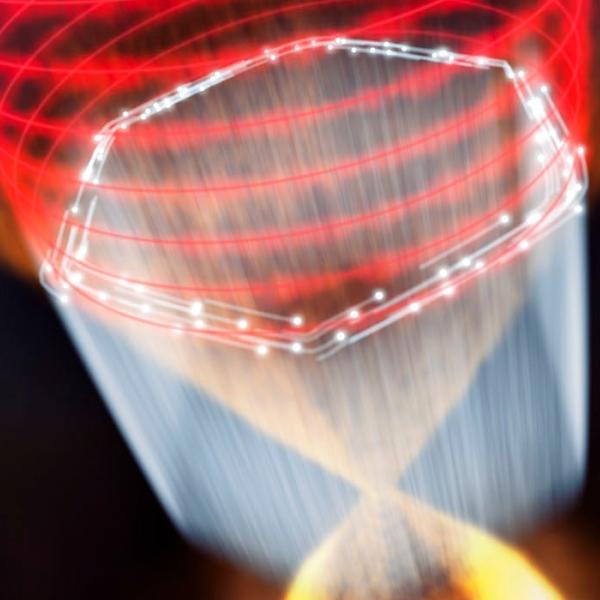
Spiraling laser light reveals how topological insulators lose their ability to conduct electric current on their surfaces.

Against a black background, thin, glowing red wires at top impinge on the hexagonal surface of a translucent mass. Small white dots travel along the edges of the surface in two directions. Within the mass, two orange cones meet at their tips.
Feature

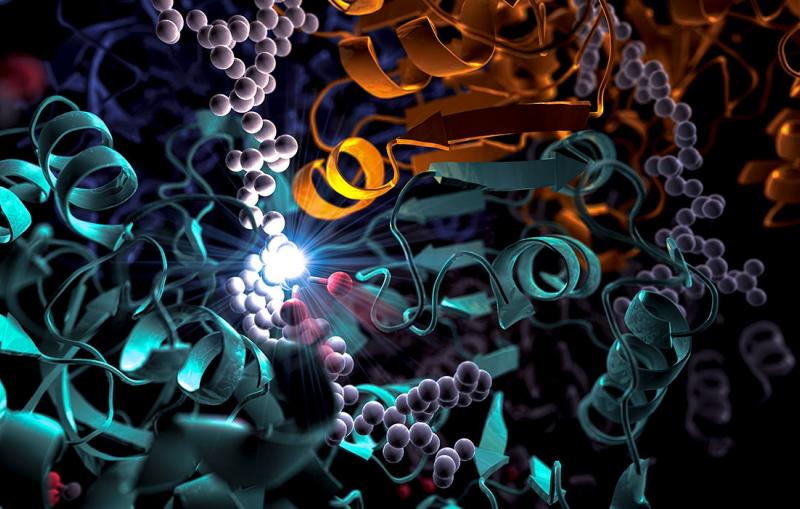
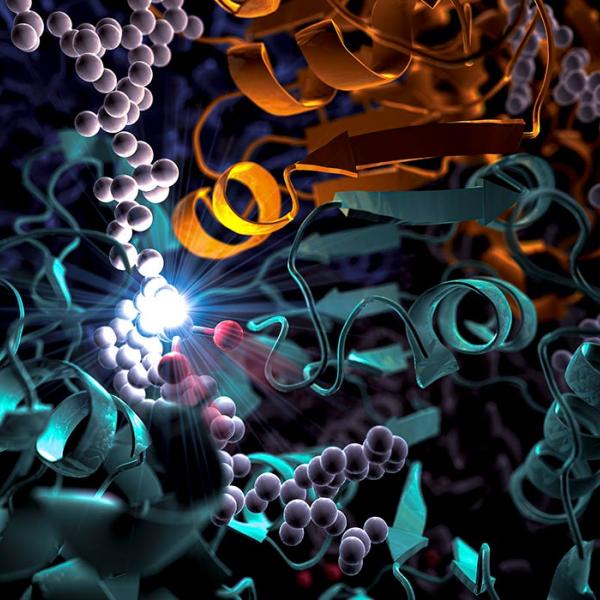
Researchers discover that a spot of molecular glue and a timely twist help a bacterial enzyme convert carbon dioxide into carbon compounds 20 times...

An illustration shows the pocket in an enzyme called ECR where the carbon fixing reaction takes place.
Feature

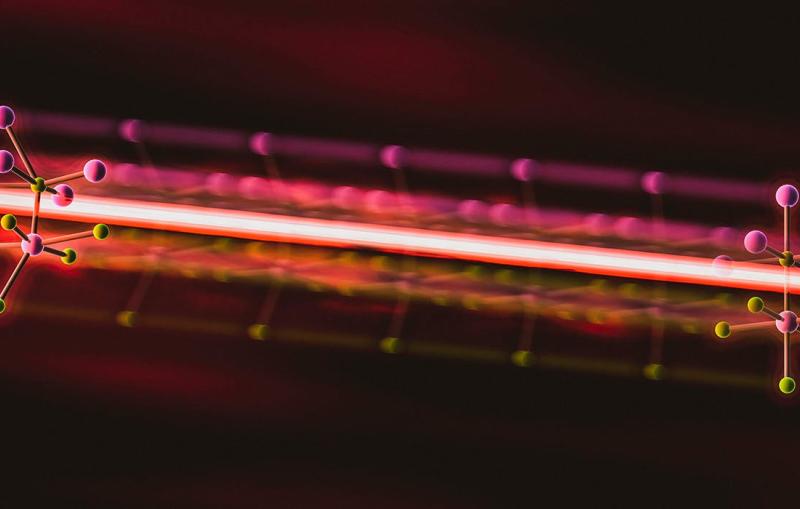
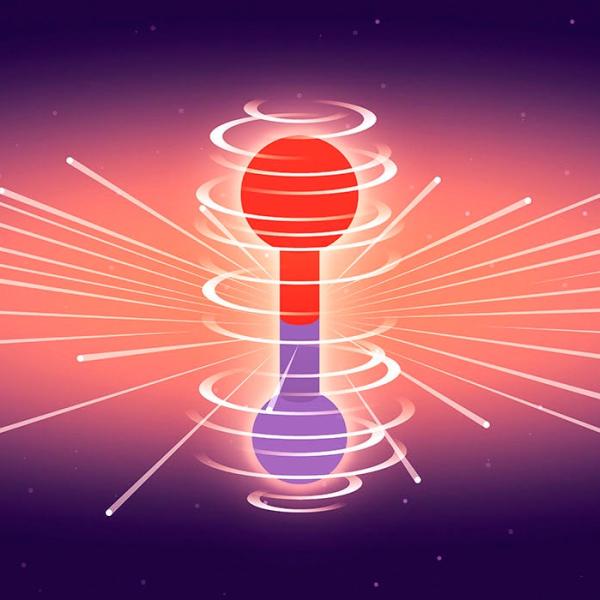
X-ray laser experiments show that intense light distorts the structure of a thermoelectric material in a unique way, opening a new avenue for controlling...

Illustration shows two ball-and-stick molecules in pink and red separated by a blurred streak representing how the first structure is slightly deformed into the second.
Feature

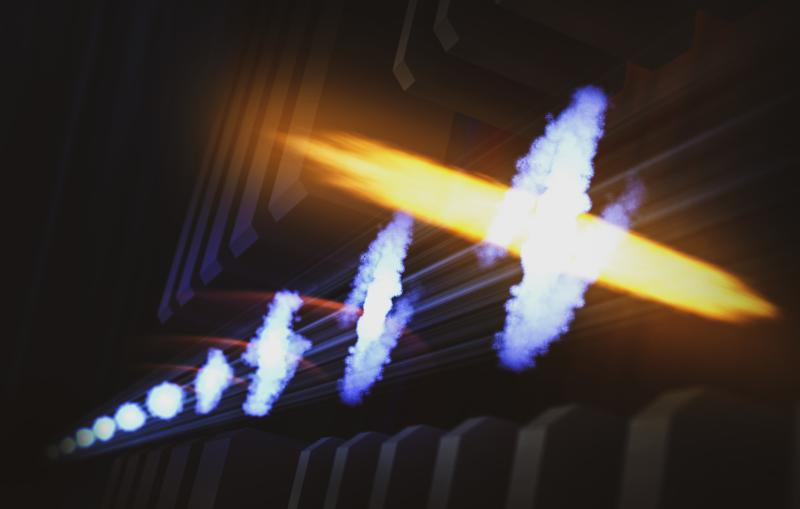
Less than a millionth of a billionth of a second long, attosecond X-ray pulses allow researchers to peer deep inside molecules and follow electrons...

Illustration of attosecond coherent electron motions.
Feature

A better understanding of this process could inform the next generation of artificial photosynthetic systems that produce clean and renewable energy.

water droplets on plant
Feature

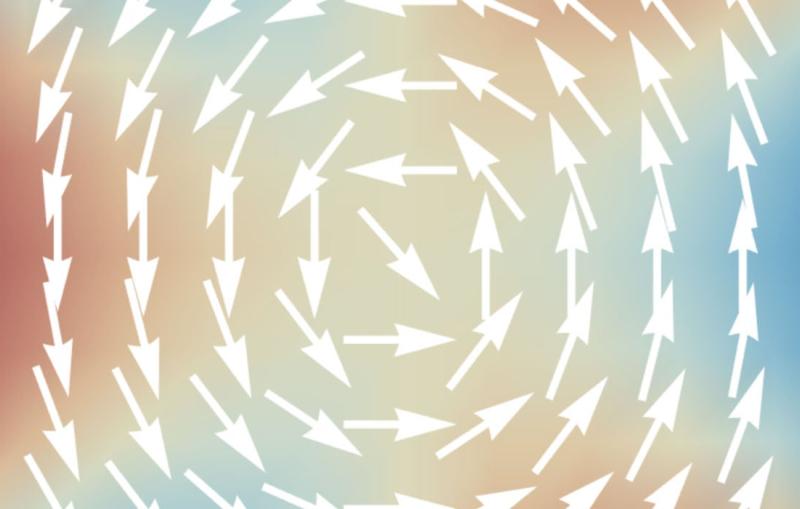
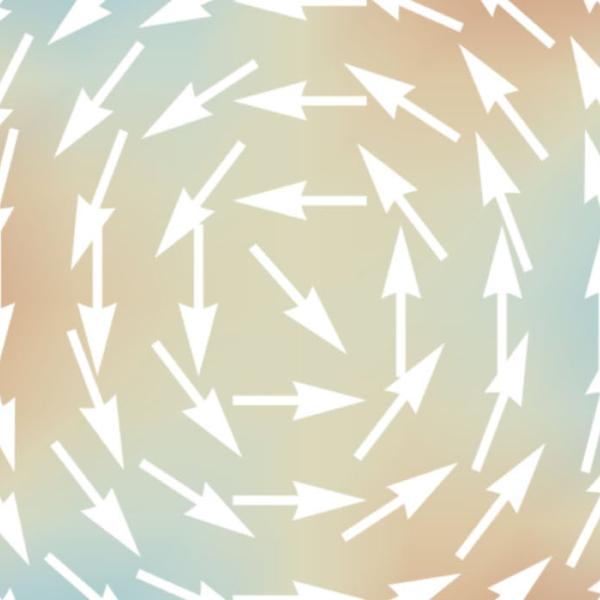
Topological insulators conduct electricity on their surfaces but not through their interiors. SLAC scientists discovered that high harmonic generation produces a unique signature from...

A counterclockwise pattern of swirling arrows This pattern of arrows representing the combined spin and momentum of electrons in the surface layer of a topological insulator
Feature

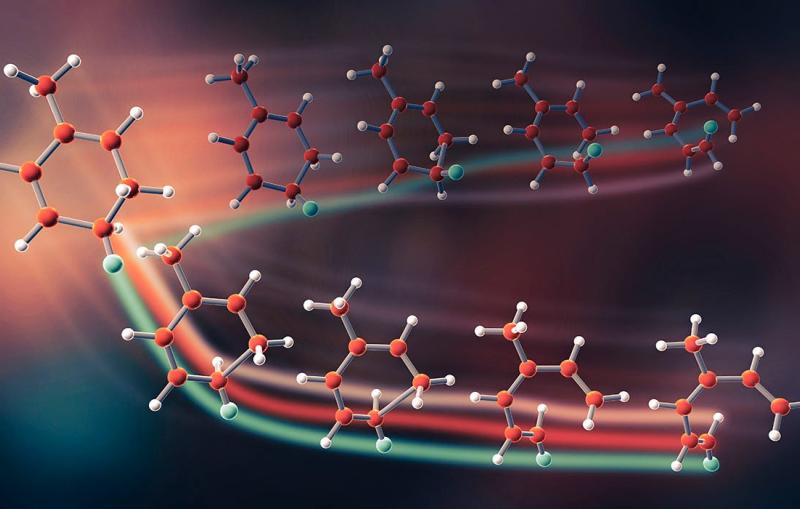
The results could lead to a better understanding of reactions with vital roles in chemistry and biology.

UED conformers
Feature

From the invisible world of elementary particles to the mysteries of the cosmos, recipients of this prestigious award for early career scientists explore nature...

Panofsky fellows
Feature

Edward Hohenstein, Emma McBride and Caterina Vernieri study what happens to molecules hit by light, recreate extreme states of matter like those inside stars...

Early Career Awardees 2021
Feature

This new understanding could aid the development of more efficient clean energy sources.

electron transfer
Feature

Just as pressing a guitar string produces a higher pitch, sending laser light through a material can shift it to higher energies and higher...

High harmonic generation in a topological insulator.
Feature

These fleeting disruptions, seen for the first time in lead hybrid perovskites, may help explain why these materials are exceptionally good at turning sunlight...

An illustration shows polarons as bubbles of distortion in a perovskite lattice