SLAC topics

Stanford Institute for Materials & Energy Sciences (SIMES) RSS feed

SIMES researchers study complex, novel materials that could transform the energy landscape by making computing much more efficient or transmitting power over long distances with no loss, for instance.

Visit SIMES website

Browse tagged content below

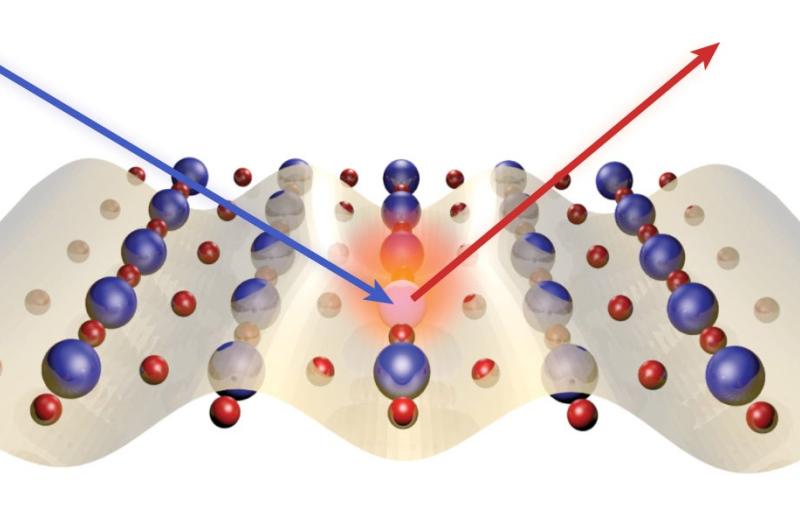
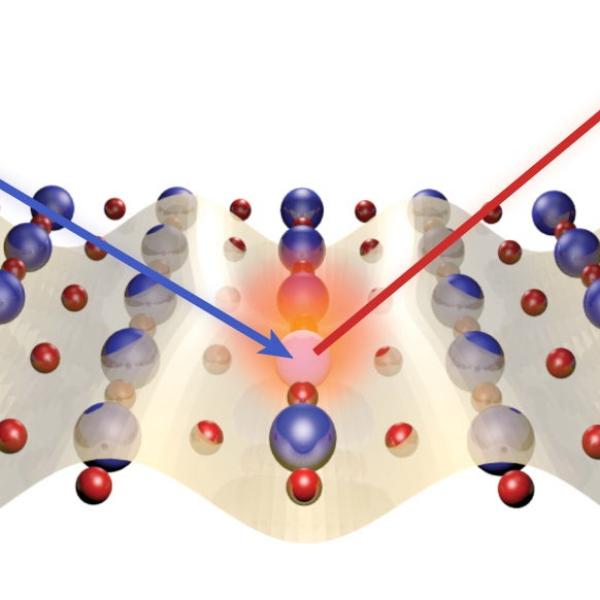
Polarons, bubbles of distortion in a perovskite lattice.
Feature

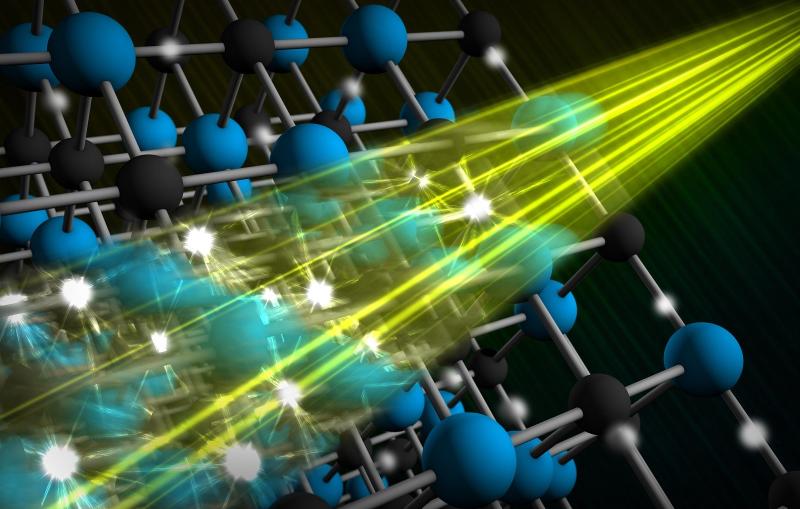
A flash of green laser followed by pulses of X-rays, and mere nanoseconds later an extraterrestrial form of ice has formed.

News Release

Extraordinarily precise measurements -- within millionths of a billionth of a second and a billionth of a hair's breadth -- show this ‘electron-phonon coupling’...

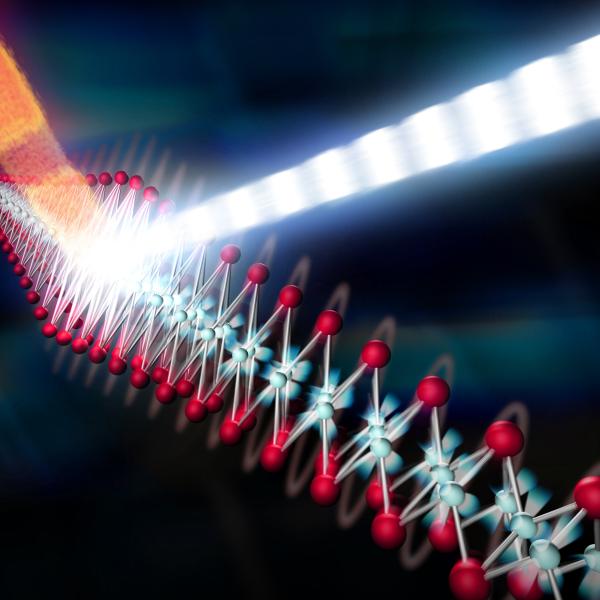
Illustration of a laser beam triggering atomic vibrations in iron selenide
Feature

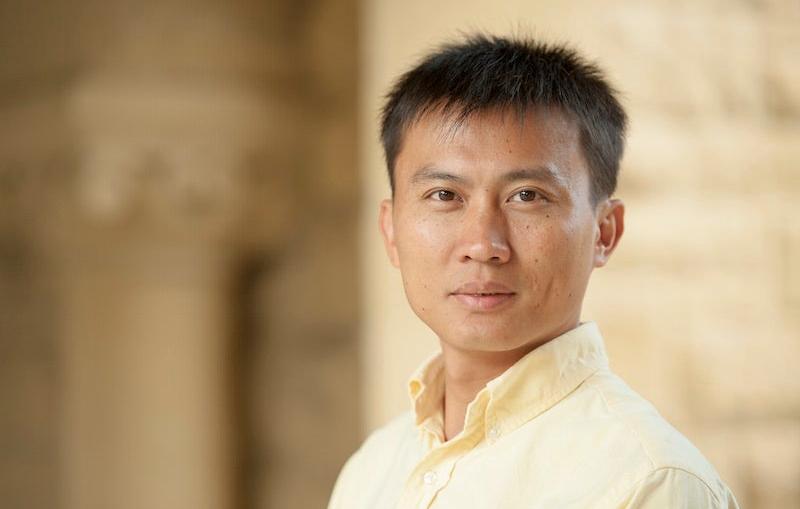
The award recognizes the Stanford/SLAC professor’s pioneering work in the fields of energy and nanomaterials science.

Photo - Yi Cui SLAC/Stanford professor
Feature

Propagating “charge density wave” fluctuations are seen in superconducting copper oxides for the first time.

Illustration of electronic behavior in copper oxide materials
Feature

TIMES applies the power of theory to the search for novel materials with remarkable properties that could revolutionize technology.

Feature

Researchers, including from SIMES, say extracting uranium from seawater could help nuclear power play a larger role in a carbon-free energy future.

Feature

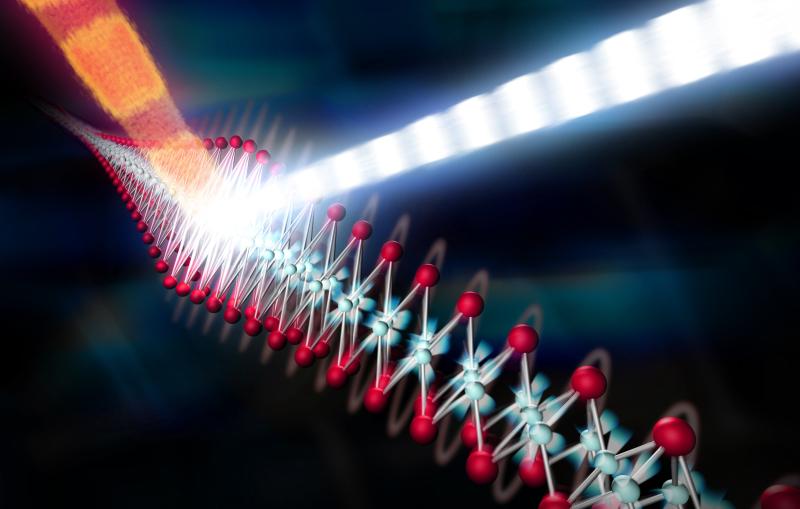
Computer simulations by SLAC physicists show how light pulses can create channels that conduct electricity with no resistance in some atomically thin semiconductors.

News Release

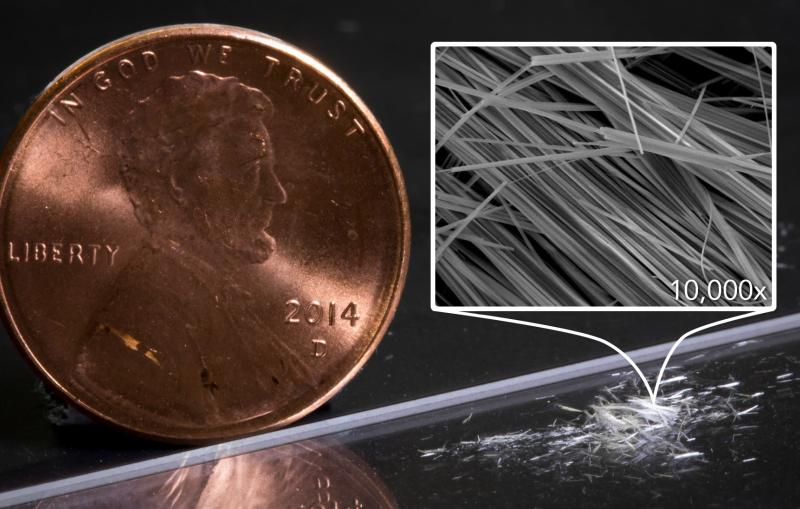
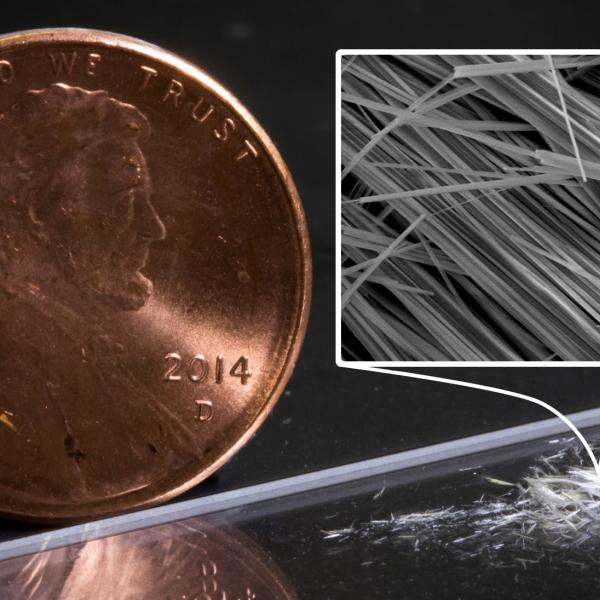
Scientists at Stanford and SLAC use diamondoids – the smallest possible bits of diamond – to assemble atoms into the thinnest possible electrical wires.

Diamondoids on a lab bench and under microscope, with penny for scale
Feature

Squeezing a platinum catalyst a fraction of a nanometer nearly doubles its catalytic activity, a finding that could lead to better fuel cells and...

Video

Public lecture presented by Rob Moore

stillframe from public lecture material world
Video
Feature

Understanding how a material’s electrons interact with vibrations of its nuclear lattice could help design and control novel materials, from solar cells to high-temperature...

Feature

Researchers have engineered a low-cost plastic material that could become the basis for clothing that cools the wearer, reducing the need for energy-consuming air...