SLAC topics

Stanford Institute for Materials & Energy Sciences (SIMES) RSS feed

SIMES researchers study complex, novel materials that could transform the energy landscape by making computing much more efficient or transmitting power over long distances with no loss, for instance.
Visit SIMES website

Browse tagged content below

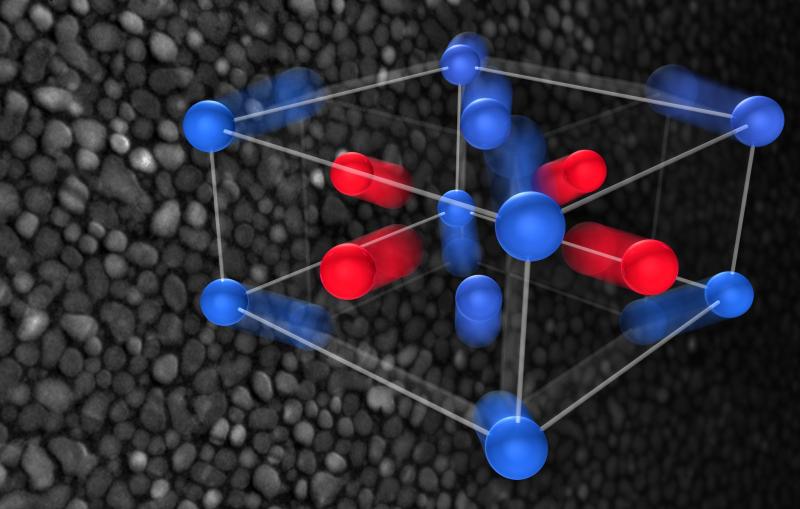
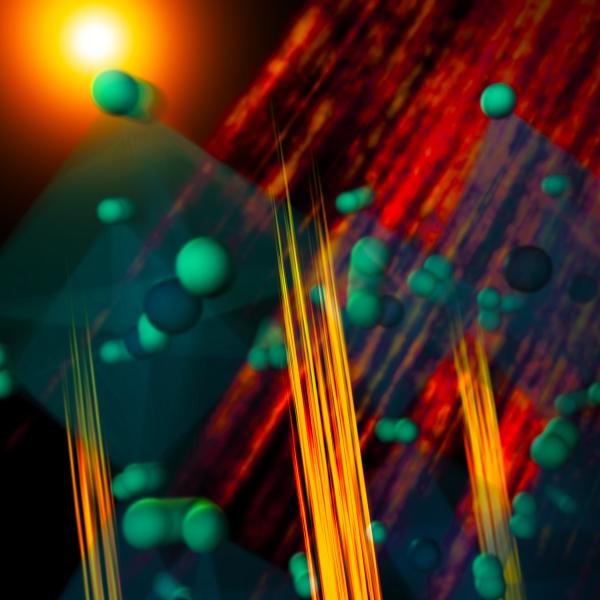
Polarons, bubbles of distortion in a perovskite lattice.
Feature

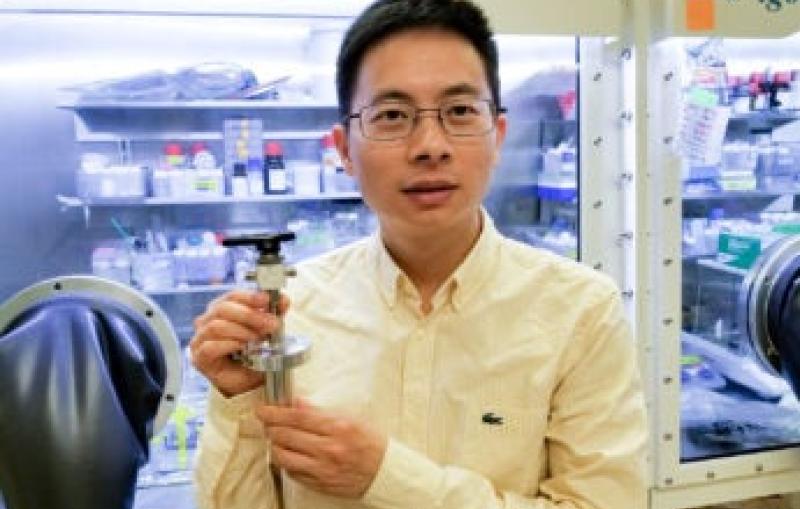
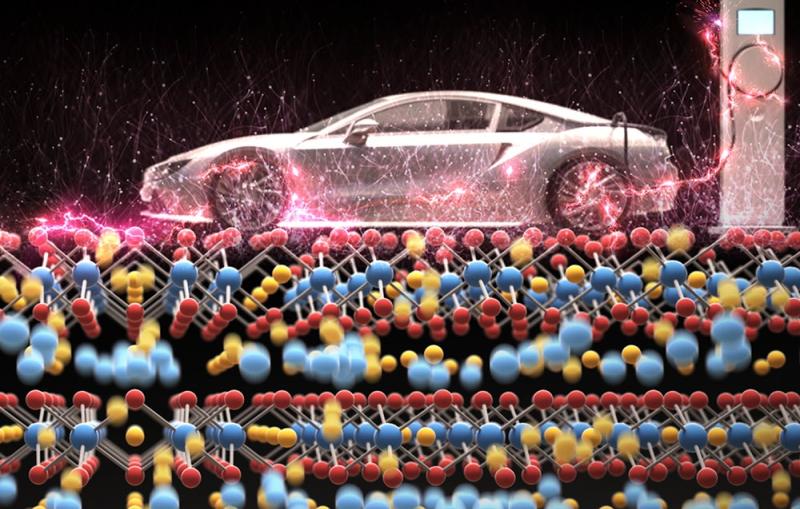
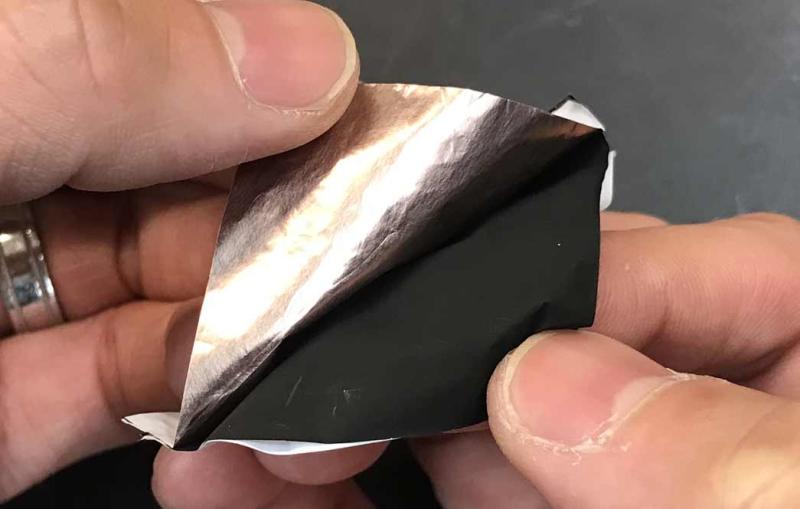
SIMES scientists have developed a manganese-hydrogen battery that could fill a missing piece in the nation’s energy puzzle by storing wind and solar energy...

Feature

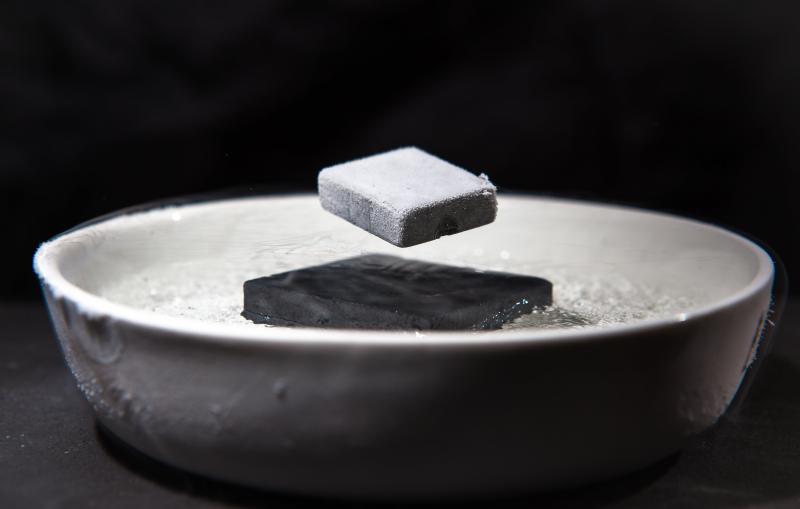
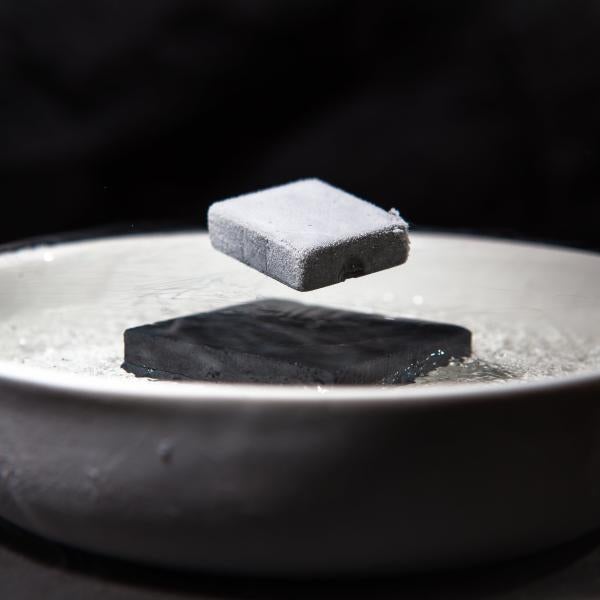
Understanding strontium titanate’s odd behavior will aid efforts to develop materials that conduct electricity with 100 percent efficiency at higher temperatures.

Image of magnet floating above a superconducting material
Feature

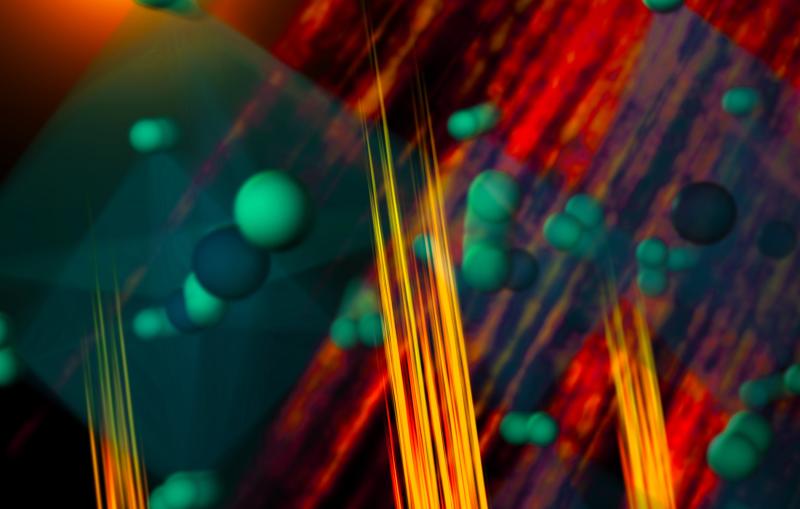
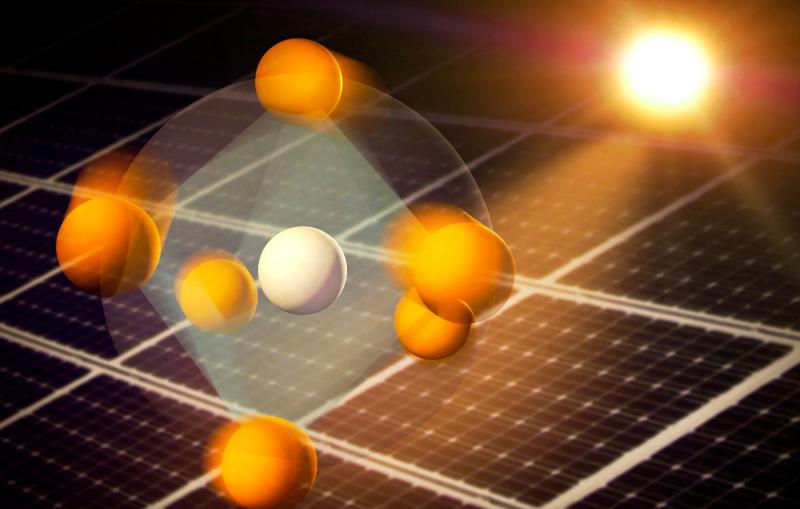
Research conducted at the atomic scale could help explain how electric currents move efficiently through hybrid perovskites, promising materials for solar cells.

Illustration of what happens when simulated sunlight hits perovskite
News Release

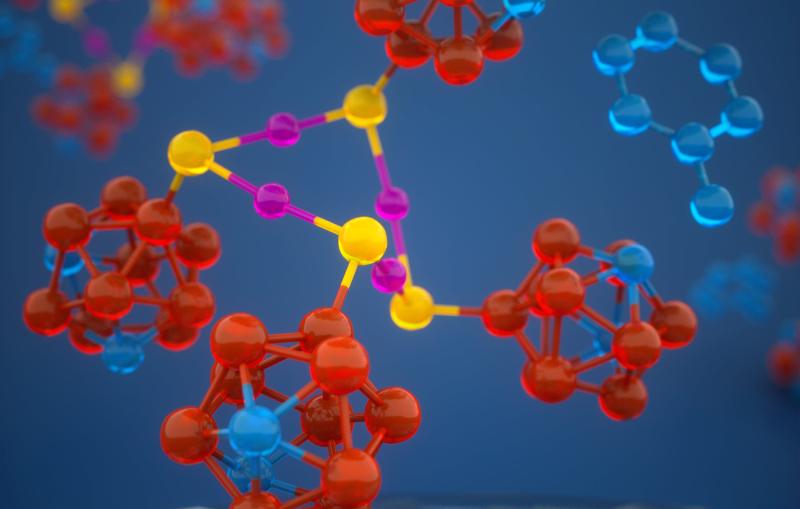
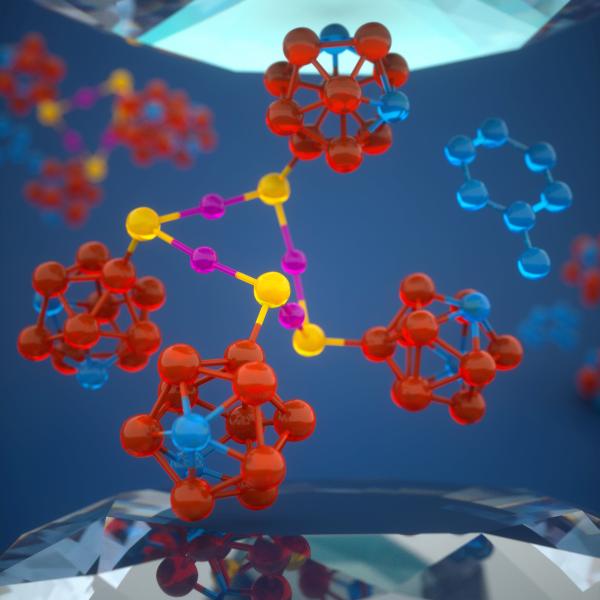
Experiments with 'molecular anvils' mark an important advance for mechanochemistry, which has the potential to make chemistry greener and more precise.

Illustration of soft molecules attached to molecular anvils between diamond tips
Feature

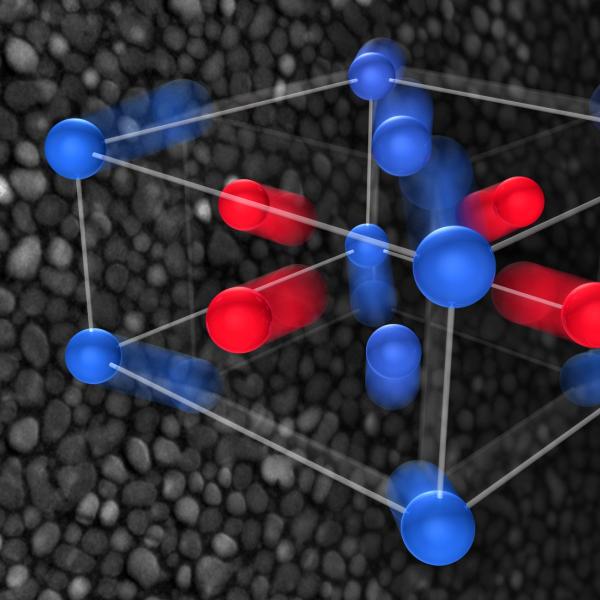
Combining X-ray and electron data from two cutting-edge SLAC instruments, researchers make the first observation of the rapid atomic response of iron-platinum nanoparticles to...

ultrafast electron diffraction on iron-platinum
News Release

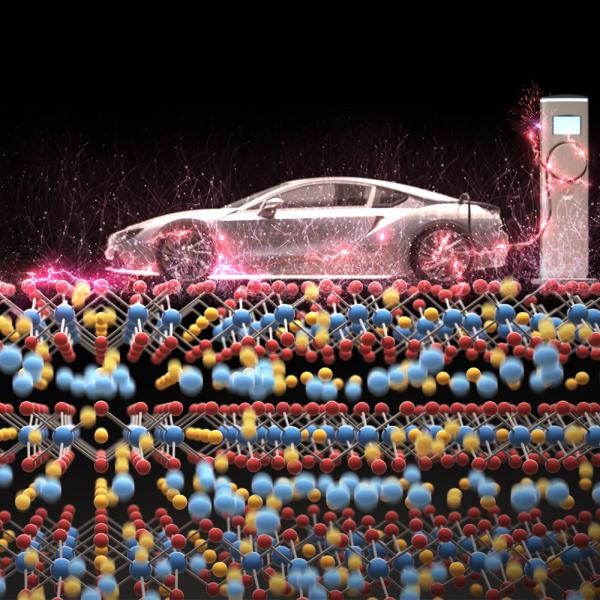
They created a comprehensive picture of how the same chemical processes that give these cathodes their high capacity are also linked to changes in...

Electrode structure for lithium ion battery.
Feature

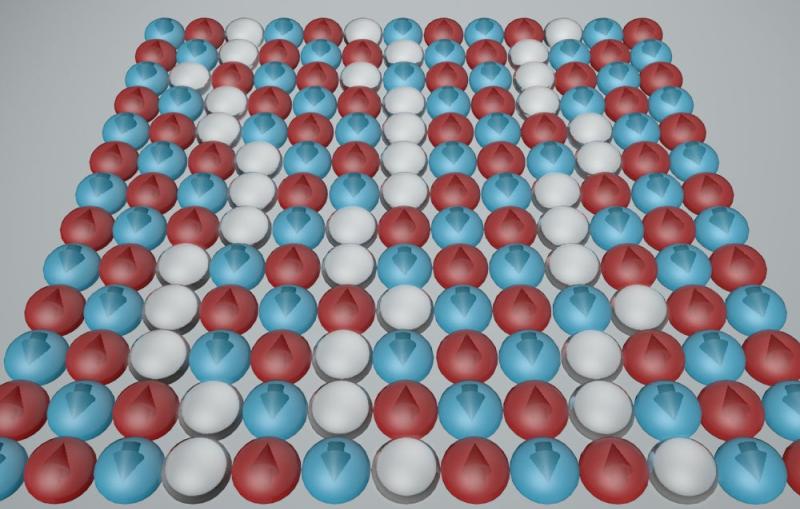
These stripes of electron spin and charge are exciting because of their possible link to a phenomenon that could transform society by making electrical...

Illustration of spin and charge stripes modeled by computer
Feature

Research with SLAC’s X-ray laser simulates what happens when a meteor hits Earth’s crust. The results suggest that scientists studying impact sites have been...

Feature

Clothing made from a reversible fabric, developed in part by SIMES researchers, could warm or cool wearers and keep them comfortable, bringing down buildings’...

News Release

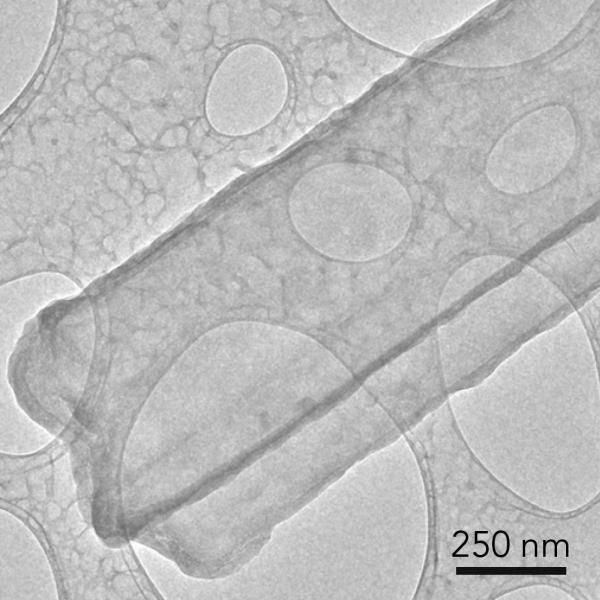
Remarkable cryo-EM images that reveal details down to the individual atom will yield new insights into why high-energy batteries fail.

A lithium metal dendrite, taken with cryogenic electron microscopy or cryo-EM
News Release

SLAC’s ultrafast “electron camera” reveals unusual atomic motions that could be crucial for the efficiency of next-generation perovskite solar cells.

UED Perovskites
Feature

A team including SIMES principal investigator Shoucheng Zhang says it has found the first firm evidence of such a Majorana fermion.