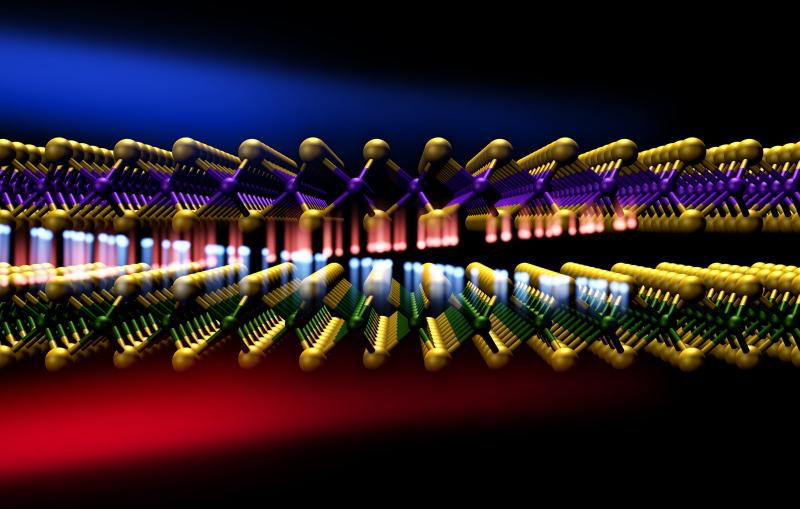
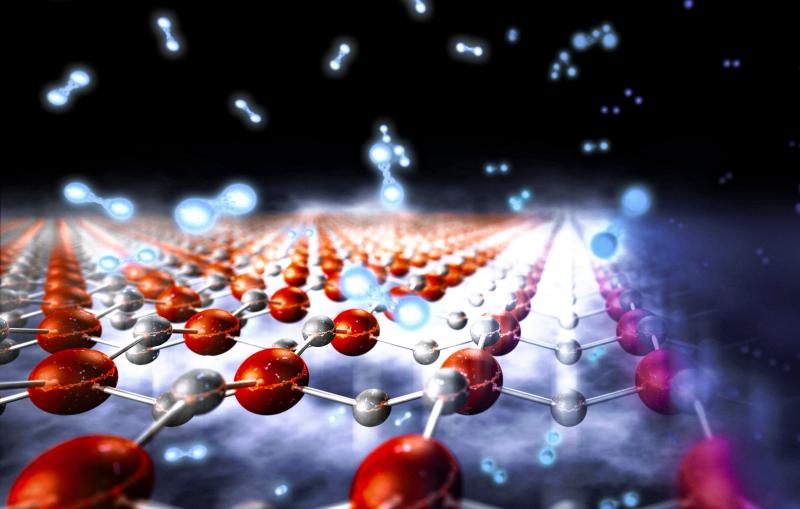
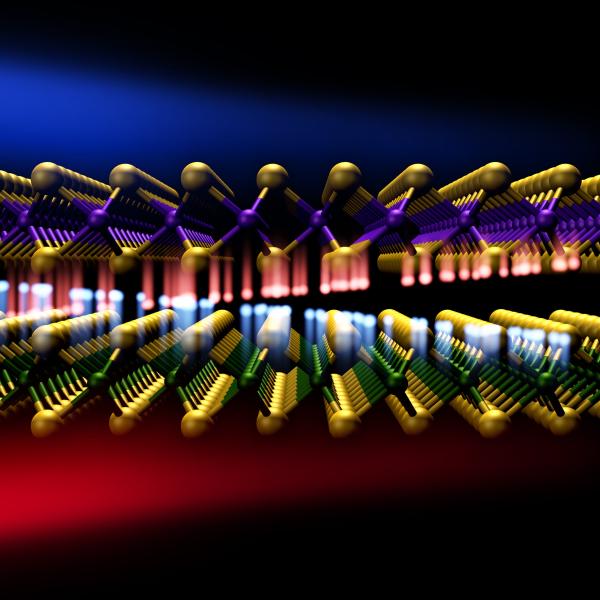
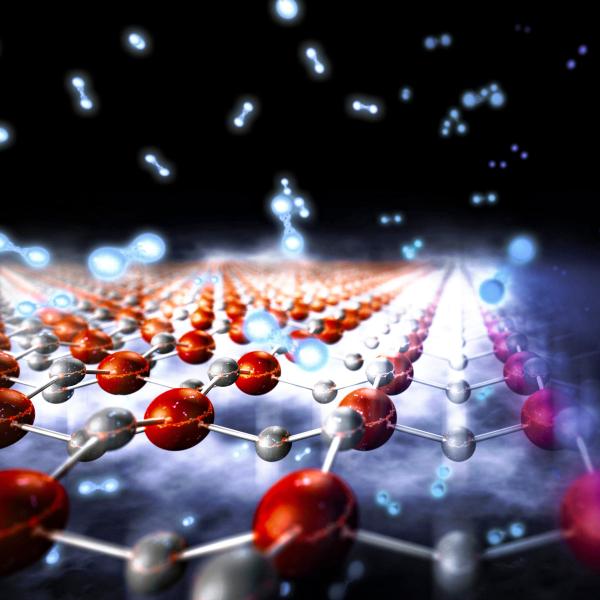
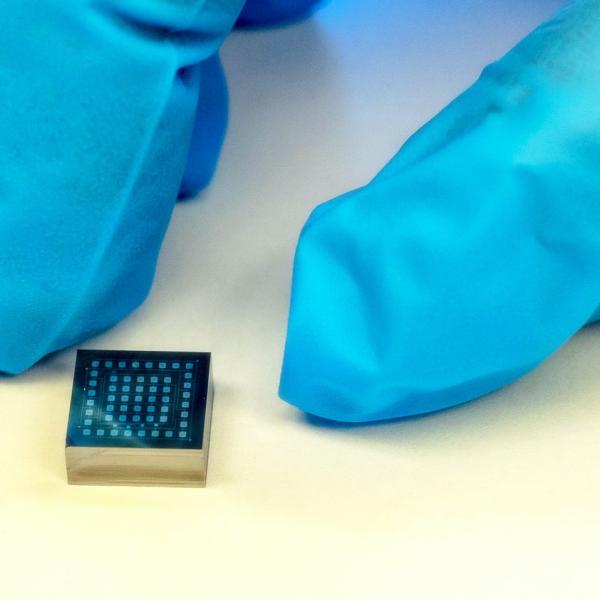
Watching electrons sprint between atomically thin layers of material will shed light on the fundamental workings of semiconductors, solar cells and other key technologies.
“The Worlds Within” and “Fabrication of the Accelerator Structure,” now available digitally in high fidelity, tell the story of Stanford Linear Accelerator Center’s inception...
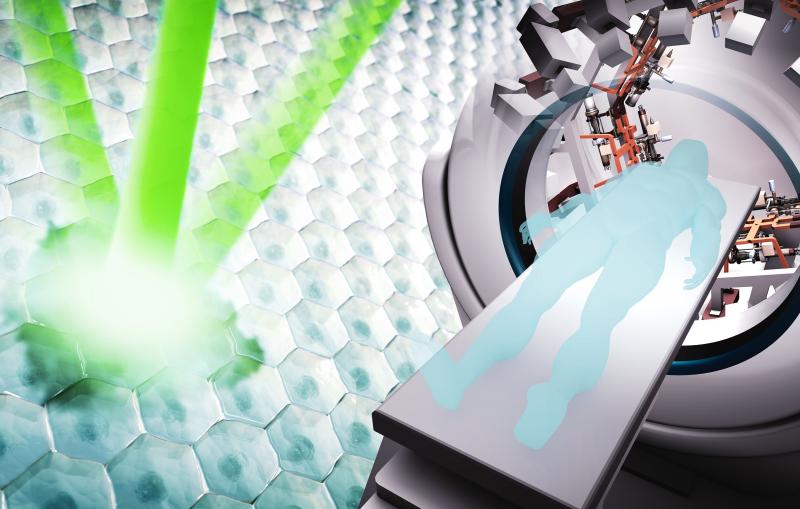
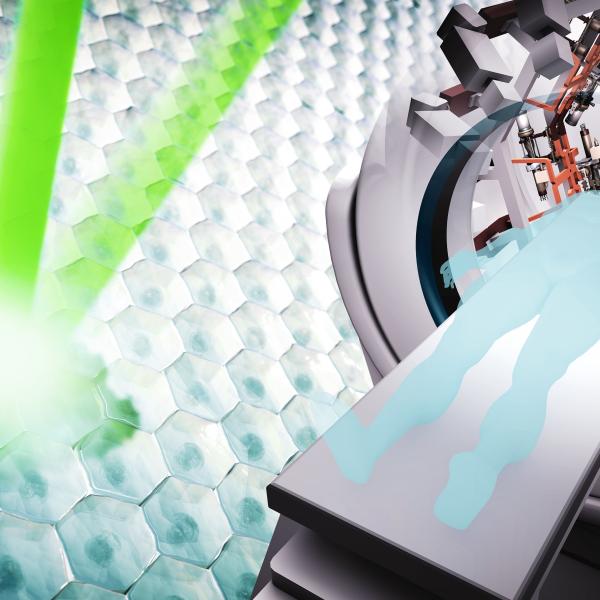
SLAC and Stanford researchers secure support for two projects that share one goal: to reduce the side effects of radiation therapy by vastly shrinking...
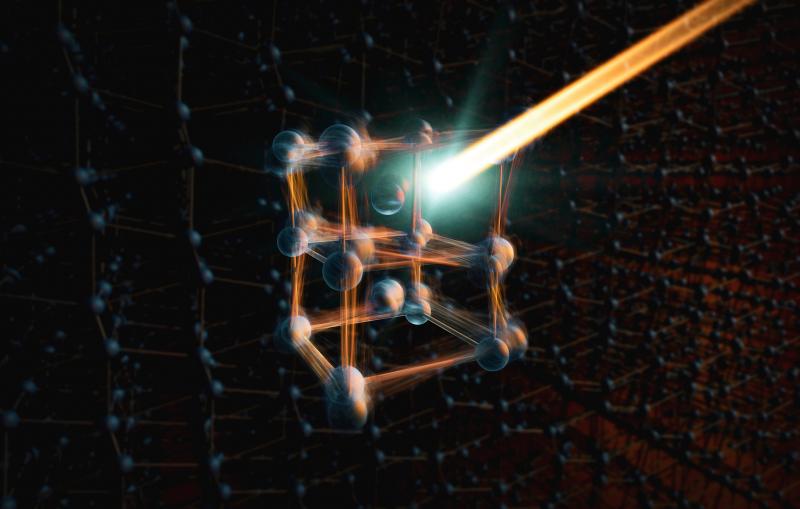
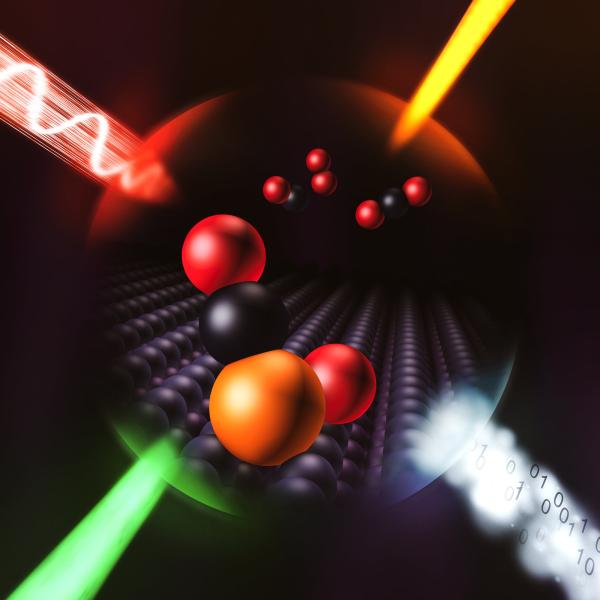
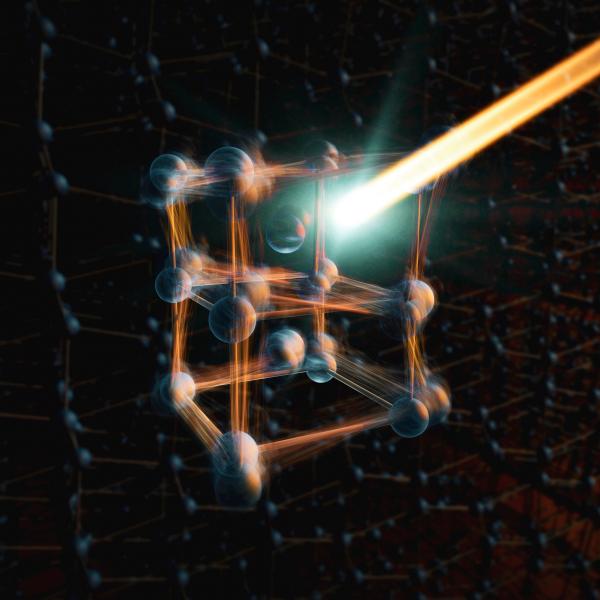
Revealed for the first time by a new X-ray laser technique, their surprisingly unruly response has profound implications for designing and controlling materials.
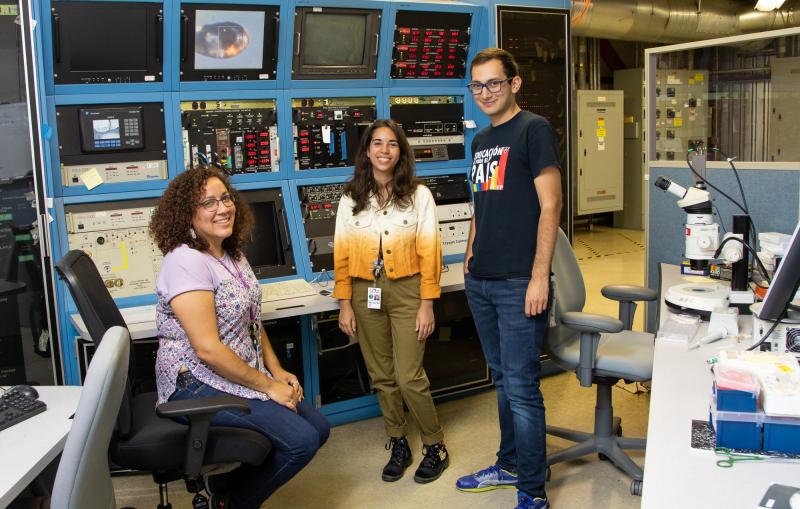
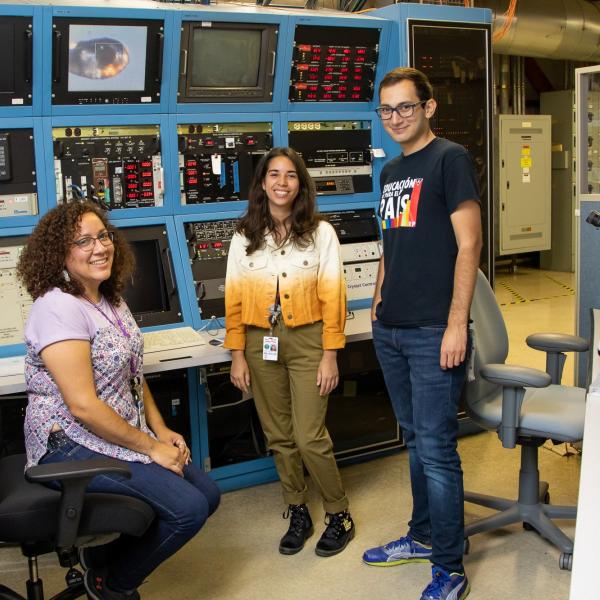
This summer, five graduate students from the University of Puerto Rico had the opportunity to use SLAC’s world-class facilities to keep their studies on...
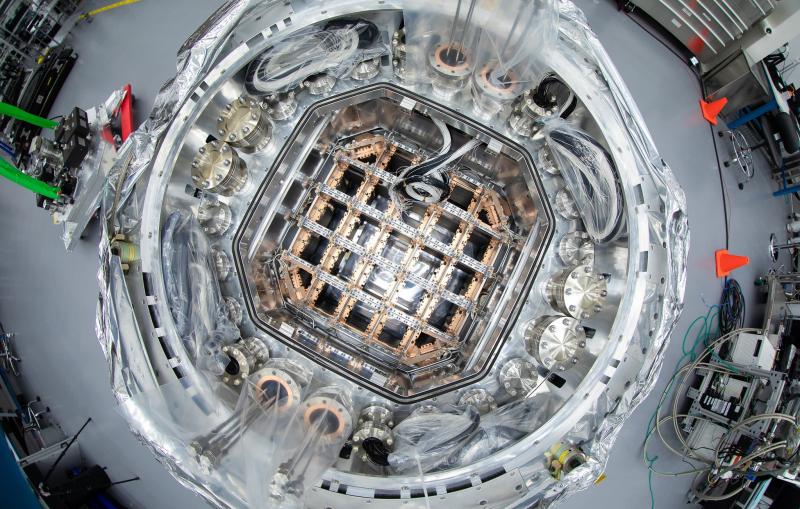
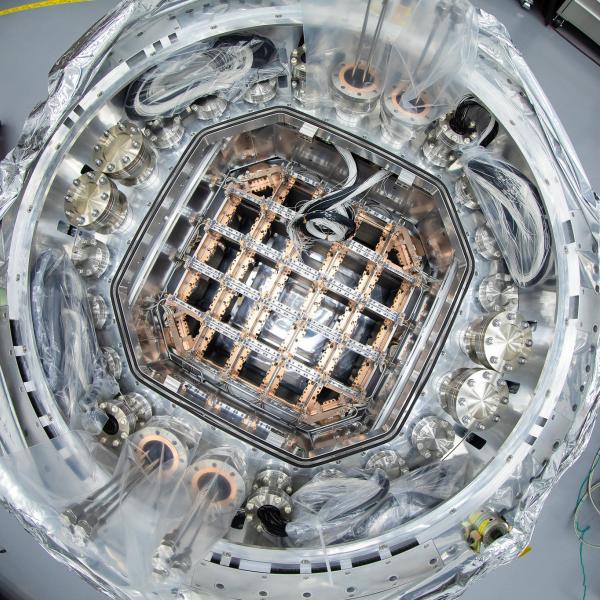
The LSST cryostat, now fully assembled, will keep the camera’s image sensors continuously cooled to minus 150 degrees Fahrenheit for crisp, high-sensitivity views of...
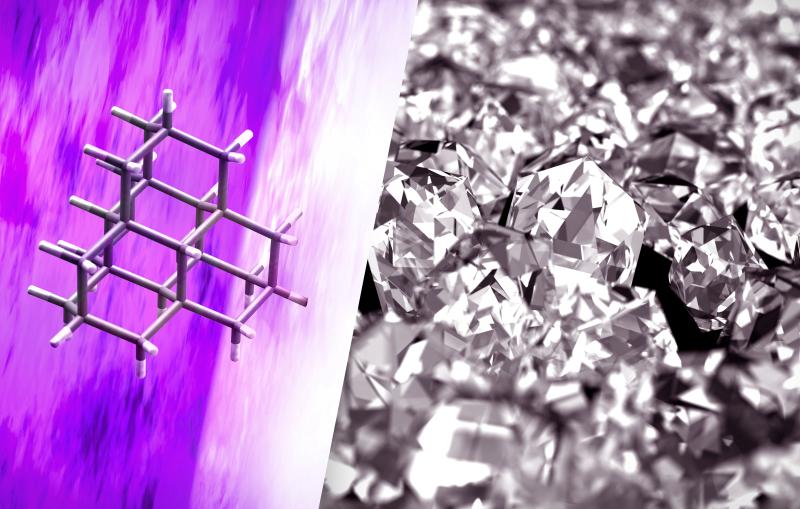
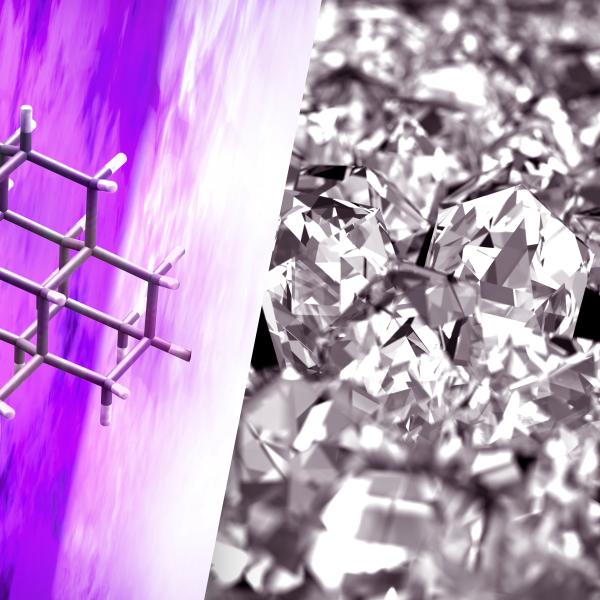
A SLAC-Stanford study reveals exactly what it takes for diamond to crystallize around a “seed” cluster of atoms. The results apply to industrial processes...
Watching electrons sprint between atomically thin layers of material will shed light on the fundamental workings of semiconductors, solar cells and other key technologies.
“The Worlds Within” and “Fabrication of the Accelerator Structure,” now available digitally in high fidelity, tell the story of Stanford Linear Accelerator Center’s inception and construction.
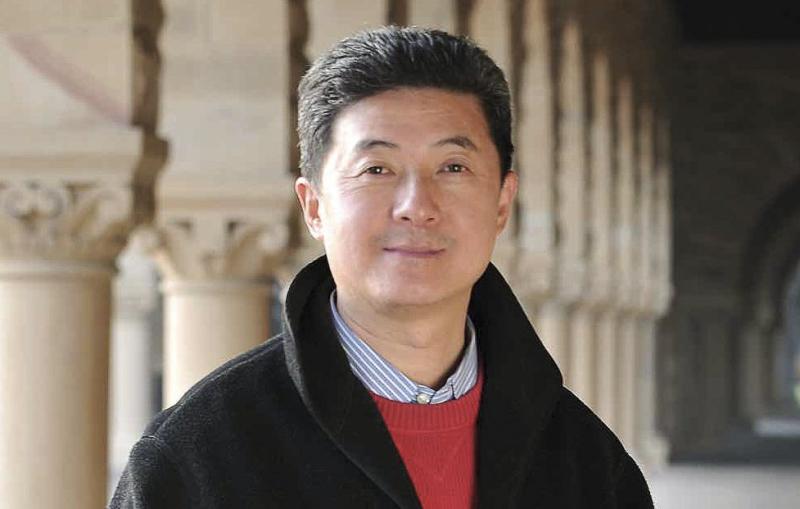
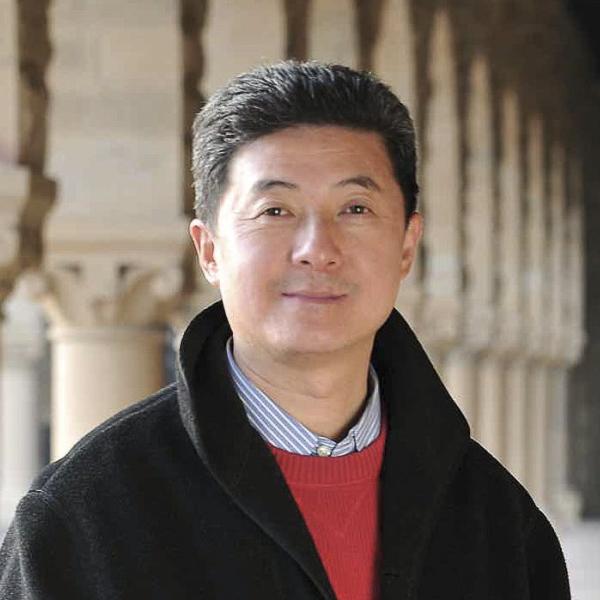
The SIMES researcher was a rare theorist who concerned himself with the implications of his abstract ideas about new quantum states of matter on experiments and future technologies.
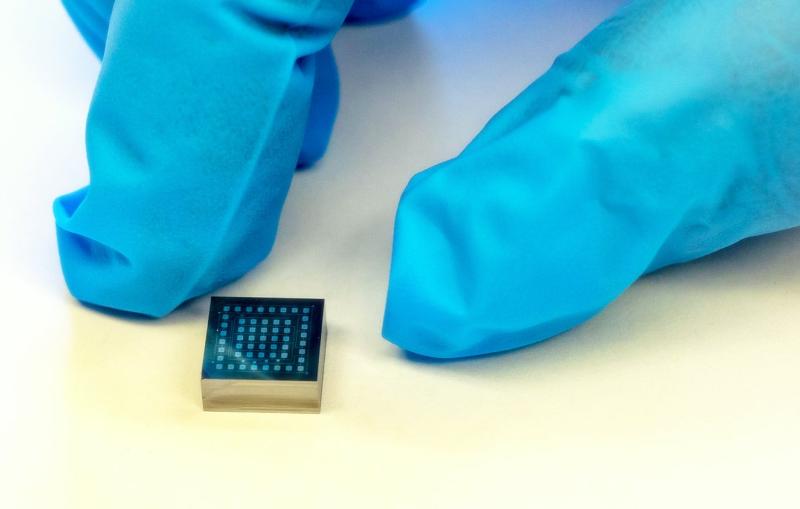
SLAC and Stanford researchers secure support for two projects that share one goal: to reduce the side effects of radiation therapy by vastly shrinking the length of a typical session.
Revealed for the first time by a new X-ray laser technique, their surprisingly unruly response has profound implications for designing and controlling materials.
This summer, five graduate students from the University of Puerto Rico had the opportunity to use SLAC’s world-class facilities to keep their studies on track.
The LSST cryostat, now fully assembled, will keep the camera’s image sensors continuously cooled to minus 150 degrees Fahrenheit for crisp, high-sensitivity views of the night skies.
A SLAC-Stanford study reveals exactly what it takes for diamond to crystallize around a “seed” cluster of atoms. The results apply to industrial processes and to what happens in clouds overhead.