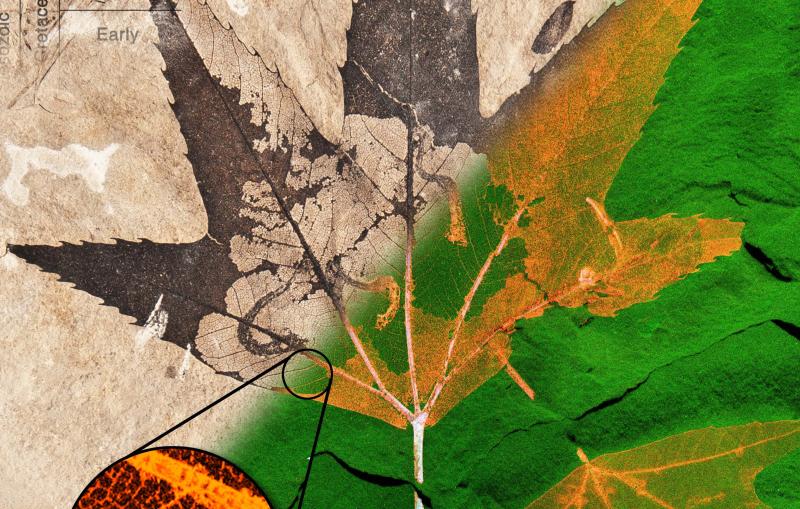
X-ray studies conducted at SLAC and in the United Kingdom have resurrected the detailed chemistry of 50-million-year-old leaves from fossils found in the western...
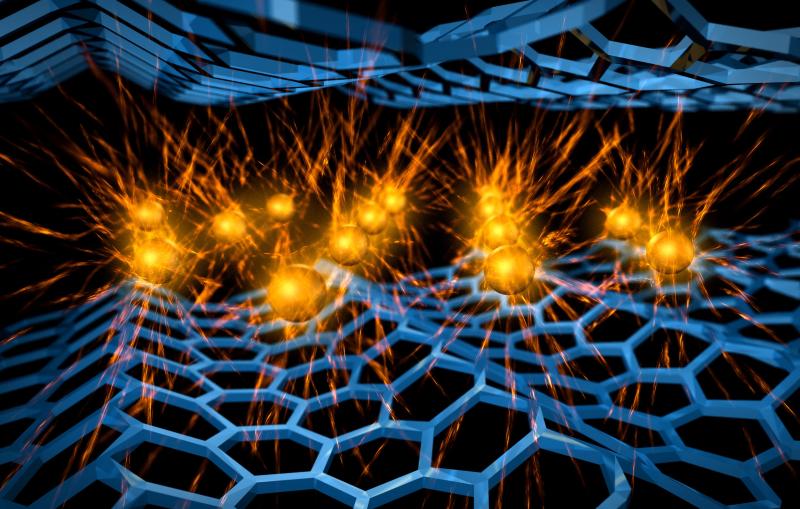
Scientists have discovered a potential way to make graphene – a single layer of carbon atoms with great promise for future electronics – superconducting...
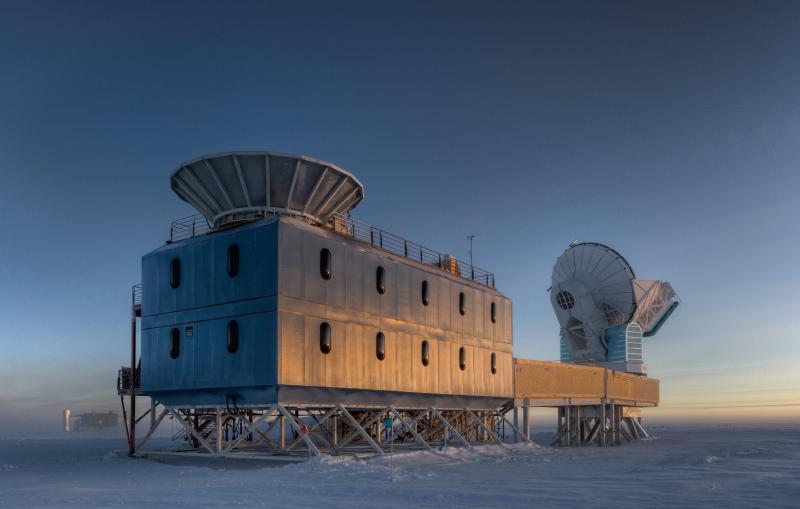
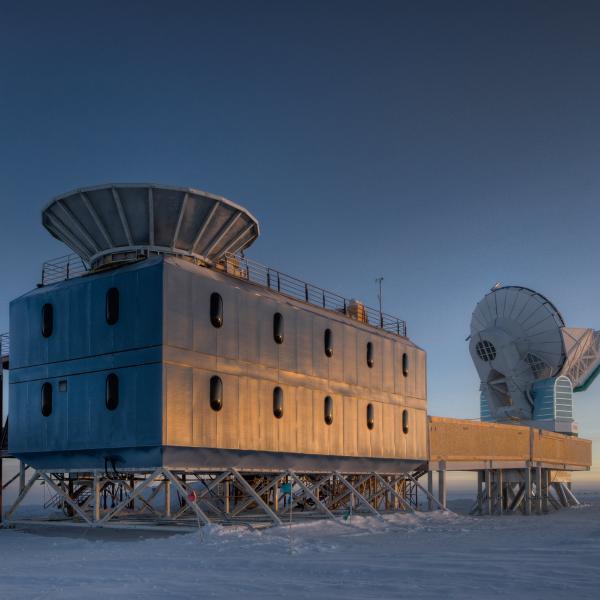
Researchers from the BICEP2 collaboration have announced the first direct evidence supporting the theory of cosmic inflation. Their data also represent the first images...
More than 150 US universities and laboratories are engaged in particle physics research and technology innovation, playing important roles in the Higgs boson and...
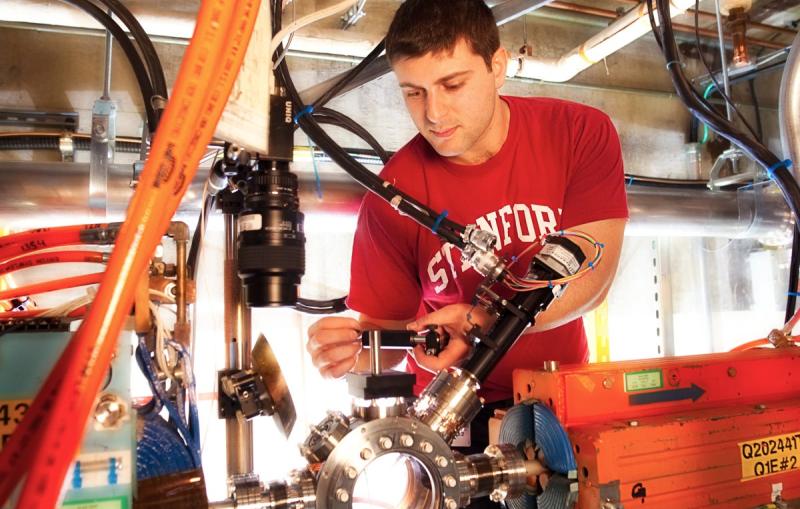
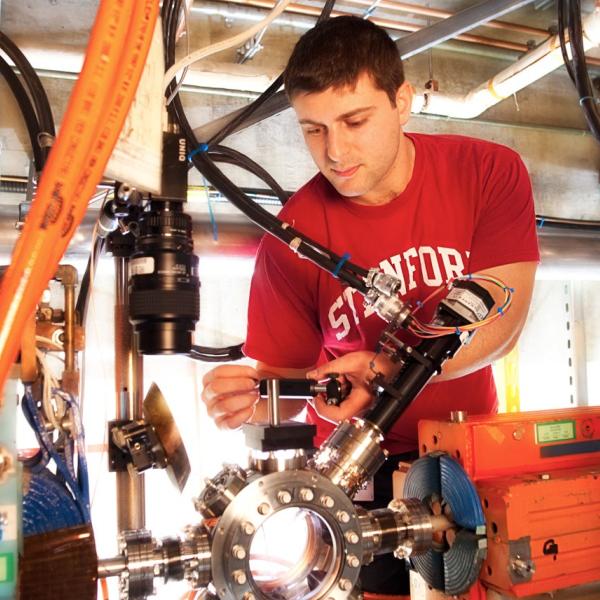
Stanford graduate student Spencer Gessner has received a Siemann fellowship to help him continue his research into cutting-edge accelerator physics at SLAC's Facility for...
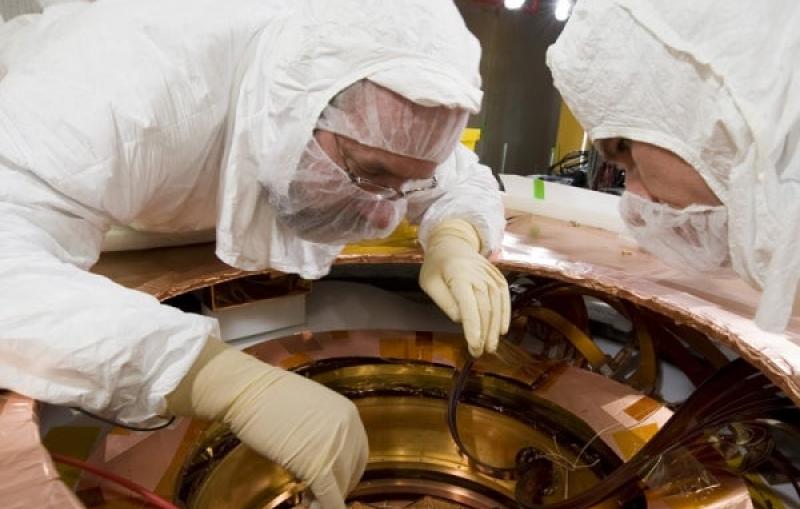
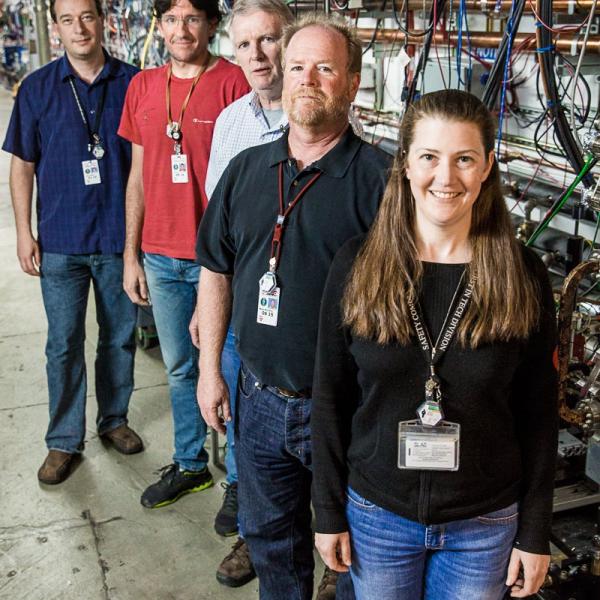
SLAC accelerator physicists have been instrumental in creating a vital part of a future Higgs boson-producing linear accelerator, from developing the initial design nearly...
Particle Fever is a documentary that follows scientists involved in research at the Large Hadron Collider, including the ATLAS Experiment in which SLAC participates...
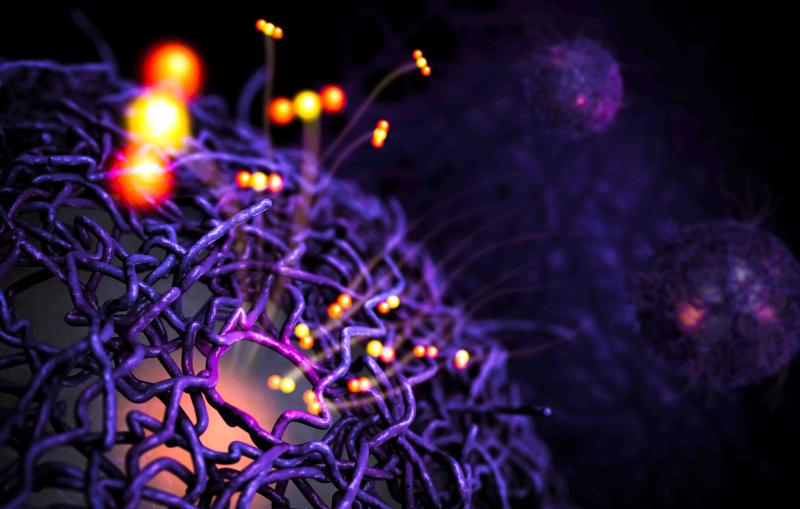
Created by scientists from Stanford, SLAC and Denmark, the new nickel-gallium catalyst converts carbon dioxide emissions into an important industrial chemical and potential fuel
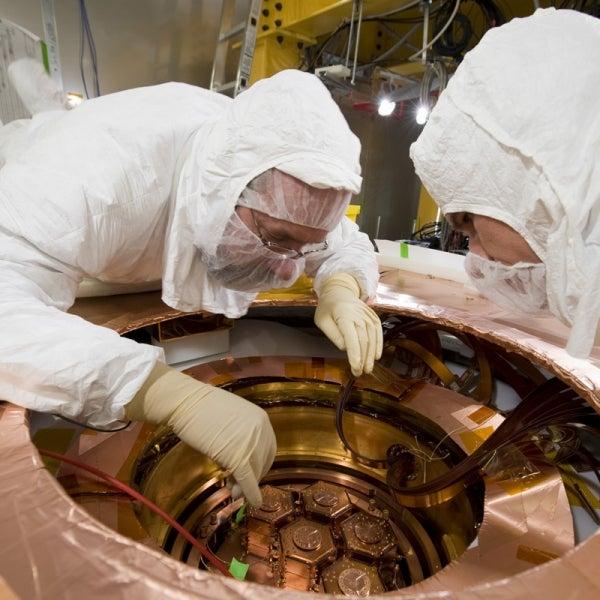
In a newly announced result from the Cryogenic Dark Matter Search experiment, scientists have placed a more stringent limit on "light," or low-mass, dark...
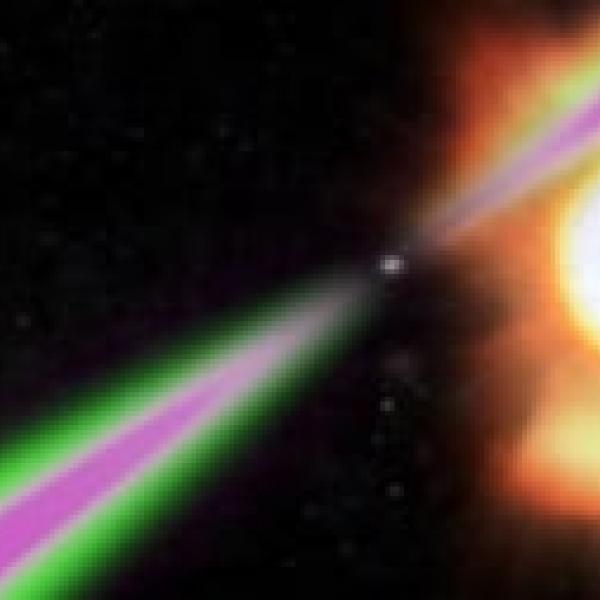
Black widow spiders and their Australian cousins, known as redbacks, are notorious for their tainted love, expressed as an unsettling tendency to kill and...
One common stereotype of a theoretical physicist is the solitary scientist, scribbling away in his or her office and only emerging when there’s a "Eureka!" in the offing. SLAC accelerator physicist Gennady Stupakov would beg to differ.
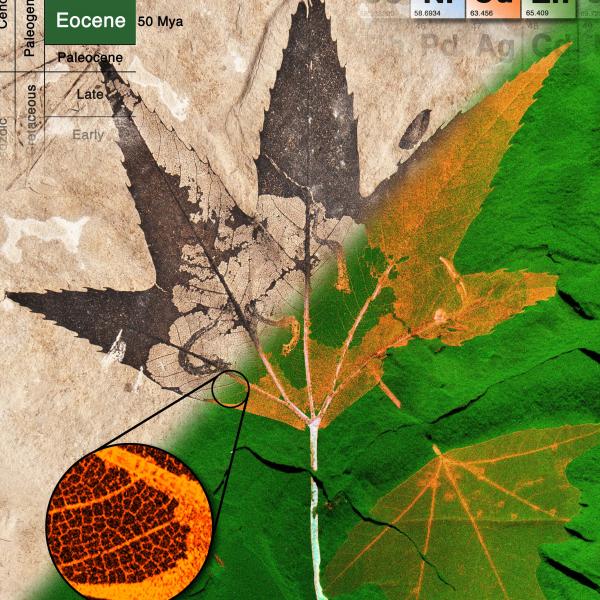
X-ray studies conducted at SLAC and in the United Kingdom have resurrected the detailed chemistry of 50-million-year-old leaves from fossils found in the western United States and found striking similarities to their modern descendants.
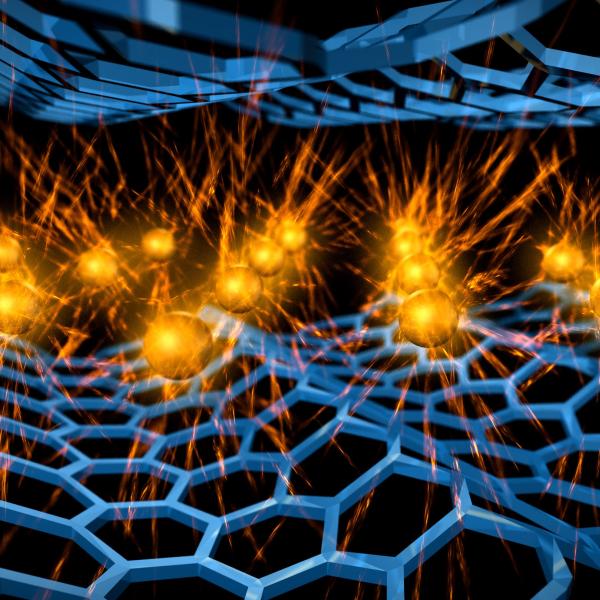
Scientists have discovered a potential way to make graphene – a single layer of carbon atoms with great promise for future electronics – superconducting, a state in which it would carry electricity with 100 percent efficiency.
Researchers from the BICEP2 collaboration have announced the first direct evidence supporting the theory of cosmic inflation. Their data also represent the first images of gravitational waves, or ripples in space-time. These waves have been described as the "first tremors...
More than 150 US universities and laboratories are engaged in particle physics research and technology innovation, playing important roles in the Higgs boson and cosmic inflation discoveries—and the many more revelations still to come.
Stanford graduate student Spencer Gessner has received a Siemann fellowship to help him continue his research into cutting-edge accelerator physics at SLAC's Facility for Advanced Accelerator Experimental Tests.
SLAC accelerator physicists have been instrumental in creating a vital part of a future Higgs boson-producing linear accelerator, from developing the initial design nearly 15 years ago to its successful demonstration in 2013.
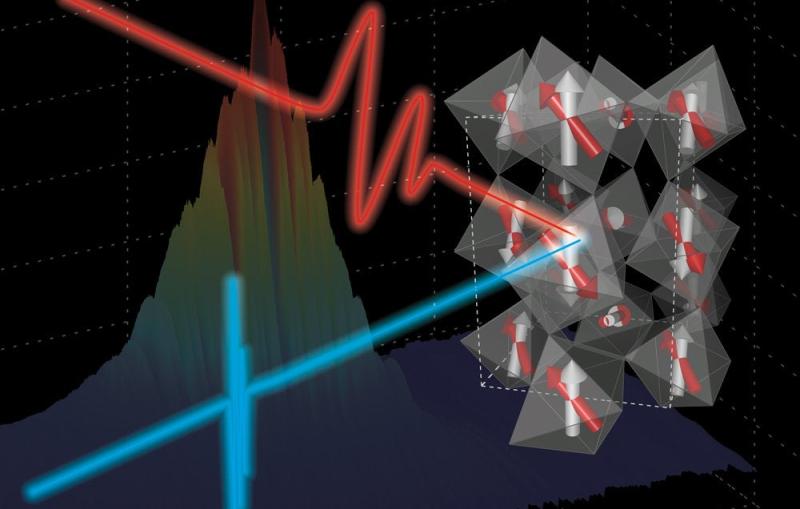
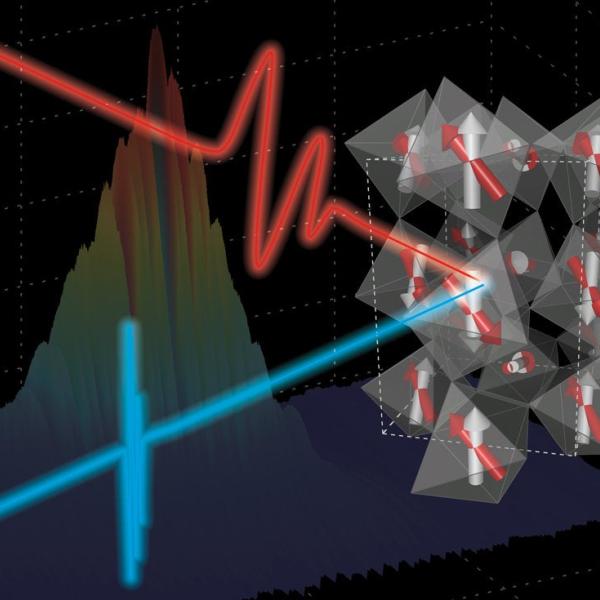
An experiment at SLAC’s X-ray laser has revealed the first atomic-scale details of a new technique that could point the way to faster data storage in smartphones, laptops and other devices.
Particle Fever is a documentary that follows scientists involved in research at the Large Hadron Collider, including the ATLAS Experiment in which SLAC participates. The film opens this week in select theaters across the United States.
Created by scientists from Stanford, SLAC and Denmark, the new nickel-gallium catalyst converts carbon dioxide emissions into an important industrial chemical and potential fuel
In a newly announced result from the Cryogenic Dark Matter Search experiment, scientists have placed a more stringent limit on "light," or low-mass, dark matter. SLAC and Stanford members of CDMS created the detectors used in the search, and SLAC...
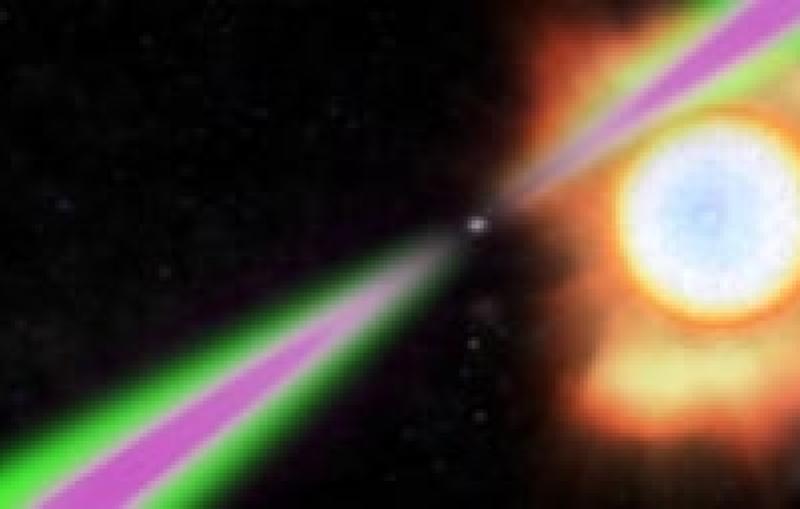
Black widow spiders and their Australian cousins, known as redbacks, are notorious for their tainted love, expressed as an unsettling tendency to kill and devour their male partners. Astronomers have noted similar behavior among two rare breeds of binary system...