
SLAC topics

Science news RSS feed

The latest news about SLAC research, science programs, facilities and people. 

More on our News Center and Media Resources pages

Browse tagged content

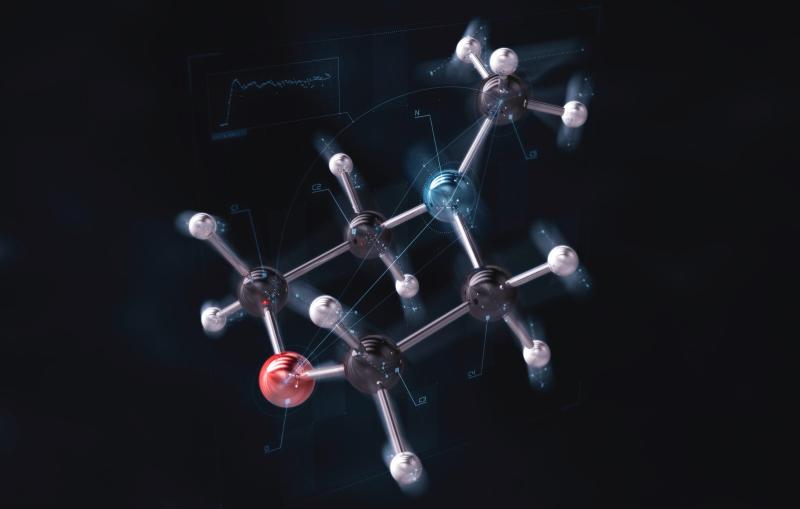
Scientists create artificial catalysts inspired by living enzymes
Feature

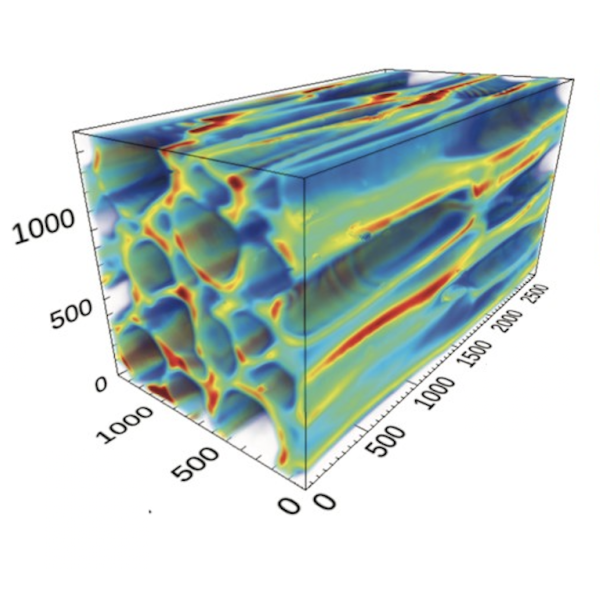
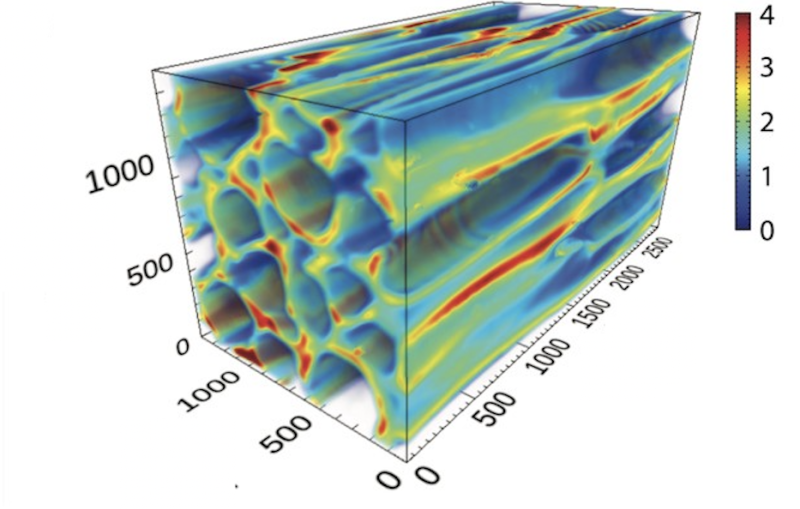
The research could lead to a better understanding of extreme astrophysical environments and the development of compact high-energy radiation sources for science.

high-energy electrons strengthen magnetic fields
Feature

An international team led by SLAC/Stanford Professor Ed Solomon used a tantalizing principle borrowed from nature to turn harmful methane into useful methanol.

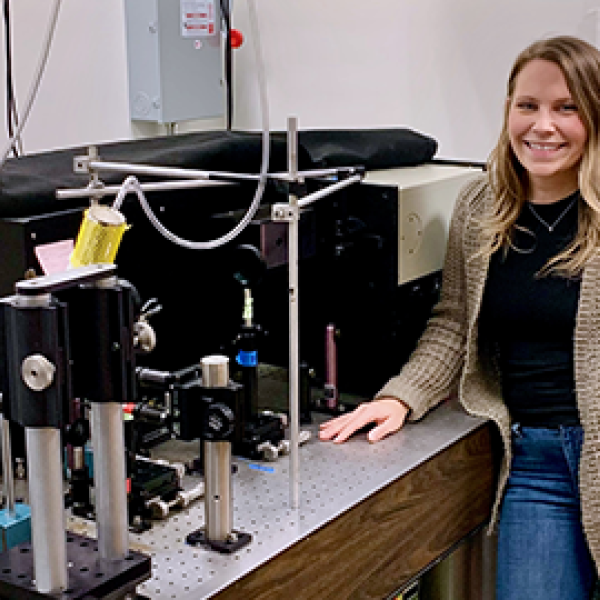
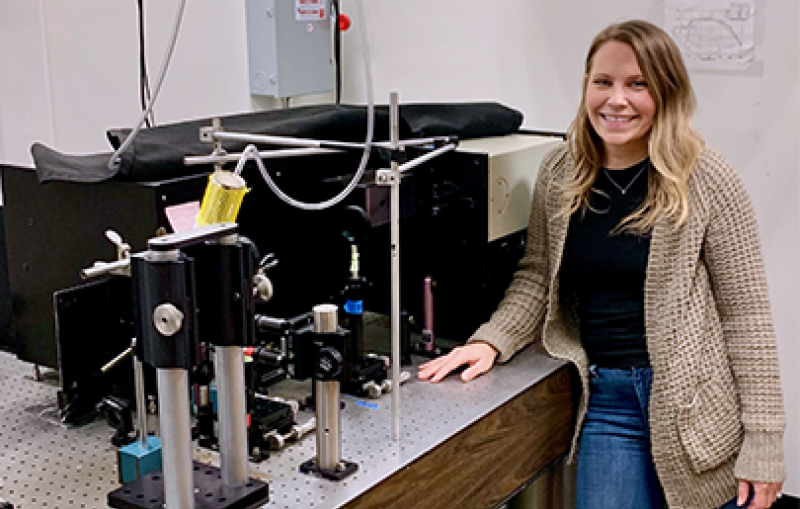
Hannah Rhoda with the resonance Raman spectroscopy equipment at Stanford
News Release

They discover a short-lived state that could lead to faster and more energy-efficient computing devices.

ultrafast switching
Feature

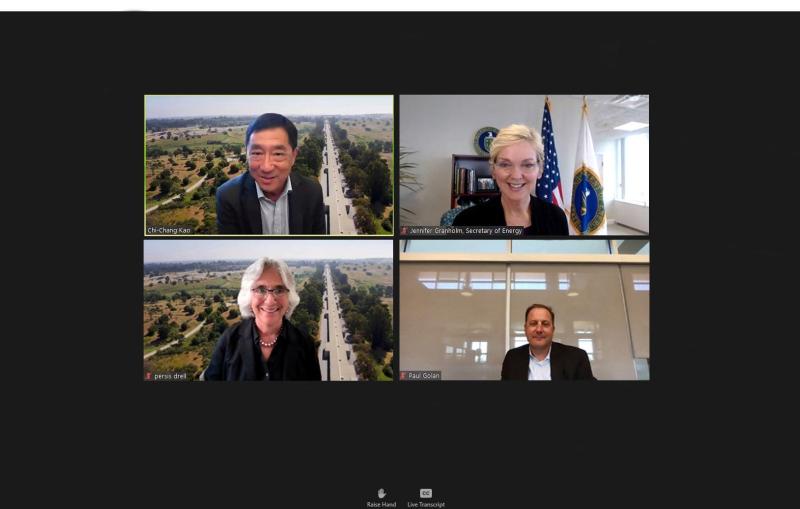
She toured the lab’s powerful X-ray laser, looked at the construction of the world’s largest digital camera, and discussed climate research, industries of the...

Secretary Granholm virtual visit
Feature

The lab will help fund the work of researchers who use artificial intelligence and machine learning to make energy systems more sustainable, affordable, resilient...

Portrait of Yi Cui, director of the Precourt Institute at Stanford
Feature

The Horizon Prizes celebrate the most exciting, contemporary chemical science at the cutting edge of research and innovation.

ultrafast X-ray scattering
Feature

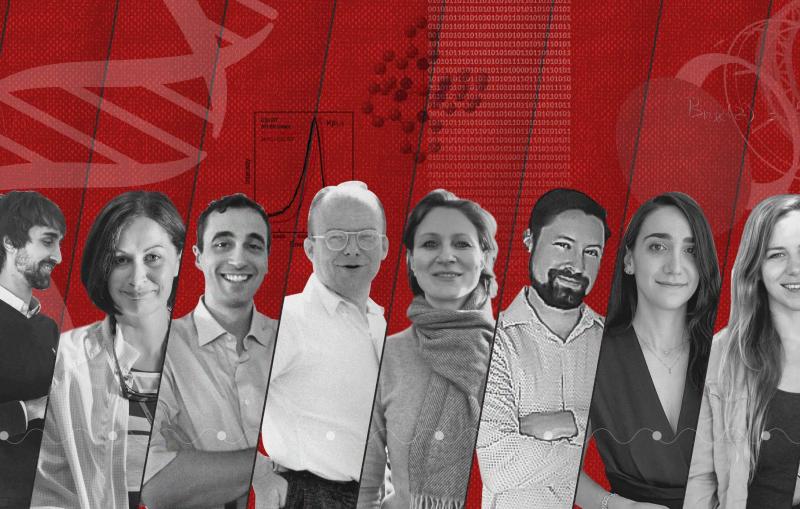
From the invisible world of elementary particles to the mysteries of the cosmos, recipients of this prestigious award for early career scientists explore nature...

Panofsky fellows
Feature

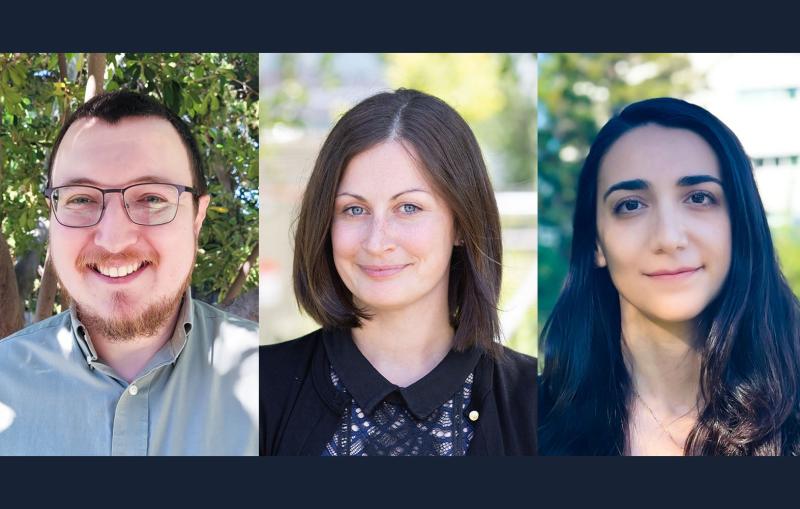
Edward Hohenstein, Emma McBride and Caterina Vernieri study what happens to molecules hit by light, recreate extreme states of matter like those inside stars...

Early Career Awardees 2021
Feature

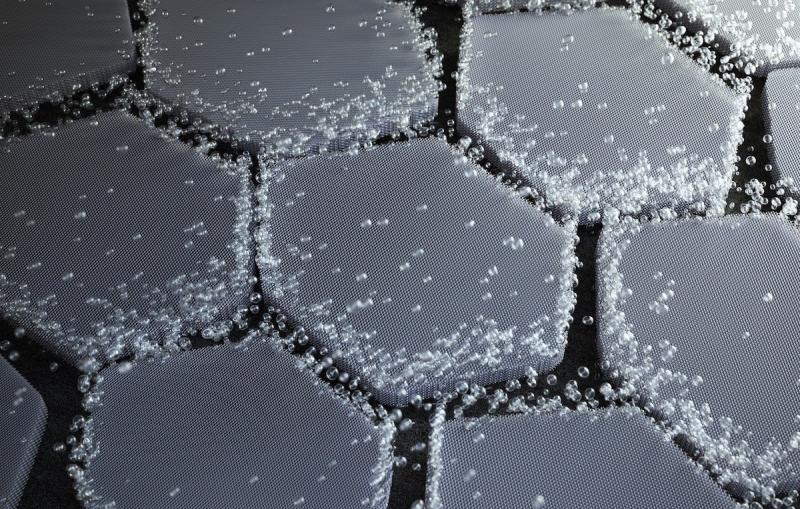
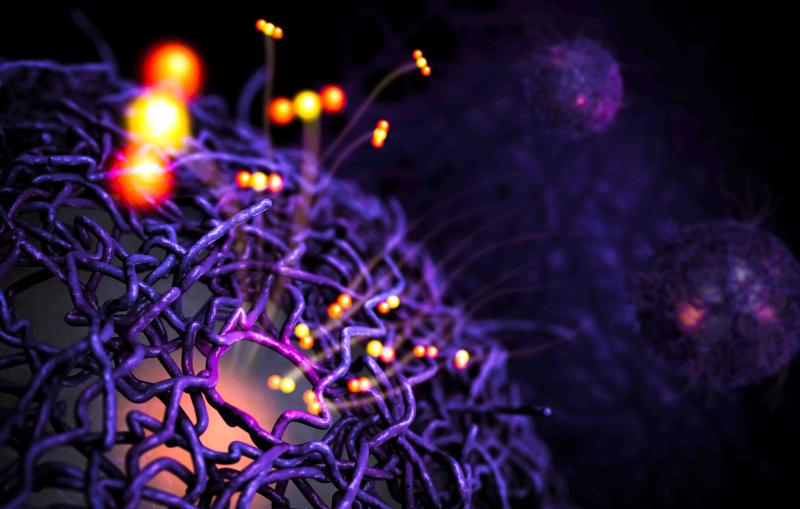
With a new suite of tools, scientists discovered exactly how tiny plate-like catalyst particles carry out a key step in that conversion – the...

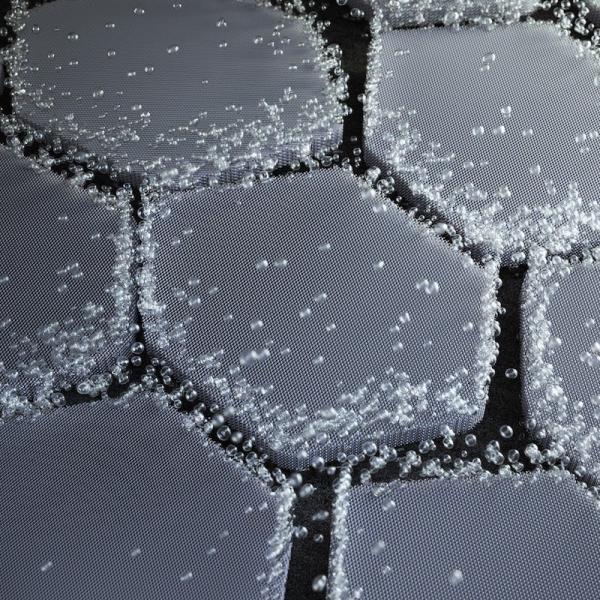
Illustration of nanoscale catalyst particles.
Feature

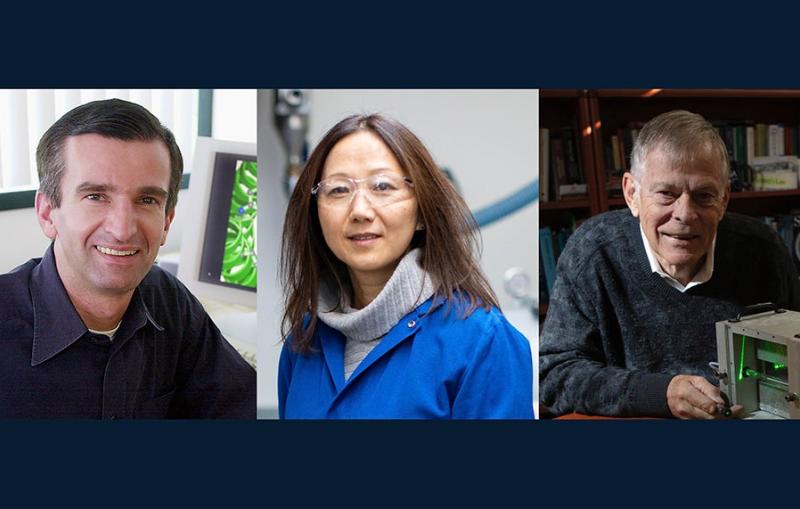
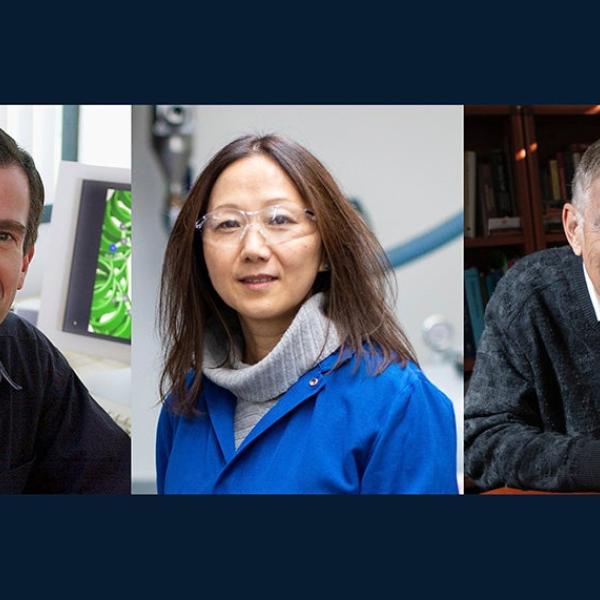
Zhenan Bao, Axel Brunger and Robert Byer are among 252 new members elected to the society, which honors exceptional scholars, leaders, artists and innovators...

AAAS new members
Feature

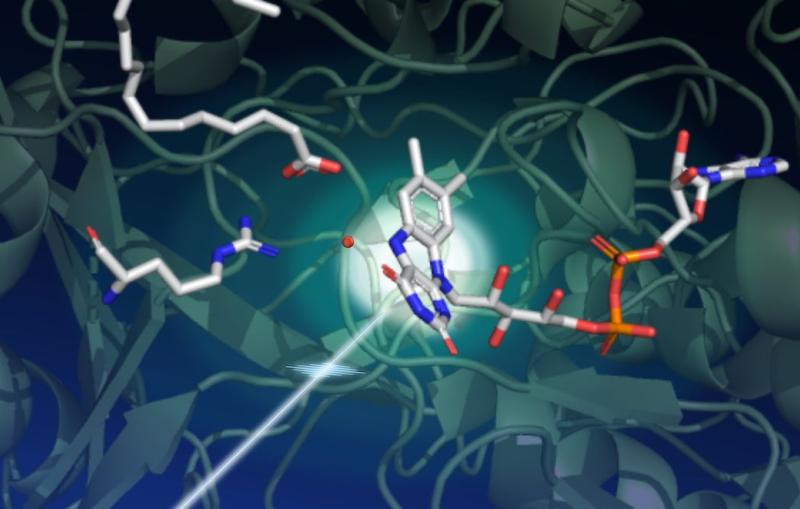
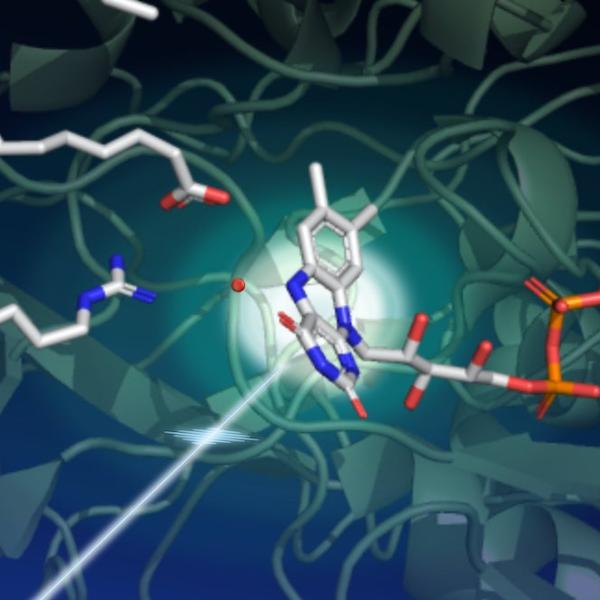
Derived from microscopic algae, the rare, light-driven enzyme converts fatty acids into starting ingredients for solvents and fuels.

Illustration of molecular structure of an enzyme that is powered by sunlight
Feature

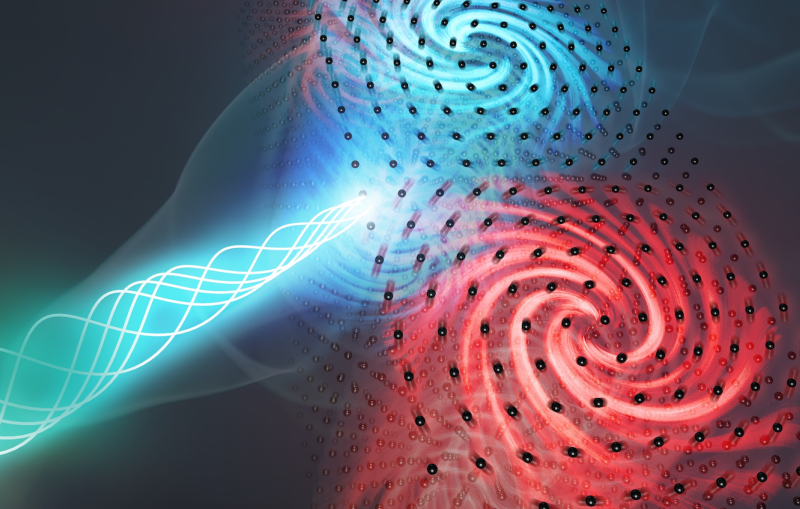
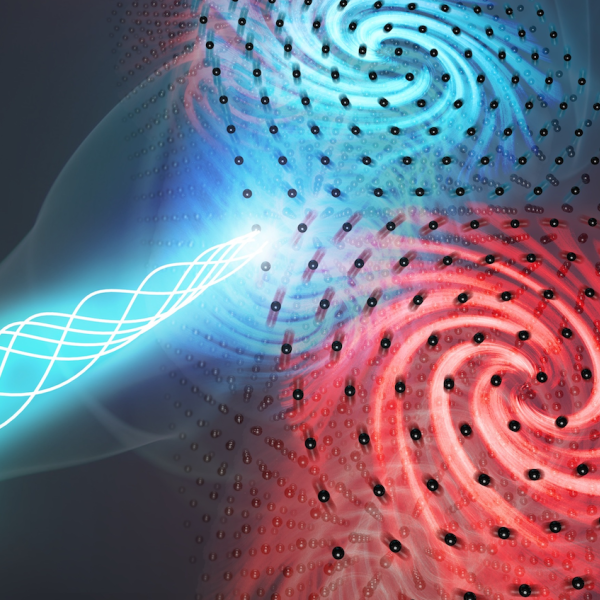
Exploring and manipulating the behavior of polar vortices in materials may lead to new technology for faster data transfer and storage.

polar vortices