
SLAC topics

Science news RSS feed

The latest news about SLAC research, science programs, facilities and people. 

More on our News Center and Media Resources pages
Browse tagged content

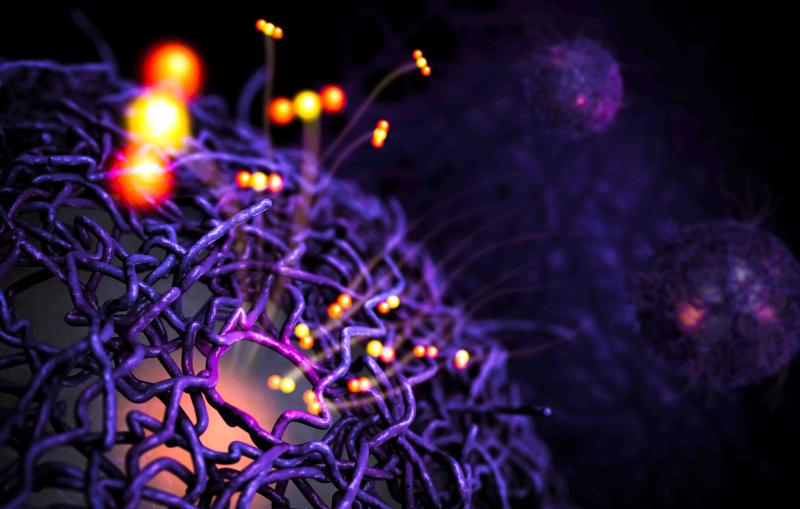
Scientists create artificial catalysts inspired by living enzymes
Feature

Salleo sees strength in the big picture and minute details of the people, tools and partnerships at SLAC.

Portrait of Alberto Salleo
Multimedia

Pages from the Codex Climaci Rescriptus palimpsest from the Museum of the Bible in Washington, DC, were brought to the Stanford Synchrotron Radiation Lightsource...

A photo showing pages of the Codex Climaci Rescriptus palimpsest.
News Brief

Using SSRL, scientists uncovered fossil evidence that the first groups of vertebrates possessed surprisingly advanced eyes. 

fossil specimen in gray rock with bright marcations overlain
Feature

Cosmologists Josh Frieman and Risa Wechsler look back on the Dark Energy Survey, sharing how it’s paving the way for Rubin Observatory to dig...

Josh Frieman and Risa Wechsler
News Brief

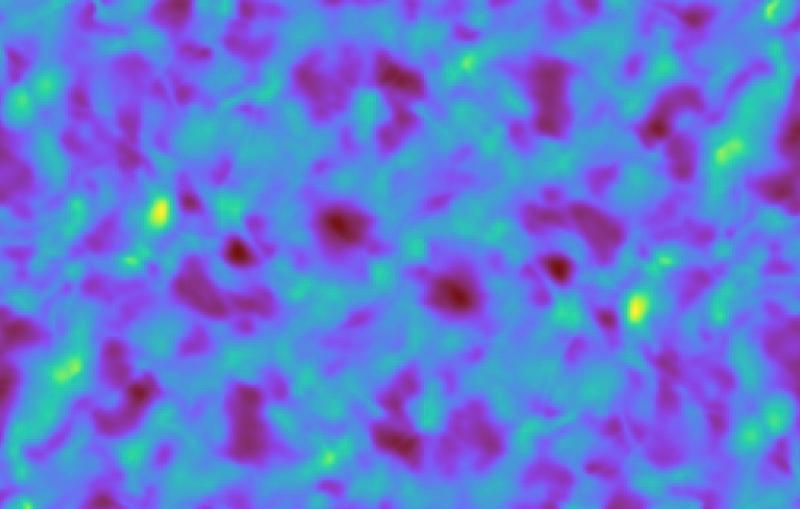
The latest results combined weak lensing and galaxy clustering and incorporated four dark energy probes from a single experiment for the first time.

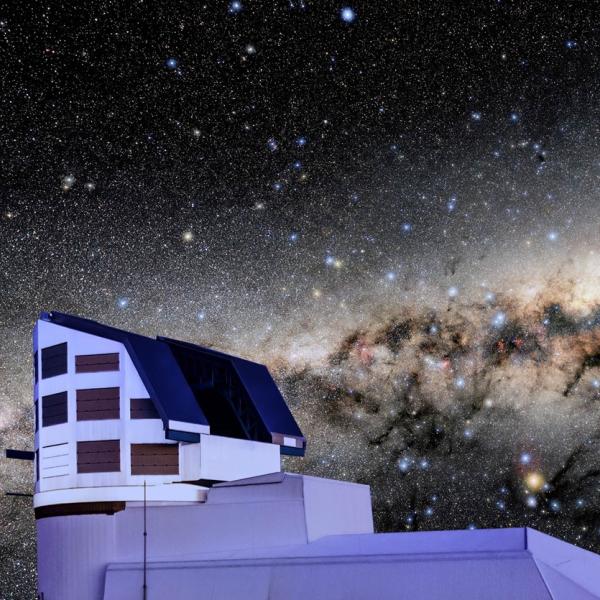
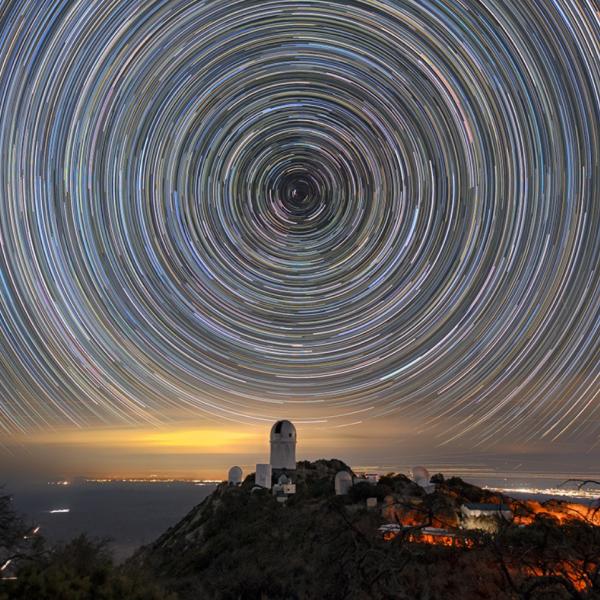
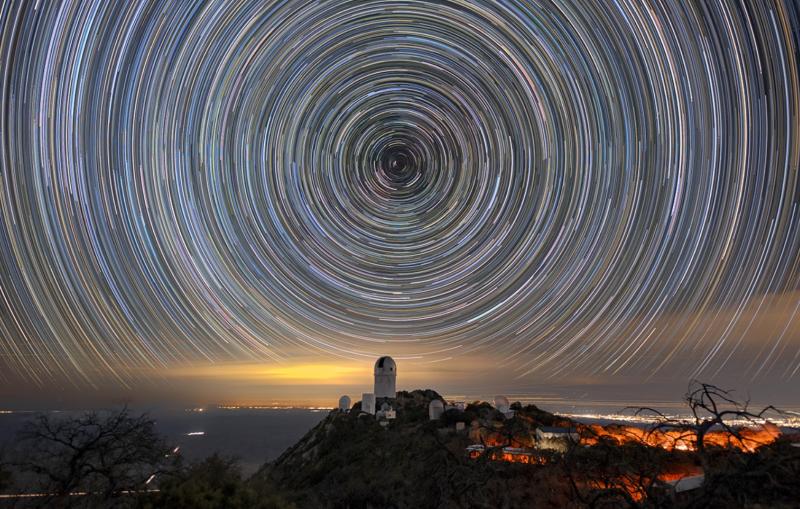
Photo of the Cerro Tololo Inter-American Observatory (CTIO) in the Chilean Andes at night.
News Brief

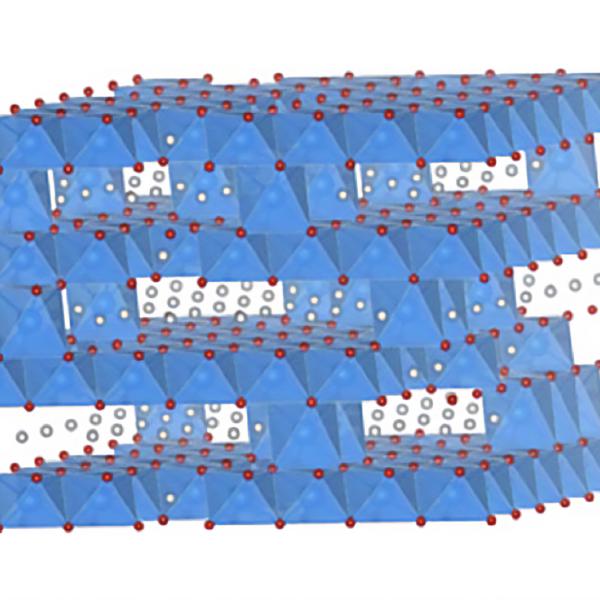
Imaging at SLAC's synchrotron demonstrates the twisted structures’ exotic properties that could benefit the development of superconductors and quantum materials.

A model of moiré materials
News Brief

SLAC scientists develop an approach to better guide the preparation of cell slices for cryogenic-electron tomography imaging.

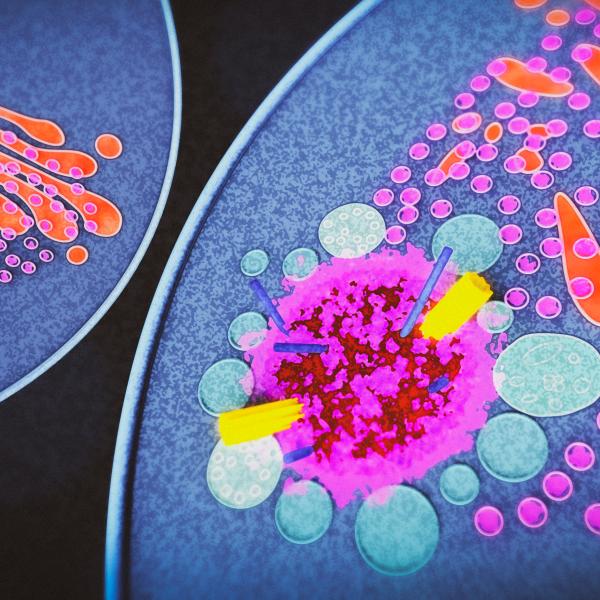
Cryo-ET image 2
News Release

First peer-reviewed paper using data from SLAC-built LSST Camera identifies an asteroid, nearly the size of eight football fields, rotating every two minutes.

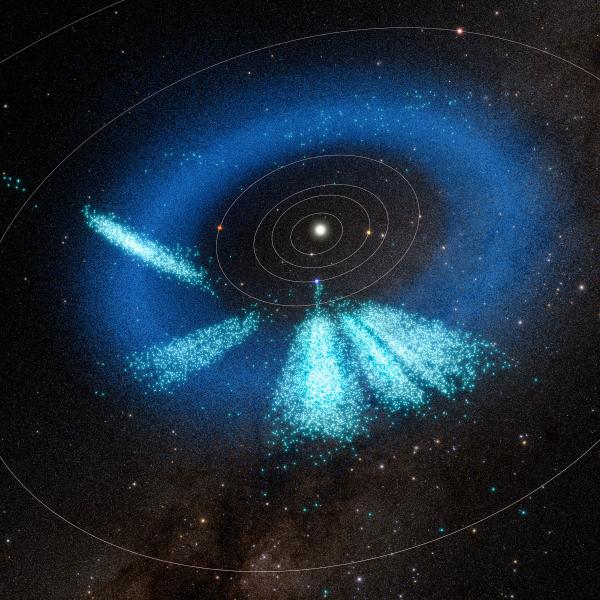
Illustration showing asteroids
News Release

Surfing a plasma wave, electrons get an energy and brightness boost.

Illustration of electrons traveling through a plasma chamber
News Brief

With a new method that could be extended to study Earth’s core and nuclear fusion, they identify and explain jumps in the electrical conductivity...

Illustration of a short laser pulse heating a sheet of aluminum, causing it to melt and break up into droplets.
Feature

NLCTA staff helped undergraduates from Harvey Mudd College use the facility’s electron beam to test a detector they designed. 

A team from Harvey Mudd College inside the NLCTA accelerator housing at SLAC.
Feature

Water is all around us, yet its surface layer is surprisingly hard to study. Experiments at SLAC’s X-ray laser are bringing it into focus.

Two water strider insects with long, thin legs cast shadows on dark blue water surface with blurred background reflections.