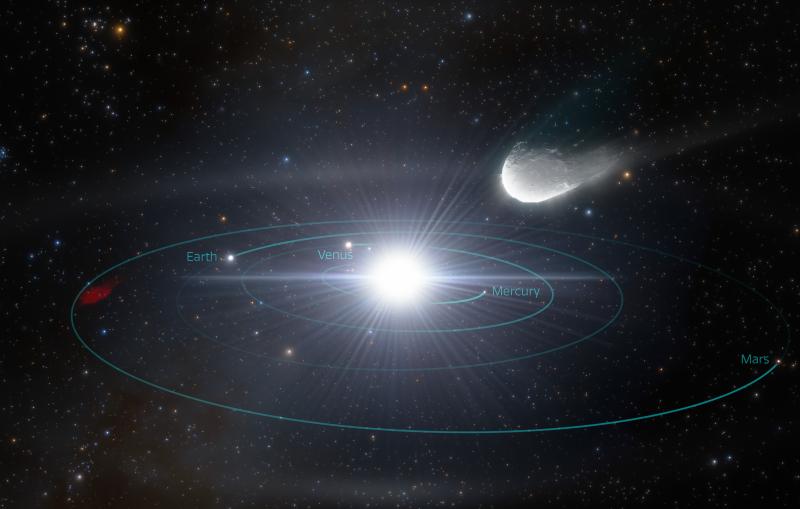
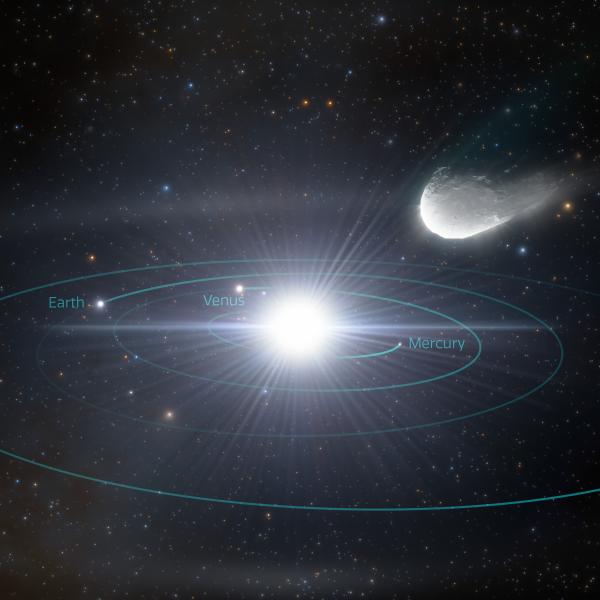
Vera C. Rubin Observatory’s Legacy Survey of Space and Time will revolutionize Solar System science by revealing a population of previously undiscovered interstellar comets...
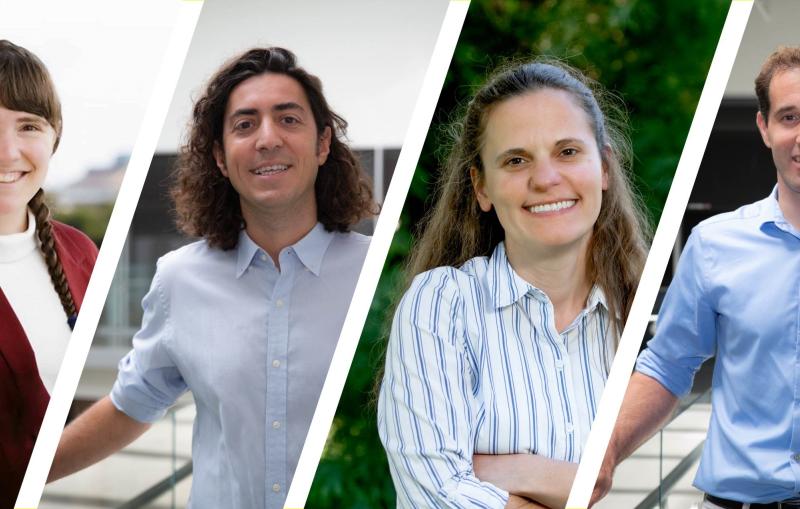
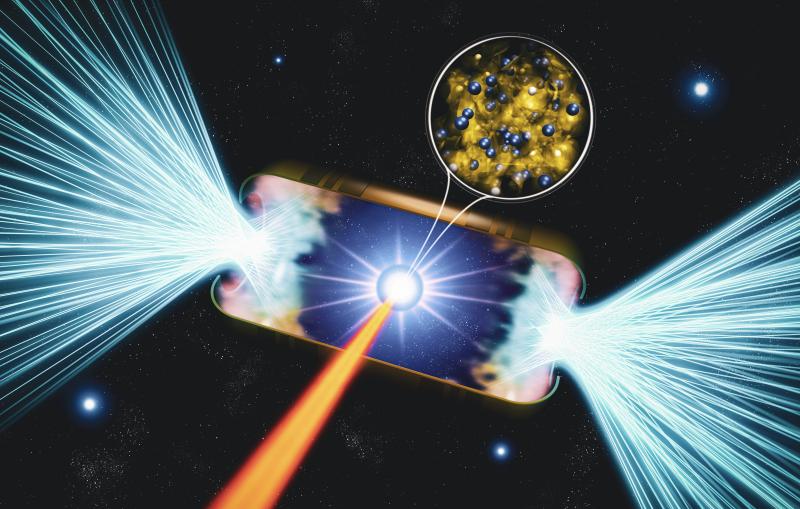
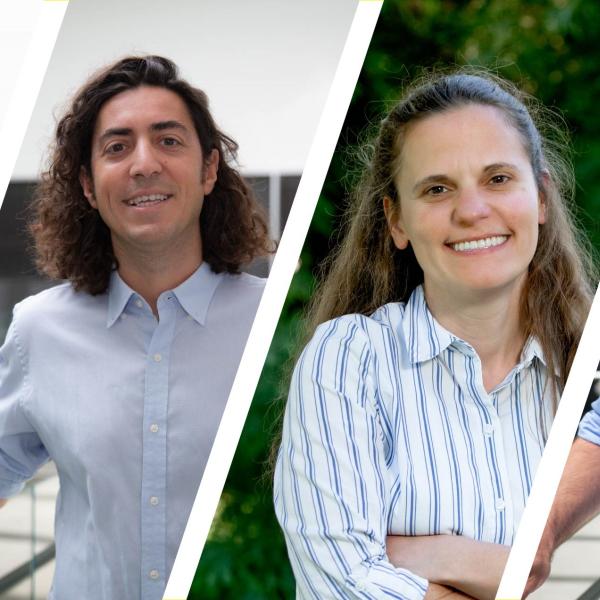
Leora Dresselhaus-Marais, Claudio Emma, Bernhard Mistlberger and Johanna Nelson Weker will pursue cutting-edge research into decarbonizing steel production, theoretical physics, generating more intense particle...
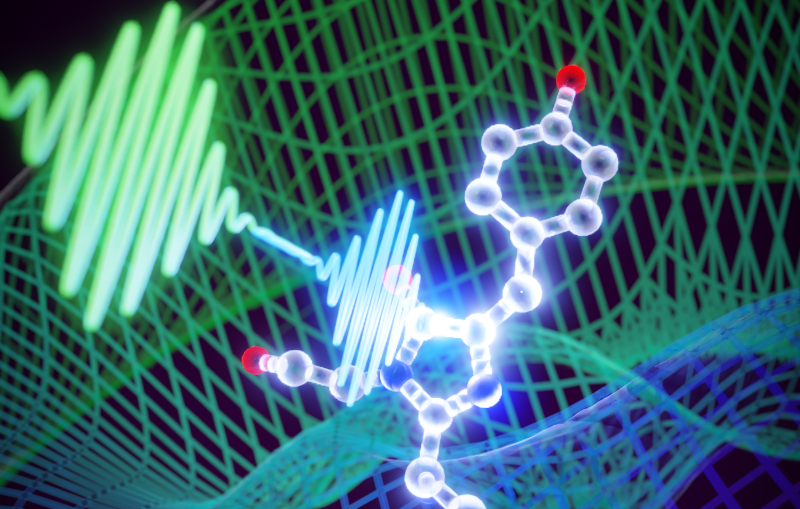
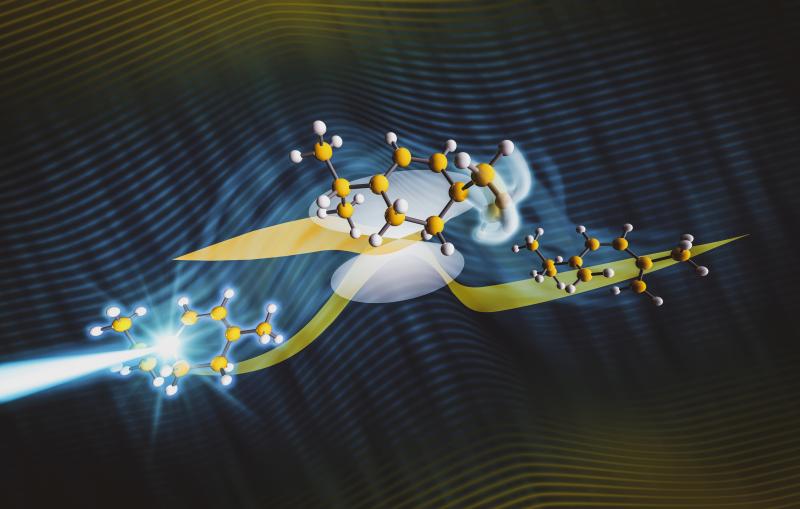
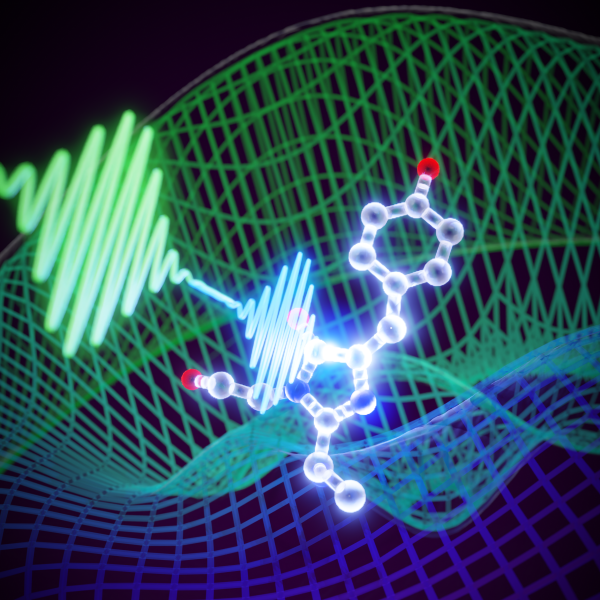
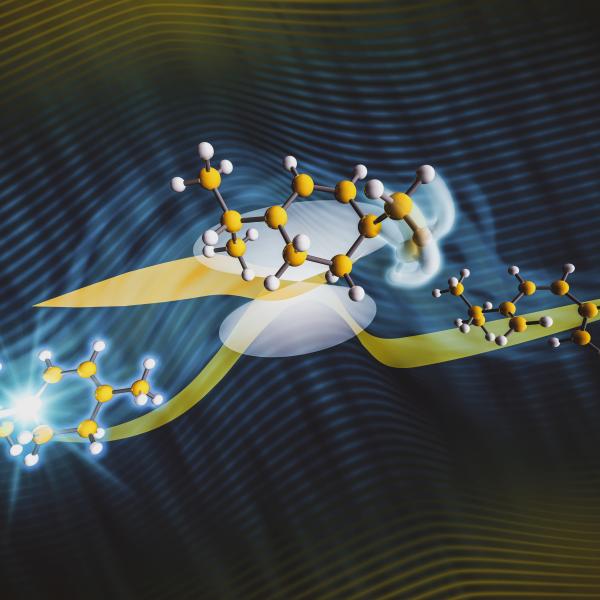
Bringing ultrafast physics to structural biology has revealed the coordinated dance of molecules in unprecedented clarity, which could aid in the design of new...
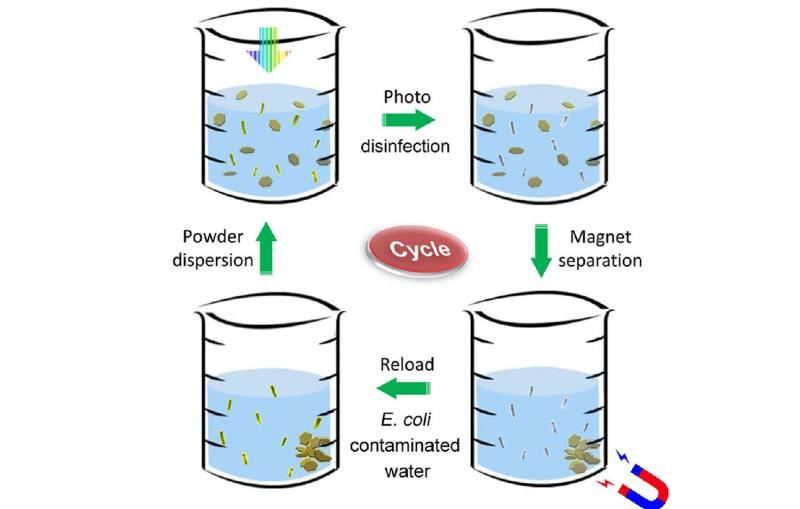
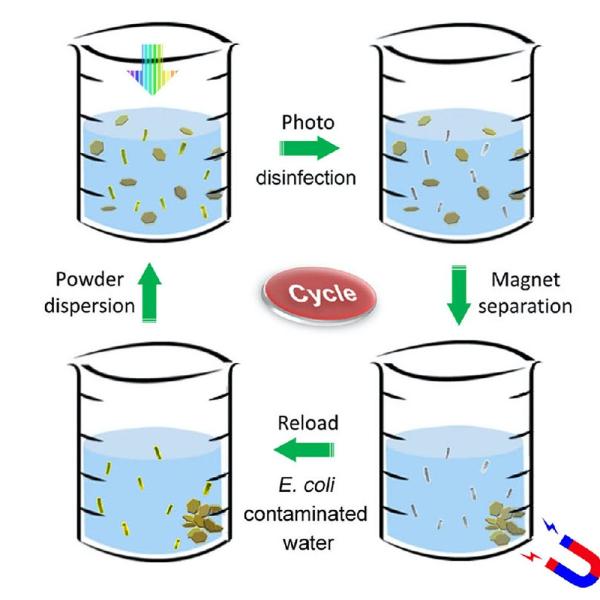
A low-cost, recyclable powder can kill thousands of waterborne bacteria per second when exposed to sunlight. Stanford and SLAC scientists say the ultrafast disinfectant...
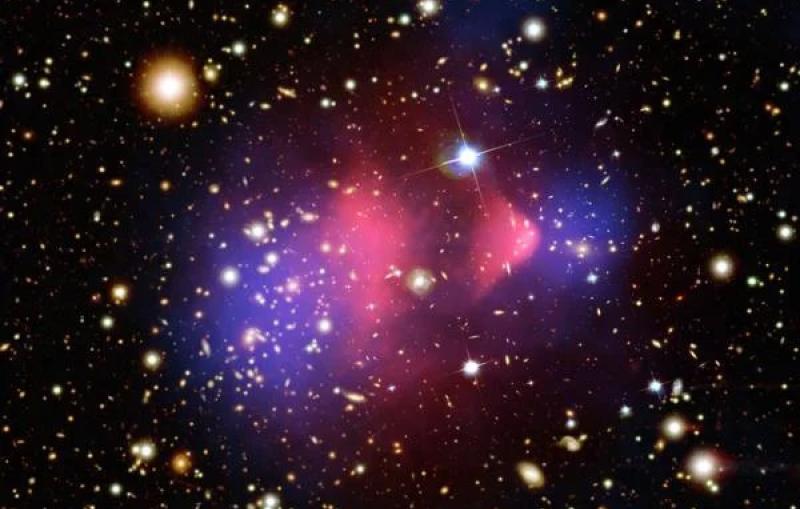
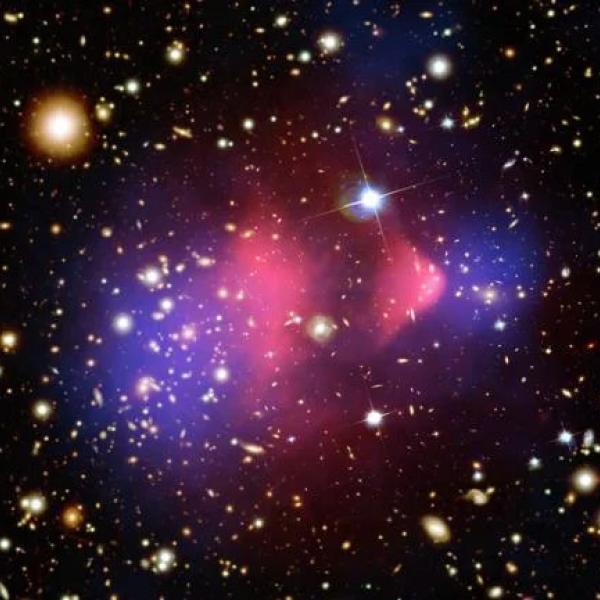
Vera C. Rubin Observatory’s Legacy Survey of Space and Time will revolutionize Solar System science by revealing a population of previously undiscovered interstellar comets and asteroids passing through our cosmic neighborhood.
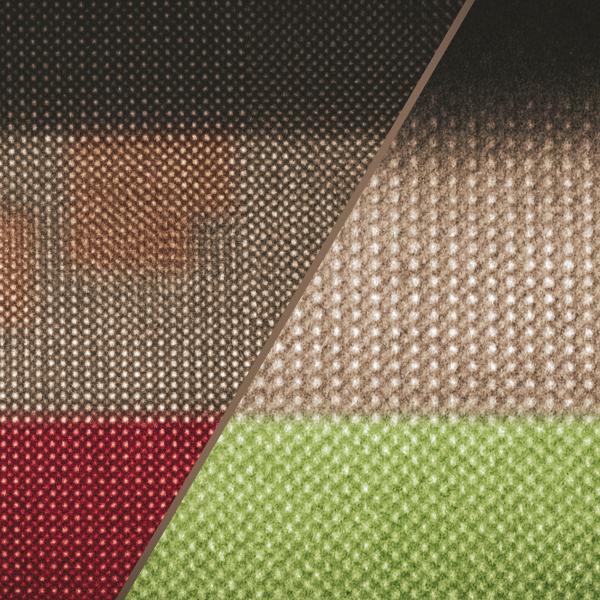
Leora Dresselhaus-Marais, Claudio Emma, Bernhard Mistlberger and Johanna Nelson Weker will pursue cutting-edge research into decarbonizing steel production, theoretical physics, generating more intense particle beams, and improving X-ray microscopes.
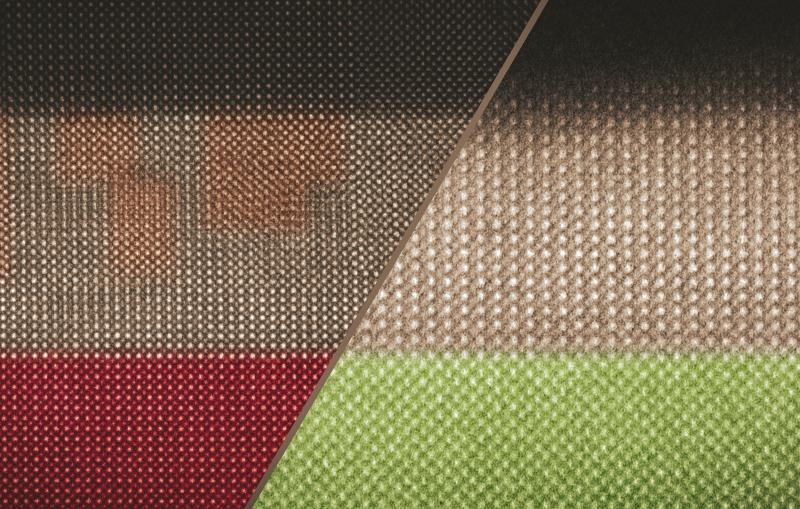
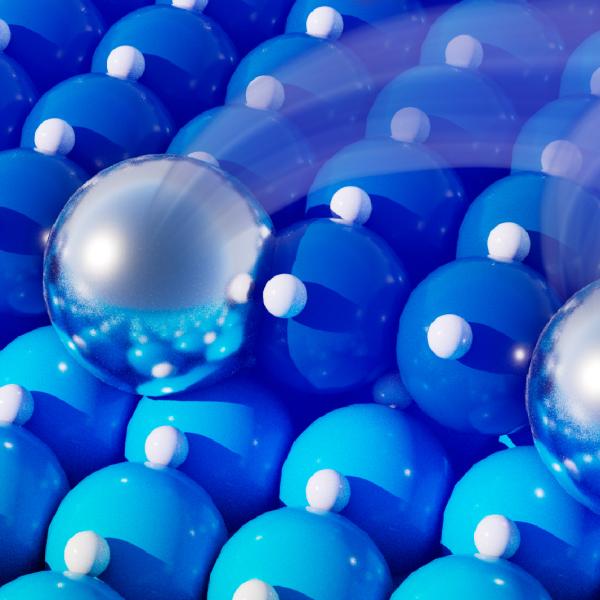
Bringing ultrafast physics to structural biology has revealed the coordinated dance of molecules in unprecedented clarity, which could aid in the design of new light-responsive materials.
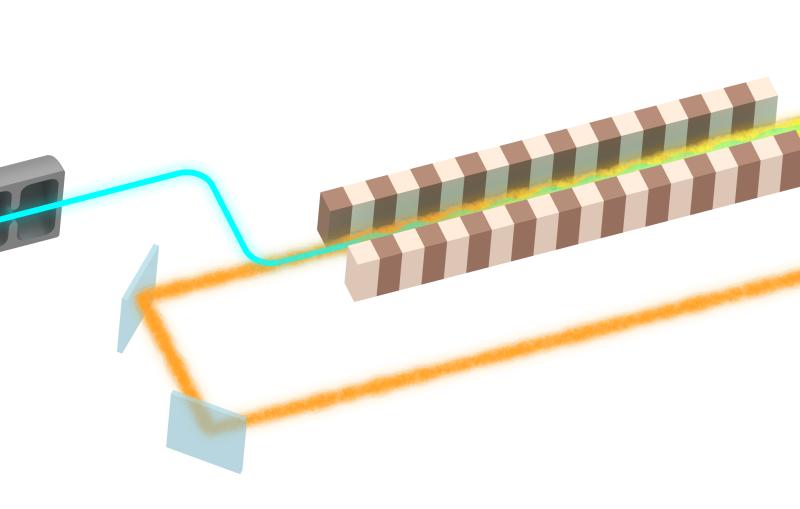
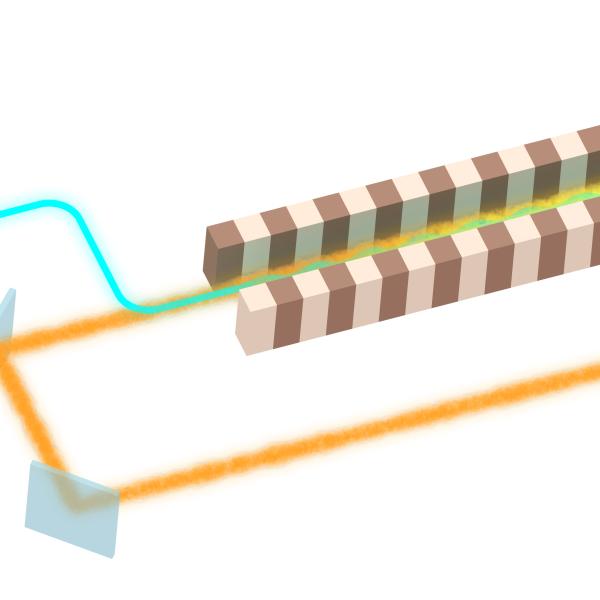
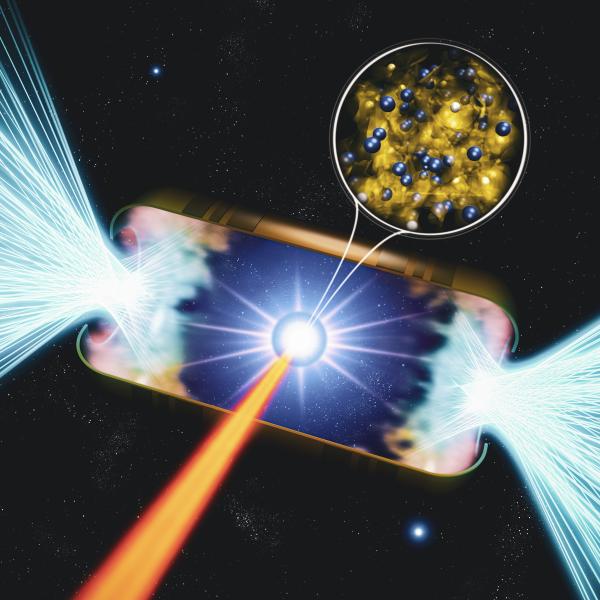
The long – but not too long – cavity would ping-pong X-ray pulses inside of a particle accelerator facility to help capture nature’s fastest movements.
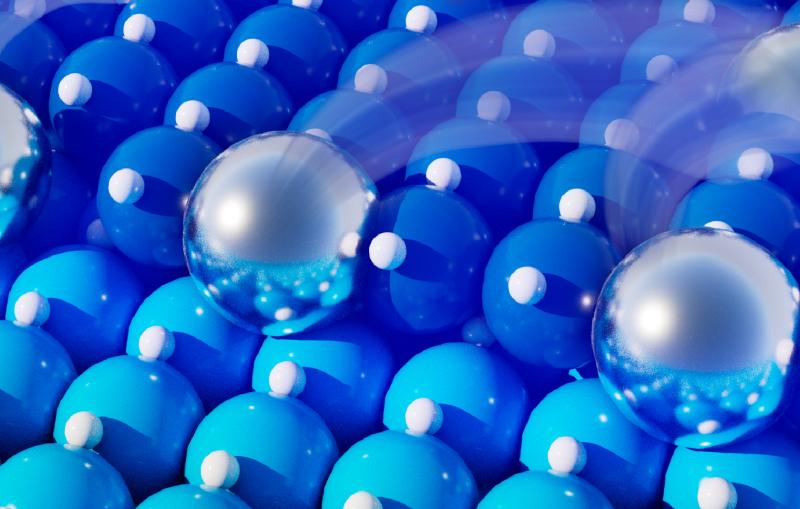
A low-cost, recyclable powder can kill thousands of waterborne bacteria per second when exposed to sunlight. Stanford and SLAC scientists say the ultrafast disinfectant could be a revolutionary advance for 2 billion people worldwide without access to safe drinking water.