



SLAC topics

Particle physics RSS feed

Working at the forefront of particle physics, SLAC scientists use powerful particle accelerators to create and study nature’s fundamental building blocks and forces, build sensitive detectors to search for new particles and develop theories that explain and guide experiments. SLAC's particle physicists want to understand our universe – from its smallest constituents to its largest structures.

Related links:
Physics of the universe
Elementary particle physics
Browse tagged content below

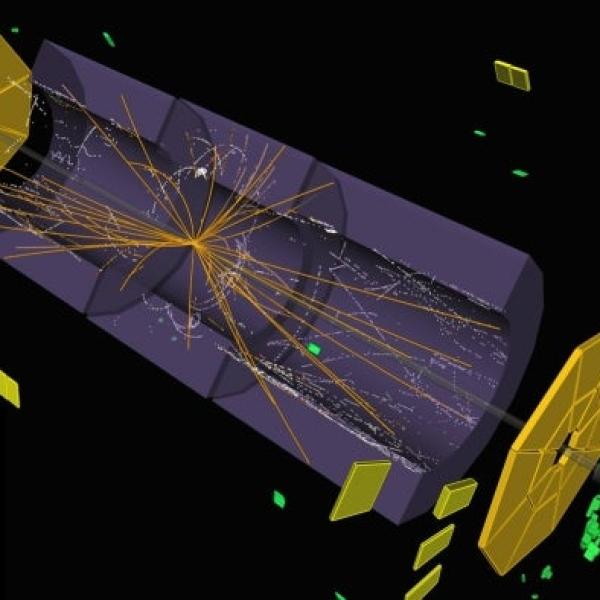
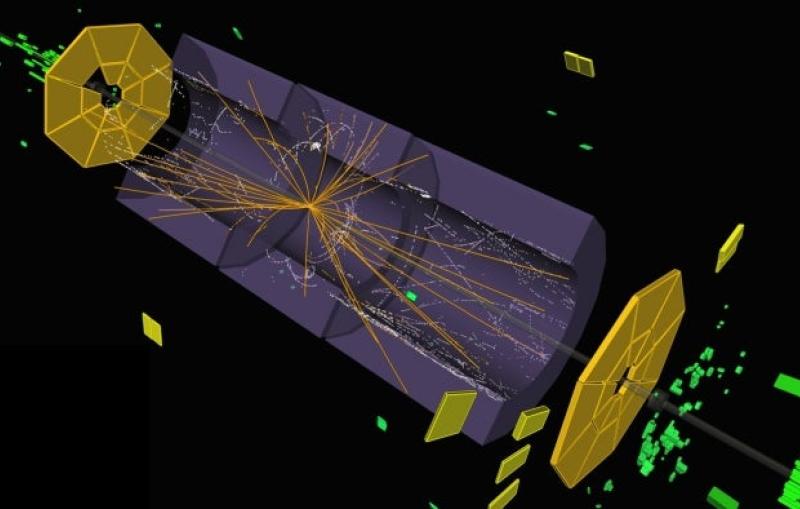
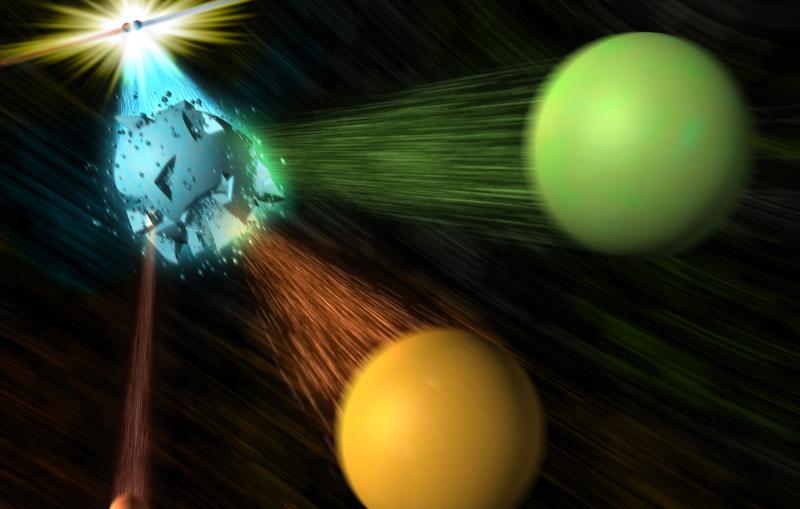
Particles collide in this illustration
Feature
VIA Symmetry Magazine

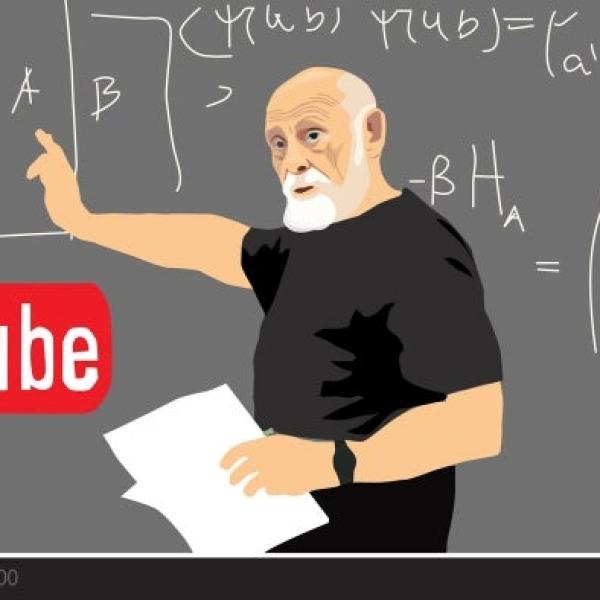
Not Just Old Codgers

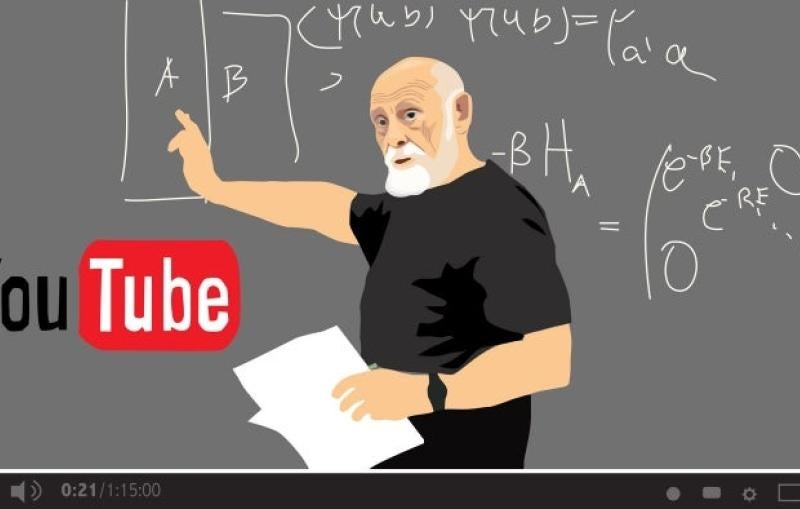
During a day of talks at Stanford University, theoretical physicist Leonard Susskind explained “Why I Teach Physics to Old Codgers, and How It Got...

Feature

An analysis using LHC data verifies the existence of an exotic four-quark hadron.

Feature

From accelerators unexpectedly beneath your feet to a ferret that once cleaned accelerator components, symmetry shares some lesser-known facts about particle accelerators.

News Release

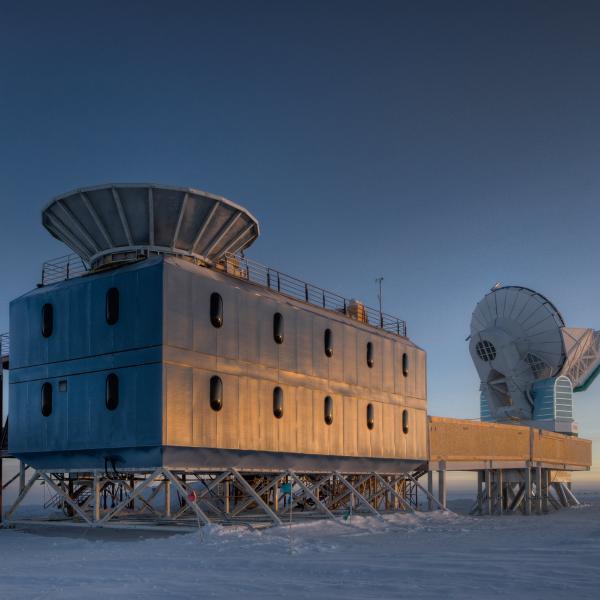
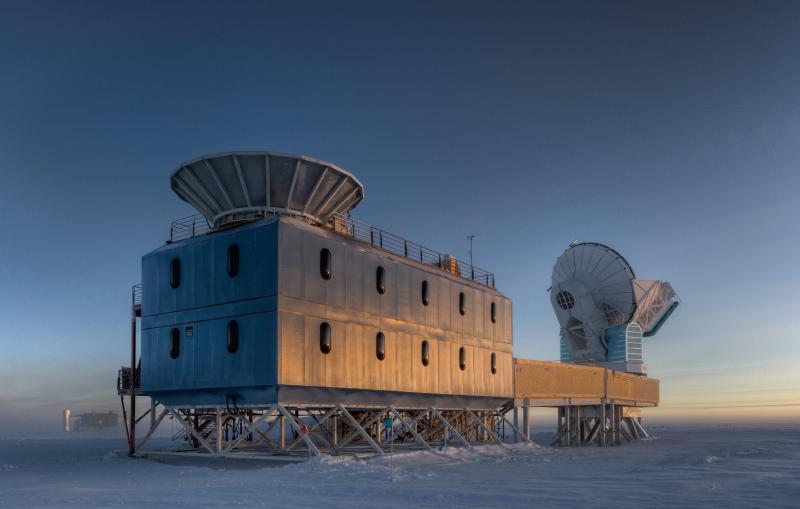
Researchers from the BICEP2 collaboration have announced the first direct evidence supporting the theory of cosmic inflation. Their data also represent the first images...

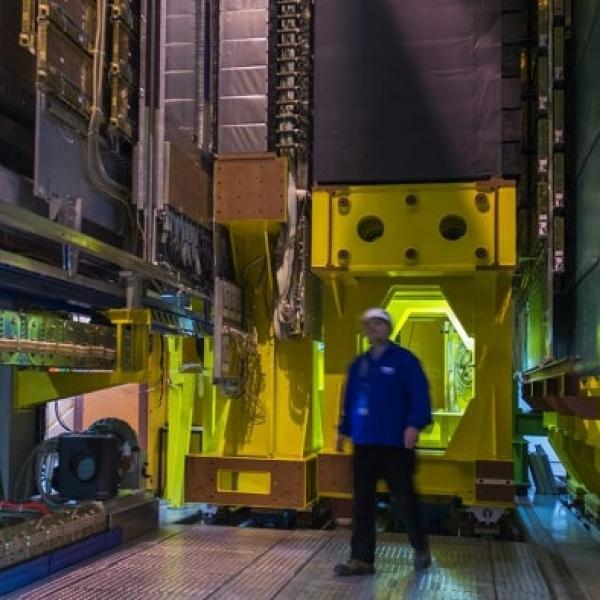
The Dark Sector Lab (DSL)
Feature

More than 150 US universities and laboratories are engaged in particle physics research and technology innovation, playing important roles in the Higgs boson and...

Feature

A cooperative agreement with Palo-Alto based CPI opens the door to routine commercial manufacturing of these powerful vacuum tube devices, which convert electron beams...

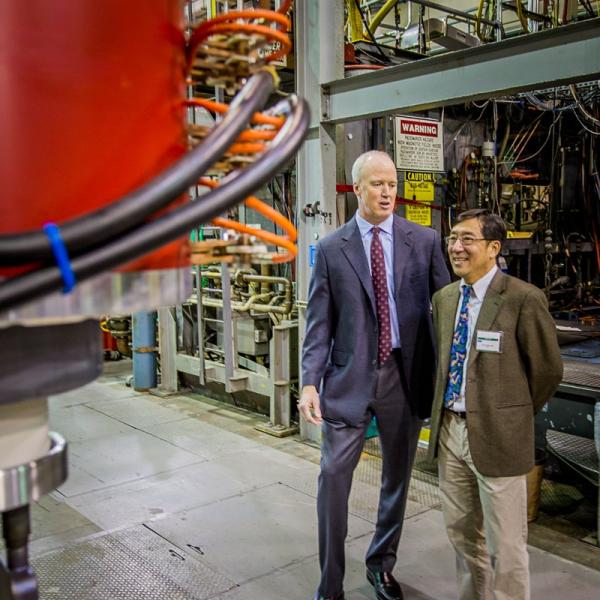
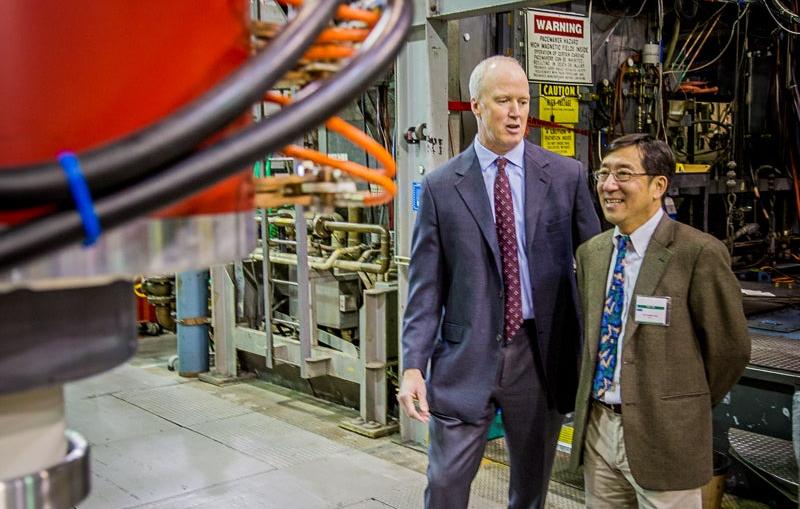
CPI President and Chief Operating Officer Robert A. Fickett, left, and SLAC Lab Director Chi-Chang Kao look at one of the XL5 klystrons the company built under a cooperative agreement with SLAC.
Feature

Particle Fever is a documentary that follows scientists involved in research at the Large Hadron Collider, including the ATLAS Experiment in which SLAC participates...

Feature

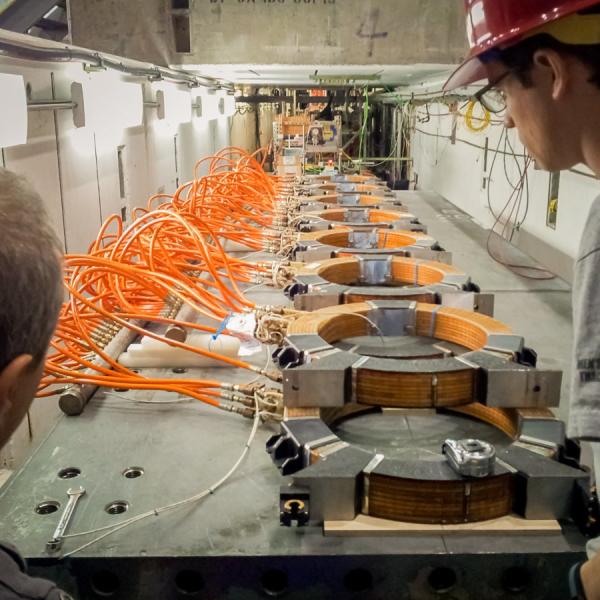
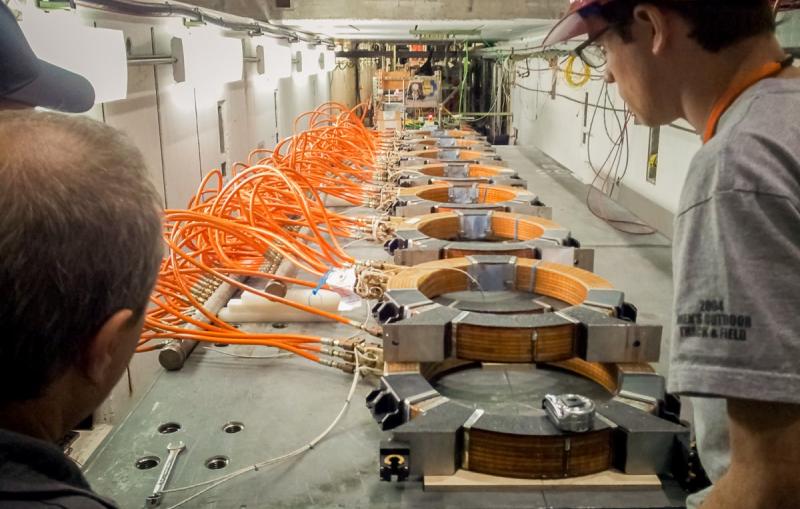
In a SLAC test facility, scientists have set the stage for an experiment that mimics what happens when incredibly energetic cosmic ray particles hit...

Photo - Researchers look over the magnetic coils that will impersonate the Earth's magnetic field.
Feature

Editors of the journal Science, published by the American Association for the Advancement of Science, have selected their annual Top 10 Science Breakthroughs of...

Image - Artist's illustration of a supernova, with a shockwave spreading out from it.
VIA Symmetry Magazine

The Universe's Earliest Moments

How is it possible to look at the earliest moments of the universe?

The Early Universe
Feature

SLAC's Kavli Institute for Particle Astrophysics and Cosmology (KIPAC) recently hosted many of the top scientists in the field to discuss the most important...

KIPAC mosaic
Feature

SLAC and Stanford physicists played a key role in monitoring and analyzing the brightest gamma ray burst ever measured, and suggest that its never-before-seen...

Image - Collapsing star shooting out jet of gas