SLAC topics

Medical RSS feed

SLAC research gives scientists a better understanding of how living things work, what makes us sick and how we can prevent and treat disease. Our accelerator research and development also has applications in the field of medicine. 

Related links:
Science of Life  
Advanced Accelerators
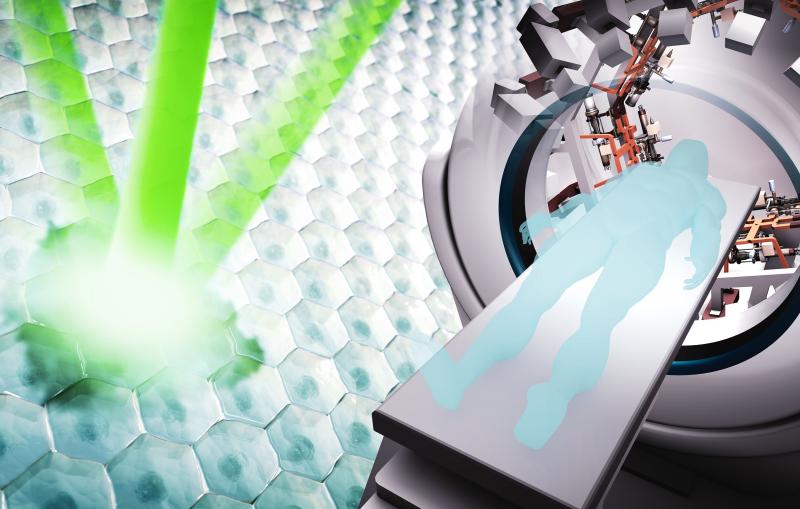
Researchers at SLAC and Stanford are developing new accelerator-based technology that aims to speed up cancer radiation therapy.
Feature

Using SLAC's X-ray laser, researchers have for the first time directly observed myoglobin move within quadrillionths of a second after a bond breaks and...

Image - Ilme Schlichting (SLAC National Accelerator Laboratory)

Feature

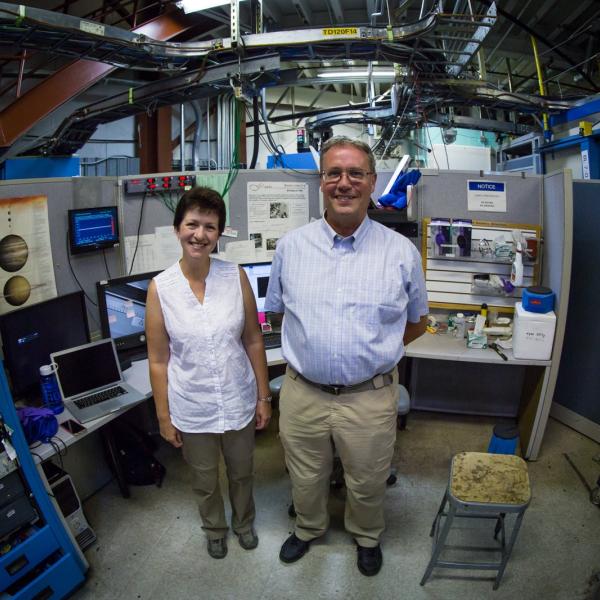
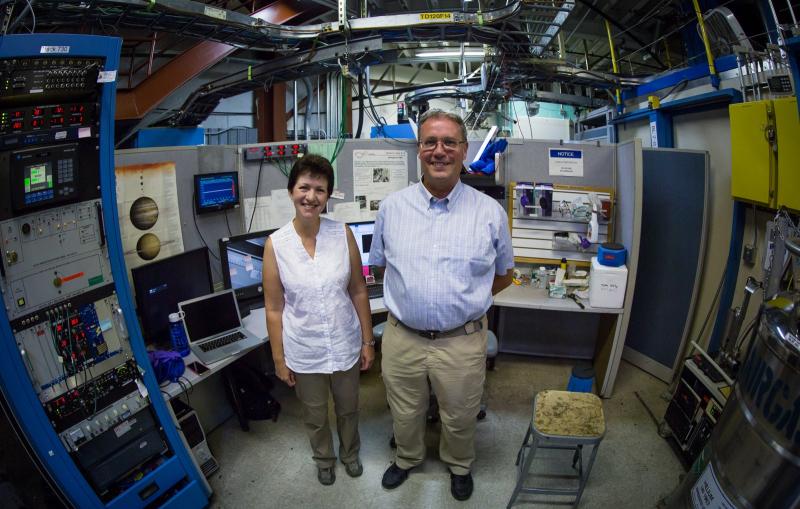
Graham George and Ingrid Pickering, a husband and wife X-ray research team, are co-leading a new study in Bangladesh to test whether selenium supplements...

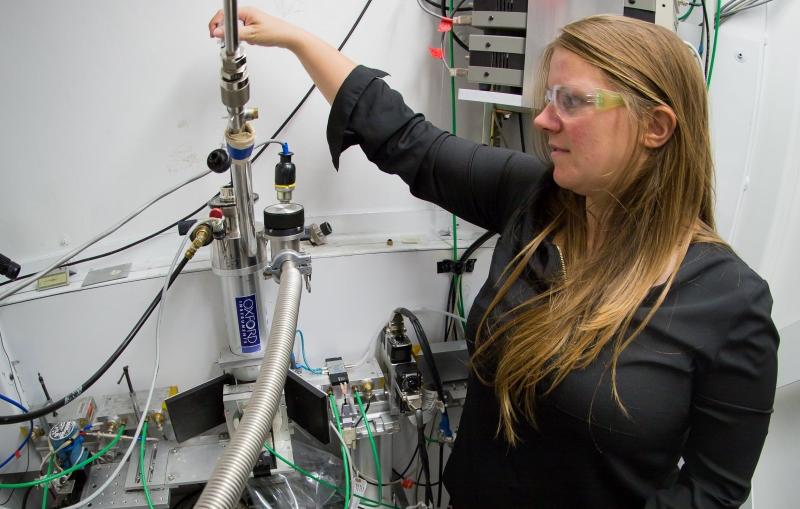
Image - Ingrid Pickering and Graham George, a husband-and-wife X-ray research team, stand next to the controls of SSRL Beam Line 7-3 during a research sabbatical at SLAC. (SLAC National Accelerator Laboratory)
News Release

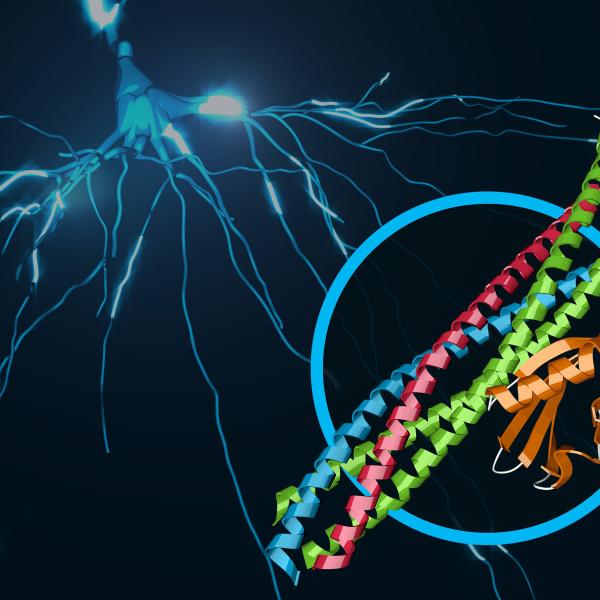
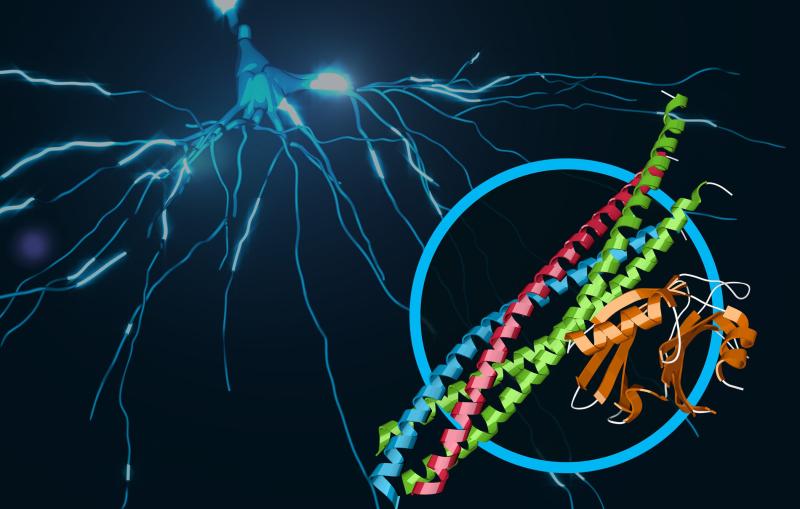
Scientists have revealed never-before-seen details of how our brain sends rapid-fire messages between its cells using SLAC's X-ray laser.

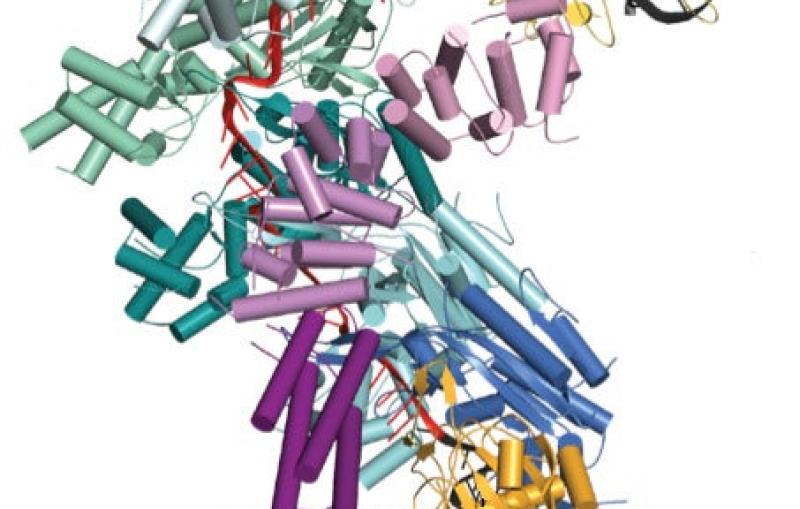
Image - This illustration shows a protein complex at work in brain signaling. Its structure, which contains joined protein complexes known as SNARE and synaptotagmin-1, is shown in the foreground. (SLAC National Accelerator Laboratory)
News Release

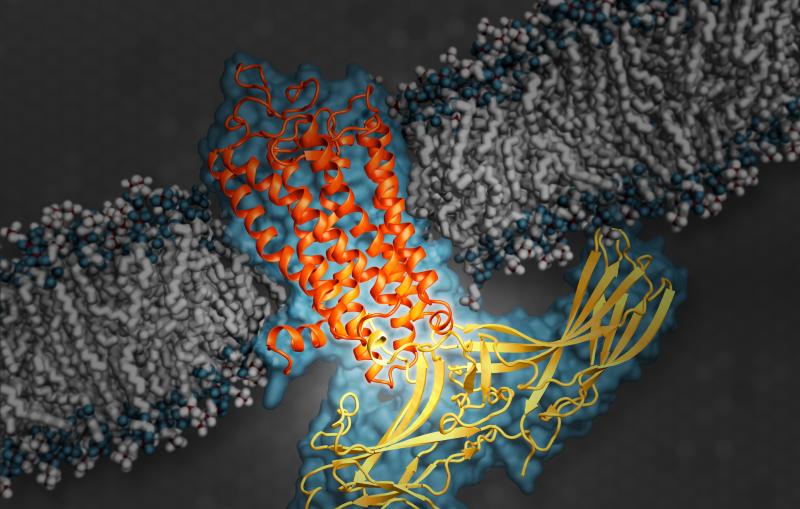
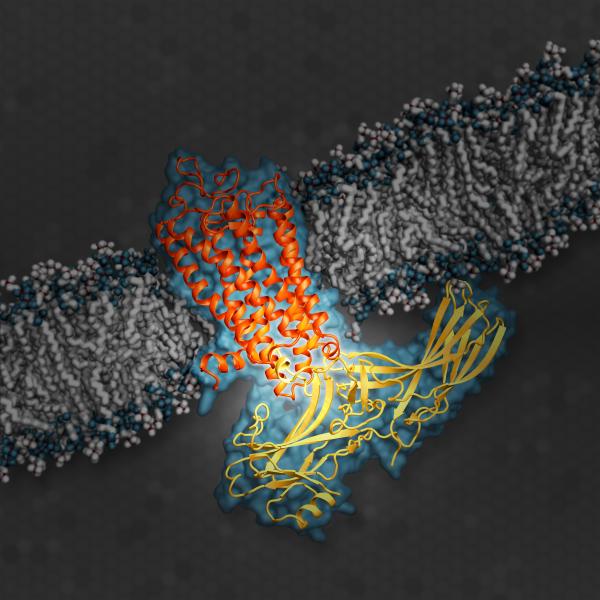
A biomedical breakthrough reveals never-before-seen details of the human body’s cellular switchboard that regulates sensory and hormonal responses.

 Illustration shows arrestin (yellow), an important type of signaling protein, while docked with rhodopsin (orange).
Feature

A commercial X-ray source with roots in SLAC research enables multi-mode computer tomography scans that outperform routine scans in hospitals. The technique could potentially...

News Release

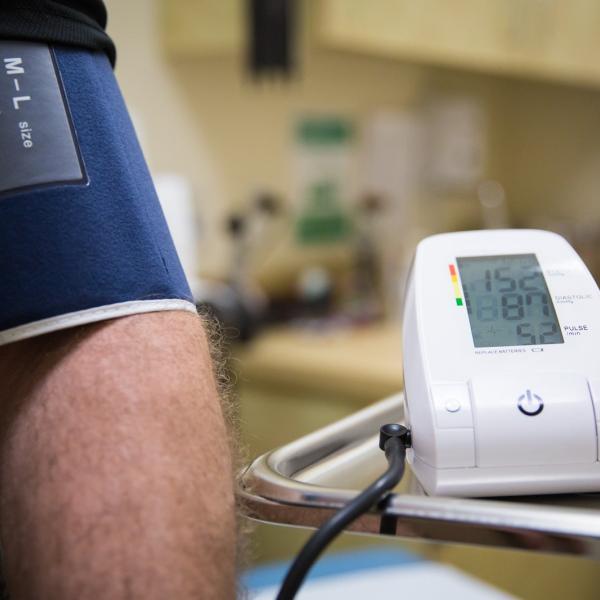
An experiment at SLAC's X-ray laser has revealed in atomic detail how a hypertension drug binds to a cellular receptor that plays a key...

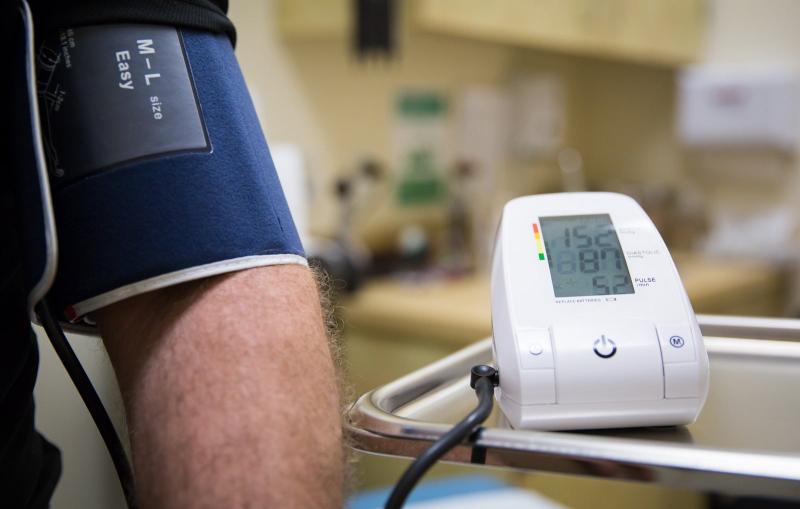
Image - This photo shows a medical device used to monitor blood pressure. In a study at SLAC's Linac Coherent Light Source X-ray laser, researchers studied how a hypertension drug binds to a cellular receptor known as an angiotensin II type 1 receptor.
Feature

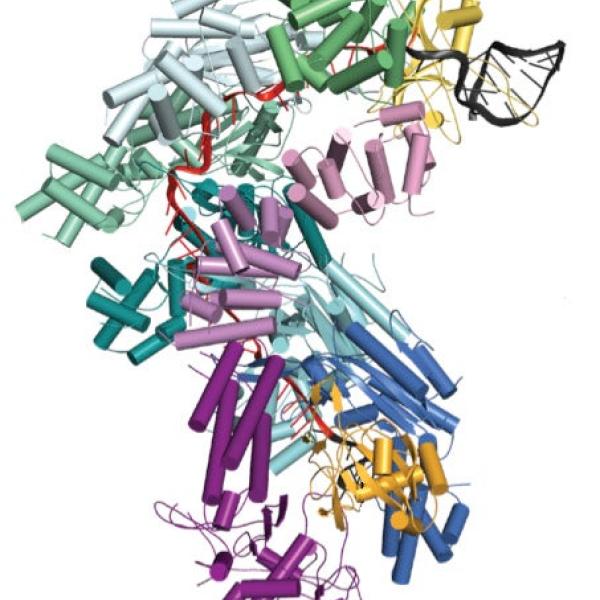
Research reveals that the bacterial immune system can better destroy viral attackers by saving genetic records of previously encountered viruses.

Feature

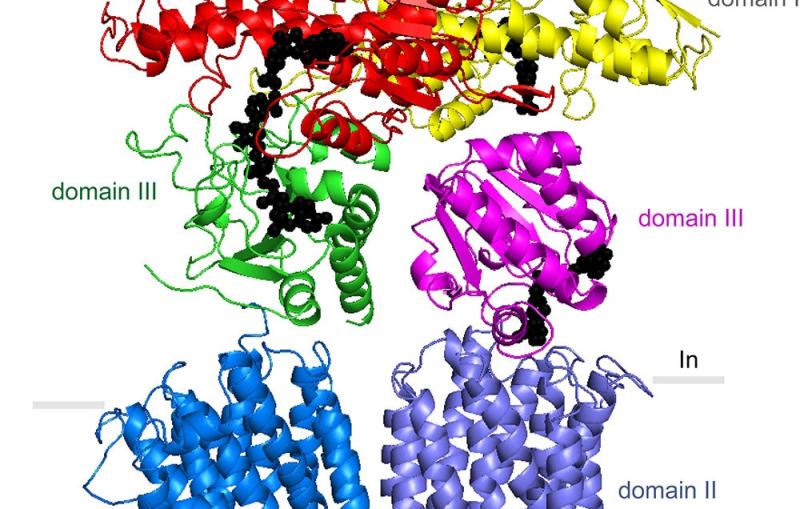
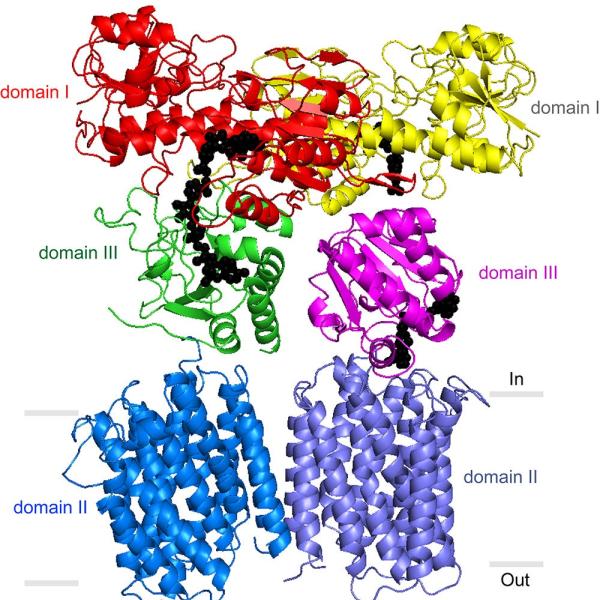
Research performed in part at SLAC has provided new insights into how "TH proteins" couple two important processes needed to maintain healthy cells.

Feature

Understanding details of a flu antibody offers new insight for future structure-based drug discovery and novel avenues for designing vaccines.

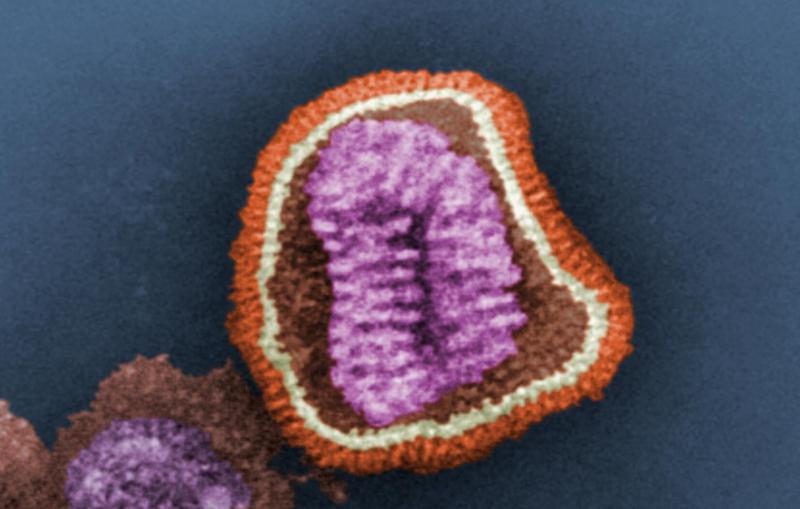
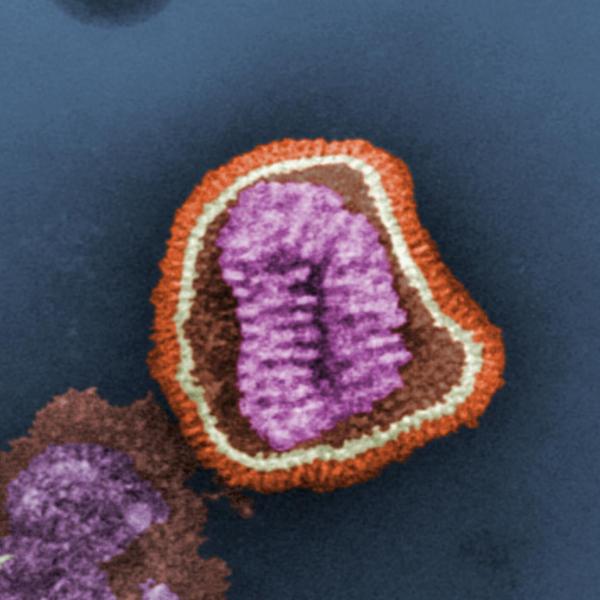
A false color image of an influenza virus particle
Feature

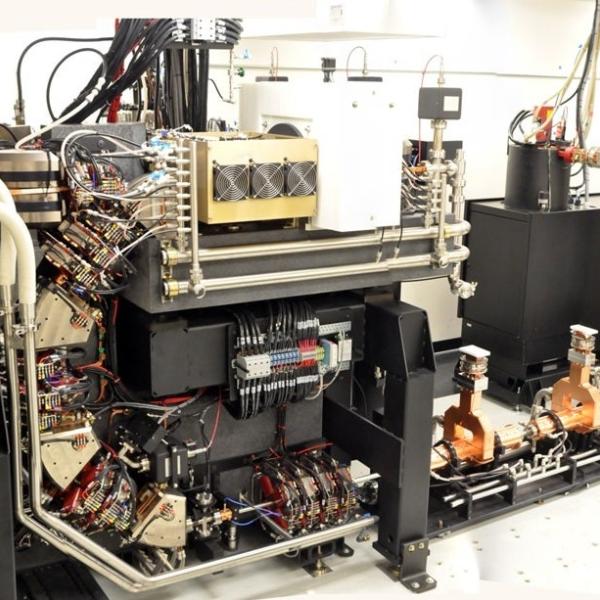
Scientists at the Department of Energy’s SLAC National Accelerator Laboratory are combining the speed and precision of robots with one of the brightest X-ray...

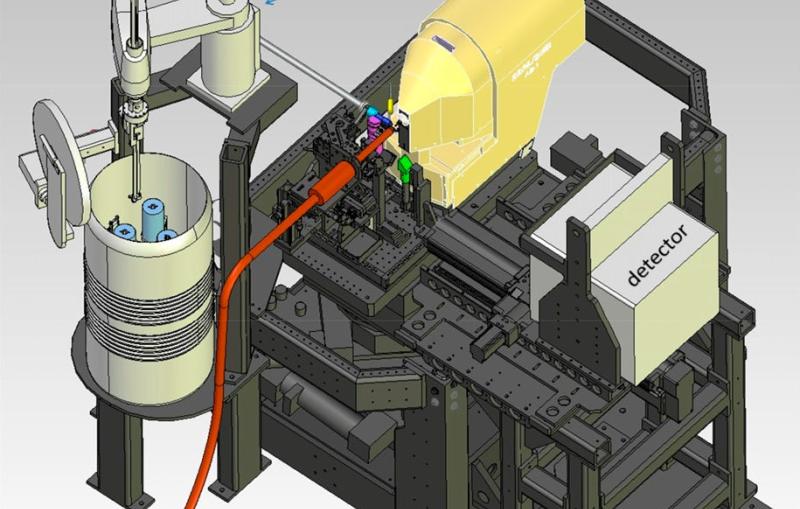
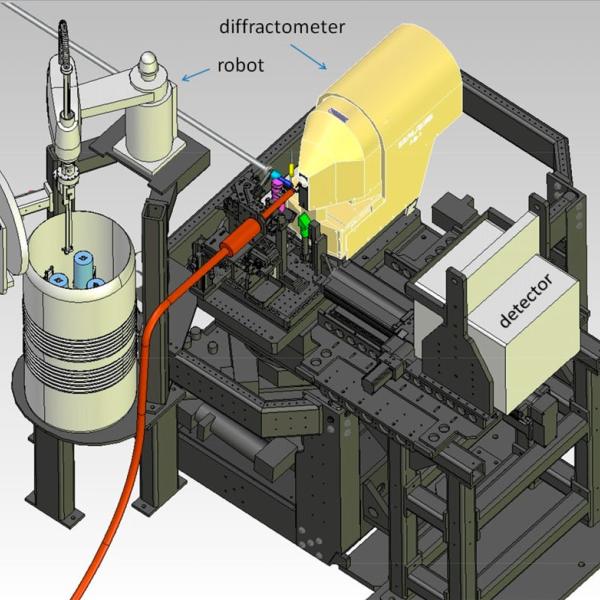
This illustration shows the components in an experimental setup used in crystallography experiments at SLAC's Linac Coherent Light Source X-ray laser.
Feature

A new experimental station in development at SLAC will expand capabilities for atomic-scale explorations in human health, biology, energy and environmental science.

Image - This artistic rendering shows planned instrumentation for a Macromolecular Femtosecond Crystallography (MFX) experimental station at SLAC's Linac Coherent Light Source. MFX will expand LCLS's capacity and flexibility for biological experiments.
Feature

Scientists at Genentech and SLAC have watched a key human protein change from a form that protects cells to one that kills them, providing...

The structure of cellular inhibitor-of-apoptosis protein 1