SLAC topics

Matter in extreme conditions RSS feed

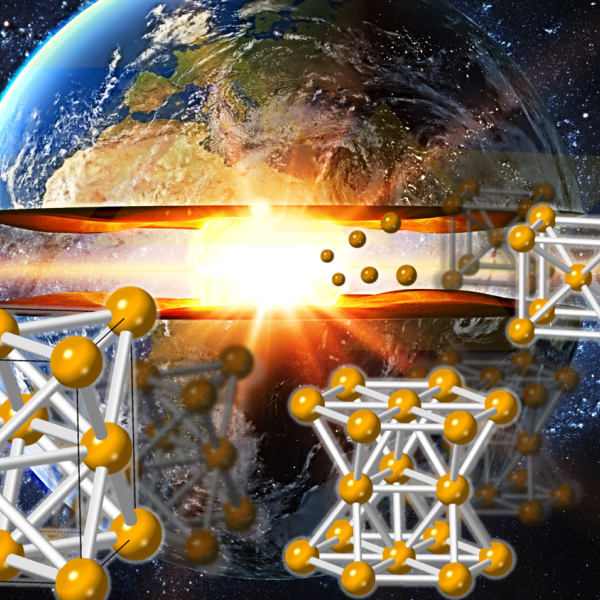
Under extreme conditions – like those in the hearts of planets or in exploding stars – materials can enter other exotic phases with unique characteristics. At SLAC, researchers are studying some of the most extreme and exotic forms of matter ever created, in detail never before possible.

Browse tagged content
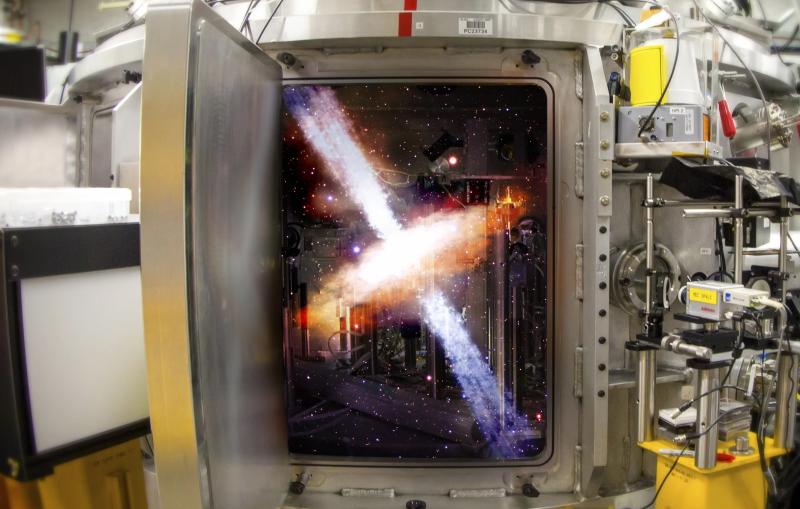
Concept of Matter in extreme conditions
Feature

Their work helps reveal the inner workings of cells and the behavior of matter under extreme pressures and temperatures.

Feature

She toured the lab’s powerful X-ray laser, looked at the construction of the world’s largest digital camera, and discussed climate research, industries of the...

Secretary Granholm virtual visit
Feature

From the invisible world of elementary particles to the mysteries of the cosmos, recipients of this prestigious award for early career scientists explore nature...

Panofsky fellows
Feature

Edward Hohenstein, Emma McBride and Caterina Vernieri study what happens to molecules hit by light, recreate extreme states of matter like those inside stars...

Early Career Awardees 2021
Feature

A better understanding of the failure process will help researchers design new materials that can better withstand intense events such as high-velocity impacts.

material failure
Feature

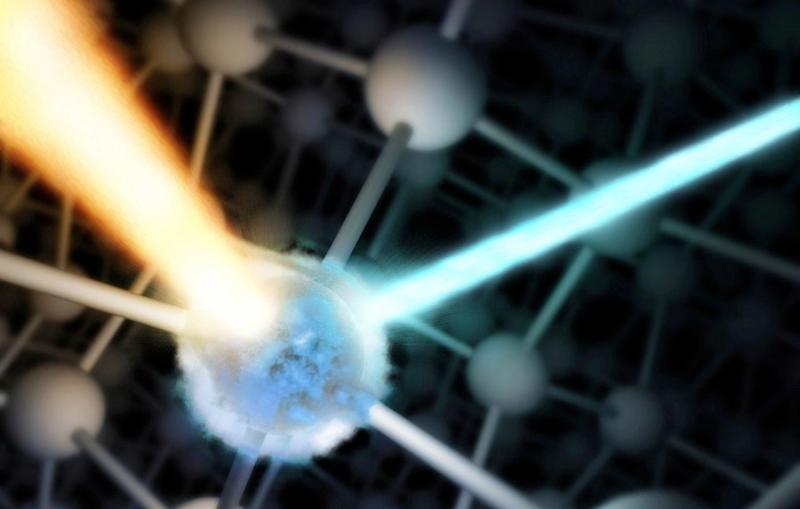
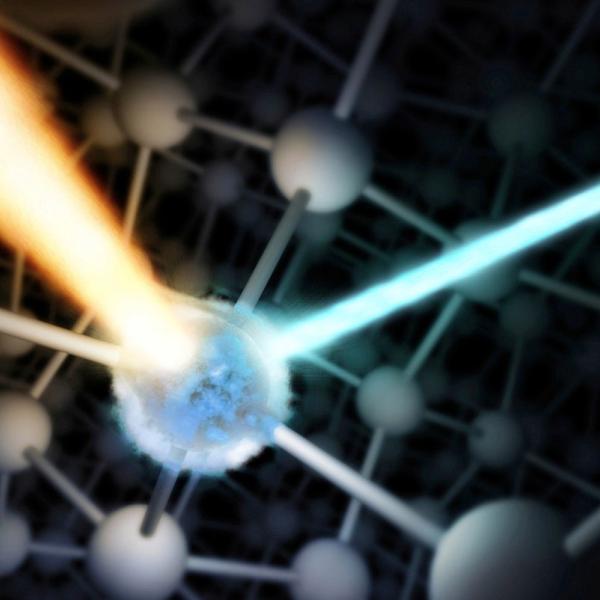
A better understanding of how this happens could help researchers hone future electronic measurements and offer insights into how X-rays interact with matter on...

Image - Artist's rendering of two laser beams striking sample.
Feature

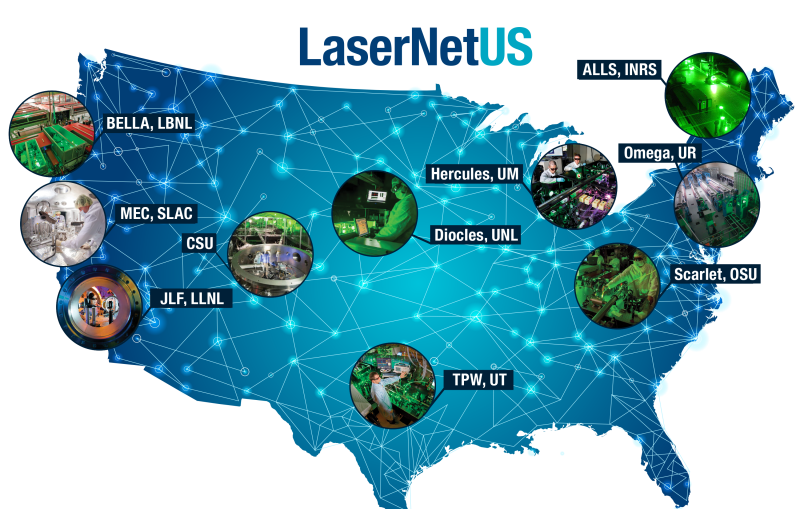
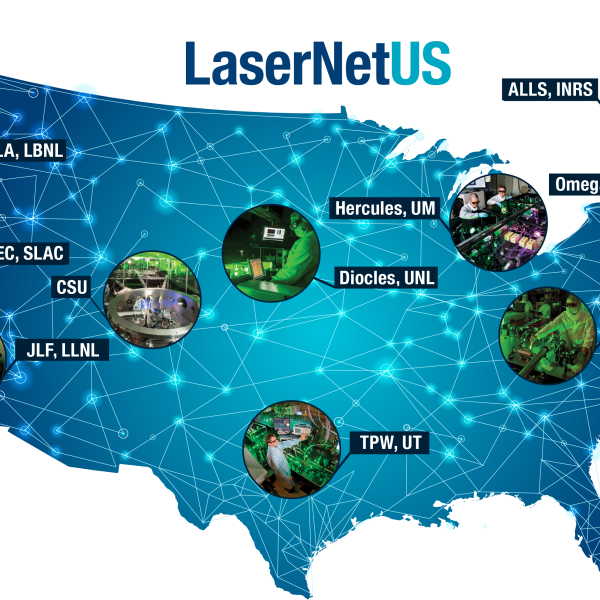
The initiative will give scientists more access to powerful lasers at universities and labs.

LaserNetUS
Feature

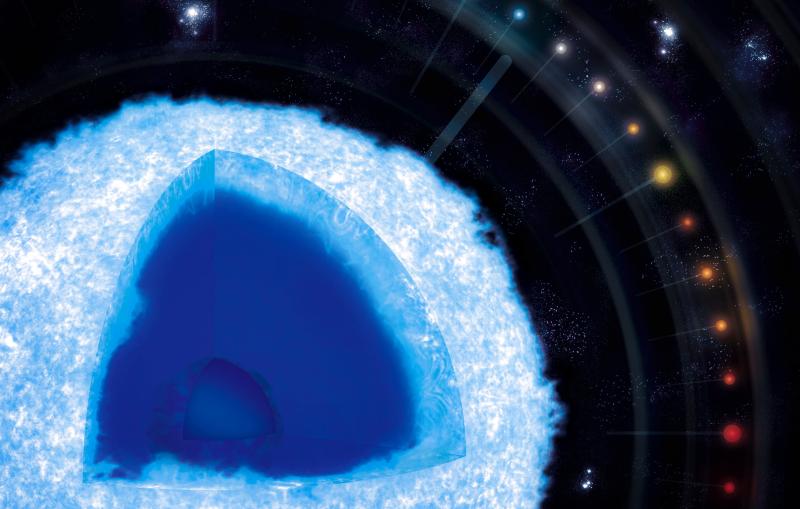
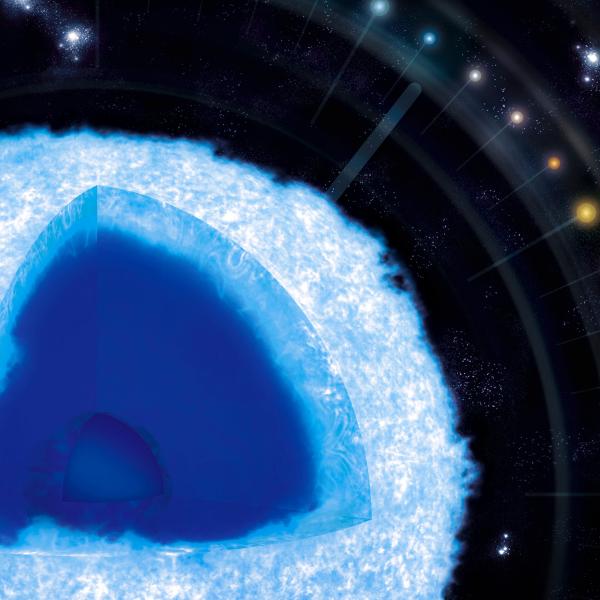
Researchers developed a way to measure the basic properties of matter at the highest pressures thus far achieved in a controlled laboratory experiment.

White dwarf
Feature

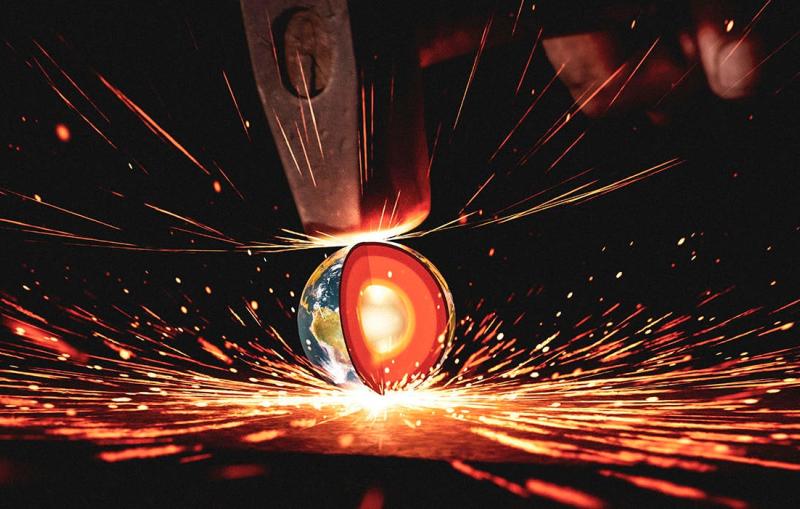
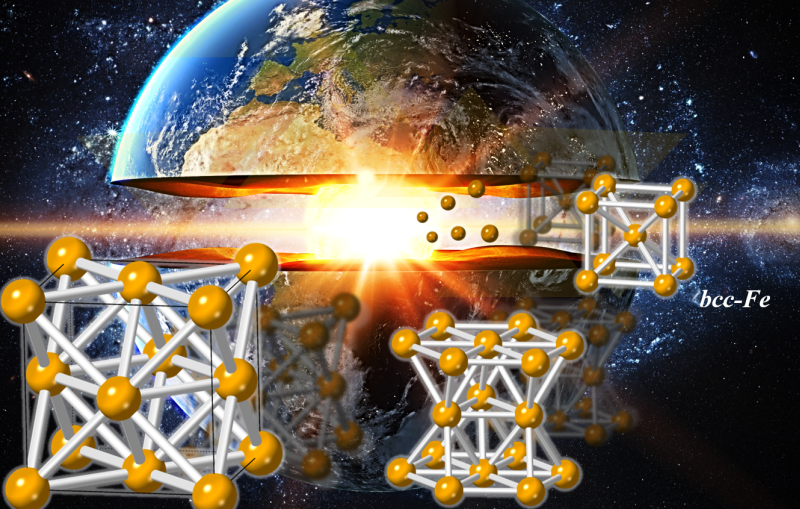
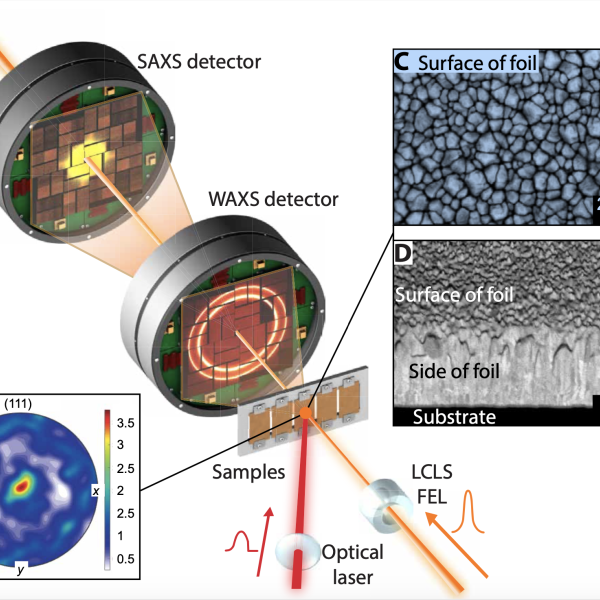
New research could offer insights into the formation of planets like Earth and inform the design of more resilient materials.

Iron impact header
Feature

It could offer insights into the evolution of planetary systems and guide scientists hoping to harness nuclear fusion as a new source of energy.

Scattered photons
Feature

In experiments at the National Ignition Facility, a SLAC-led team found new details about how supernovas boost charged particles to nearly the speed of...

A computer simulation of the turbulent magnetic fields in two plasma shock waves, which were created in the lab to mimic astrophysical shocks.
Feature

Learning how liquid silicates behave at these extreme temperatures and pressures has been a longstanding challenge in the geosciences.

atomic arrangements of liquid silicates at the extreme conditions found in the core-mantle boundary.