
SLAC topics

Materials science RSS feed

 SLAC develops materials to improve the performance of batteries, fuel cells and other energy technologies and set the stage for technologies of the future.

Related link: Energy sciences

Browse tagged content below
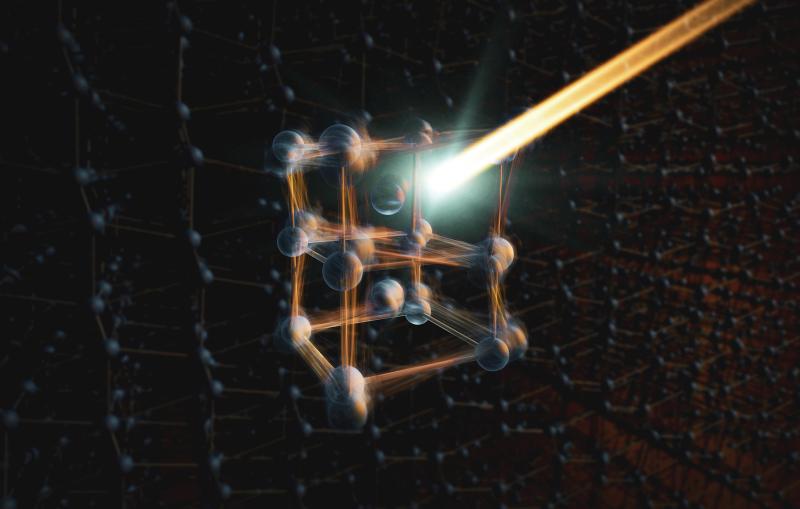
In materials hit with light, individual atoms and vibrations take disorderly paths.
Feature

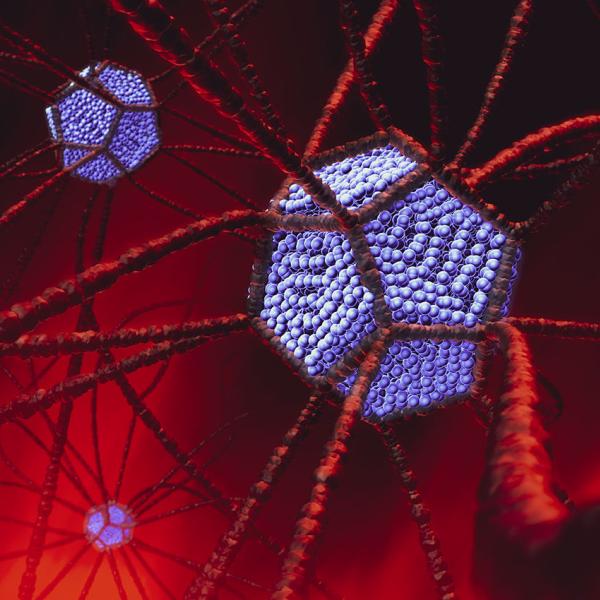
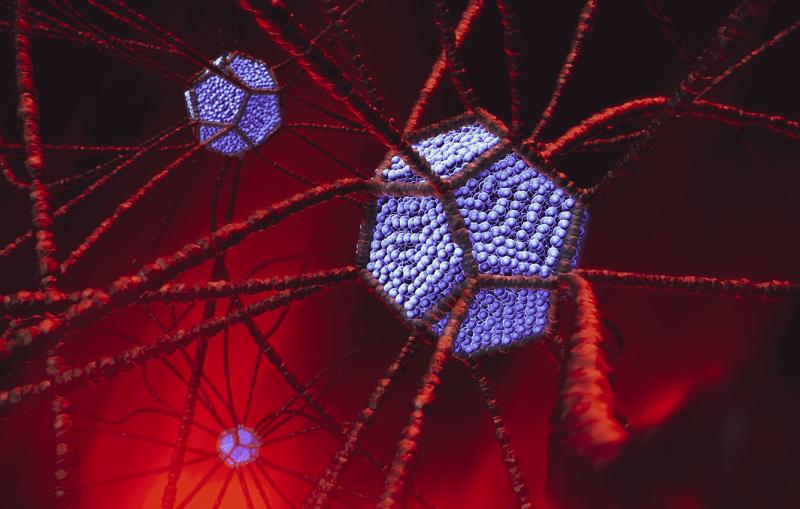
Encapsulating precious-metal catalysts in a web-like alumina framework could reduce the amount needed in catalytic converters – and our dependency on these scarce metals.

A web of red material encapsulates blue polyhedrons.
News Release

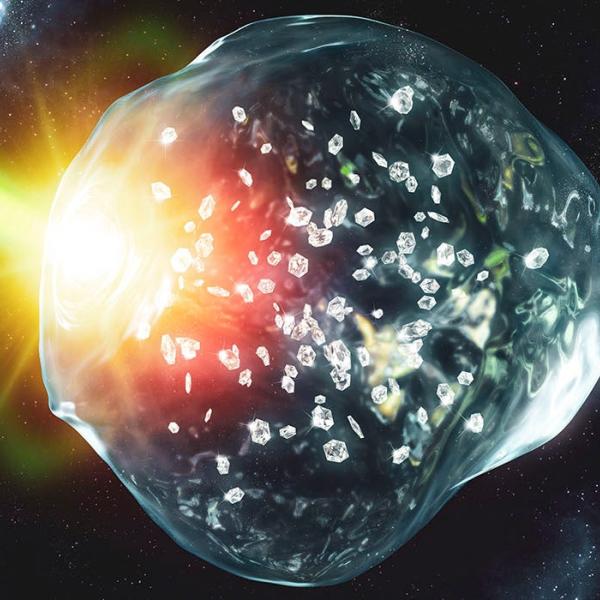
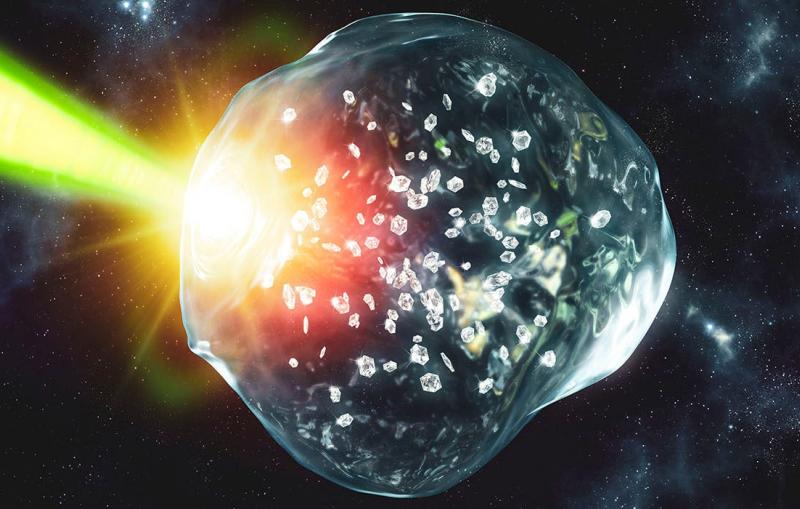
Studying a material that even more closely resembles the composition of ice giants, researchers found that oxygen boosts the formation of diamond rain.

Diamond rain formation
Feature

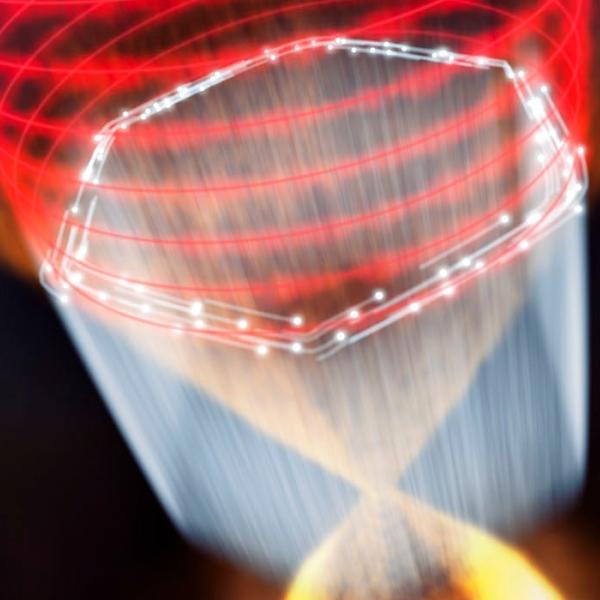
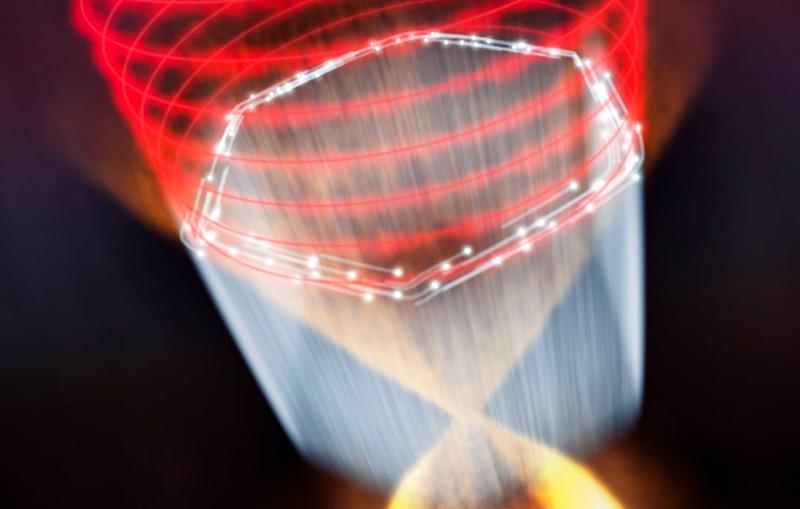
Spiraling laser light reveals how topological insulators lose their ability to conduct electric current on their surfaces.

Against a black background, thin, glowing red wires at top impinge on the hexagonal surface of a translucent mass. Small white dots travel along the edges of the surface in two directions. Within the mass, two orange cones meet at their tips.
Feature

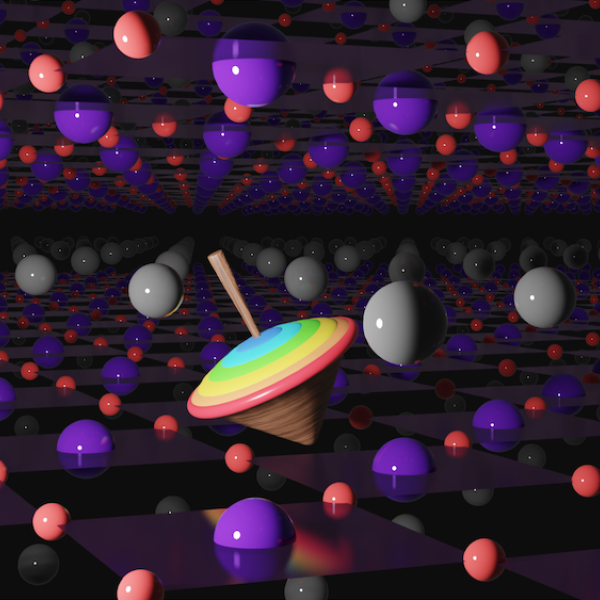
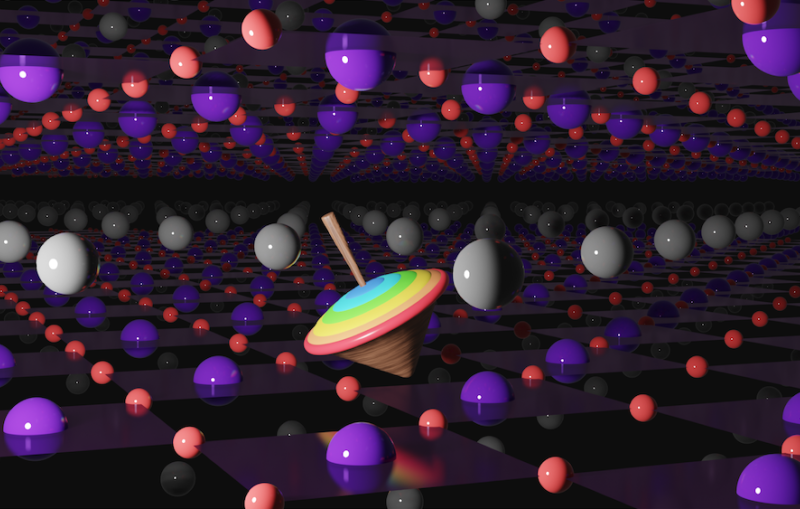
Waves of magnetic excitation sweep through this exciting new material whether it’s in superconducting mode or not – another possible clue to how unconventional...

A brightly colored top is seen spinning between two layers of gray, purple and red spheres representing atoms in a nickel oxide superconductor.
Feature

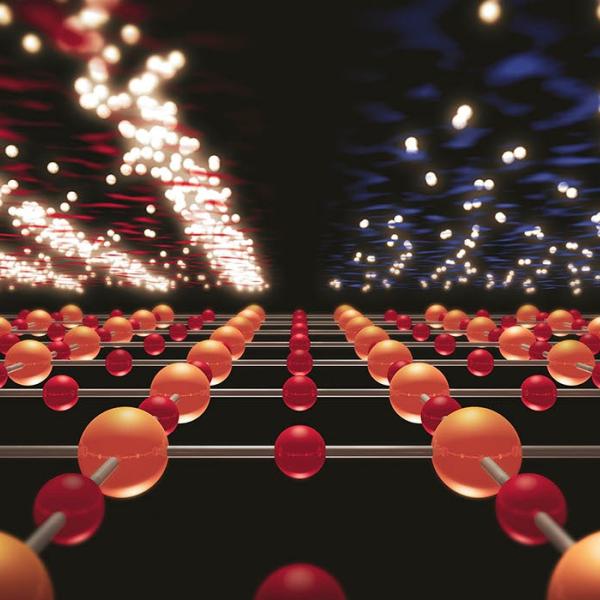
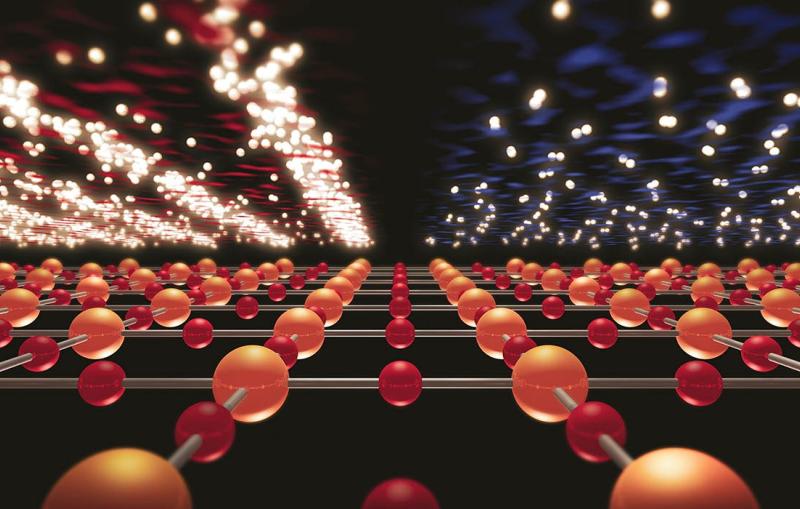
Researchers discover they contain a phase of quantum matter, known as charge density waves, that’s common in other unconventional superconductors. In other ways, though...

Artist's illustration shows quantum states called superconductivity and charge density waves atop an atomic lattice of balls and sticks
SLAC Science Explained

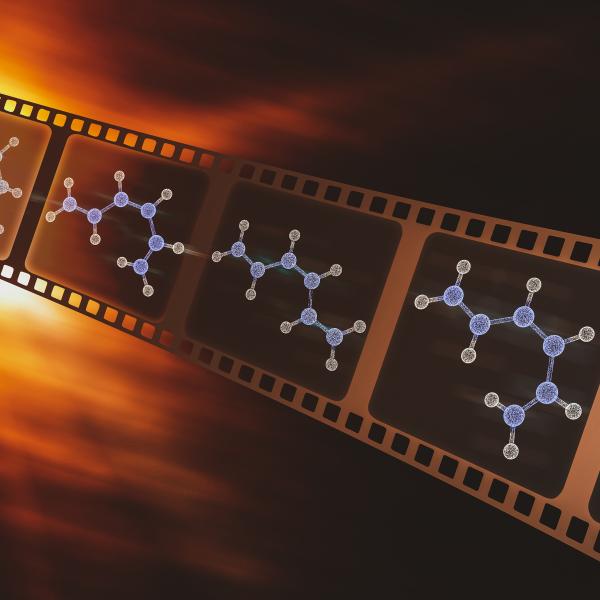
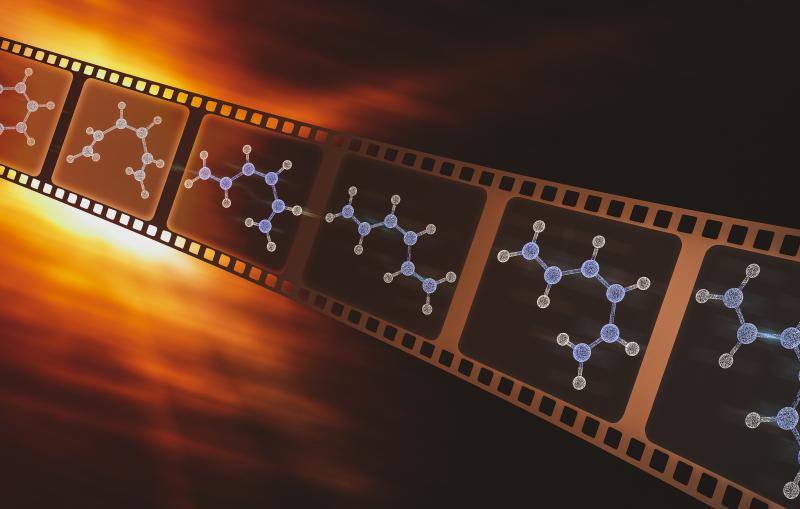
Molecular movie-making is both an art and a science; the results let us watch how nature works on the smallest scales.

Molecular movie filmstrip.
Feature

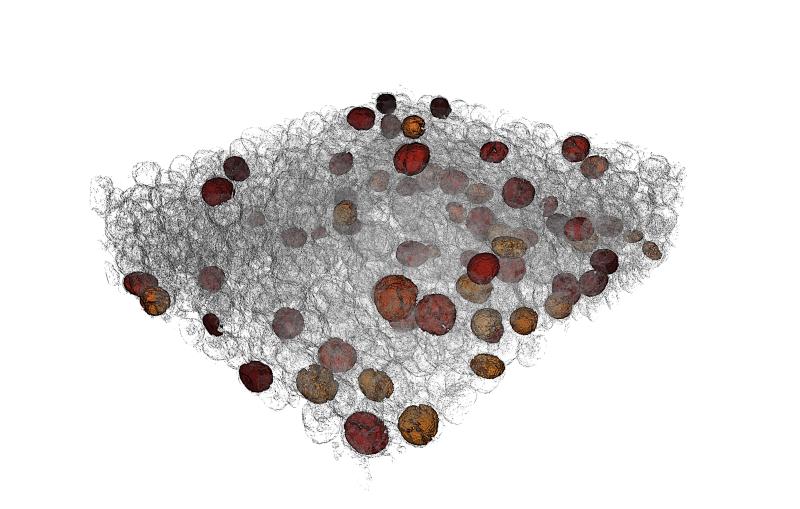
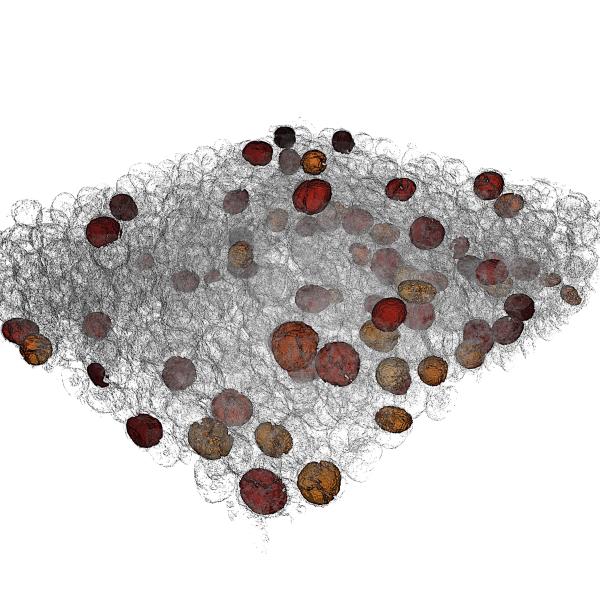
How quickly a battery electrode decays depends on properties of individual particles in the battery – at first. Later on, the network of particles...

A group of particles, some highlighted in reds and oranges to show which have begun to break apart.
Feature

A physical chemist and a diverse group of his students are working on applications with nanoscopic diamonds.

Three side-by-side portraits.
Feature

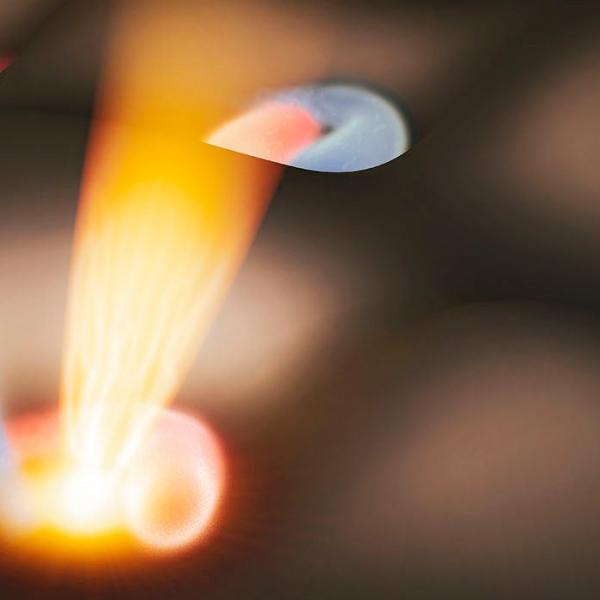
It’s a significant step in understanding these whirling quasiparticles and putting them to work in future semiconductor technologies.

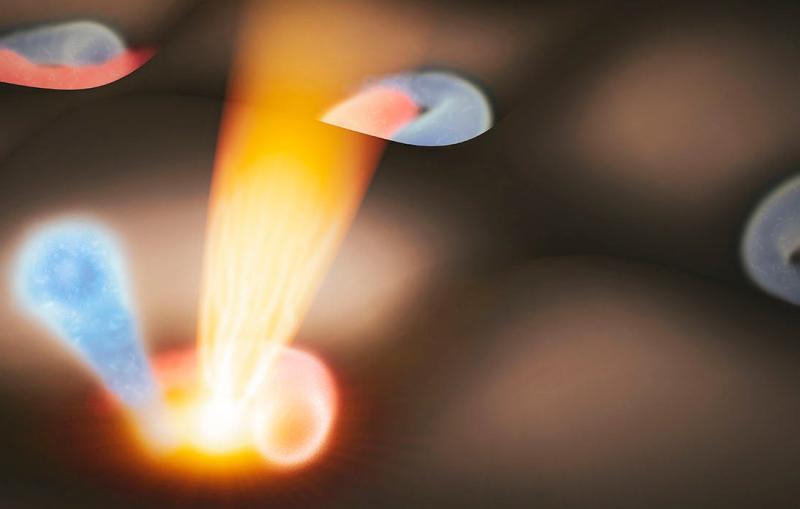
A beam of light hits a semiconductor material, ejecting an electron (blue) which goes on to partner with a hole (orange) to form a whirling compound particle, the exciton.
Feature

SLAC’s Matt Garrett and Susan Simpkins talk about tech transfer that brings innovations from the national lab to the people, including advances for medical...

Tech Transfer
Feature

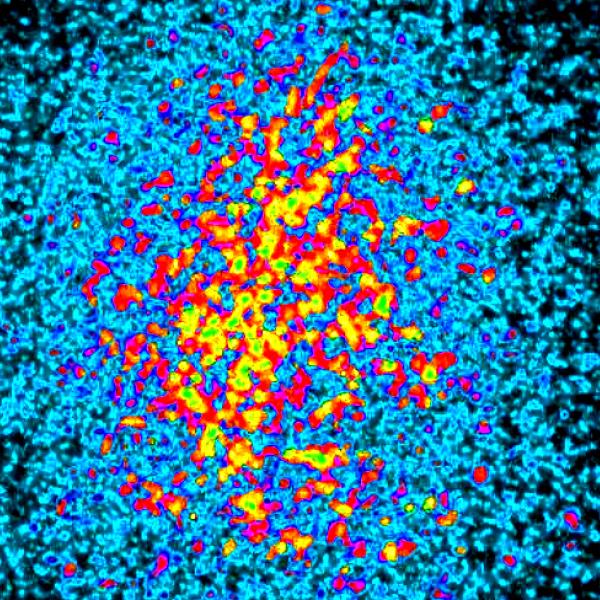
A laser compressing an aluminum crystal provides a clearer view of a material’s plastic deformation, potentially leading to the design of stronger nuclear fusion...

an abstract illustration of rippling waves made of shining dots
Feature

Researchers mimicked these extreme impacts in the lab and discovered new details about how they transform minerals in Earth’s crust.

meteor