SLAC develops materials to improve the performance of batteries, fuel cells and other energy technologies and set the stage for technologies of the future.
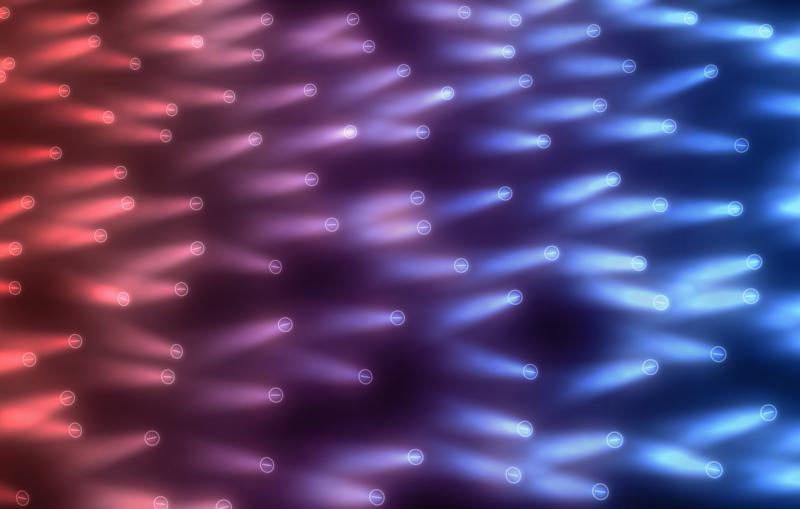
Strongly interacting electrons in quantum materials carry heat and charge in a way that’s surprisingly similar to what individual electrons do in normal metals...
The American Physical Society recognized the SLAC and Stanford physicist for decades of groundbreaking work studying the strange behavior of electrons at the interfaces...
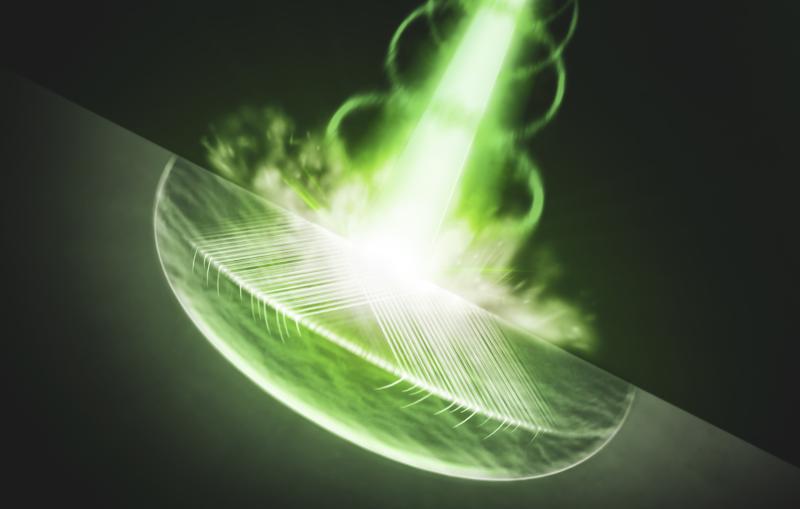
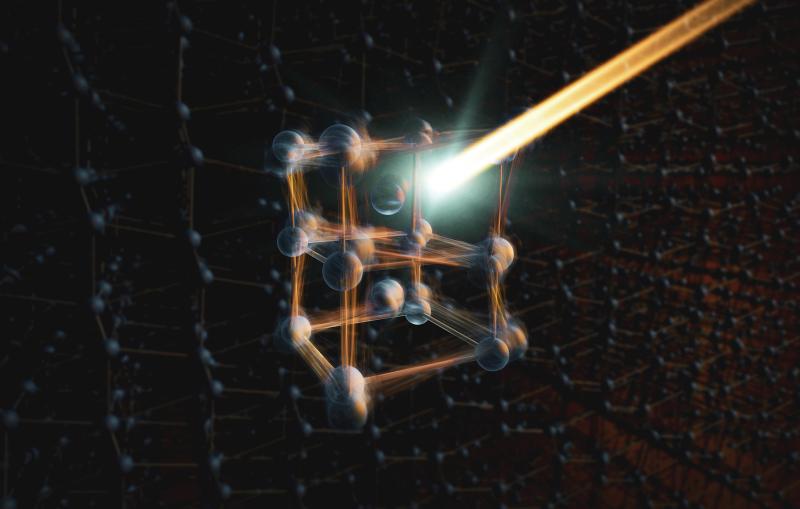
Scientists developed a groundbreaking technology that allows them to see sound waves and microscopic defects inside crystals, promising insights that connect ultrafast atomic motion...
With up to a million X-ray flashes per second, 8,000 times more than its predecessor, it transforms the ability of scientists to explore atomic-scale...
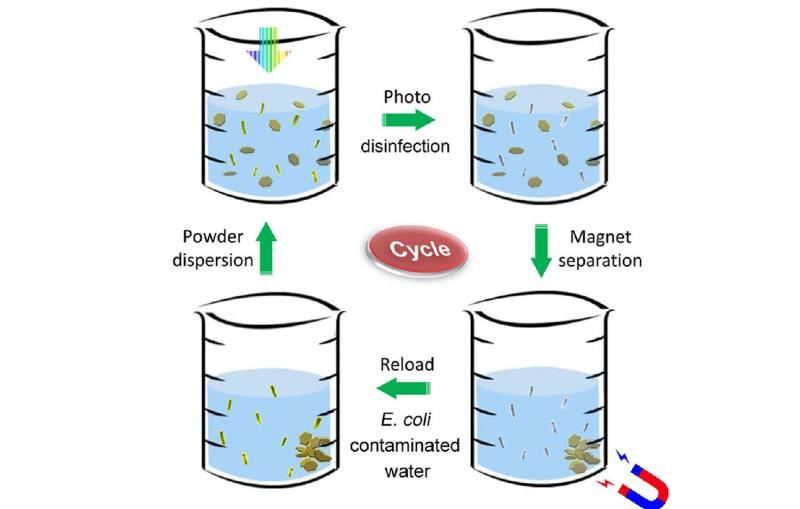
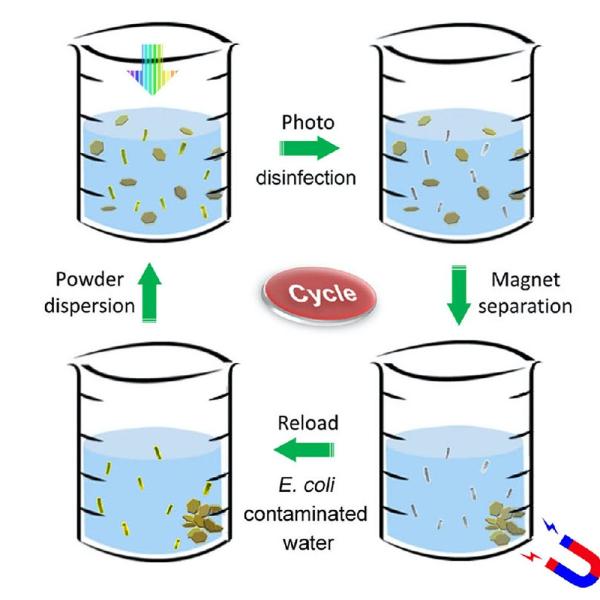
A low-cost, recyclable powder can kill thousands of waterborne bacteria per second when exposed to sunlight. Stanford and SLAC scientists say the ultrafast disinfectant...
Strongly interacting electrons in quantum materials carry heat and charge in a way that’s surprisingly similar to what individual electrons do in normal metals, a SLAC/Stanford study finds.
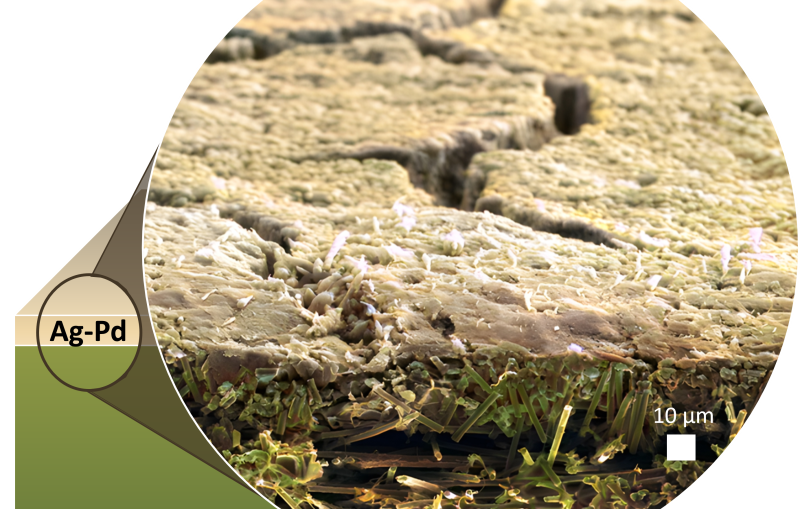
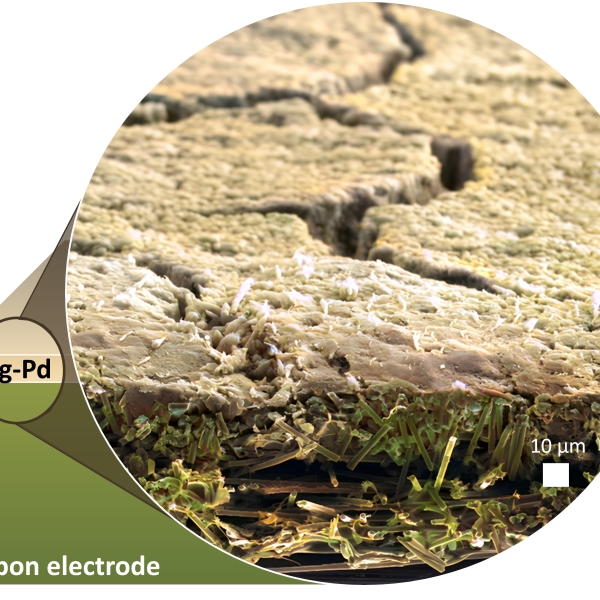
The team reduced the amount of expensive platinum group metals needed to make an effective cell and found a new way to test future fuel cell innovations.
The American Physical Society recognized the SLAC and Stanford physicist for decades of groundbreaking work studying the strange behavior of electrons at the interfaces between materials.
Scientists developed a groundbreaking technology that allows them to see sound waves and microscopic defects inside crystals, promising insights that connect ultrafast atomic motion to large-scale macroscopic behaviors.
SSRL's X-ray tools reveal that alcohol groups on a nanodiamond's surface allow one of the world's most valuable materials to bond with one of its most abundant.
With up to a million X-ray flashes per second, 8,000 times more than its predecessor, it transforms the ability of scientists to explore atomic-scale, ultrafast phenomena that are key to a broad range of applications, from quantum materials to clean...
A low-cost, recyclable powder can kill thousands of waterborne bacteria per second when exposed to sunlight. Stanford and SLAC scientists say the ultrafast disinfectant could be a revolutionary advance for 2 billion people worldwide without access to safe drinking water.