
SLAC topics

Materials science RSS feed

 SLAC develops materials to improve the performance of batteries, fuel cells and other energy technologies and set the stage for technologies of the future.

Related link: Energy sciences
Browse tagged content below

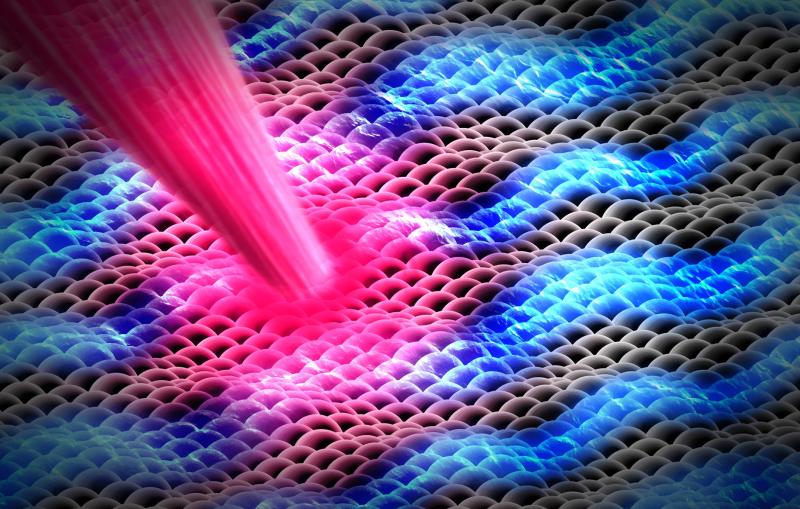
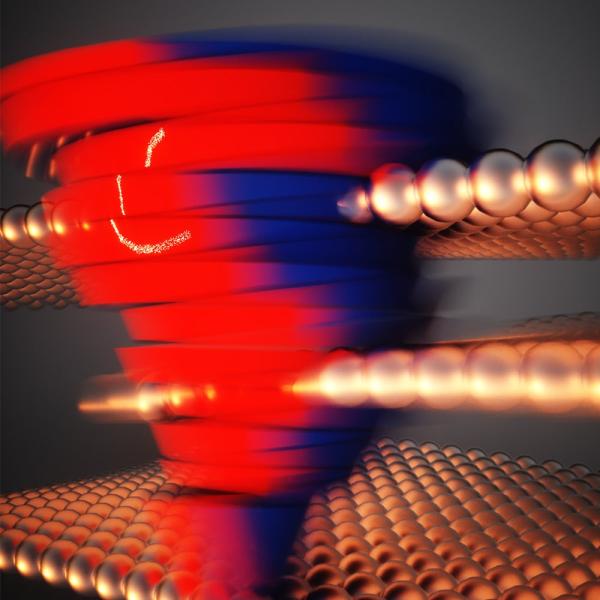
In materials hit with light, individual atoms and vibrations take disorderly paths.
Feature

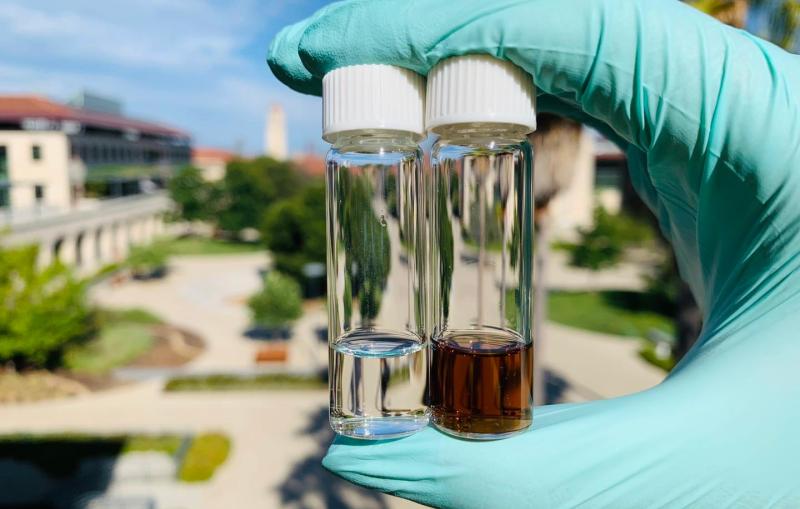
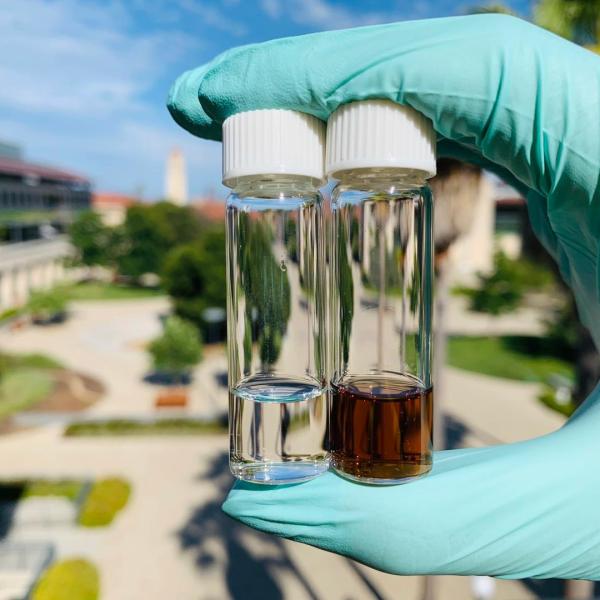
A new lithium-based electrolyte invented by Stanford University scientists could pave the way for the next generation of battery-powered electric vehicles.

Photo of vials containing new electrolyte for lithium metal batteries
Feature

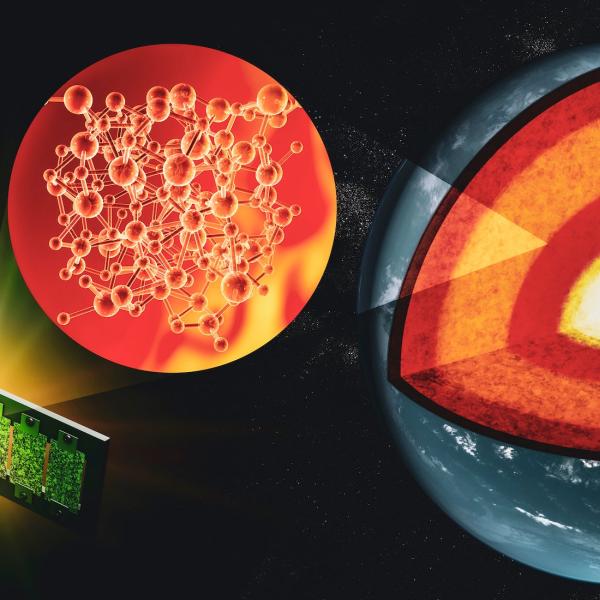
It could offer insights into the evolution of planetary systems and guide scientists hoping to harness nuclear fusion as a new source of energy.

Scattered photons
Feature

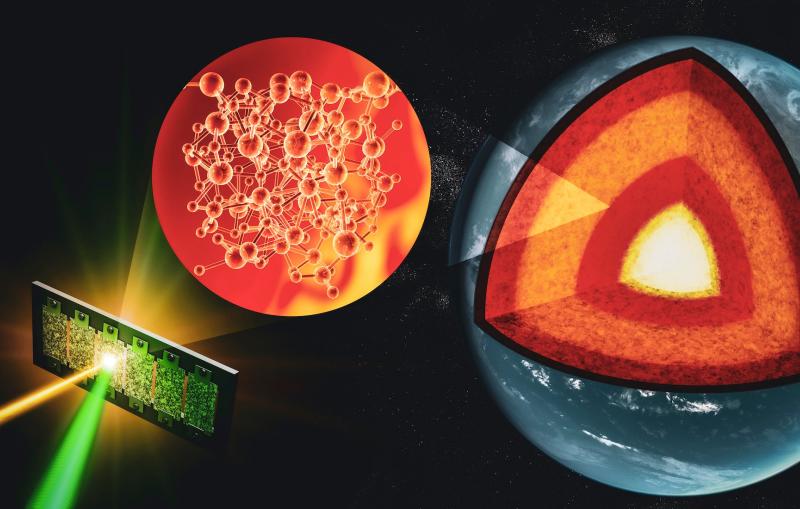
Learning how liquid silicates behave at these extreme temperatures and pressures has been a longstanding challenge in the geosciences.

atomic arrangements of liquid silicates at the extreme conditions found in the core-mantle boundary.
Feature

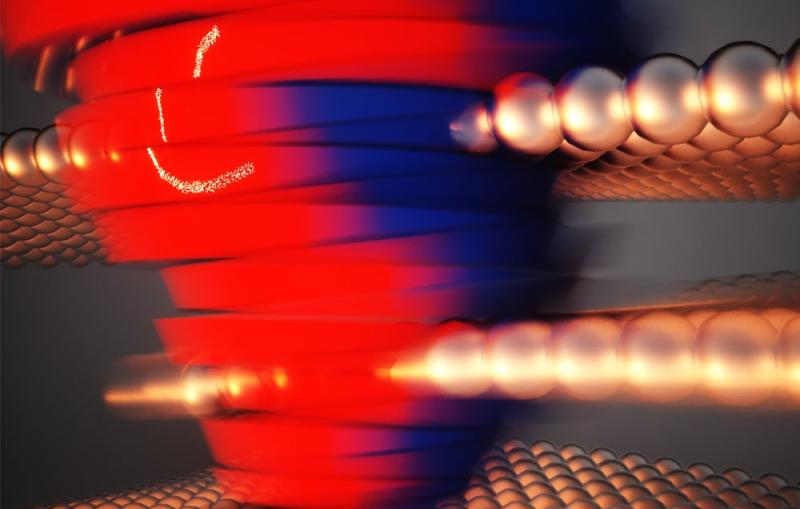
The advance opens a path toward a new generation of logic and memory devices that could be 10,000 times faster than today's.

Fanciful illustration based on electron orbitals
News Brief

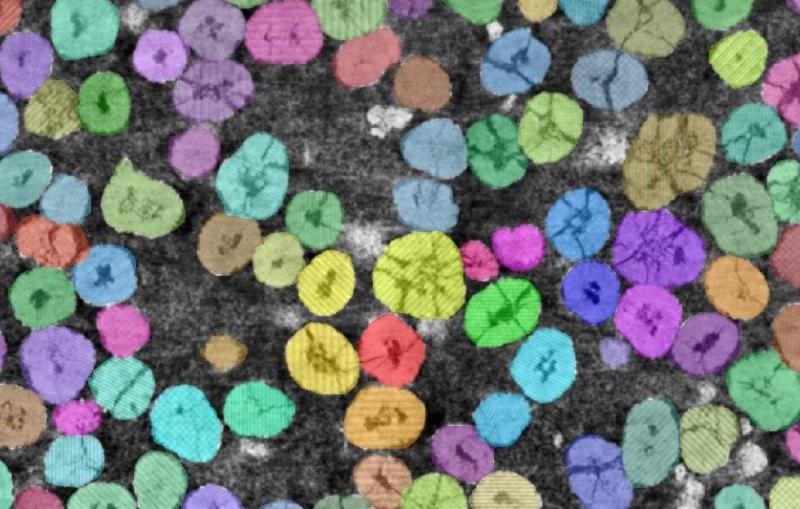
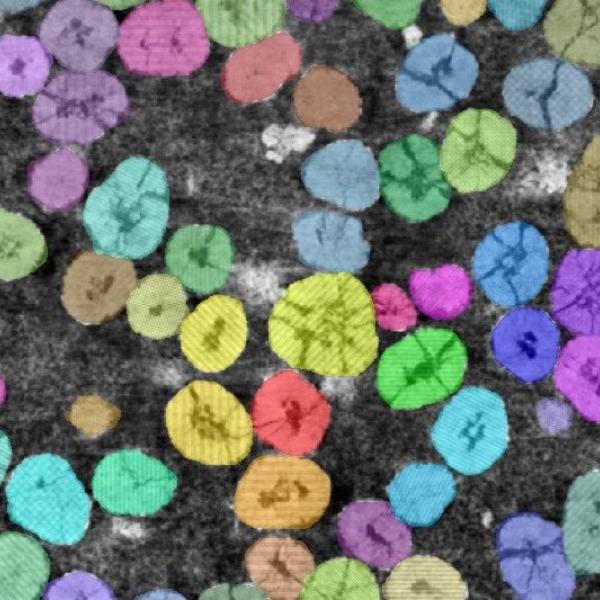
New machine learning methods bring insights into how lithium ion batteries degrade, and show it’s more complicated than many thought.

Particles in a nickel-manganese-cobalt cathode are highlighted using a new computer vision algorithm.
Feature

The SLAC/Stanford scientists are among 120 new members of an organization that advises the nation on science and technology issues.

NAS 2020
Feature

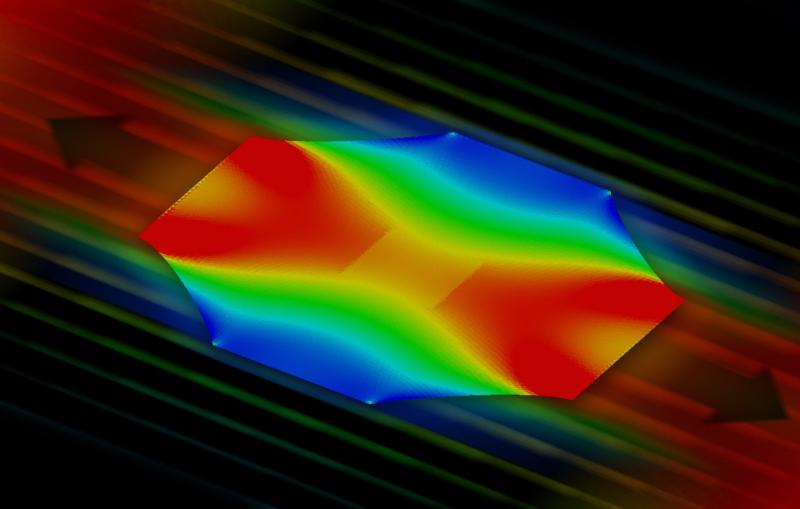
Turning a brittle oxide into a flexible membrane and stretching it on a tiny apparatus flipped it from a conducting to an insulating state...

Close up of strain pattern produced by stretching membrane
Feature

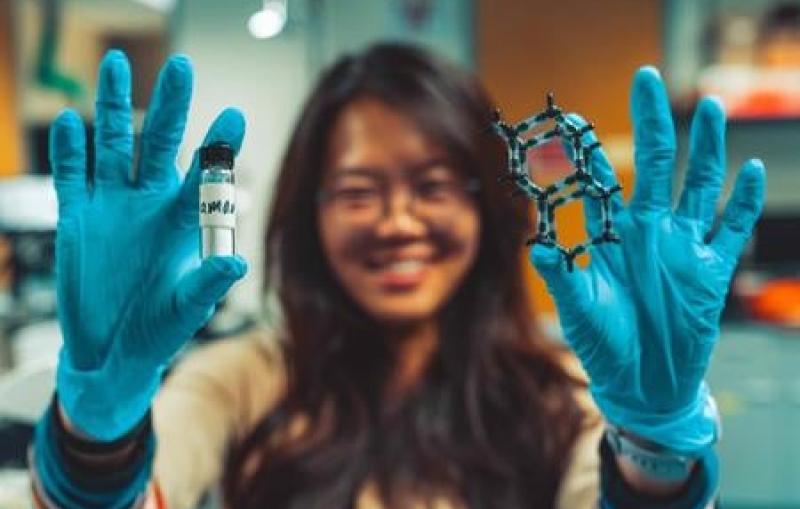
With the right amount of pressure and surprisingly little heat, a substance found in fossil fuels can transform into pure diamond.

Scientist holding diamondoid molecule moldels
Feature

A better understanding of these materials and how they store and transport oil and gas could one day enable more efficient fossil fuel production.

Aromatic carbon
Feature

It reveals an abrupt transition in cuprates where particles give up their individuality. The results flip a popular theory on its head.

Illustration of abrupt transition in normal state of a cuprate
News Release

Called XLEAP, the new method will provide sharp views of electrons in chemical processes that take place in billionths of a billionth of a...

XLEAP illustration.
News Brief

Computer simulations yield a much more accurate picture of these states of matter.

Illustration of a Monte Carlo simulation