SLAC topics

Materials science RSS feed

 SLAC develops materials to improve the performance of batteries, fuel cells and other energy technologies and set the stage for technologies of the future.

Related link: Energy sciences

Browse tagged content below

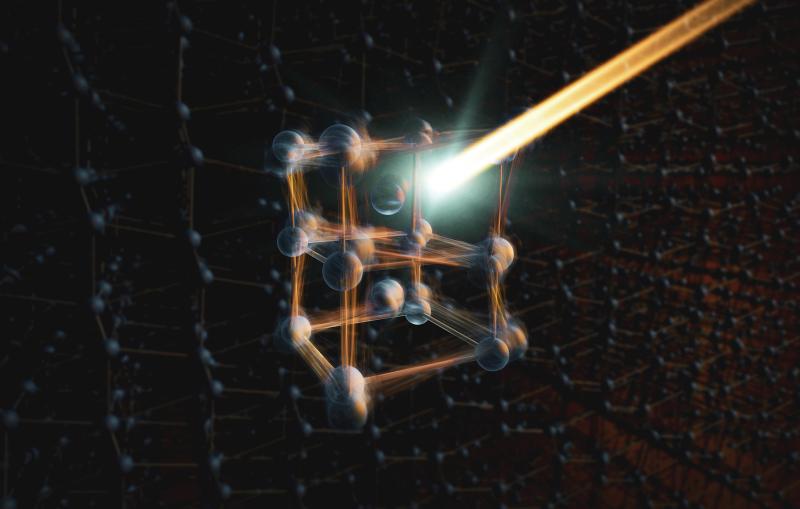
In materials hit with light, individual atoms and vibrations take disorderly paths.
Feature

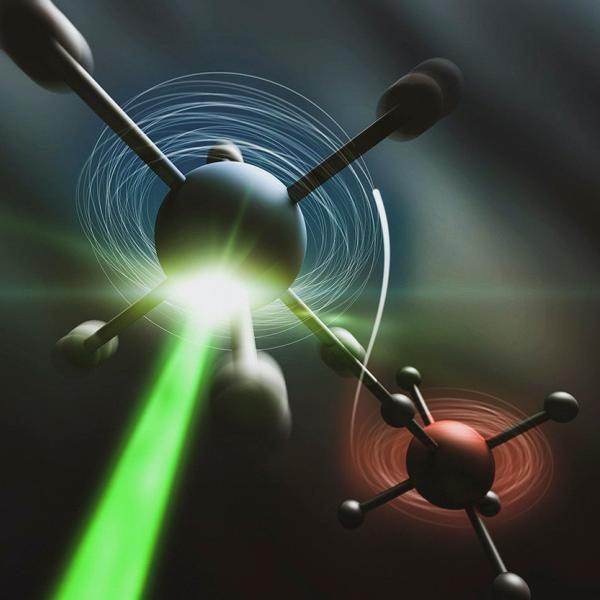
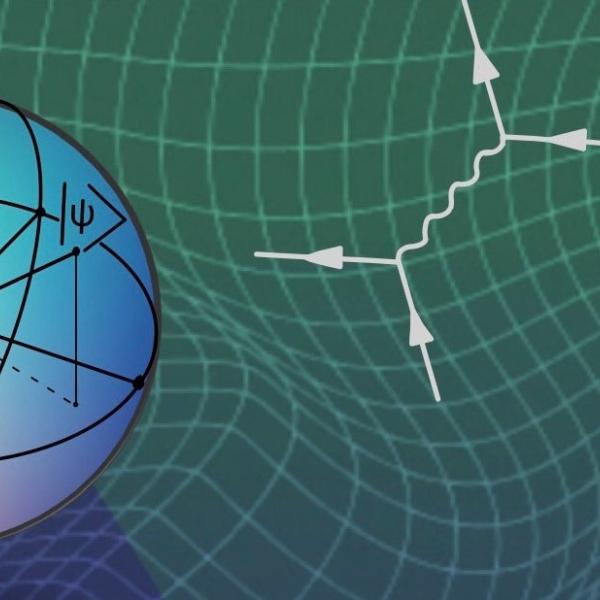
SLAC and Stanford partner with two Illinois universities to create the Center for Quantum Sensing and Quantum Materials, which aims to unravel mysteries associated...

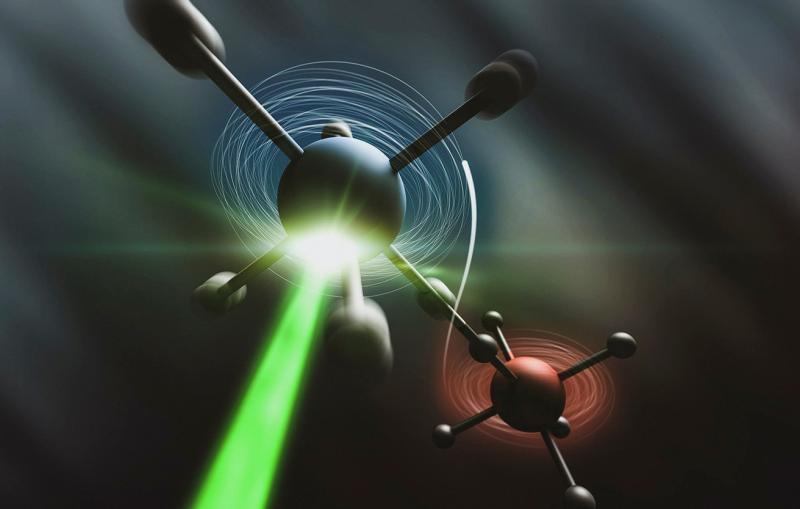
Illustration of quantum processes
News Brief

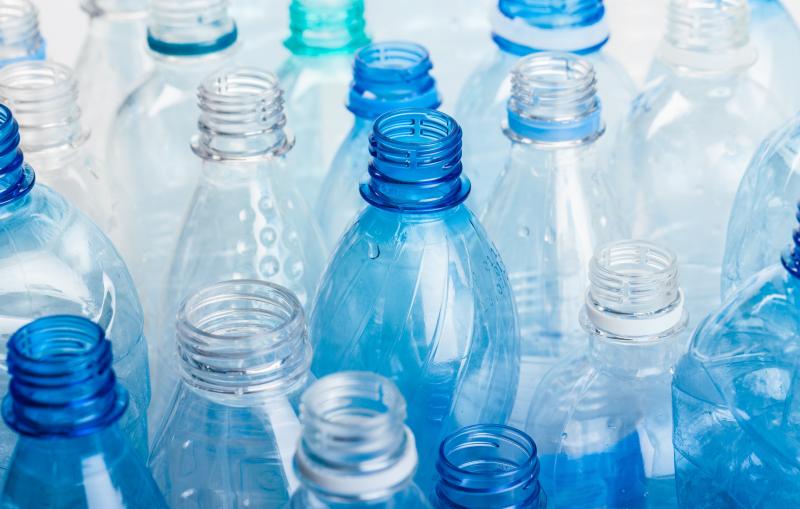
Scientists at the Stanford Synchrotron Radiation Lightsource will study plastics and biologically-motivated processes that break them down in hopes of finding more efficient ways...

Clear plastic bottles
News Release

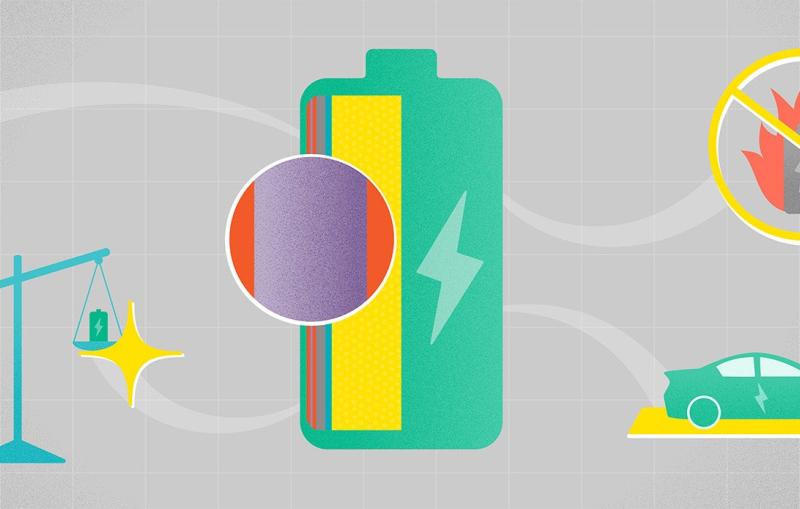
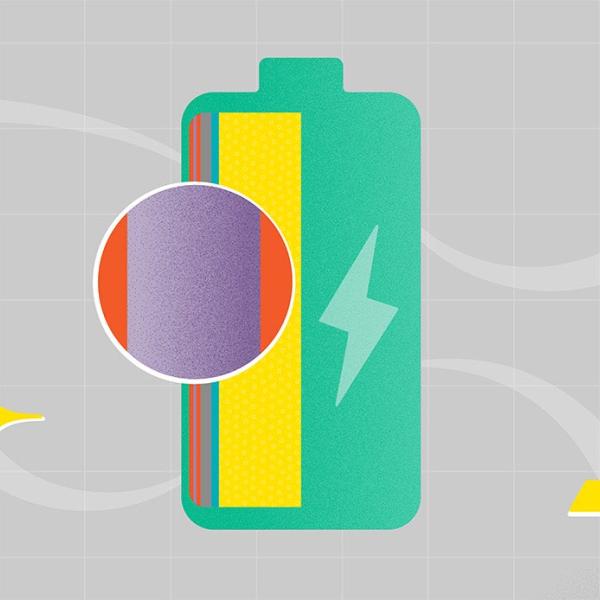
Adding polymers and fireproofing to a battery’s current collectors makes it lighter, safer and about 20% more efficient.

Conceptual illustration of advantages of redesigned current collector.
Feature

Daniel Ratner, head of SLAC’s machine learning initiative, explains the lab’s unique opportunities to advance scientific discovery through machine learning.

Physicist Daniel Ratner.
Feature

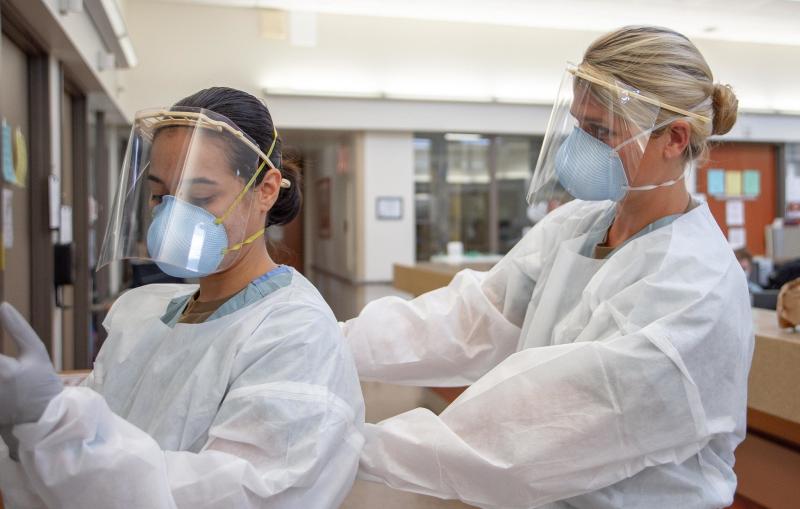
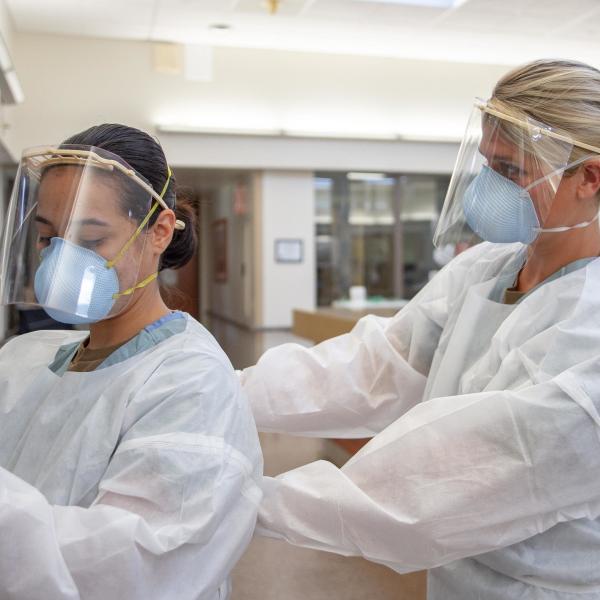
They found that gently heating N95 masks in high relative humidity could inactivate SARS-CoV-2 virus trapped within the masks, without degrading the masks’ performance.

Medical workers donning personal protective equipment
Feature

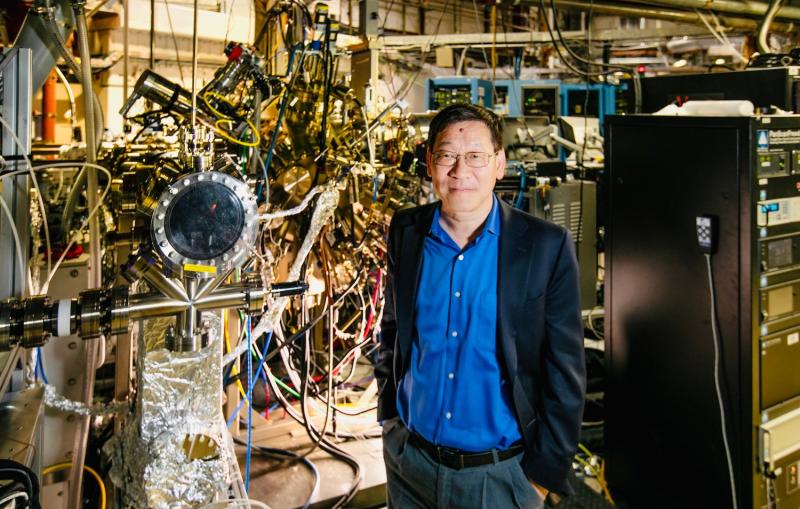
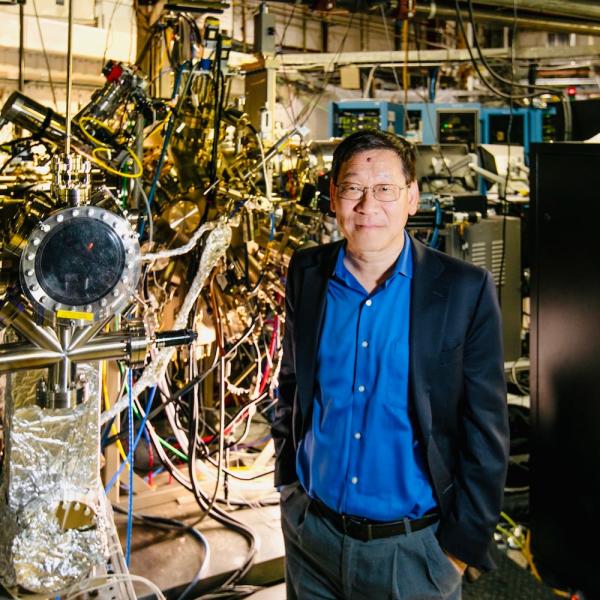
For decades Z-X Shen has ridden a wave of curiosity about the strange behavior of electrons that can levitate magnets.

Portrait of Stanford and SLAC Professor Z-X Shen
Feature

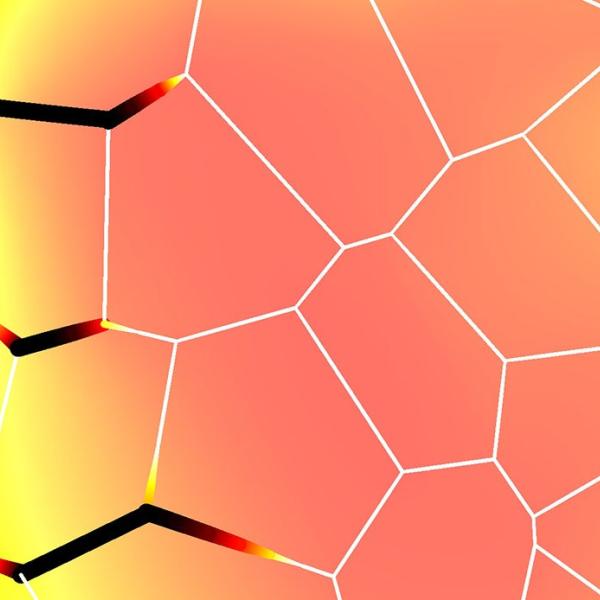
The results show how a particle’s surface and interior influence each other, an important thing to know when developing more robust batteries.

Closeup of an illustration showing how battery cathode material degrades
Feature

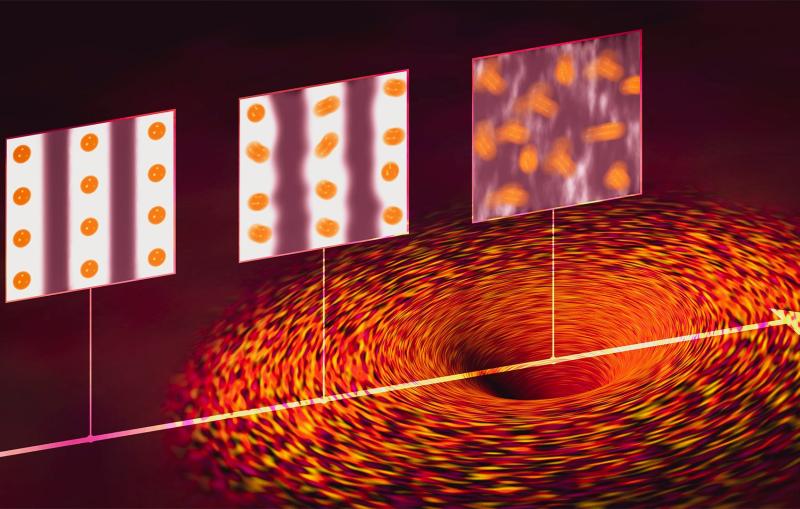
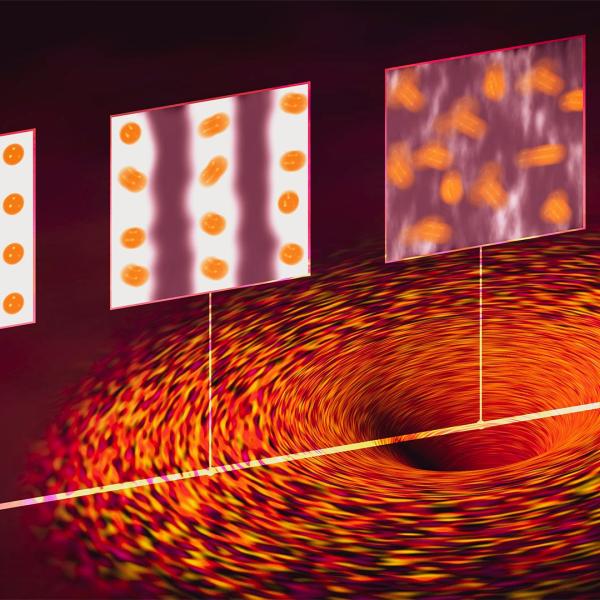
Theory suggests that quantum critical points may be analogous to black holes as places where all sorts of strange phenomena can exist in a...

Illustration of changes in charge stripes as a superconductor approaches a quantum critical point
Feature

Q-NEXT will tackle next-generation quantum science challenges through a public-private partnership, ensuring U.S. leadership in an economically crucial arena.

QIS public-private partnership.
News Brief

In a new perspective, SLAC and University of Paderborn scientists argue that research at synchrotrons could help improve water-purifying materials in ways that might...

Cracked, dry earth landscape.
Illustration

Researchers used SLAC’s ultrafast electron diffraction (UED) as an electron camera to take snapshots of a three-atom-thick layer of a promising material as it...

UED electron camera takes snapshots of dynamic ripples.

Researchers have invented a way to slide atomically-thin layers of 2D materials over one another to store more data, in less space and using...

Illustration of experimental technology that stores data by shifting atomically thin layers of metal