SLAC topics

Linac Coherent Light Source (LCLS) RSS feed

The Linac Coherent Light Source at SLAC, the world’s first hard X-ray free-electron laser, takes X-ray snapshots of atoms and molecules at work, revealing fundamental processes in materials, technology and living things.

Visit LCLS website

Browse tagged content

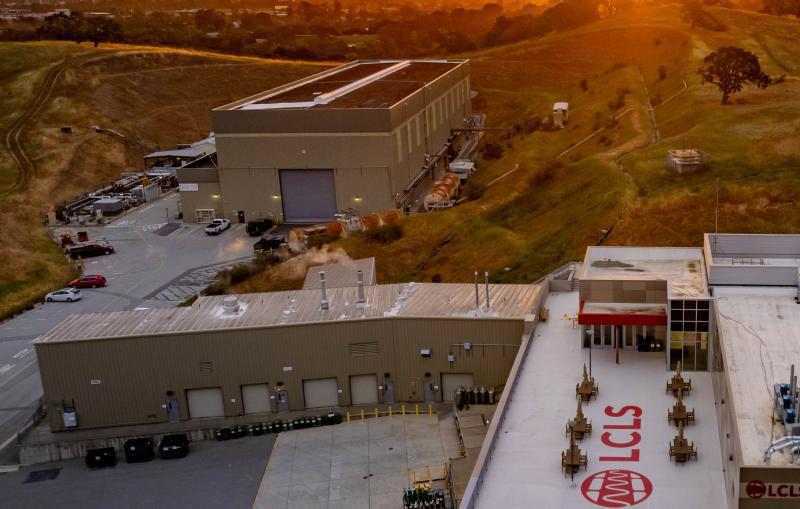
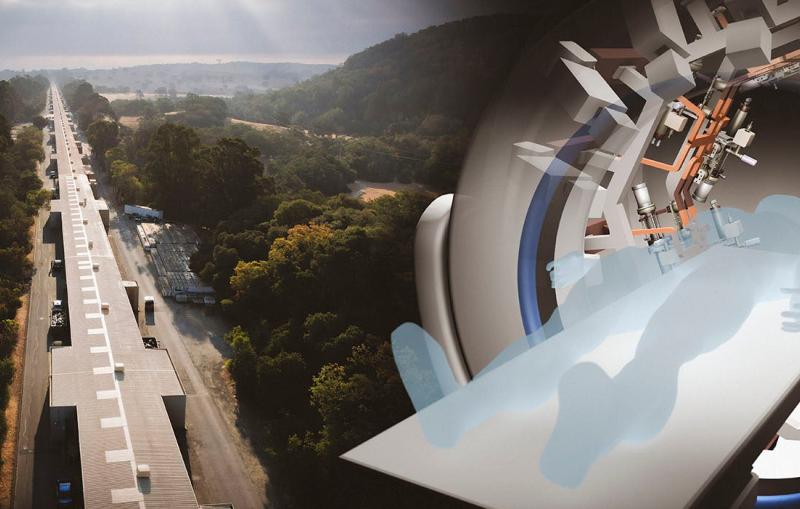
Rooftop view of Linac Coherent Light Source (LCLS)
Feature

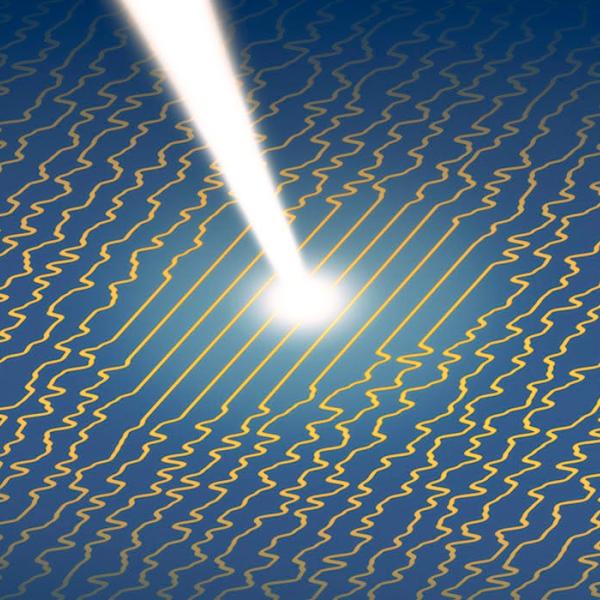
Scientists discover superconductivity and charge density waves are intrinsically interconnected at the nanoscopic level, a new understanding that could help lead to the next...

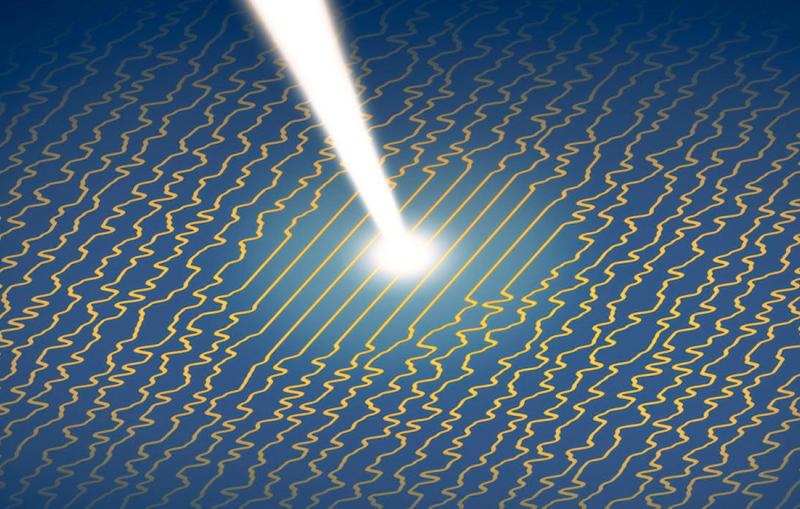
A beam of light lands on a series of squiggly lines. Where the beam lands, the lines are straight.
News Release

The facility, LCLS-II, will soon sharpen our view of how nature works on ultrasmall, ultrafast scales, impacting everything from quantum devices to clean energy.

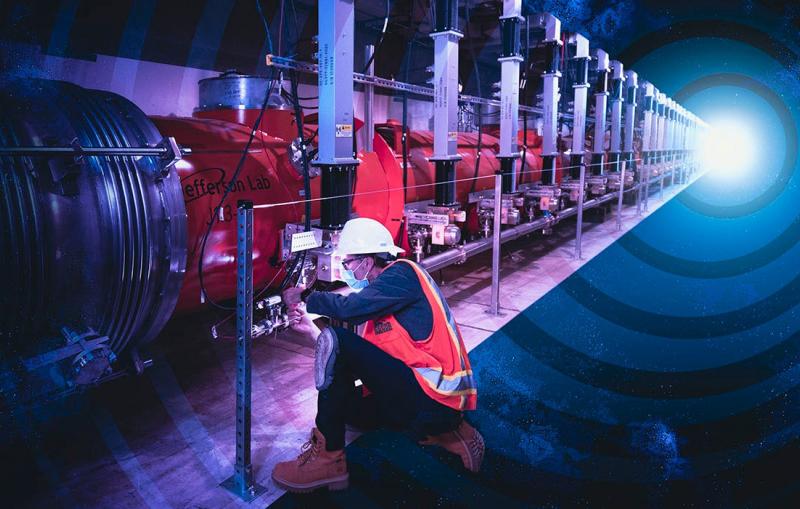
LCLS-II cooldown
Feature

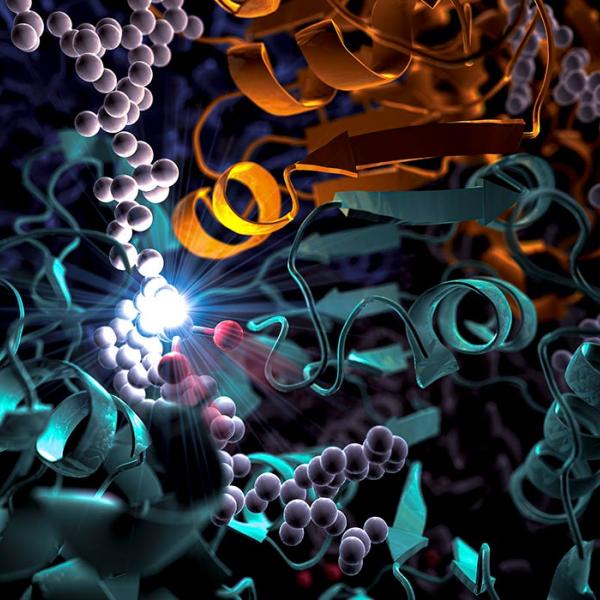
Researchers discover that a spot of molecular glue and a timely twist help a bacterial enzyme convert carbon dioxide into carbon compounds 20 times...

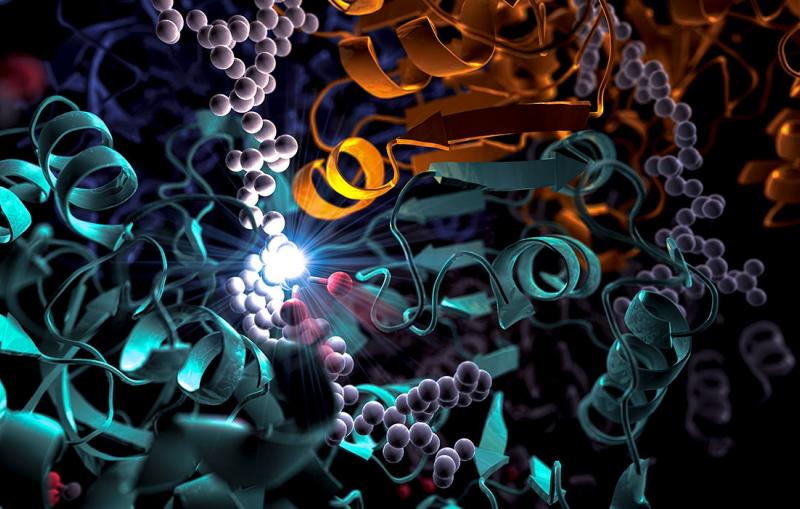
An illustration shows the pocket in an enzyme called ECR where the carbon fixing reaction takes place.
Feature

The leaders of SLAC's Technology Innovation Directorate discuss how their group supports the lab's most innovative projects.

TID senior managers
Feature

SLAC’s Matt Garrett and Susan Simpkins talk about tech transfer that brings innovations from the national lab to the people, including advances for medical...

Tech Transfer
Feature

A laser compressing an aluminum crystal provides a clearer view of a material’s plastic deformation, potentially leading to the design of stronger nuclear fusion...

an abstract illustration of rippling waves made of shining dots
Feature

Researchers mimicked these extreme impacts in the lab and discovered new details about how they transform minerals in Earth’s crust.

meteor
Feature

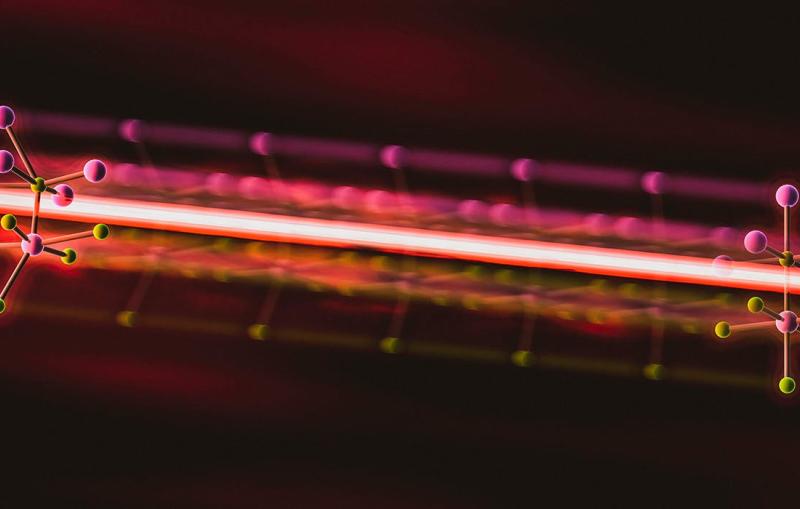
X-ray laser experiments show that intense light distorts the structure of a thermoelectric material in a unique way, opening a new avenue for controlling...

Illustration shows two ball-and-stick molecules in pink and red separated by a blurred streak representing how the first structure is slightly deformed into the second.
Feature

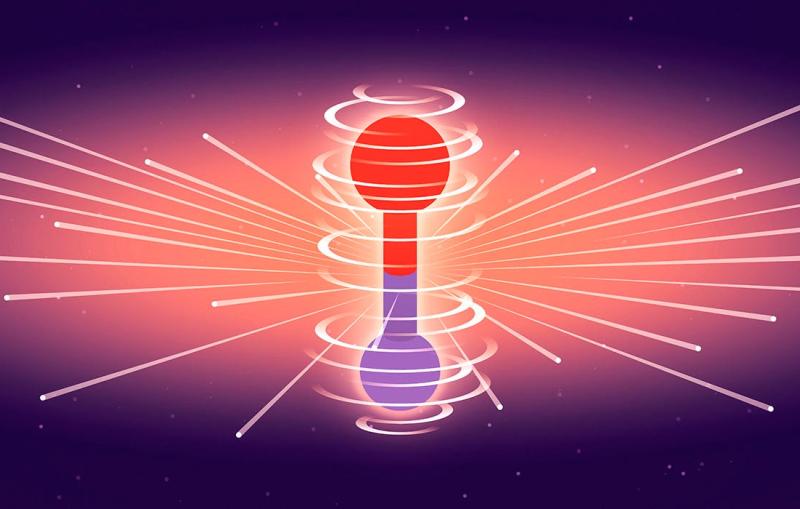
Less than a millionth of a billionth of a second long, attosecond X-ray pulses allow researchers to peer deep inside molecules and follow electrons...

Illustration of attosecond coherent electron motions.
Feature

High-speed X-ray free-electron lasers have unlocked the crystal structures of small molecules relevant to chemistry and materials science, proving a new method that could...

Crystallography illustrations
Feature

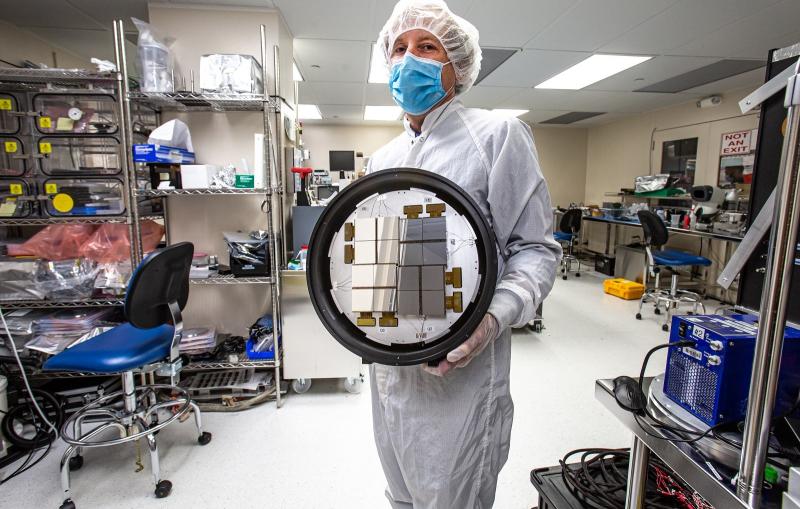
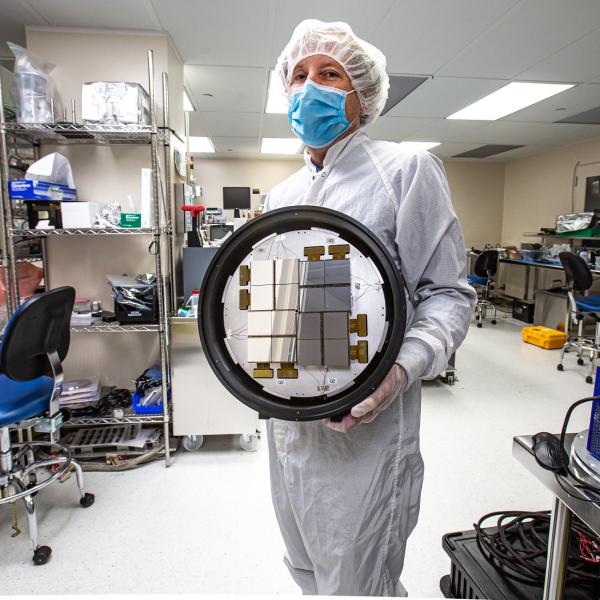
The ePix series of detectors is designed to keep pace with ever more demanding experiments at SLAC and elsewhere.

SLAC’s Chris Kenney holds a 16-module
Feature

Through her work with this nationwide program, Curry plans to make high-power laser facilities more accessible to researchers.

Chandra Breanne Curry