

SLAC topics

Linac Coherent Light Source (LCLS) RSS feed

The Linac Coherent Light Source at SLAC, the world’s first hard X-ray free-electron laser, takes X-ray snapshots of atoms and molecules at work, revealing fundamental processes in materials, technology and living things.

Visit LCLS website

Browse tagged content

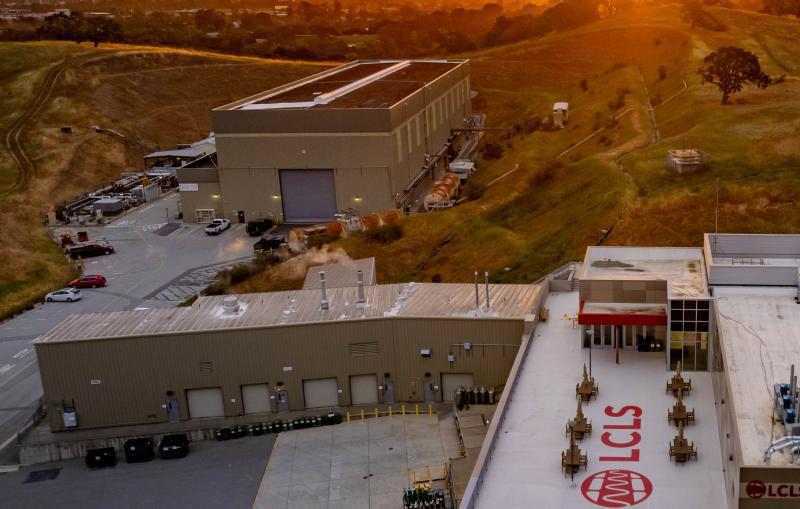
Rooftop view of Linac Coherent Light Source (LCLS)
News Release

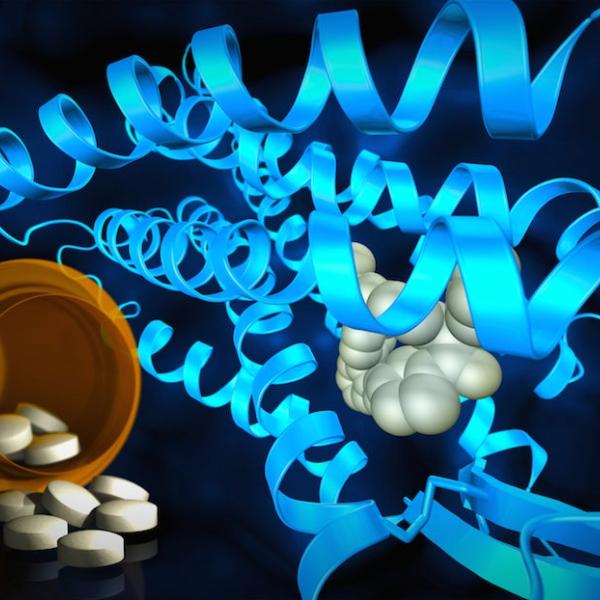
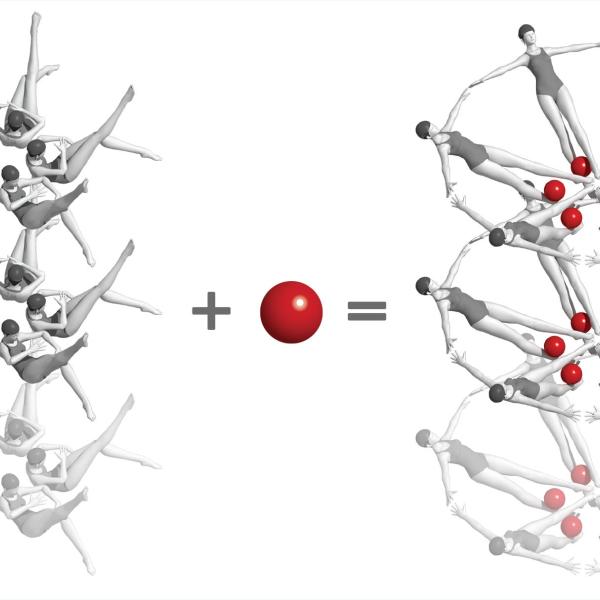
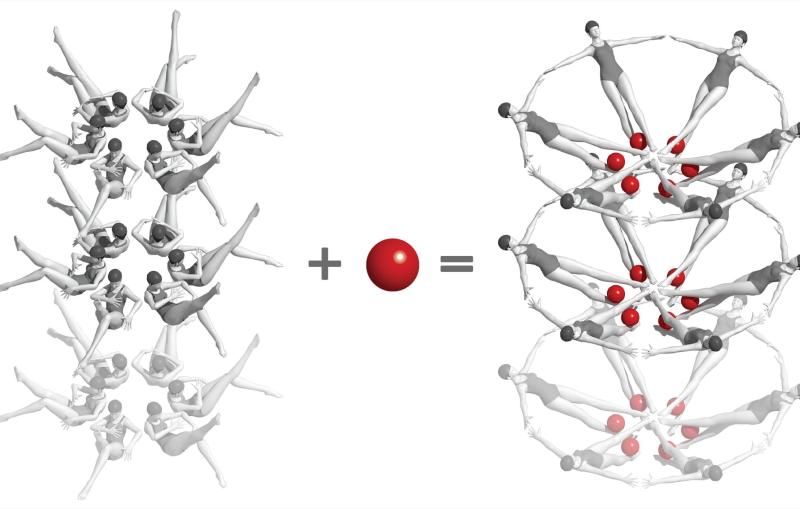
Scientists used SLAC's LCLS X-ray laser to make the first snapshots of a chemical interaction between two biomolecules. It changes the shape of millions...

Illustration depicting a chemical interaction as synchronized swimmers.
Feature

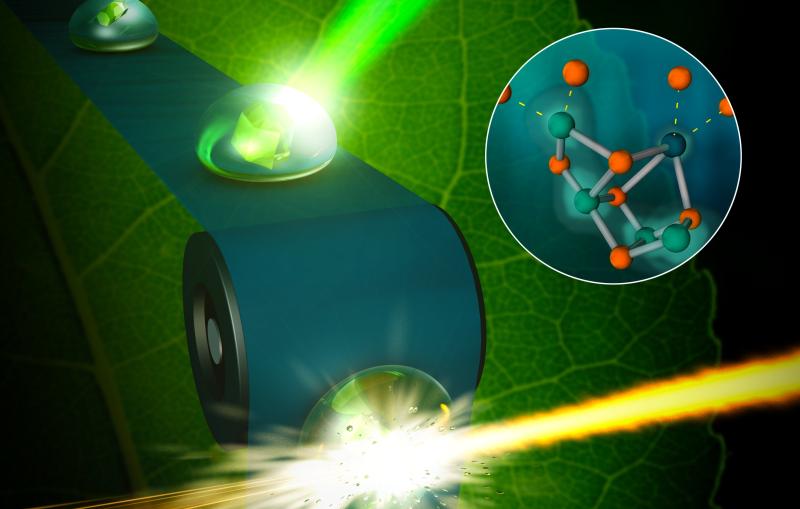
The team determined the 3-D structure of a biomolecule by tagging it with selenium atoms and taking hundreds of thousands of images.

Feature

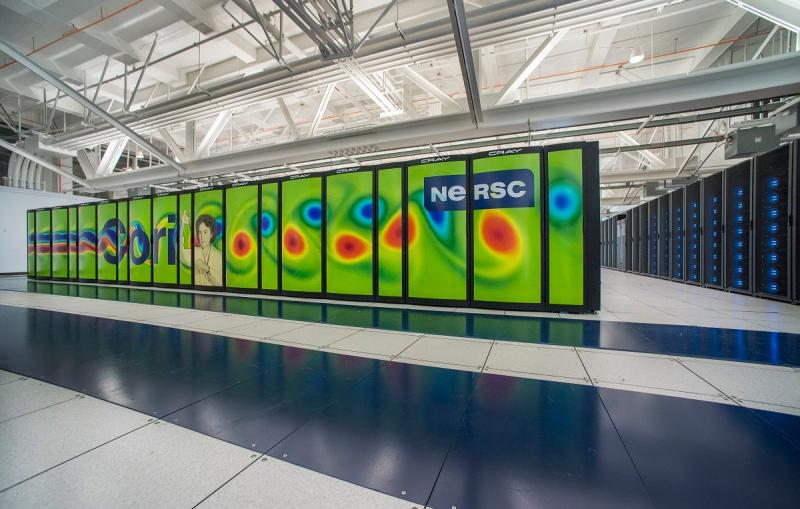
Two recently funded computing projects work toward developing cutting-edge scientific applications for future exascale supercomputers that can perform at least a billion billion computing...

Feature

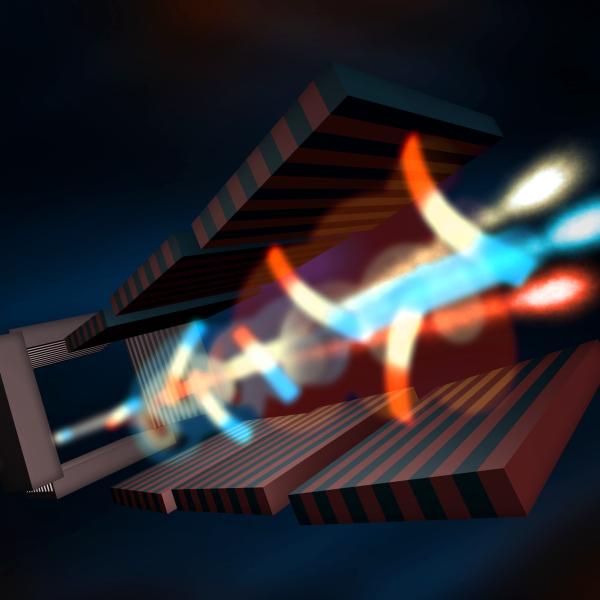
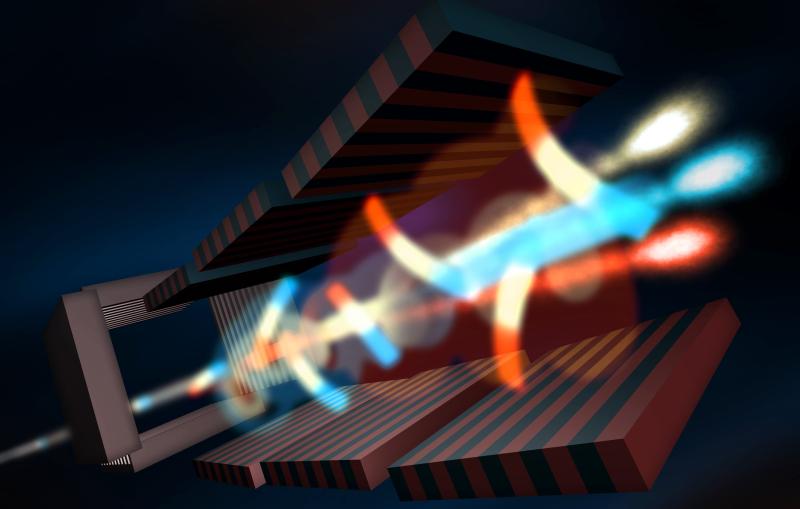
For the first time, scientists at SLAC’s X-ray laser have created bright, three-colored X-ray pulses.

Feature

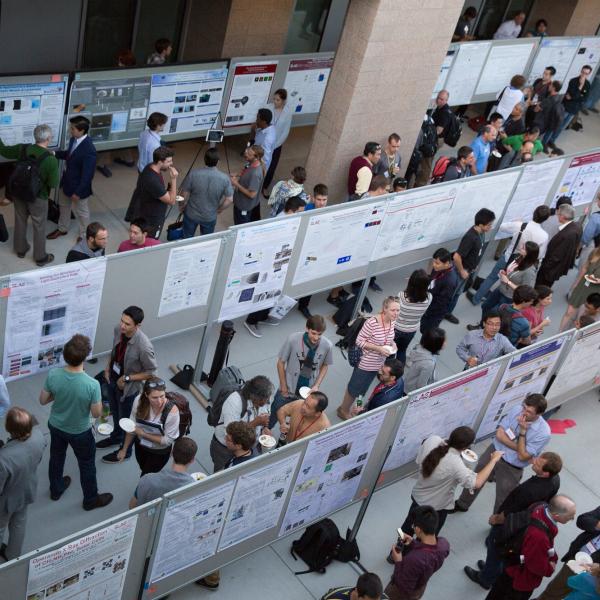
The event drew more than 400 participants, with workshops and presentations focusing on collaborations and new technology at SLAC’s light sources.

Feature

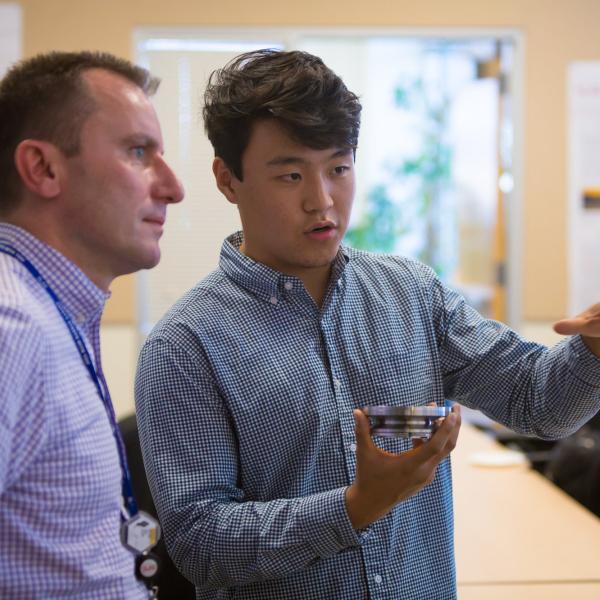
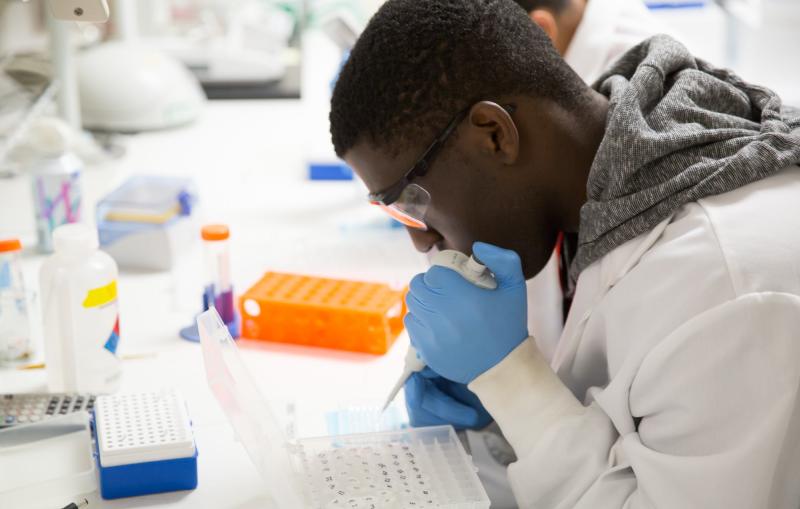
More than 40 interns spent 10 weeks this summer helping SLAC researchers advance the use of the Linac Coherent Light Source.

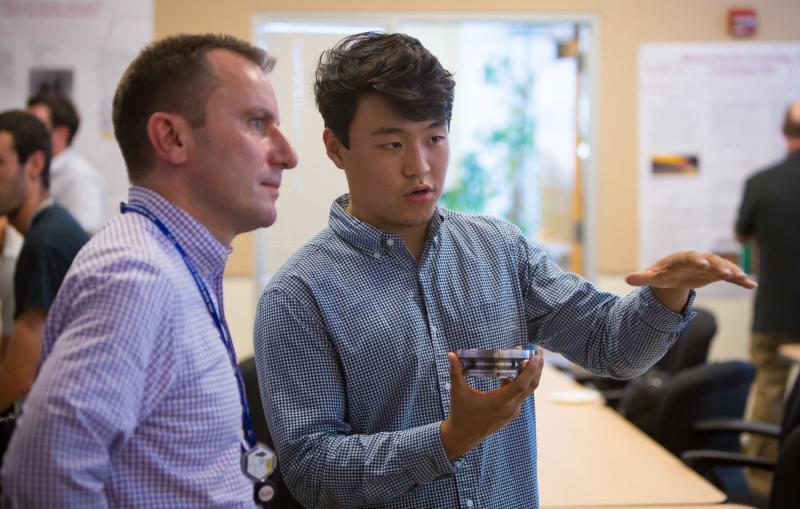
LCLS director Mike Dunne with intern Temuulen Batenkh​
News Release

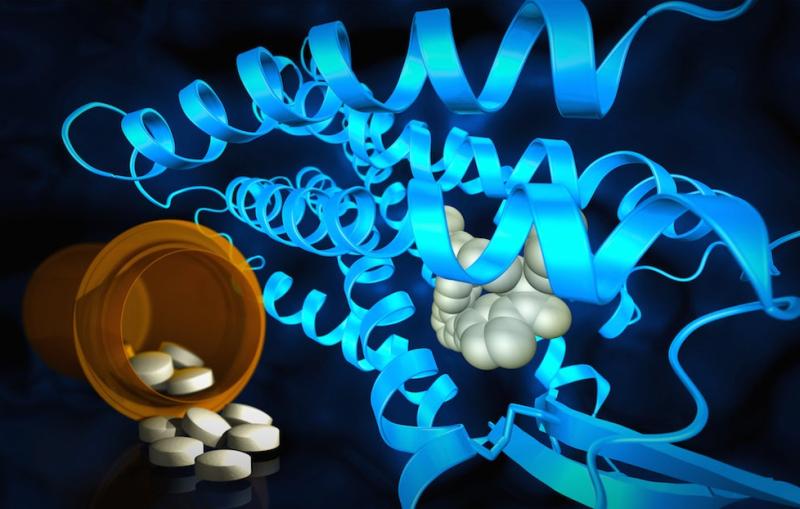
SLAC’s X-ray laser provides clues to engineering a new protein to kill mosquitos that carry dengue and Zika.

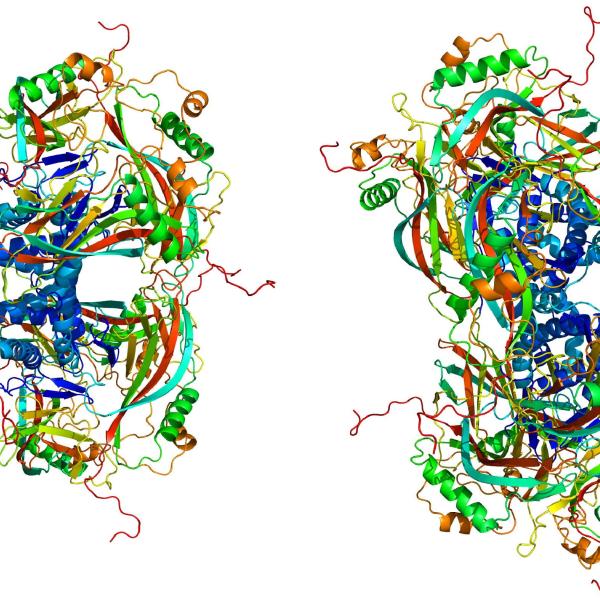
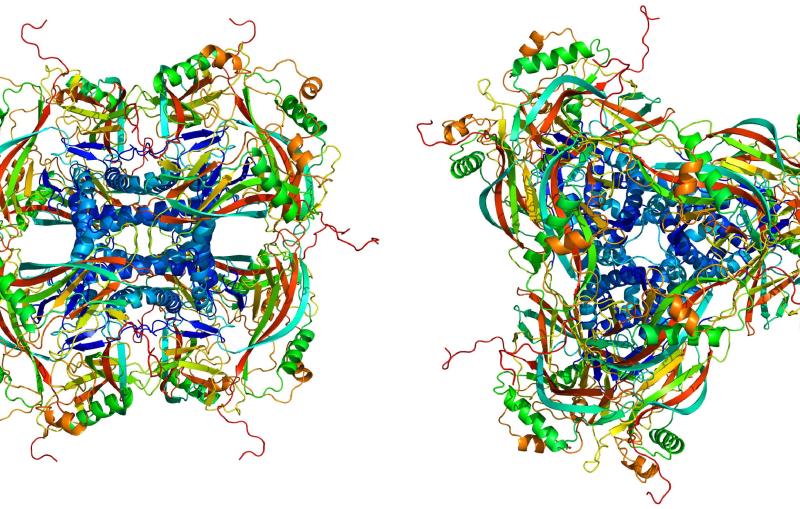
Scientists shed light on the three-dimensional structure of BinAB and its mode of action.
Feature

Understanding how a material’s electrons interact with vibrations of its nuclear lattice could help design and control novel materials, from solar cells to high-temperature...

News Release

Just as Schroedinger's Cat is both alive and dead, an atom or molecule can be in two different states at once. Now scientists have...

Illustration of a molecule splitting into two Schroedinger's Cat states
Feature

A ‘nonlinear’ phenomenon that seemingly turns materials transparent is seen for the first time in X-rays at SLAC’s Linac Coherent Light Source.

Illustration of an LCLS experiment in which a sample seemed to disapper
Feature

The mirrors only differ by one atom in flatness, from end to end.

Feature

The new MFX station expands the X-ray laser’s capability and flexibility for biological studies, which are increasingly in demand at SLAC's Linac Coherent Light...