SLAC topics

Linac Coherent Light Source (LCLS) RSS feed

The Linac Coherent Light Source at SLAC, the world’s first hard X-ray free-electron laser, takes X-ray snapshots of atoms and molecules at work, revealing fundamental processes in materials, technology and living things.

Visit LCLS website

Browse tagged content

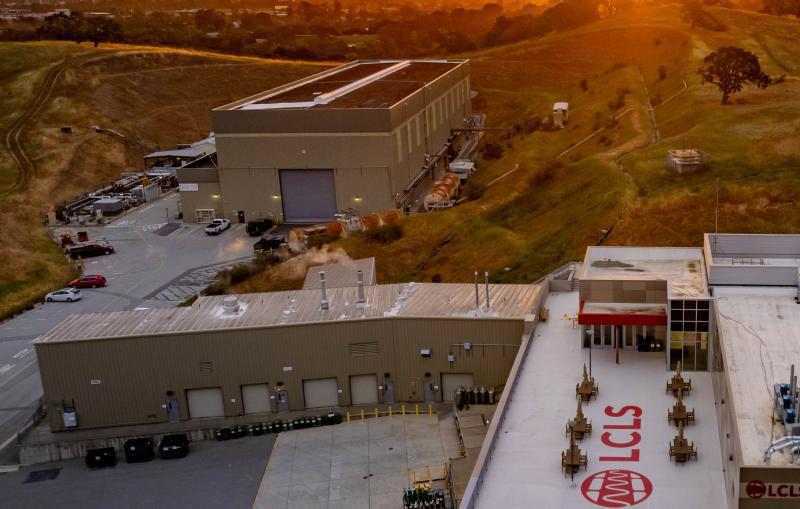
Rooftop view of Linac Coherent Light Source (LCLS)
Feature

This new technology could enable future insights into chemical and biological processes that occur in solution, such as vision, catalysis and photosynthesis.

UED liquid
Feature

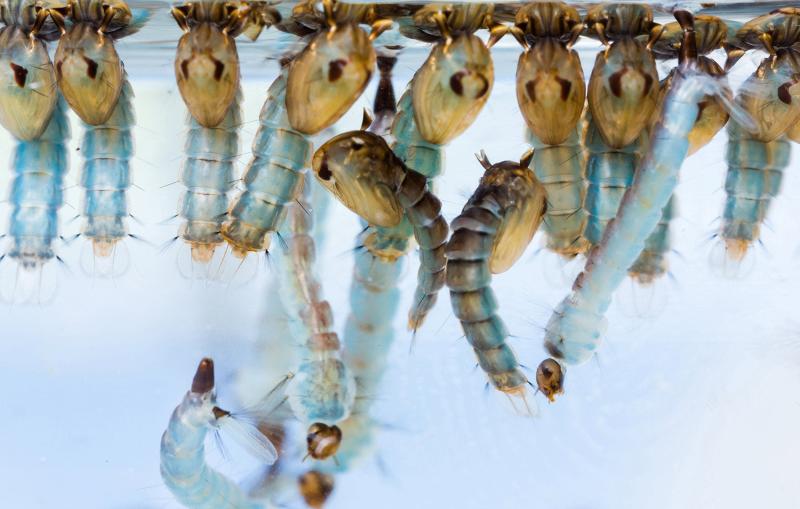
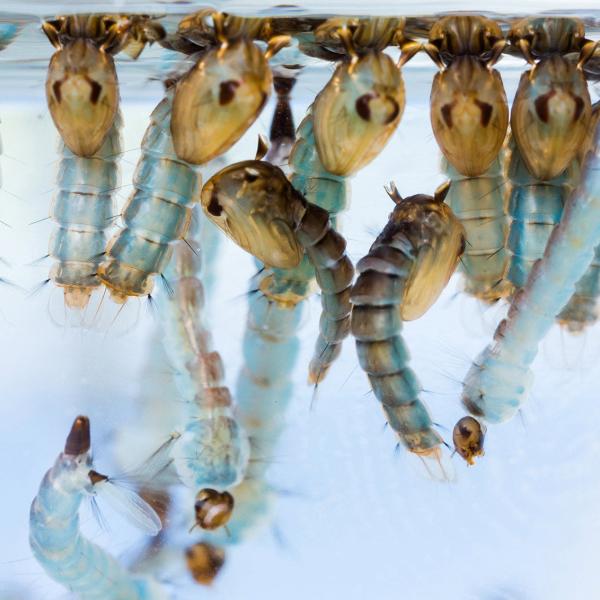
An LCLS imaging technique reveals how a mosquito-borne bacterium deploys a toxin to kill mosquito larvae. Scientists hope to harness it to fight disease.

A photograph of mosquito larvae.
Feature

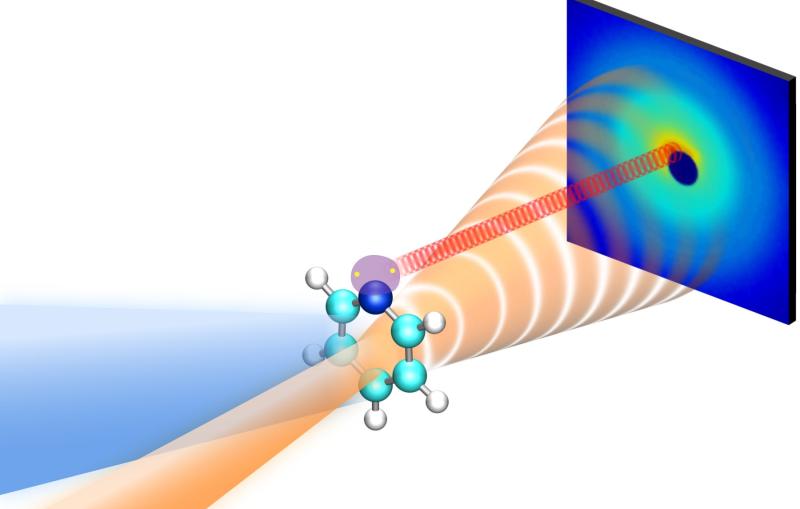
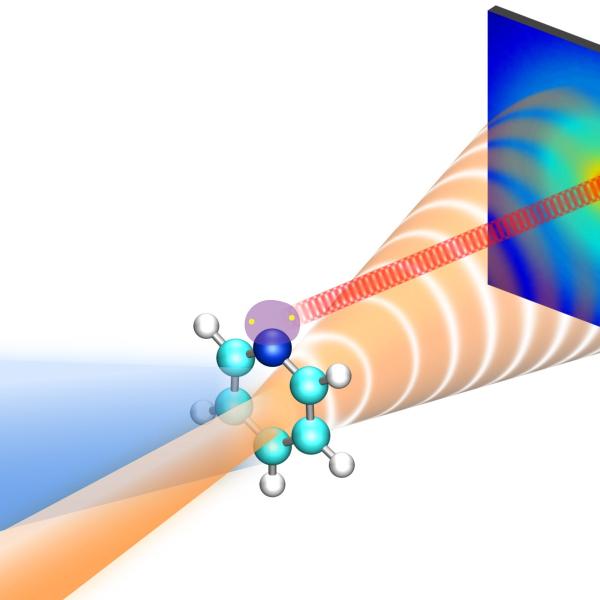
Hitting molecules with two photons of light at once set off unexpected processes that were captured in detail with SLAC’s X-ray laser. Scientists say...

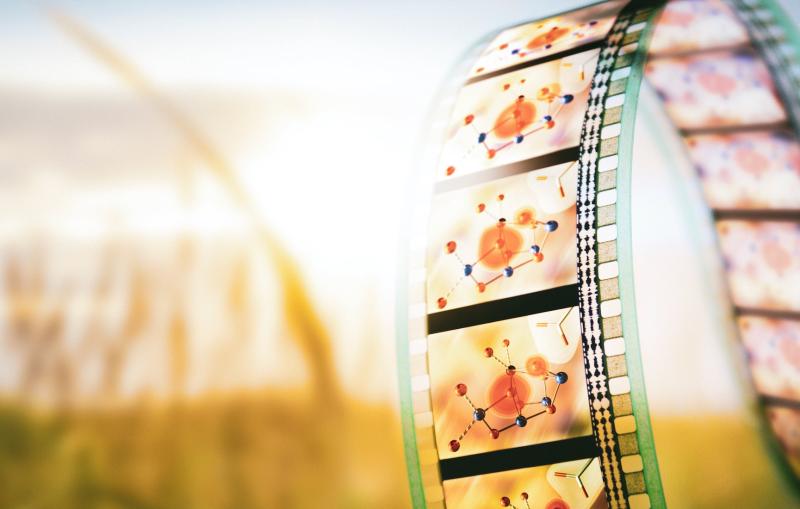
Closeup image of molecular movie frames
Feature

Researchers have squeezed a high-energy electron beam into tight bundles using terahertz radiation, a promising advance in watching the ultrafast world of atoms unfold.

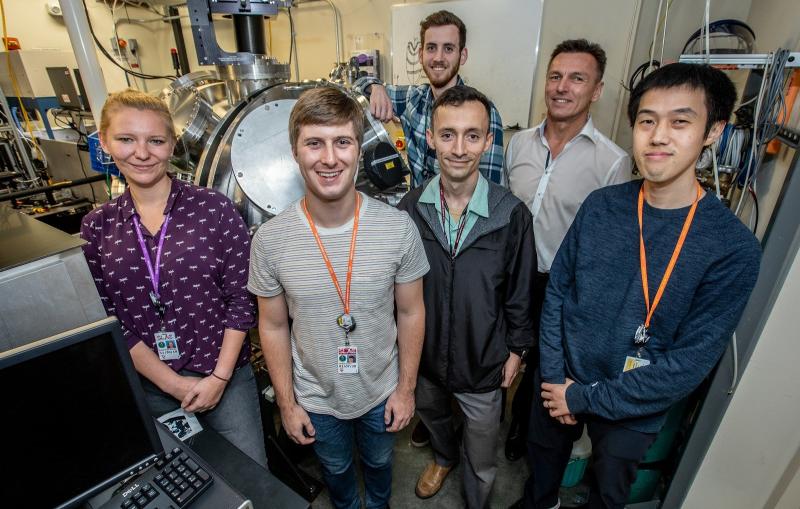
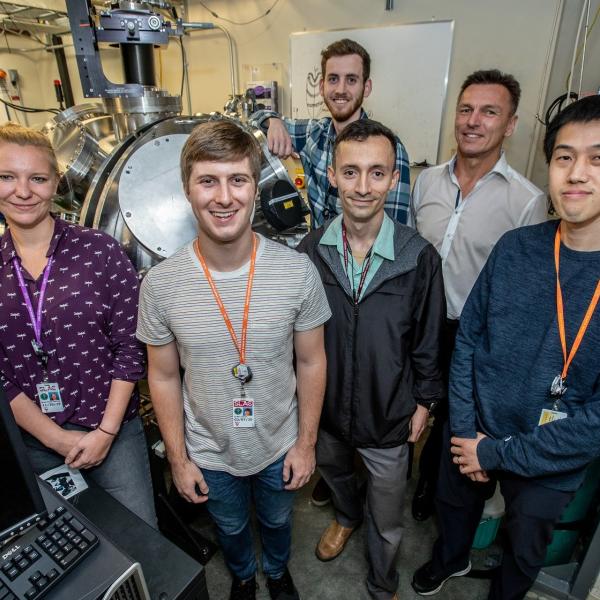
SLAC’s Emma Snively and Mohamed Othman at the lab’s high-speed “electron camera."
News Brief

These inexpensive photosensitizers could make solar power and chemical manufacturing more efficient. Experiments at SLAC offer insight into how they work.

Illustration of carbene reaction pathways
Feature

Siqi Li develops connections with people and concepts while working on new technologies for accelerators.

Siqi Li headshot
Feature

What they learned could lead to a better understanding of how ionizing radiation can damage material systems, including cells.

Radiolysis
News Brief

What they learned could lead to a better understanding of how antibiotics are broken down in the body, potentially leading to the development of...

News Brief

A new study uncovers how a critical protein binds to drugs used to treat asthma and other inflammatory diseases.

Anti-asthmatic drugs
News Release

Called XLEAP, the new method will provide sharp views of electrons in chemical processes that take place in billionths of a billionth of a...

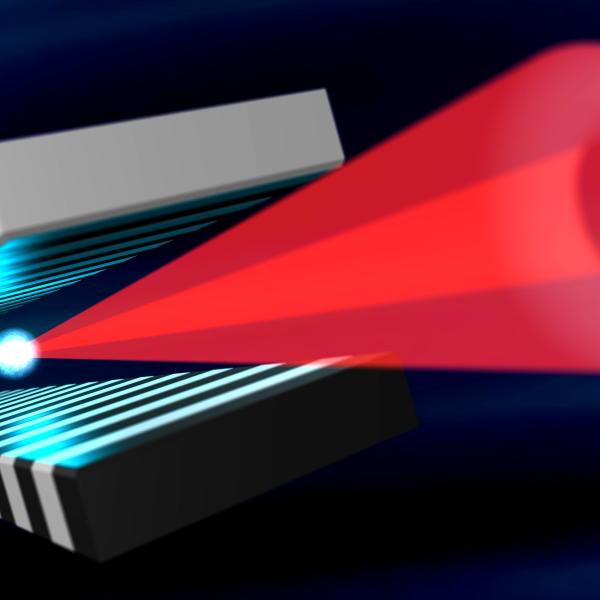
XLEAP illustration.
Feature

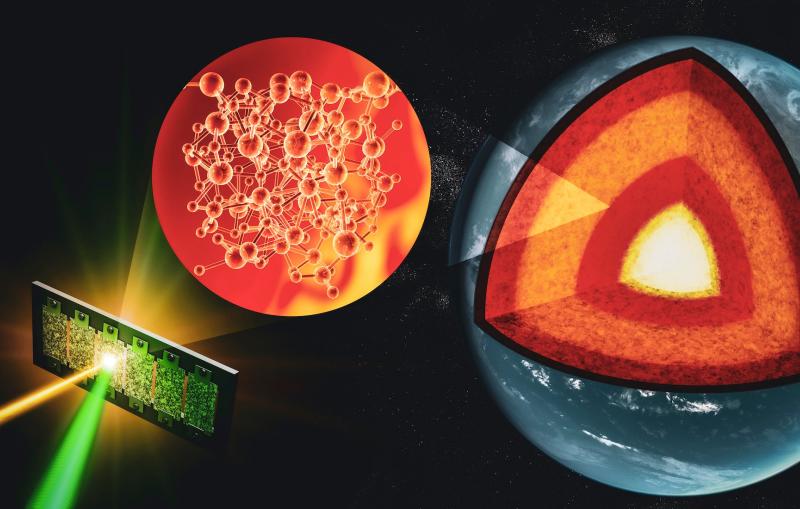
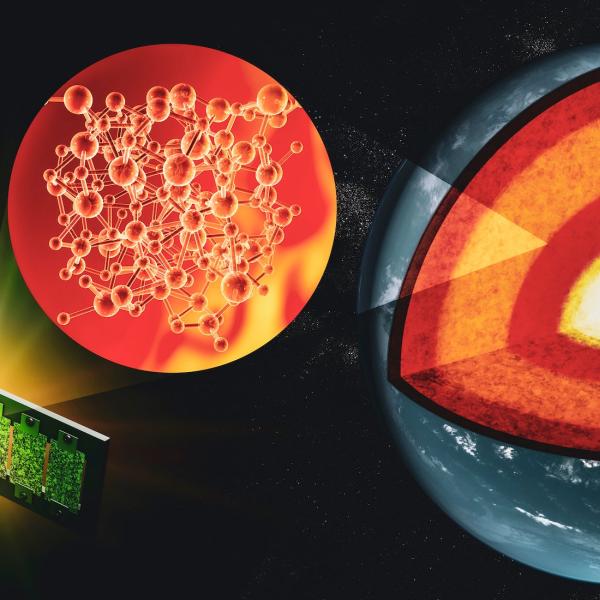
Chemist Ben Ofori-Okai investigates what happens to matter under extreme conditions at microscopic scales to better understand its behavior at massive scales, such as...

Ben Ofori-Okai
Feature

Molecular movie-making is both an art and a science; the results let us watch how nature works on the smallest scales.

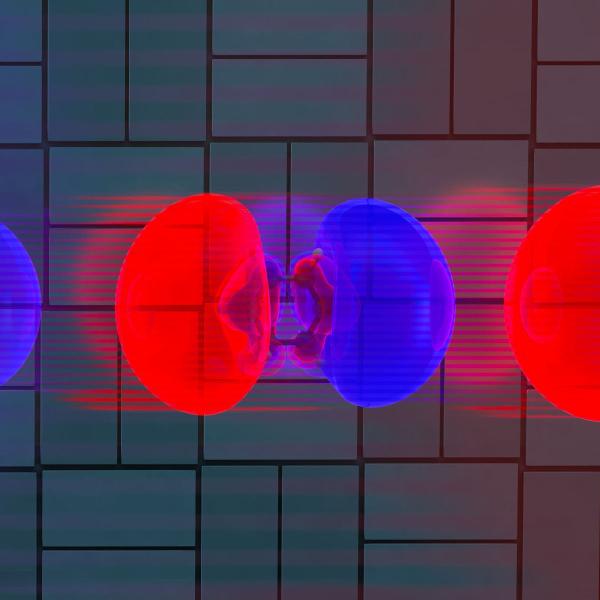
Molecular movie frames for the light-triggered transition of the ring-shaped 1,3-CHD molecule.