SLAC topics

LCLS X-ray Pump Probe (XPP) RSS feed

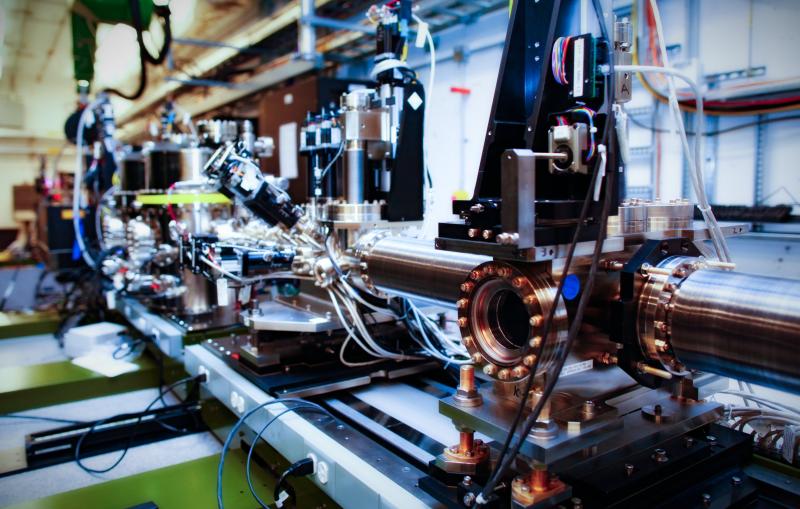
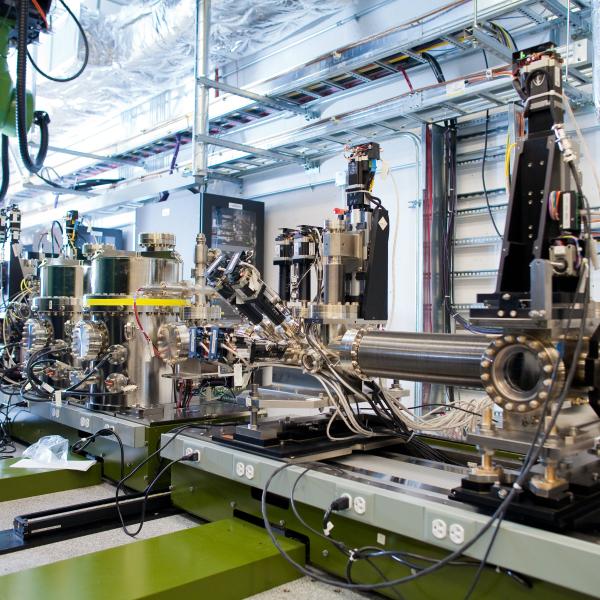
The X-ray pump-probe (XPP) instrument predominantly uses ultrashort optical laser pulses to generate transient states of matter which are subsequently probed by hard X-ray pulses from the LCLS. The X-ray pulses help to reveal structural dynamics initiated by the laser excitation at the timescale of atomic motions in solid, liquid and gaseous specimens.
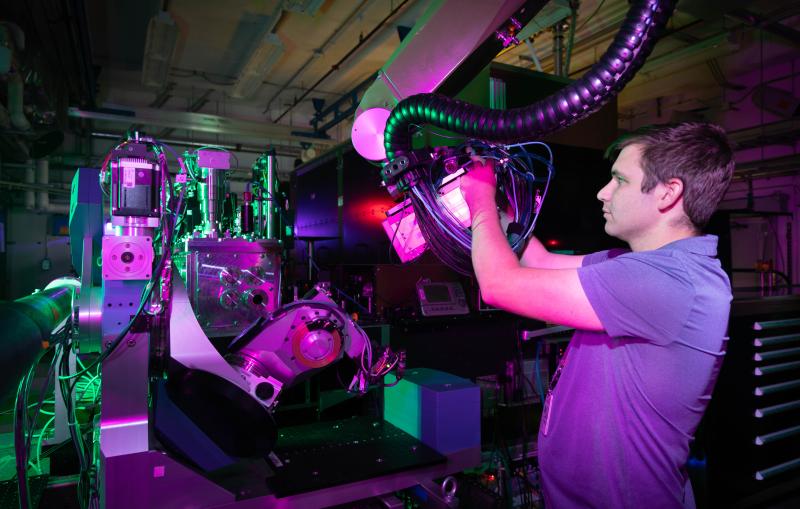
LCLS XPP Hutch
Feature

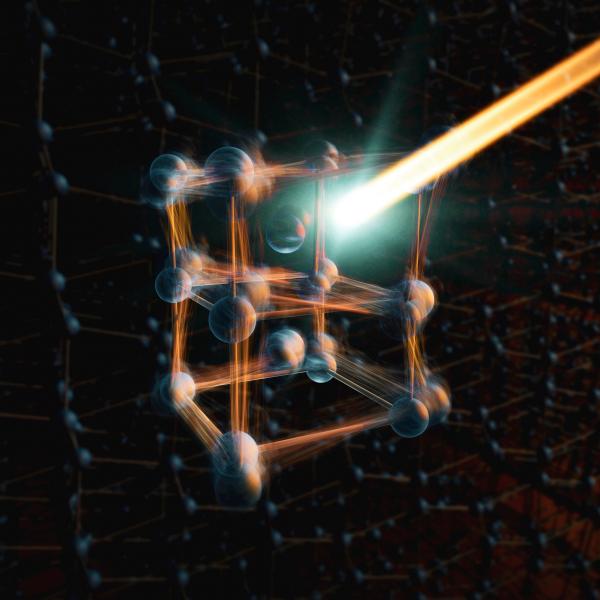
X-ray laser snapshots give scientists a new tool for probing trillionths-of-a-second atomic motions in 2-D materials

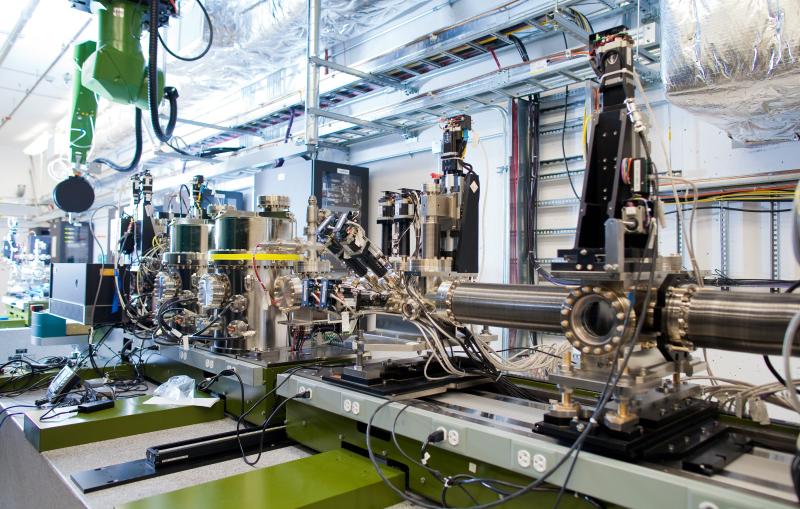
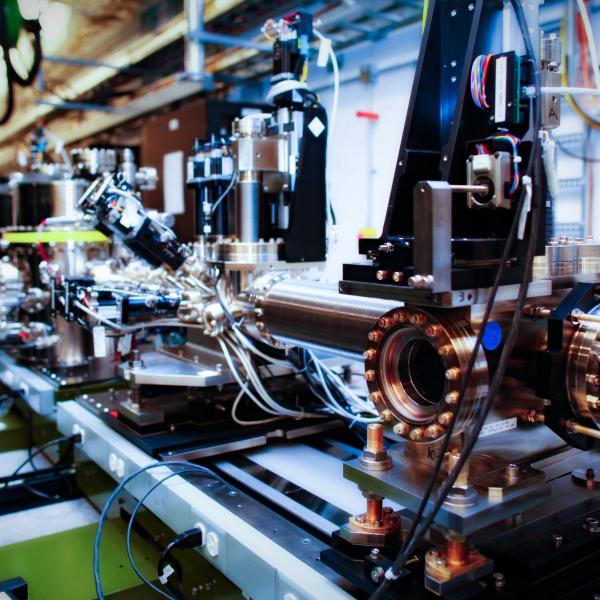
Experimental station at SLAC's LCLS X-ray laser where the study was done
Feature

A better understanding of these systems will aid in developing next-generation energy technologies.

synchronized molecules
Feature

Using an X-ray laser, researchers watched atoms rotate on the surface of a material that was demagnetized in millionths of a billionth of a...

Iron sample blasted with laser pulses to demagnetize it, then X-rayed.
Feature

Revealed for the first time by a new X-ray laser technique, their surprisingly unruly response has profound implications for designing and controlling materials.

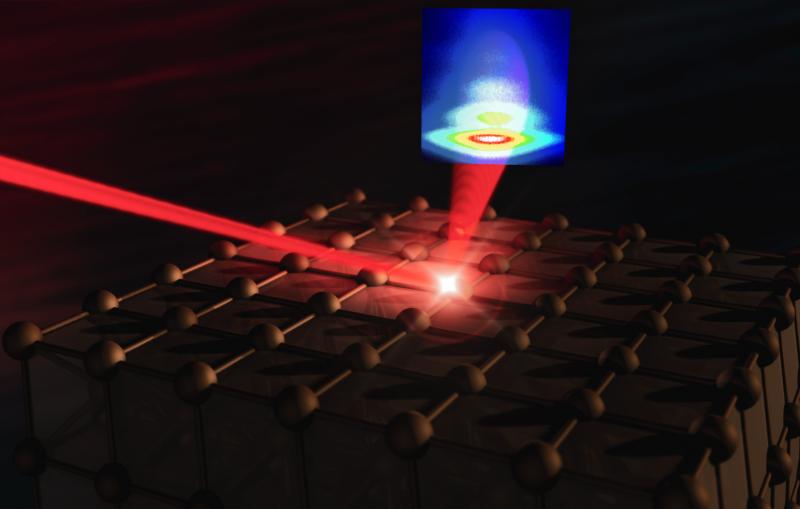
Illustration of laser light setting off vibrations in material
Feature

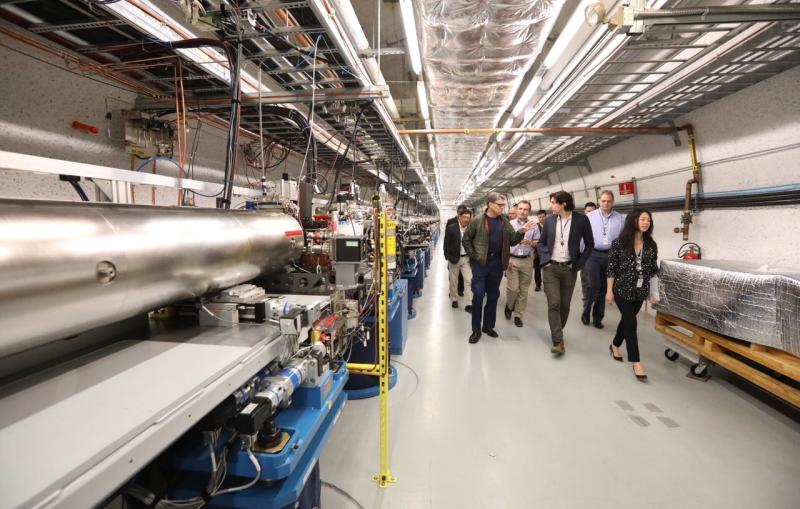
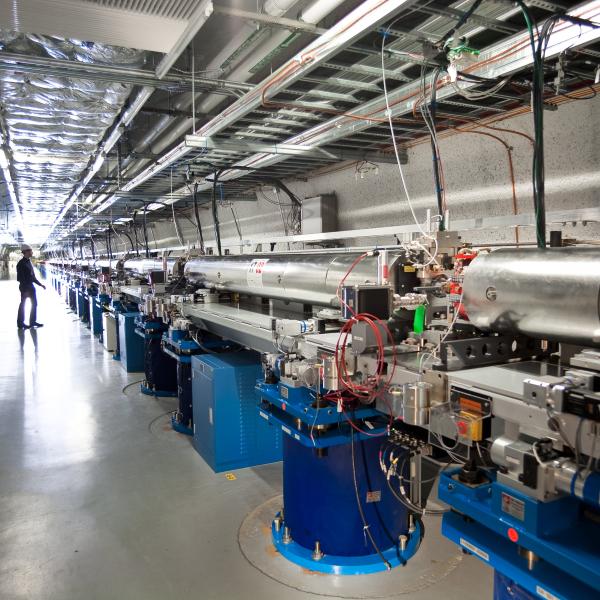
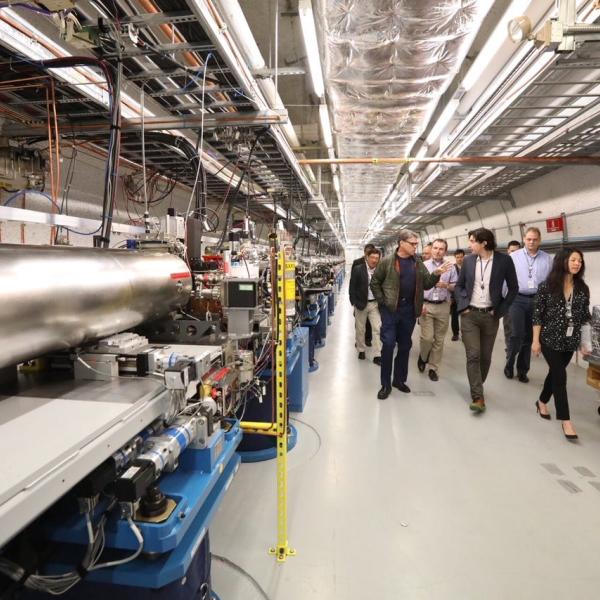
The DOE’s top official met with SLAC staff and toured the Linac Coherent Light Source X-ray laser, where a superconducting upgrade is underway.

Secretary of Energy Rick Perry at SLAC's LCLS undulator hall
Feature

The research team was able to watch energy from light flow through atomic ripples in a molecule. Such insights may provide new ways to...

View of the The X-ray Pump Probe instrument at SLAC’s Linac Coherent Light Source.
News Release

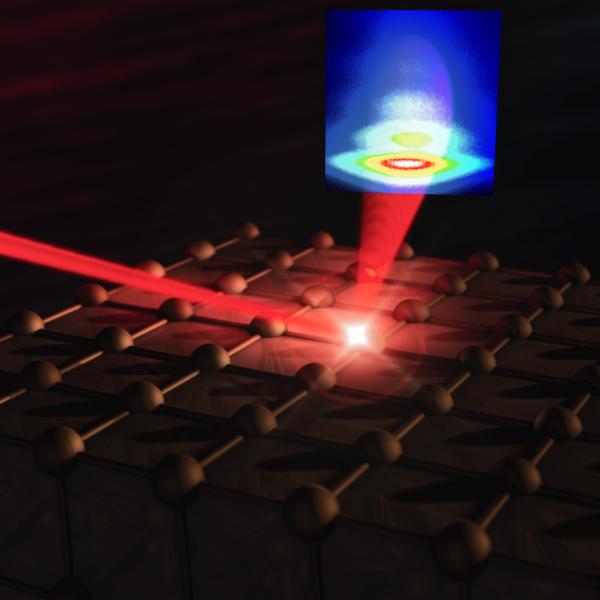
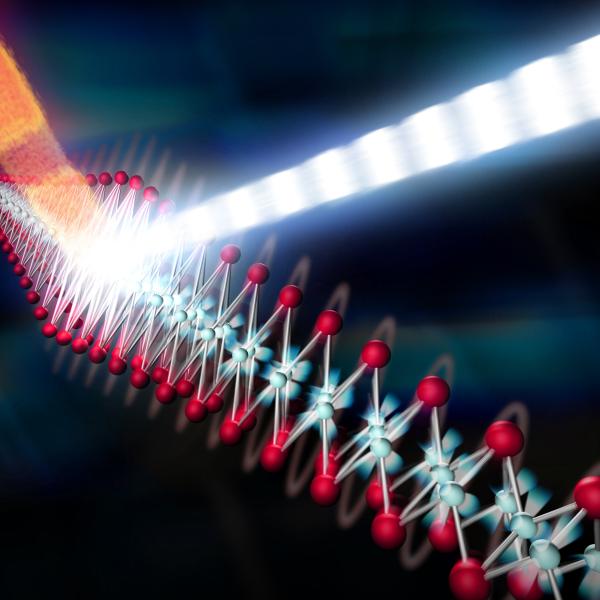
Extraordinarily precise measurements -- within millionths of a billionth of a second and a billionth of a hair's breadth -- show this ‘electron-phonon coupling’...

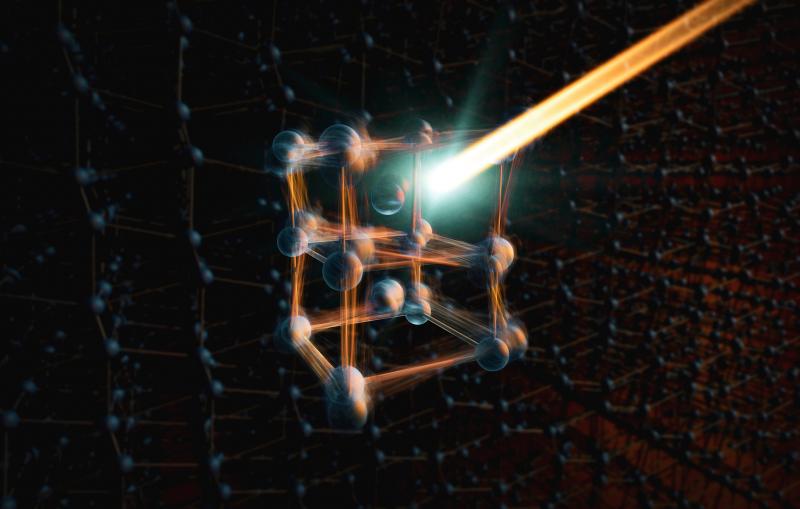
Illustration of a laser beam triggering atomic vibrations in iron selenide
Feature

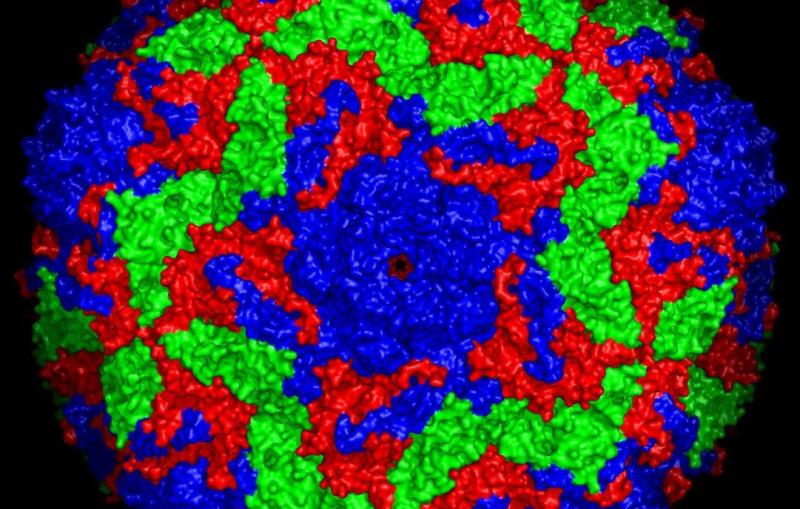
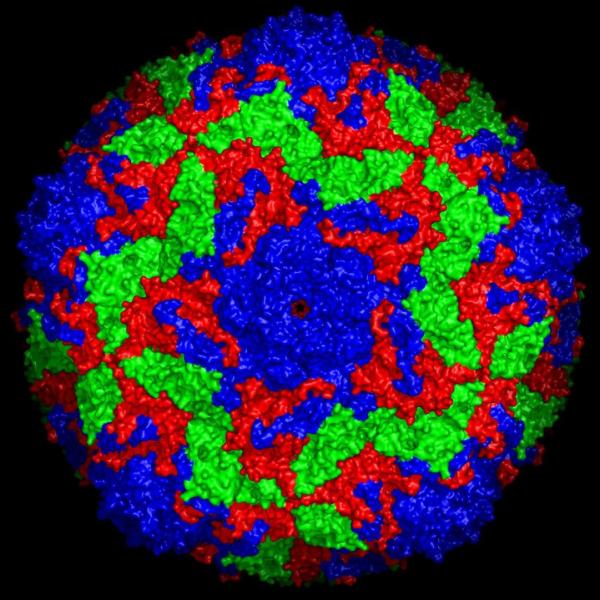
The method dramatically reduces the amount of virus material required and allows scientists to get results several times faster.

Surface structure of the bovine enterovirus 2
News Release

Just as Schroedinger's Cat is both alive and dead, an atom or molecule can be in two different states at once. Now scientists have...

Illustration of a molecule splitting into two Schroedinger's Cat states
News Release

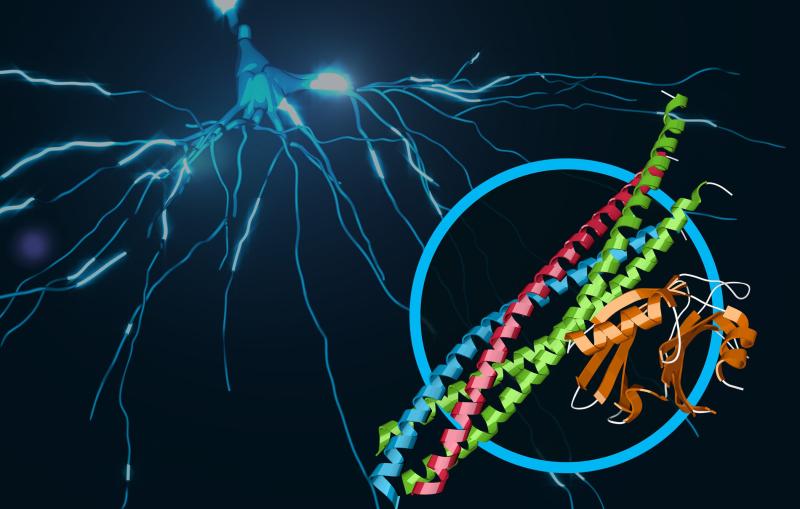
Scientists have revealed never-before-seen details of how our brain sends rapid-fire messages between its cells using SLAC's X-ray laser.

Image - This illustration shows a protein complex at work in brain signaling. Its structure, which contains joined protein complexes known as SNARE and synaptotagmin-1, is shown in the foreground. (SLAC National Accelerator Laboratory)

News Release

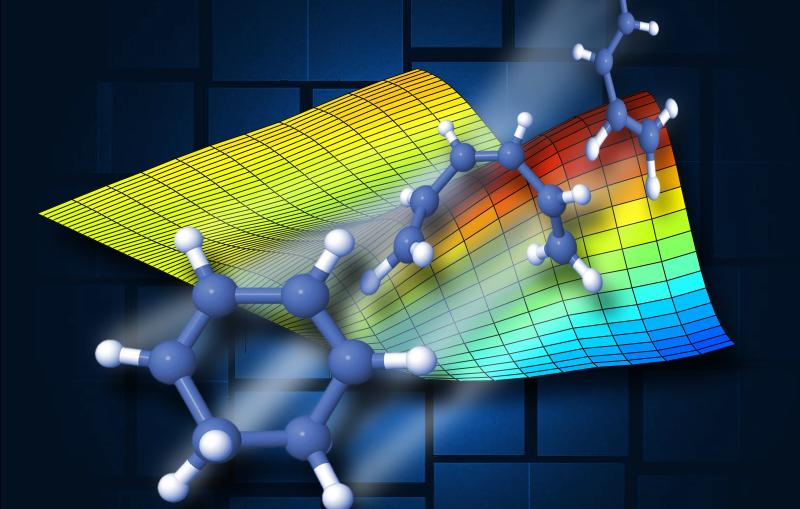
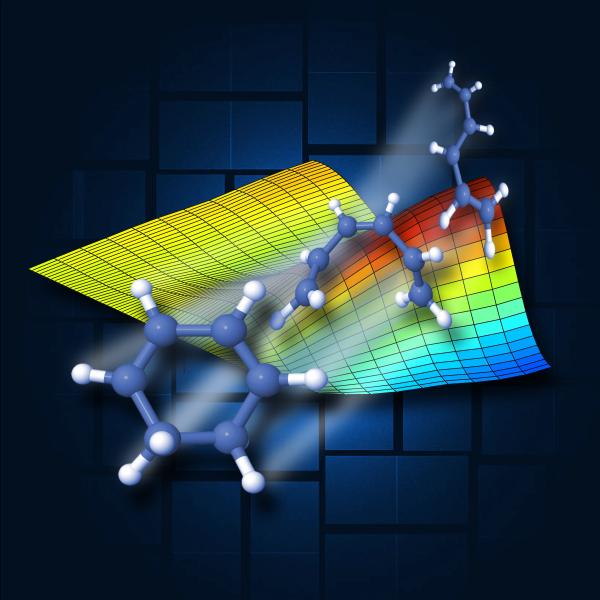
Scientists for the first time tracked ultrafast structural changes, captured in quadrillionths-of-a-second steps, as ring-shaped gas molecules burst open and unraveled.

Image - This illustration shows shape changes that occur in quadrillionths-of-a-second intervals in a ring-shaped molecule that was broken open by light. (SLAC)
Feature

An experiment at SLAC’s X-ray laser provides new insight into the ultrafast motions of a muscle protein in a basic biochemical reaction.

Computerized rendering of 3-D structure of myoglobin. The jagged green line represents a pulse of la