SLAC topics

LCLS Time-resolved Atomic, Molecular and Optical Science (TMO)

The Time-resolved atomic, Molecular and Optical Science (TMO) instrument, one of the three new LCLS-II instruments with a energy range from 0.25 to 2 keV, will support AMO science, strong-field and nonlinear science, and a new dynamic reaction microscope.

News Brief
Via Max Planck Institute for Nuclear Physics

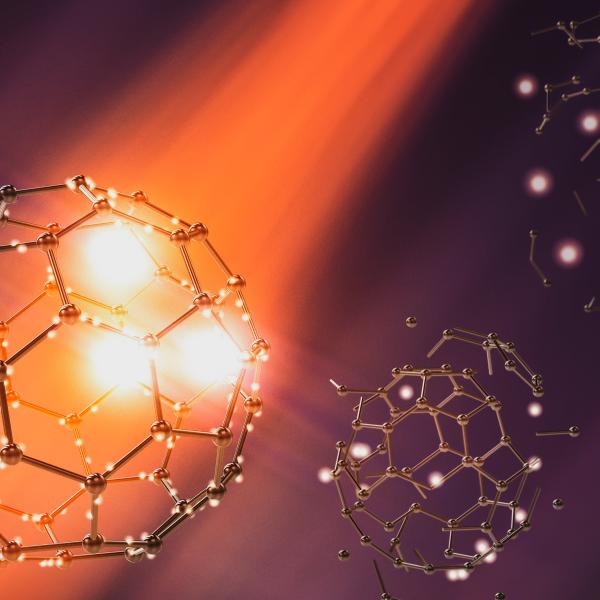
Observing quantum footballs blown up by laser kicks
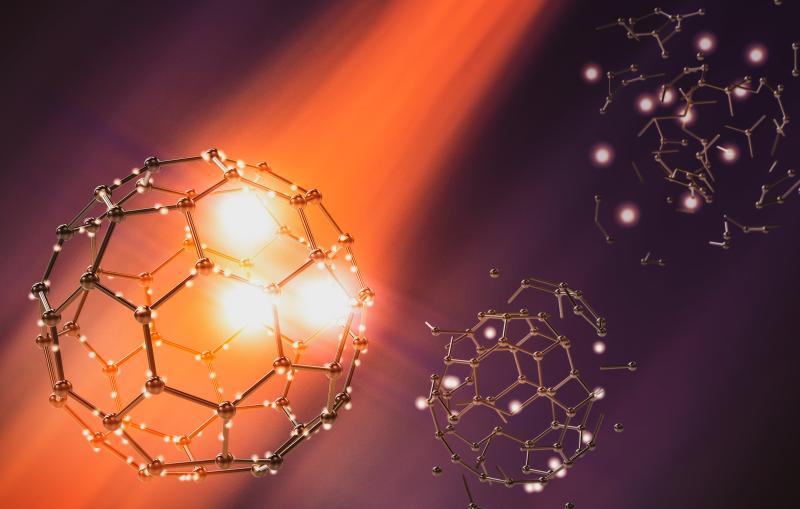
Laser-driven break up of "buckyballs" is recorded in real-time by X-ray imaging at LCLS. 

Buckyballs
Multimedia

After a major upgrade, SLAC's X-ray free-electron laser is 10,000 times brighter and thousands of times faster. Now, researchers are using LCLS to observe...

Detail of the TMO hutch at SLAC's X-ray laser
Past Event
Electrons are tiny, charged particles with huge jobs: They hold all matter together, they drive the chemical reactions that power life, and they transport...
A headshot of Taran Driver next to the SLAC on Tap logo with the words "Home brewed science" surrounding the logo
Feature

With a suite of reimagined instruments, researchers take up scientific inquiries that were out of reach just one year ago. 

Large metallic machine in a lab, featuring valves, circular bolts, and digital displays with surrounding wires and tubing.
News Release

The high-energy upgrade will keep the U.S. at the forefront of X-ray science and technology, allowing researchers to advance fields such as sustainability, human...

LCLS-II-HE
Feature

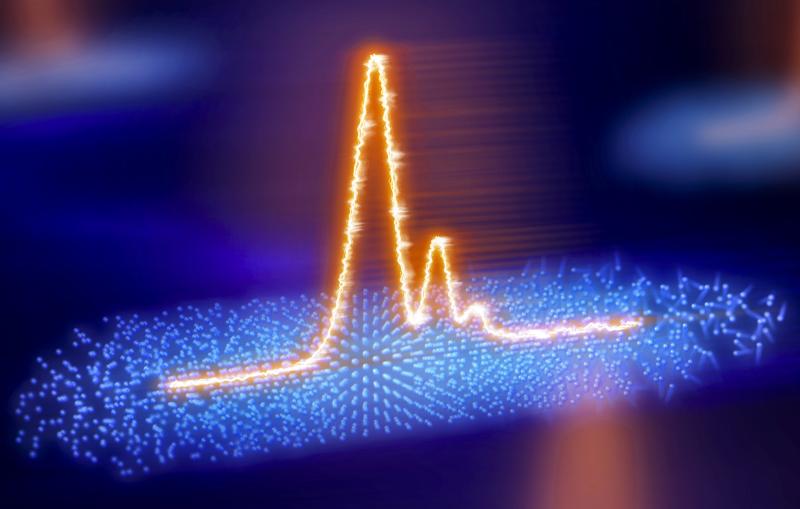
Researchers developed new methods that produce intense attosecond pulses and pulse pairs to gain insights into the fastest motions inside atoms and molecules. It...

attosecond pulses
Feature

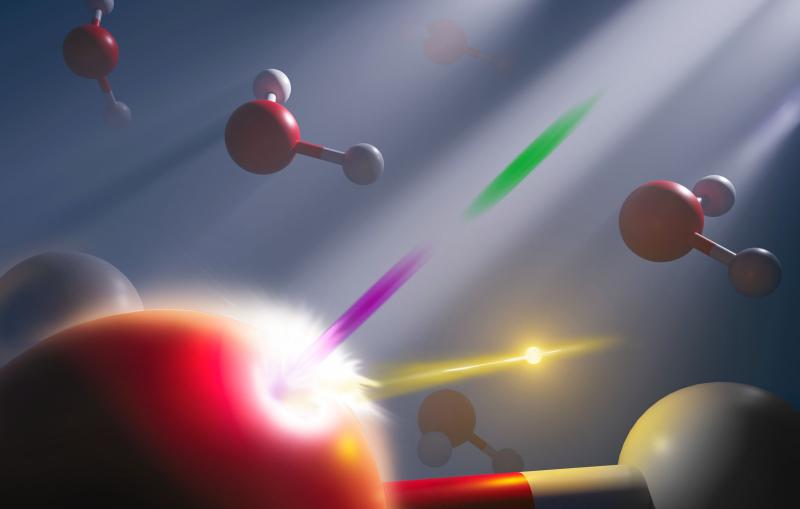
Scientists report the first look at electrons moving in real-time in liquid water; findings open up a whole new field of experimental physics

IDREAM
Feature

Teams at SLAC installed new experimental hutches with cutting-edge instruments that will harness the upgraded facility’s new capabilities and expand the breadth of research...

SLAC's linac at sunrise, looking east.
News Release

With up to a million X-ray flashes per second, 8,000 times more than its predecessor, it transforms the ability of scientists to explore atomic-scale...

LCLS-II first light