

SLAC topics

LCLS Matter in Extreme Conditions (MEC) RSS feed

The LCLS beam with its high peak brightness, short pulse duration, and tunable X-ray photon energy provides revolutionary capabilities to study the transient behavior of matter in extreme conditions. The particular strength of the Matter in Extreme Conditions (MEC) instrument is to combine the unique LCLS beam with high power optical laser beams, and a suite of dedicated diagnostics tailored for this field of science.

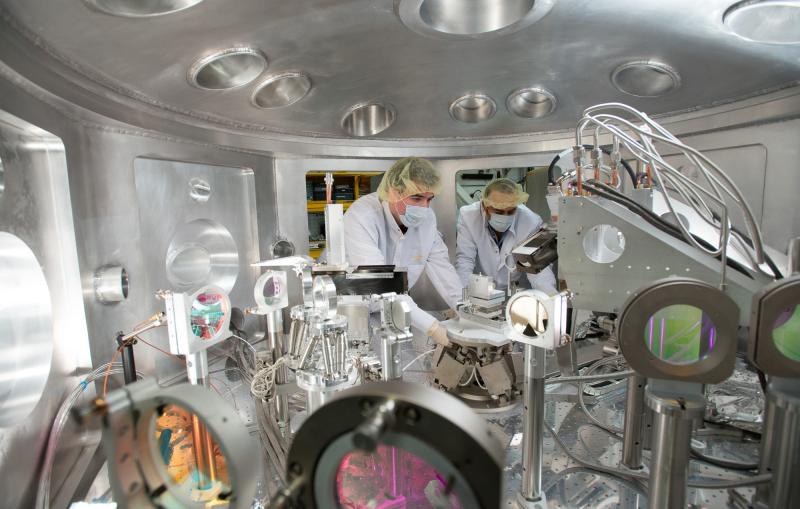
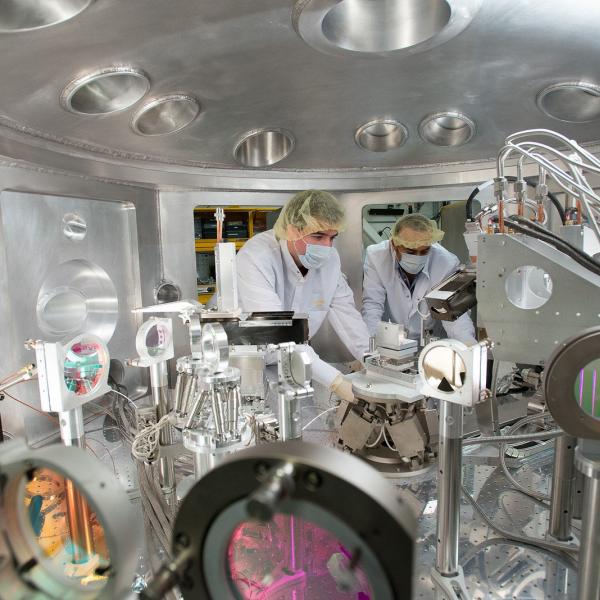
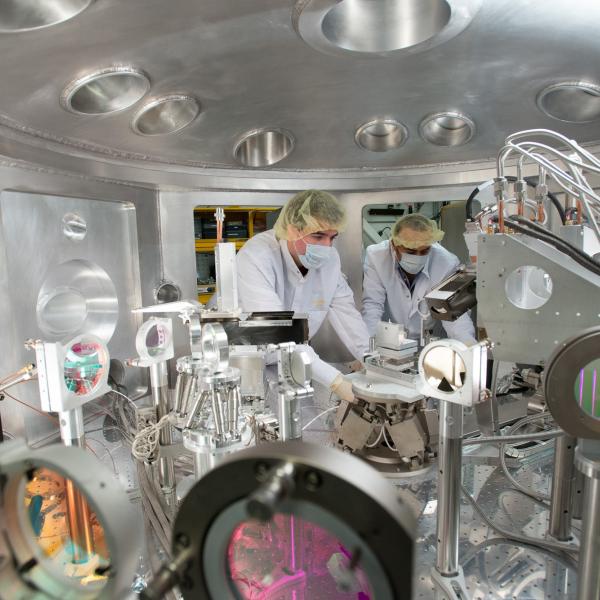
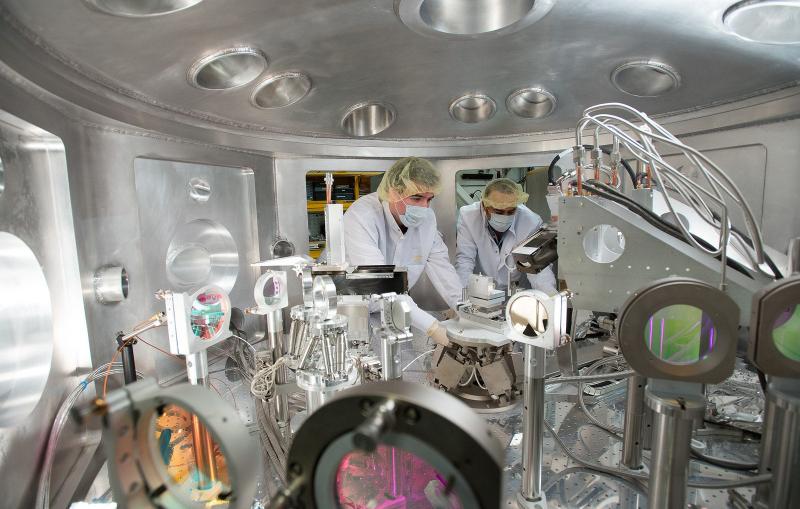
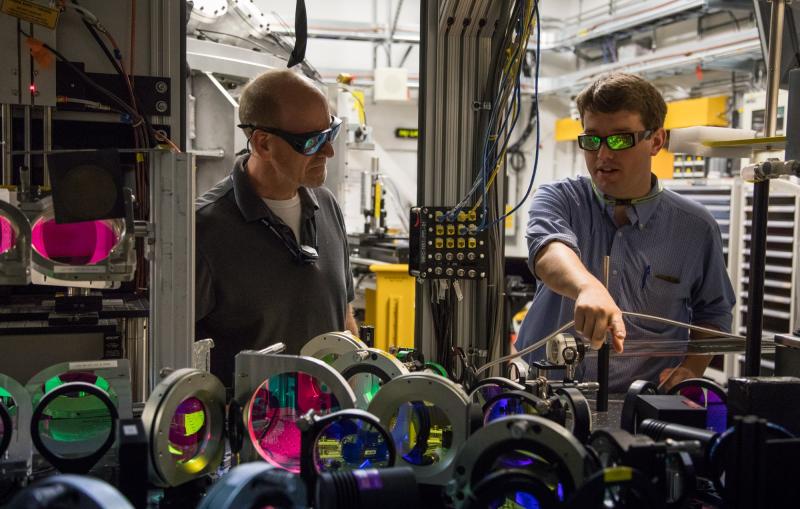
Scientists prepare for an experiment in the Matter in Extreme Conditions (MEC) chamber.
Feature

Their work will deepen our understanding of matter in extreme conditions and fundamental particle physics.

Panofsky Fellows 2018
Feature

Research with SLAC’s X-ray laser simulates what happens when a meteor hits Earth’s crust. The results suggest that scientists studying impact sites have been...

Feature

A new way to observe this deformation as it happens can help study a wide range of phenomena, from meteor impacts to high-performance ceramics...

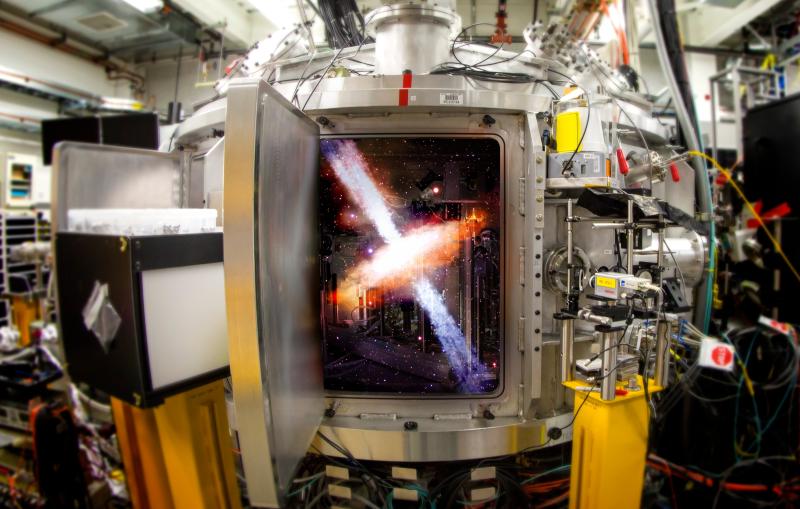
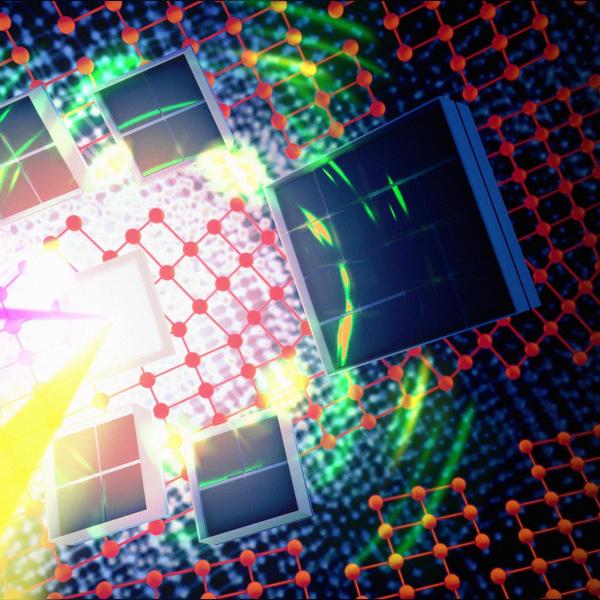
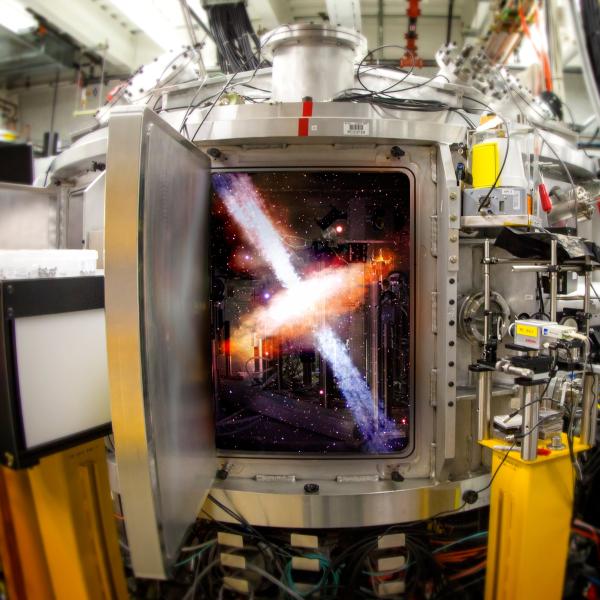
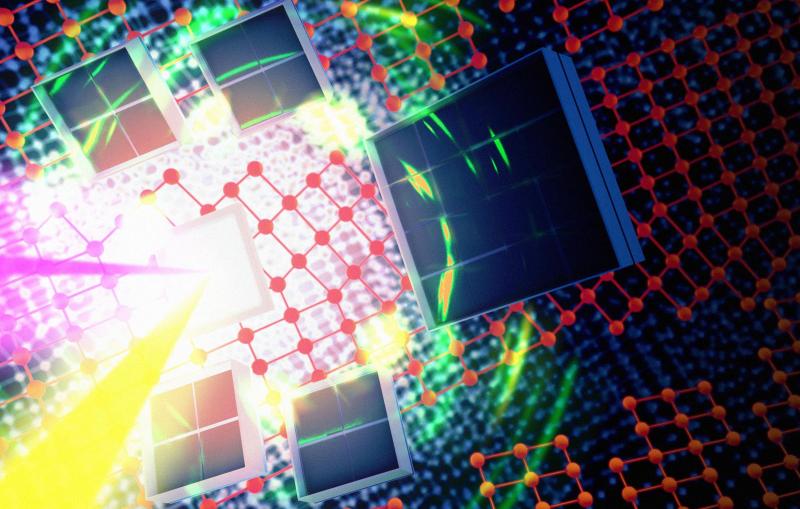
Image depicting an experiment at LCLS that shocks a tantalum sample
News Release

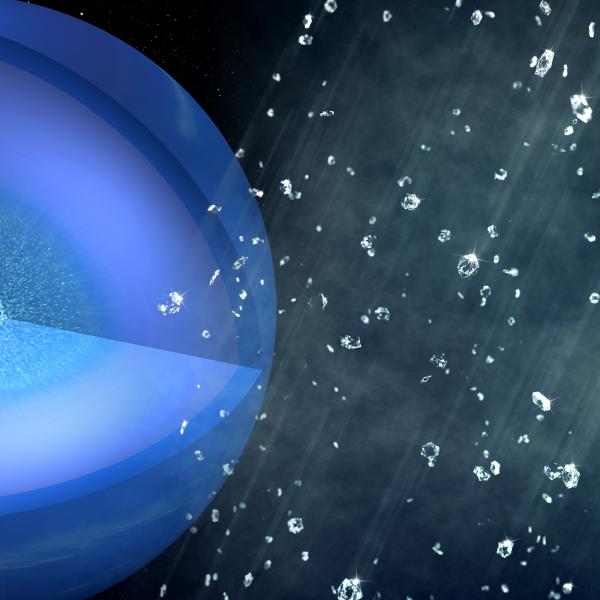
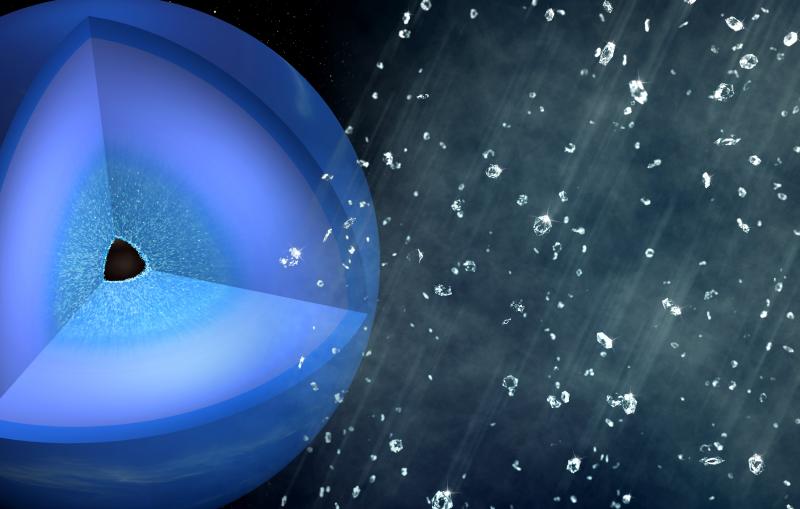
SLAC’s X-ray laser and Matter in Extreme Conditions instrument allow researchers to examine the exotic precipitation in real time as it materializes in the...

A cutaway depicts the interior of Neptune (right) and an illustration of diamond rain (left).
Feature

Tripling the energy and refining the shape of optical laser pulses at LCLS’s Matter in Extreme Conditions instrument allows researchers to recreate higher-pressure conditions...

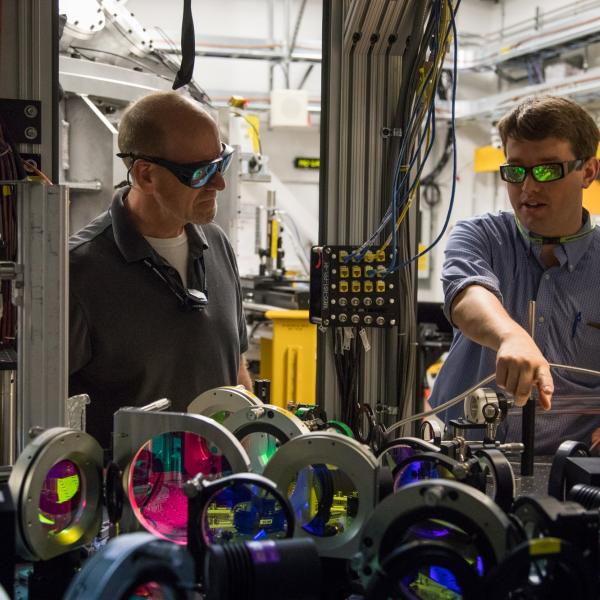
Laser engineers with the upgraded Matter in Extreme Conditions optical laser
Photograph
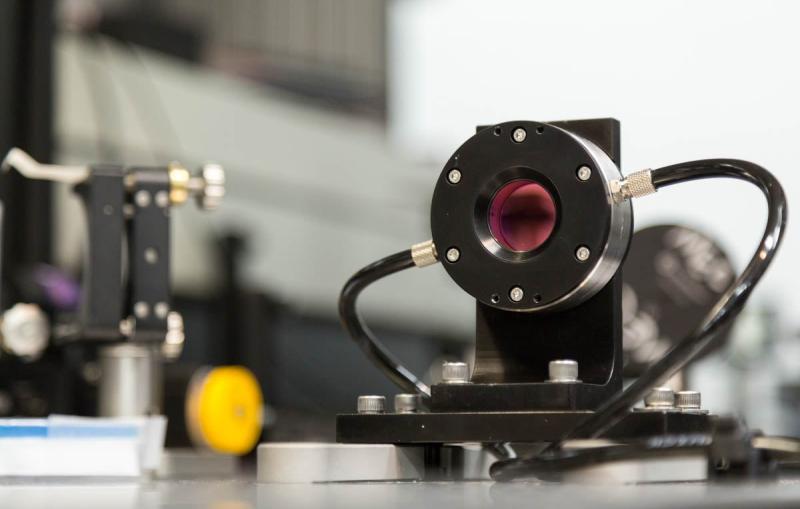
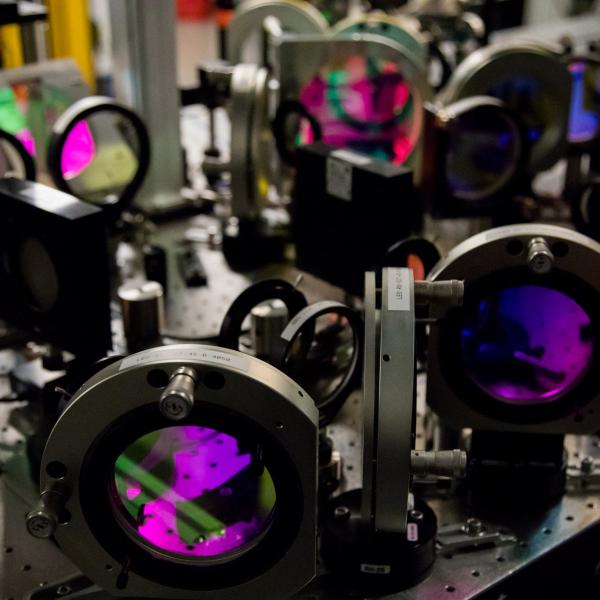
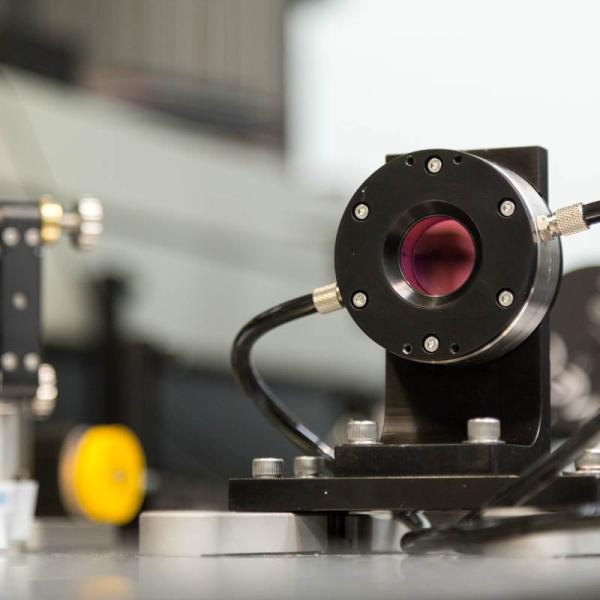
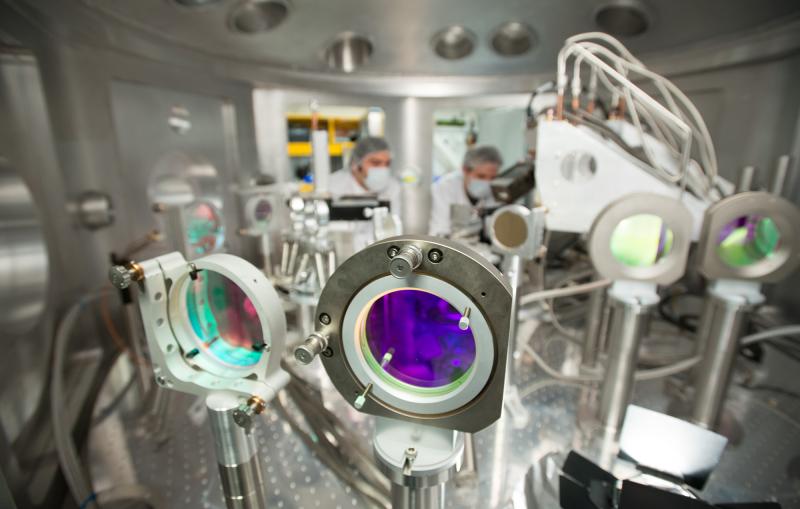
Highly reflective mirrors and telescope lenses in the Matter in Extreme Conditions (MEC) optical laser system are carefully positioned to...
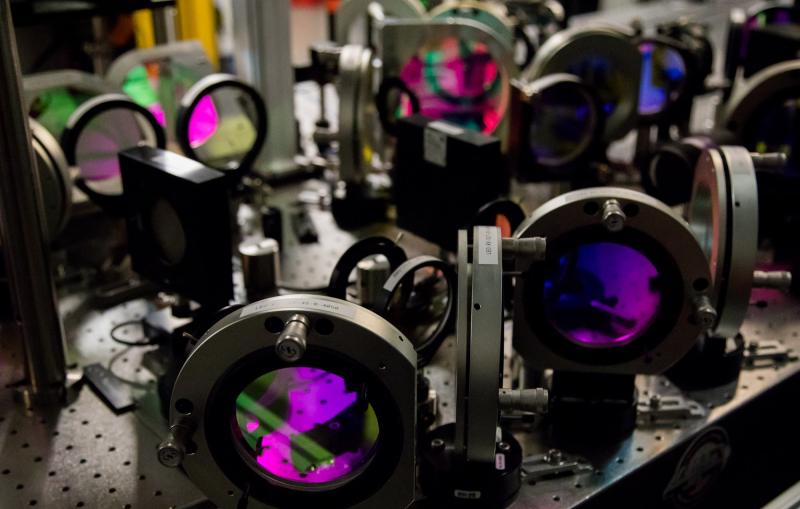
Highly reflective mirrors and telescope lenses in the Matter in Extreme Conditions optical laser system
Feature

A flash of green laser followed by pulses of X-rays, and mere nanoseconds later an extraterrestrial form of ice has formed.

Feature

Read about how SLAC professor Siegfried Glenzer creates extreme conditions like those in the cores of planets and studies nuclear fusion.

Feature

Computer simulations and lab experiments help researchers understand the violent universe and could potentially lead to new technologies that benefit humankind.

Researchers use X-rays to study some of the most extreme and exotic forms of matter ever created, in detail never before possible.
Feature

SLAC's Siegfried Glenzer has been selected to receive an Ernest Orlando Lawrence Award, presented by the U.S. Secretary of Energy to honor scientists across...

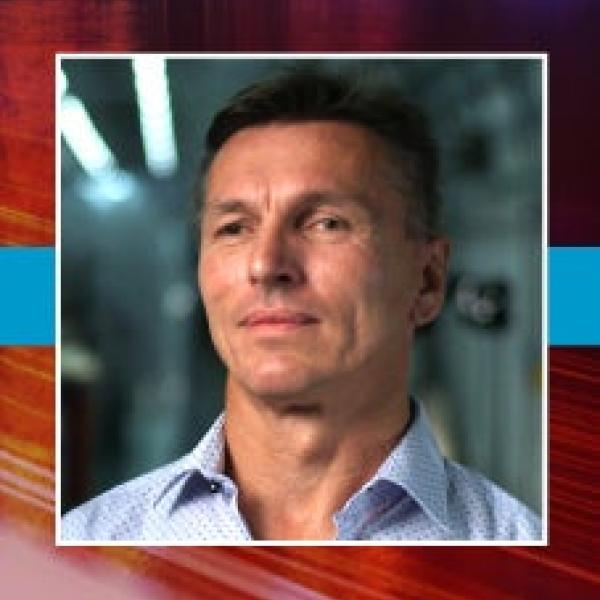
Photo - Siegfried Glenzer
Feature

Crews will install a powerful new instrument, start assembling a new "self-seeding" system that will focus soft X-ray laser pulses into a bright, narrow...

Photo - Component for a high-power laser upgrade at t...
Feature

A high-energy SLAC laser that creates shock waves and superhot plasmas needs to cool for about 10 minutes between shots. In the meantime, the...

Photo - This equipment is used to quickly move a mirror in or out of the path of X-rays at LCLS to switch them to different experiments. (Matt Beardsley)