



SLAC topics

LCLS Matter in Extreme Conditions (MEC) RSS feed

The LCLS beam with its high peak brightness, short pulse duration, and tunable X-ray photon energy provides revolutionary capabilities to study the transient behavior of matter in extreme conditions. The particular strength of the Matter in Extreme Conditions (MEC) instrument is to combine the unique LCLS beam with high power optical laser beams, and a suite of dedicated diagnostics tailored for this field of science.
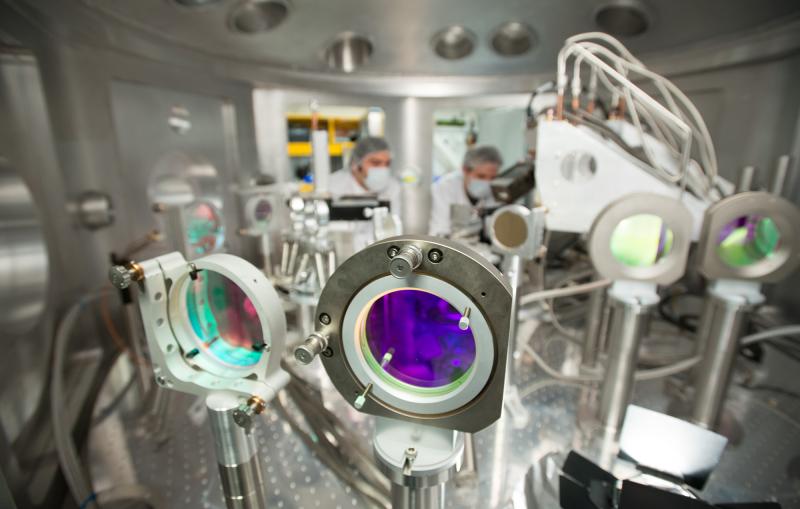

Scientists prepare for an experiment in the Matter in Extreme Conditions (MEC) chamber.
Feature

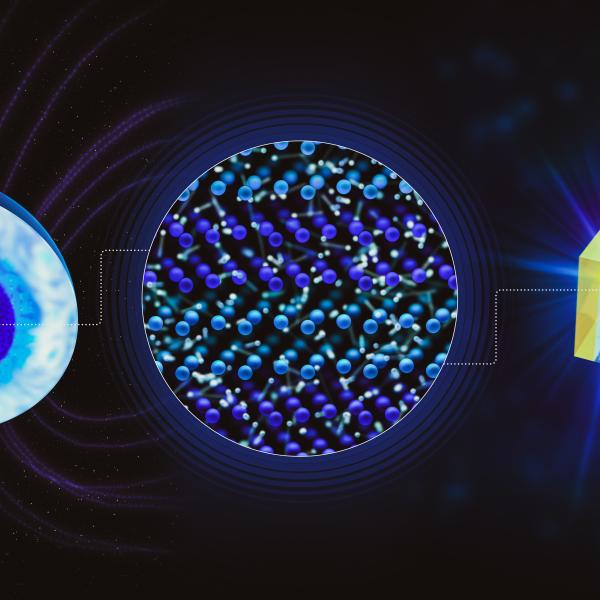
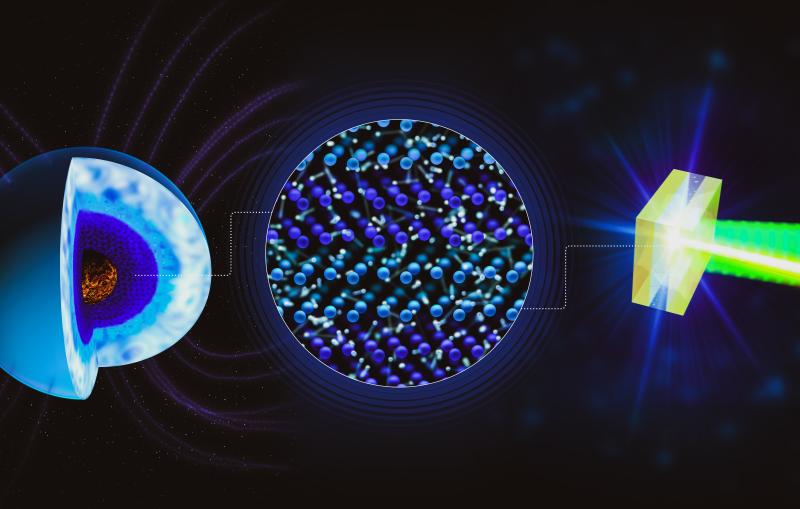
Researchers find evidence of coexisting atomic stacking patterns in superionic water. 

Dark background with three connected elements: a blue and purple sphere on left, blue molecular spheres in center circle, and green prism on right.
Feature

Researchers at SLAC are developing experimental techniques to evaluate new candidates for inertial fusion energy targets. 

a graphic in the style of graphic novel depicts four lasers converging on a spherical target, which represents an inertial fusion energy reaction
Feature

Researchers taking the first-ever direct measurement of atom temperature in extremely hot materials inadvertently disproved a decades-old theory and upended our understanding of superheating. 

Graphic representation shows a pulse of yellow light hitting a lattice and diffracting into a spectrum of color
Feature

In this Q&A, Arianna Gleason discusses the technologies needed to make commercialized fusion energy a reality and how SLAC is advancing this energy frontier. 

Headshot of Arianna Gleason with graphic representation of a laser shot
news collection

Harnessing nuclear fusion would bring the clean, unlimited energy of the stars to Earth.

fusion energy illustration
News Brief

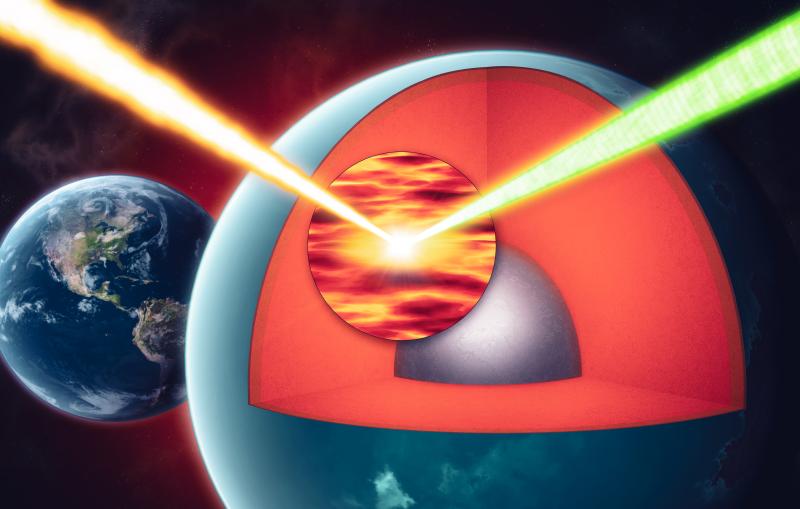
This research advances our understanding of Earth's deep interior and exoplanets, opening new research avenues in Earth and planetary sciences.

mec_super_earth
News Release

The high-energy upgrade will keep the U.S. at the forefront of X-ray science and technology, allowing researchers to advance fields such as sustainability, human...

LCLS-II-HE
News Brief

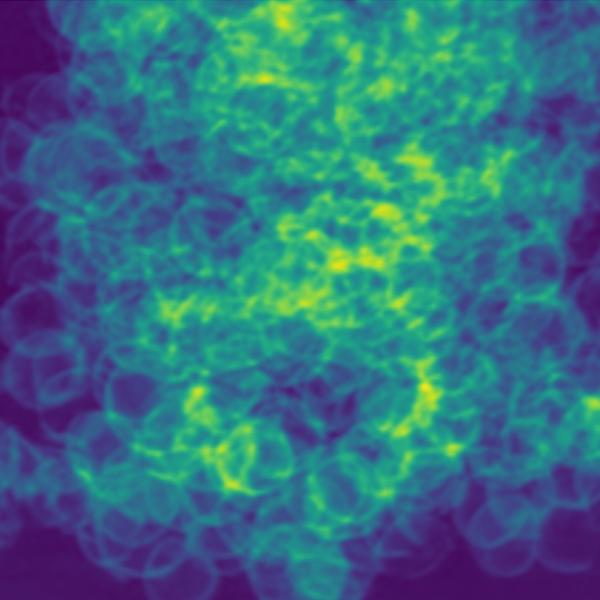
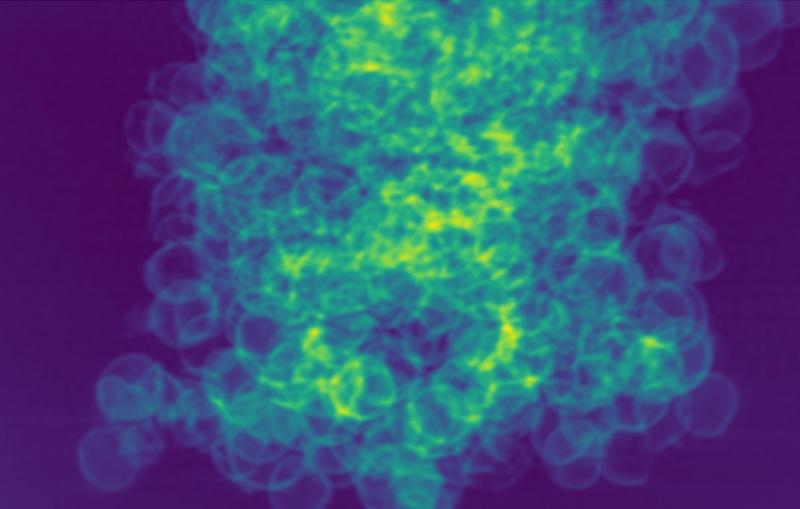
An X-ray imaging technique revealed that copper nanofoams used in inertial fusion experiments aren't as uniform as expected.

Green blobs on a blue background.
Past Event

Double your pressure, double your fun! Join us for SLAC on Tap on May 9, when SLAC scientist and rock star Arianna Gleason will...

SLAC on tap promo with Arianna Gleason
Feature

Following the NIF ignition demonstrations, the prospect of developing a fusion energy source using lasers looks brighter than ever. 

Illustration featuring three SLAC scientists Alan Fry, Arianna Gleason, and Siegfried Glenzer.
Feature

The research could lead to a better understanding of how metals behave under extreme conditions, which will aid in the development of more resilient...

phonon hardening
Feature

A new experiment suggests that this exotic precipitation forms at even lower pressures and temperatures than previously thought and could influence the unusual magnetic...

Diamond rain