
SLAC topics

LCLS-II RSS feed

LCLS-II is a transformative upgrade for energy science, qualitatively changing the way that X-ray imaging, scattering and spectroscopy can be used to study how natural and artificial systems function. The upgrade empowers LCLS to produce X-ray pulses that are 10,000 times brighter than before and that arrive up to a million times per second.

Related Link:
LCLS-II

Illustration of SLAC's cryoplant refrigerator.
News Release

Join us for five days of ultrafast science from April 17 to 21.

Feature

Sila Kiliccote, Jodi Verleger and Lydia Young demonstrate what it means to live SLAC’s values.

Feature

Detectors long used to look at the cosmos are now part of X-ray experiments here on Earth.

Feature

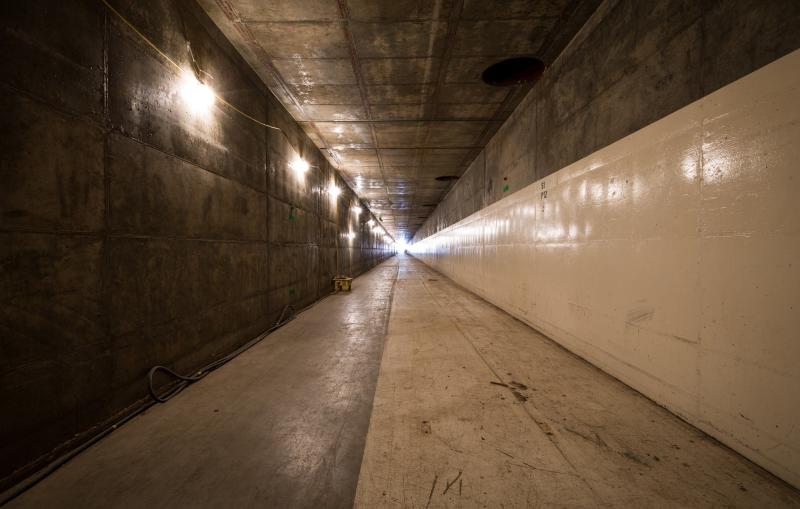
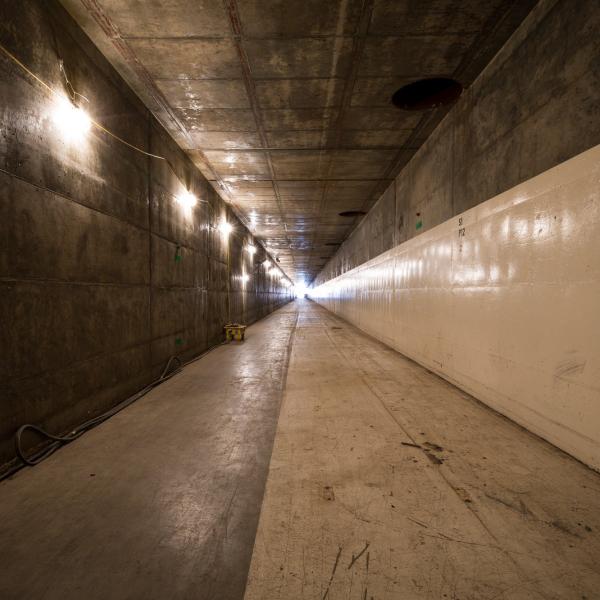
After 50 Years of Operation, One-third of the Lab’s Historic Linear Accelerator Is Extracted to Build Powerful New X-Ray Laser

photo - the empty accelerator tunnel
Feature

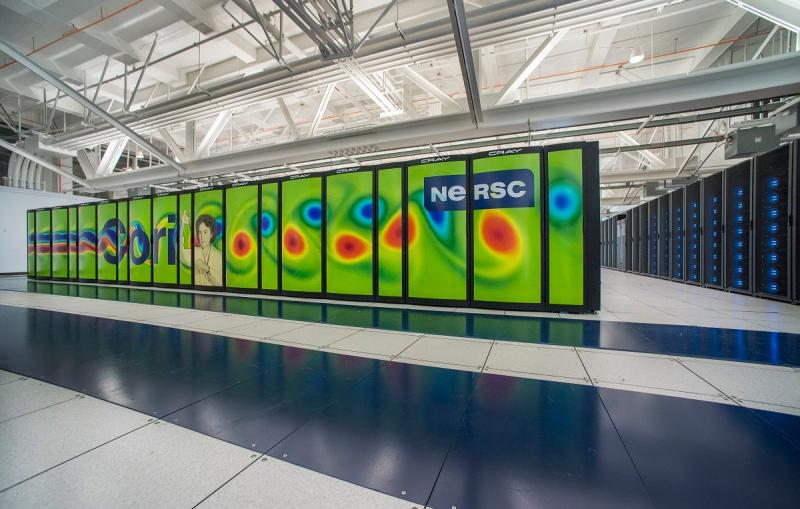
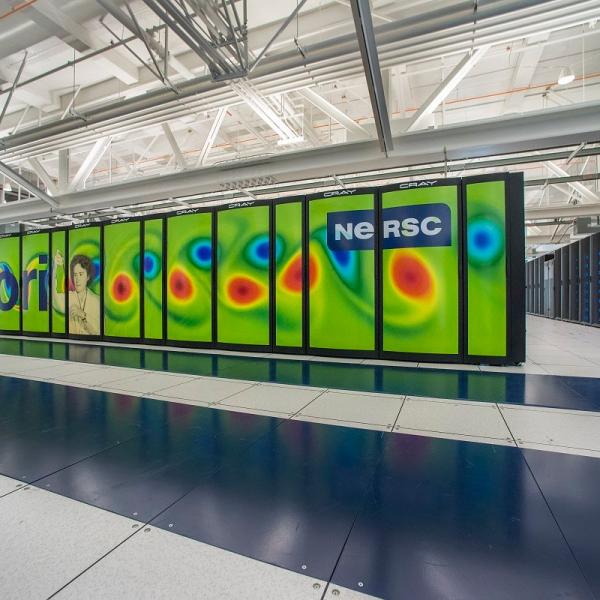
Two recently funded computing projects work toward developing cutting-edge scientific applications for future exascale supercomputers that can perform at least a billion billion computing...

Feature

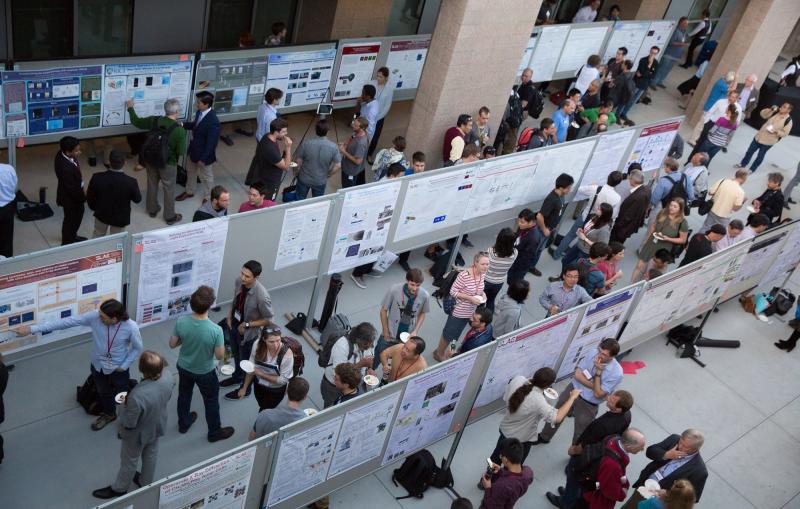
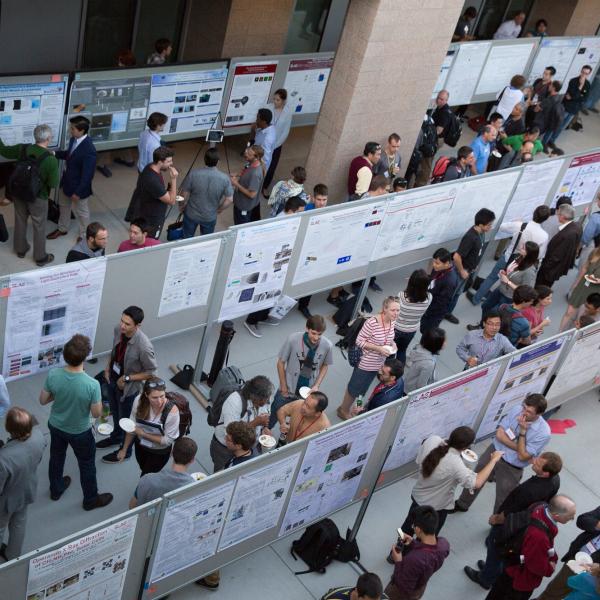
The event drew more than 400 participants, with workshops and presentations focusing on collaborations and new technology at SLAC’s light sources.

Feature

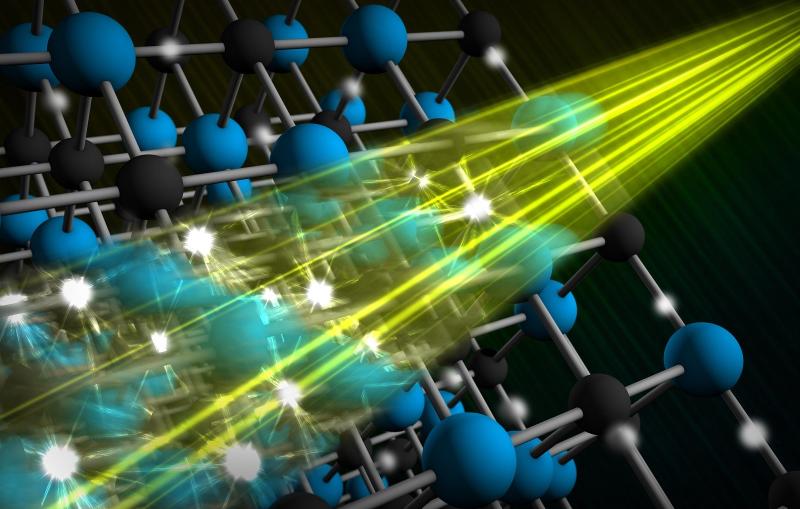
Understanding how a material’s electrons interact with vibrations of its nuclear lattice could help design and control novel materials, from solar cells to high-temperature...

Feature

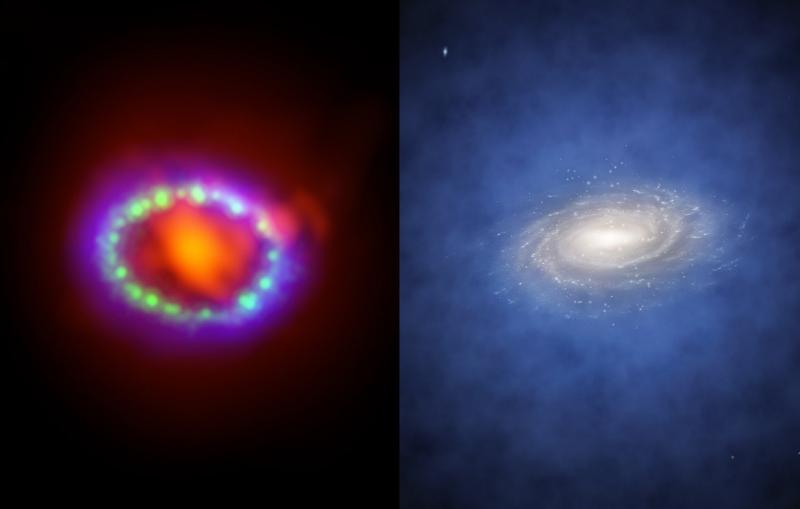
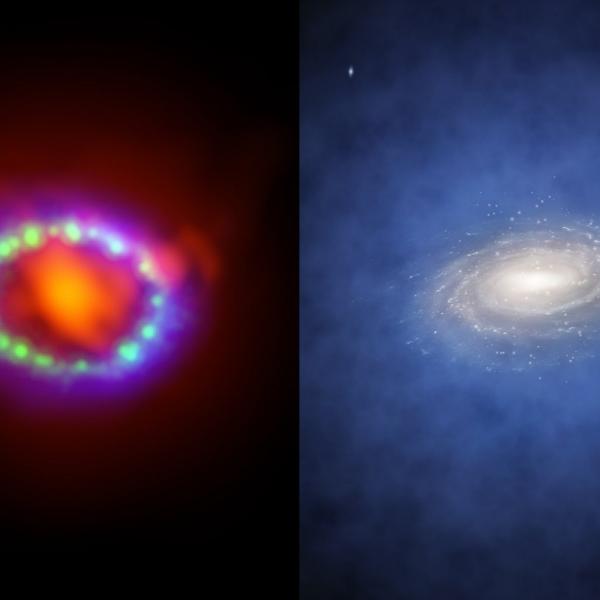
The scientists develop methods to study neutrinos from star explosions and search for unknown particles and forces with possible ties to dark matter.

Feature

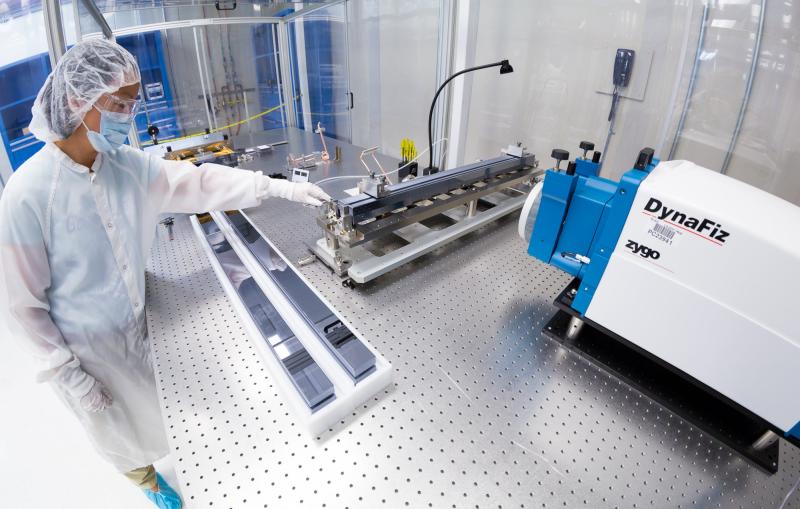
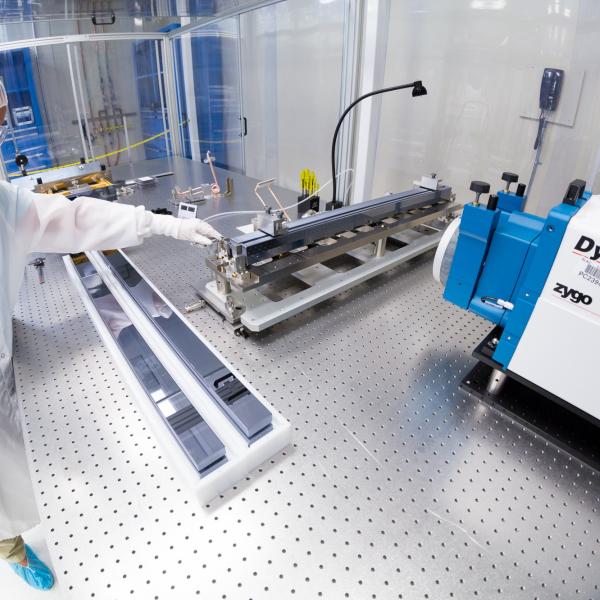
The mirrors only differ by one atom in flatness, from end to end.

Feature

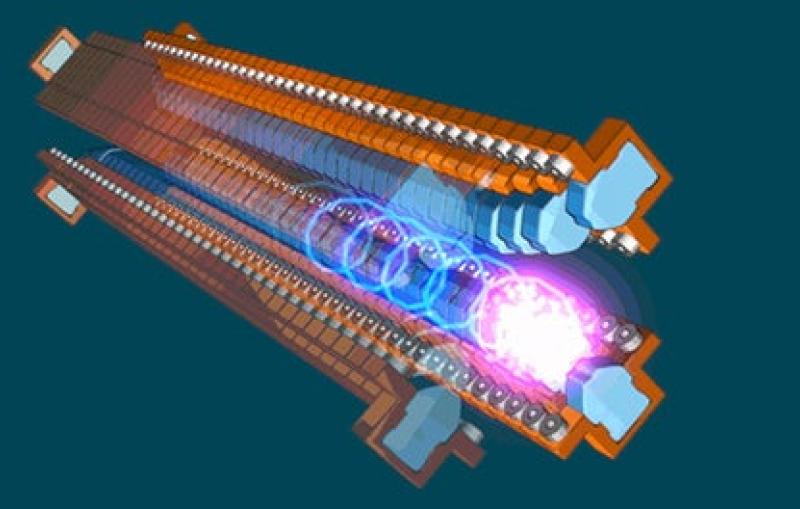
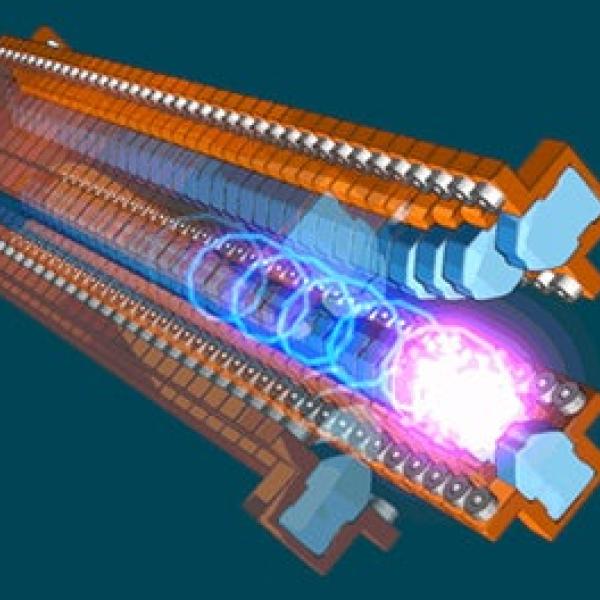
A new device at the Department of Energy’s SLAC National Accelerator Laboratory allows researchers to explore the properties and dynamics of molecules with circularly...

Electrons spiral through the Delta undulator.
Feature

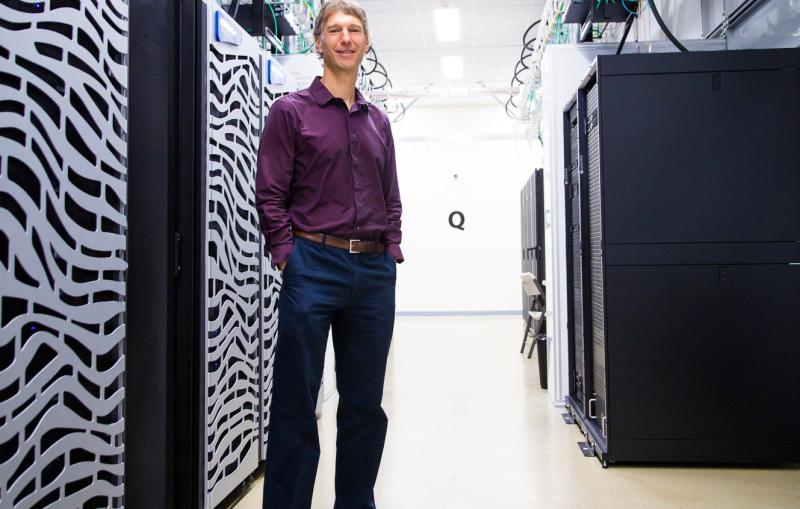
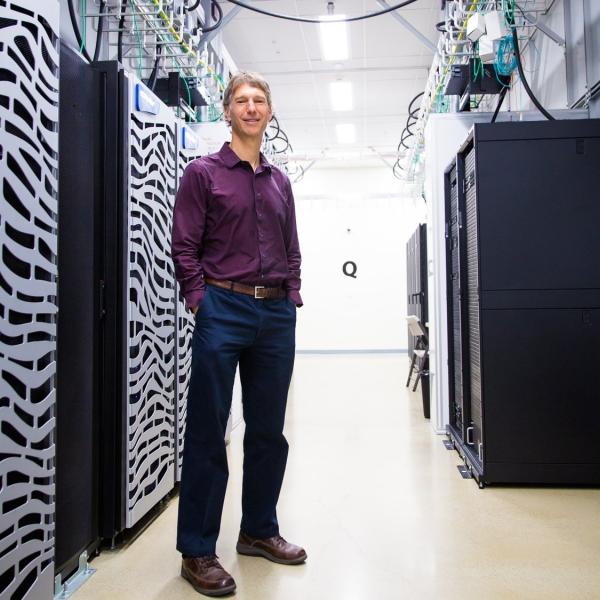
Finding ways to handle torrents of data from LSST and LCLS-II will also advance “exascale” computing.

Feature

Taken at SLAC, microscopic footage of exploding liquids will give researchers more control over experiments at X-ray lasers.