Kavli Institute for Particle Astrophysics & Cosmology (KIPAC)
KIPAC brings the power of theory, computation, experiments and observations to bear on astrophysical questions, from the origins of cosmic rays to the structure and evolution of the universe.
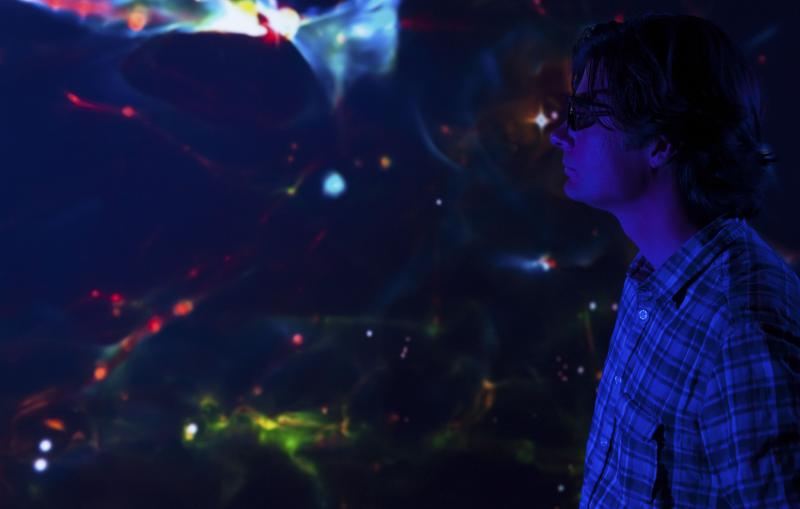
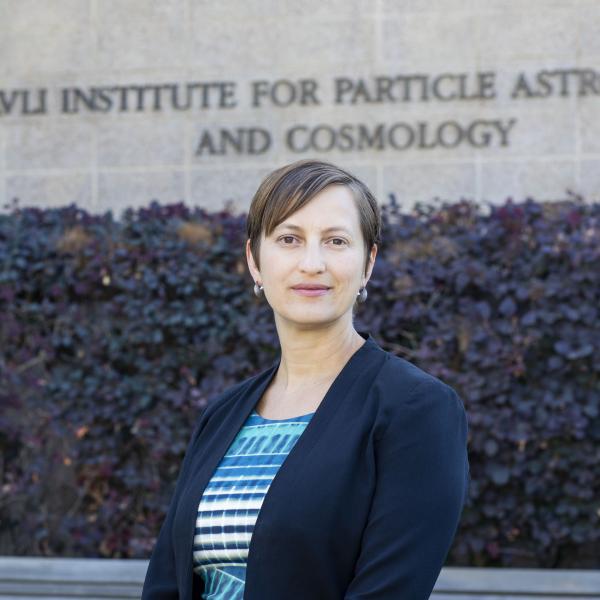
Kavli Institute for Partical Astrophysics and Cosmology (KIPAC) scientist Ralf Kaehler, at work here in the "Vizlab," and colleagues use computer visualizations to simulate and study the formation and evolution of the Universe.
(Matt Beardsley/SLAC National Accelerator Laboratory)
Rubin Observatory’s rapid scanning of the night sky will capture the largest sample of Type Ia supernovae yet, unlocking new insights into dark energy.
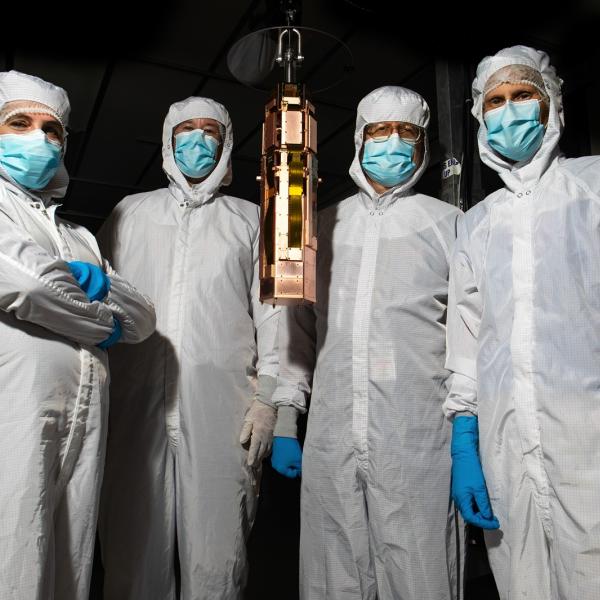
His visit highlighted the breadth of our world-class research and the people and collaborations that make it possible. A key theme of the day: how SLAC and the National Labs are advancing AI to accelerate discovery.
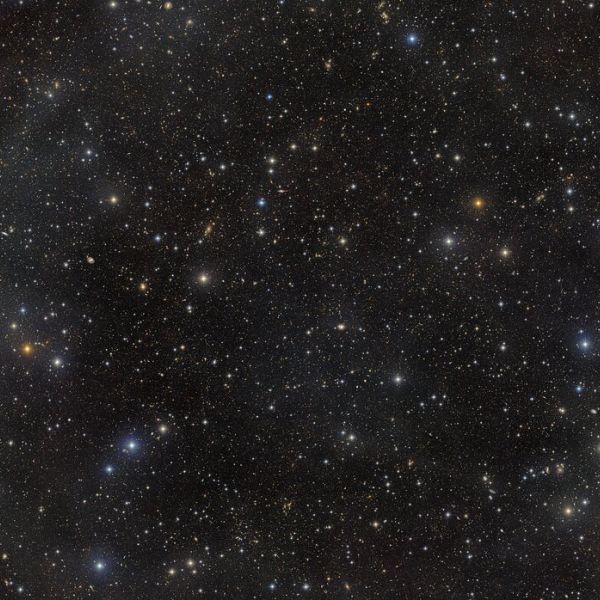
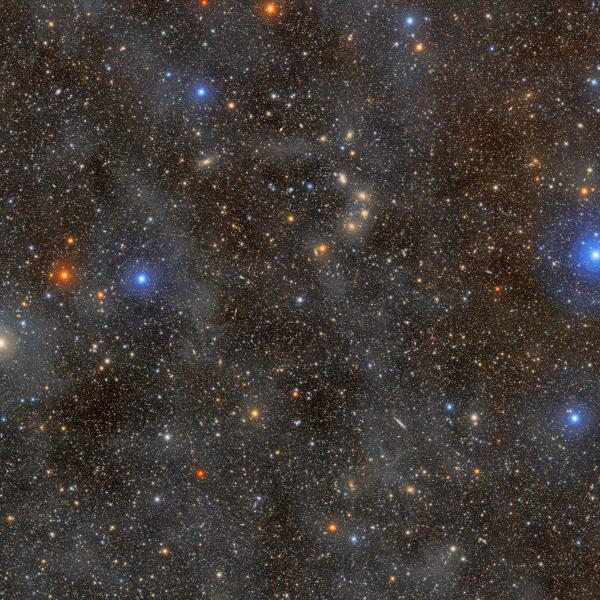
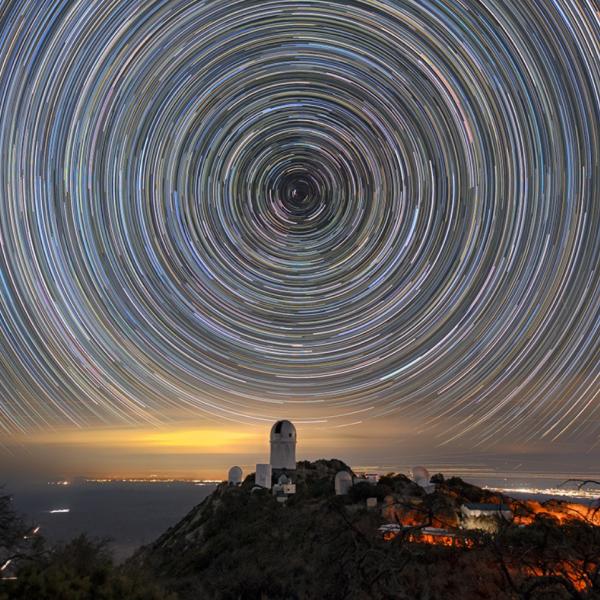
NSF–DOE Vera C. Rubin Observatory is about to embark on its quest to capture the cosmos, marking the culmination of decades of work by thousands of people across the globe.
Rubin Observatory’s rapid scanning of the night sky will capture the largest sample of Type Ia supernovae yet, unlocking new insights into dark energy.