SLAC topics

Kavli Institute for Particle Astrophysics & Cosmology (KIPAC) RSS feed

KIPAC brings the power of theory, computation, experiments and observations to bear on astrophysical questions, from the origins of cosmic rays to the structure and evolution of the universe. 

Visit KIPAC website

Browse tagged content

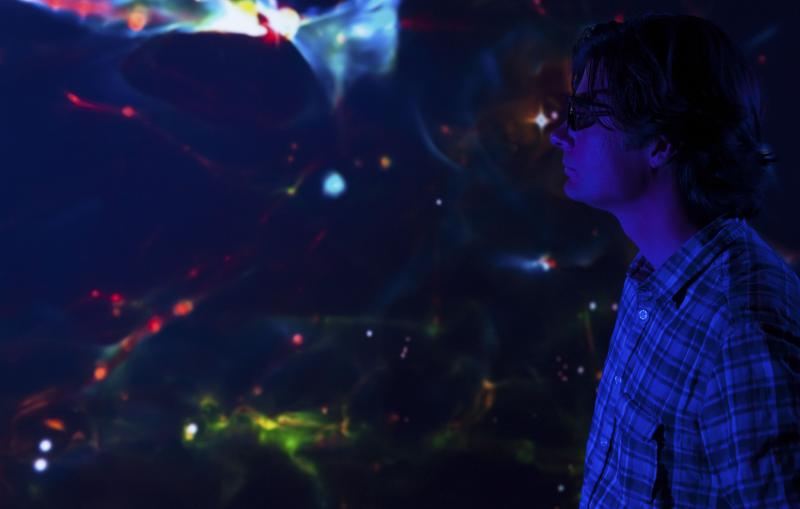
Kavli Institute for Partical Astrophysics and Cosmology (KIPAC) scientist Ralf Kaehler at work here in the "Vizlab."
Feature

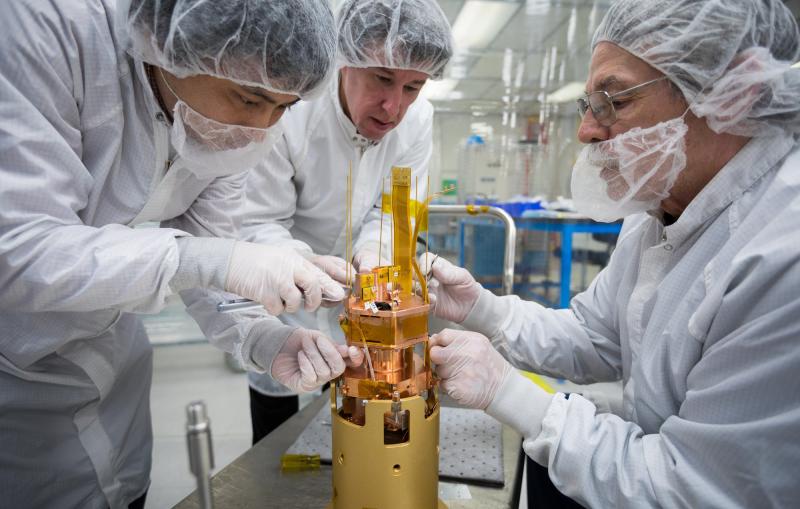
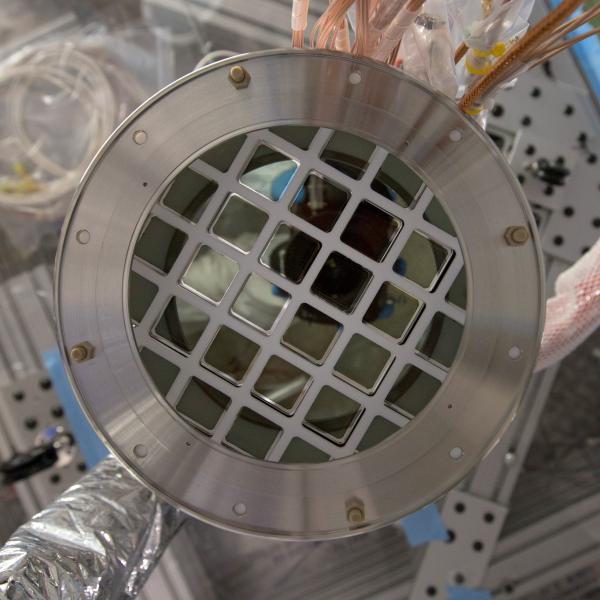
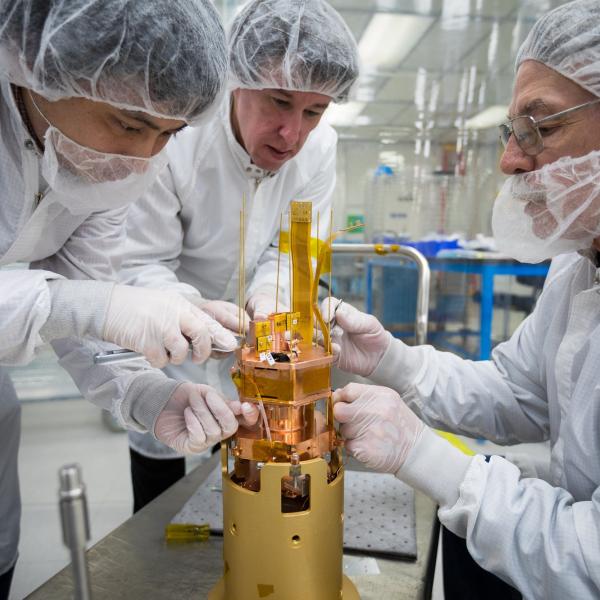
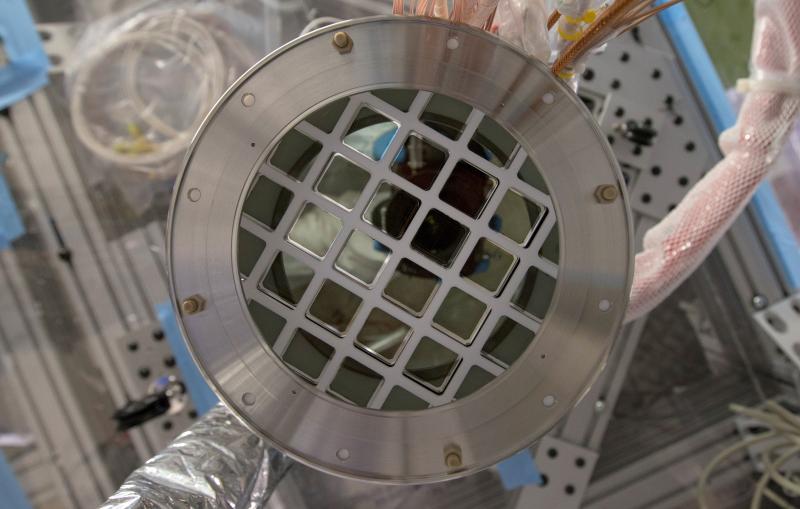
Prototype tests of the future SuperCDMS SNOLAB experiment are in full swing.

SuperCDMS
News Release

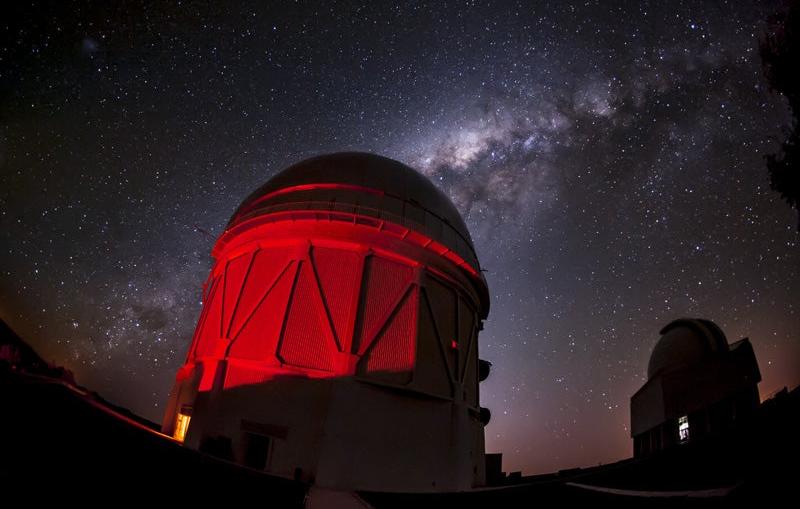
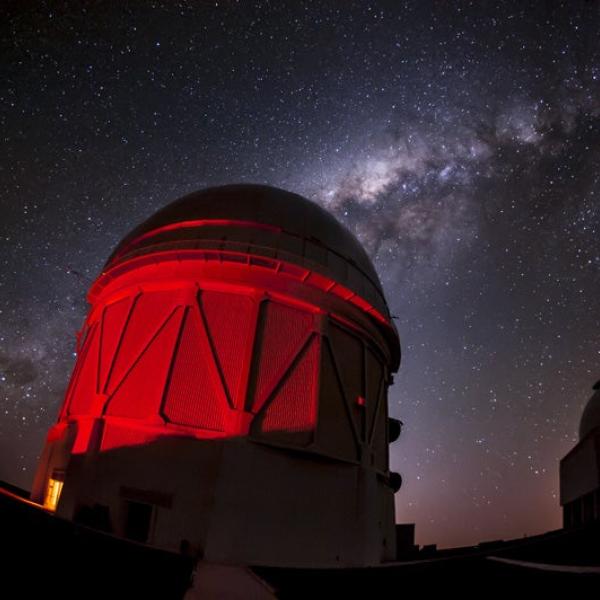
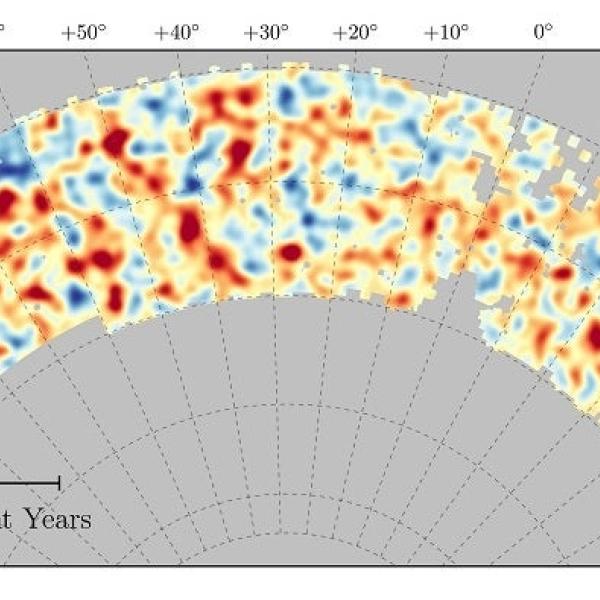
SLAC and Stanford astrophysicists made crucial contributions to the galaxy survey, showing that the universe clumps and expands as predicted by our best cosmological...

Blanco Telescope
Illustration
A map of the sky showing the density of galaxy clusters, galaxies and matter in the universe over the part...
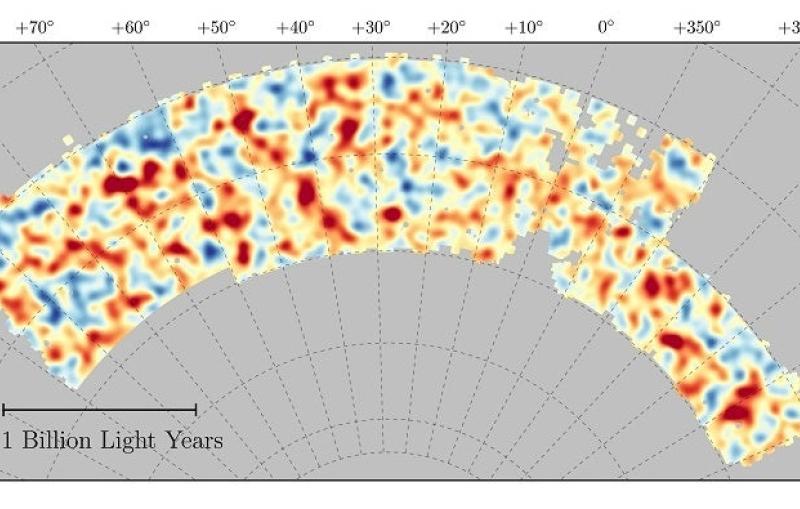
Map of sky showing density of galaxy clusters
Illustration
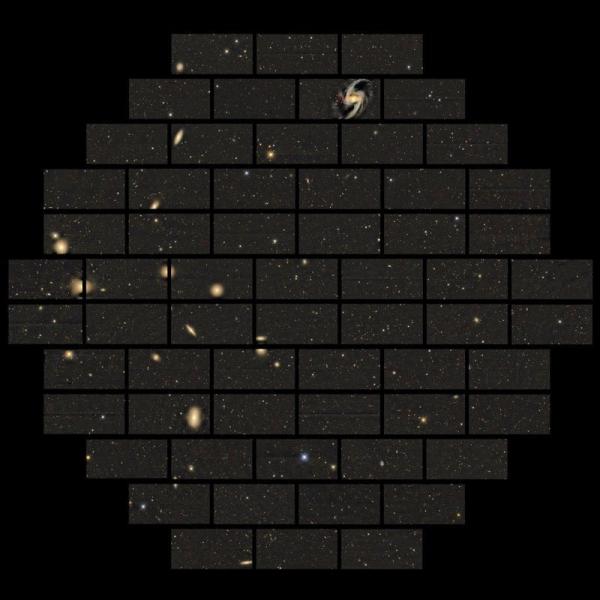
Image from the Dark Energy Camera (DECam), which is mounted on the Victor M. Blanco 4-meter Telescope at the Cerro...
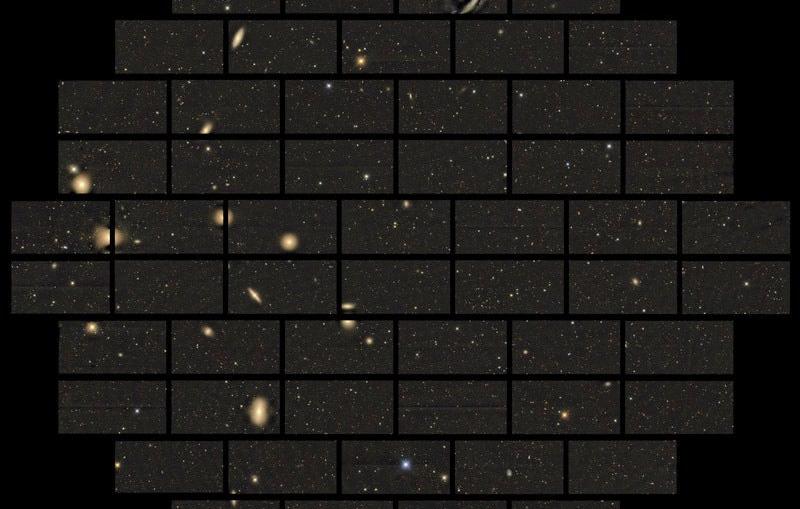
DECam Images
Feature

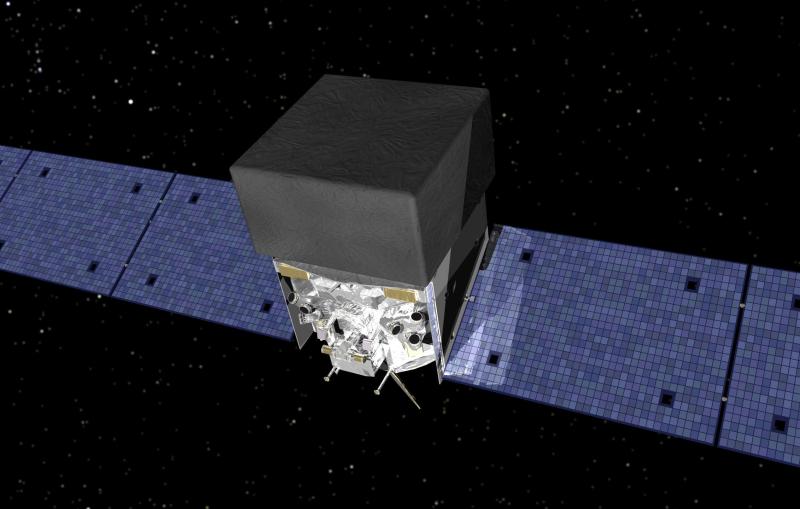
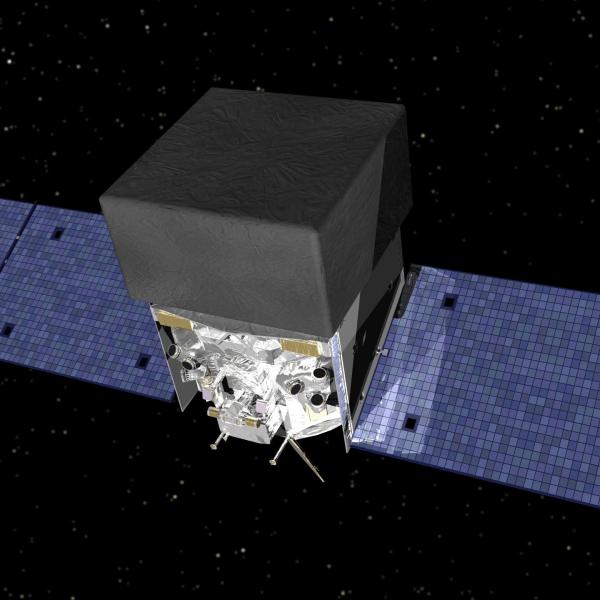
Sensitive gamma-ray “eye” on NASA’s Fermi space telescope continues to provide unprecedented views of violent phenomena in the cosmos.

Fermi in Space.
News Release

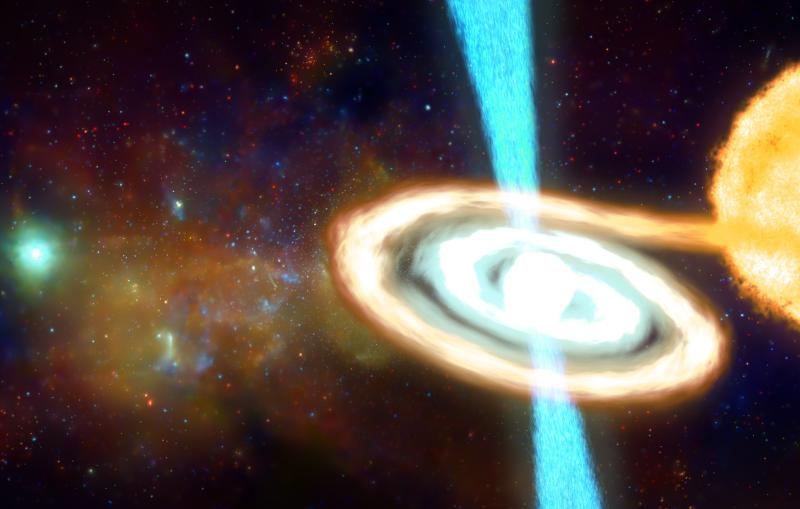
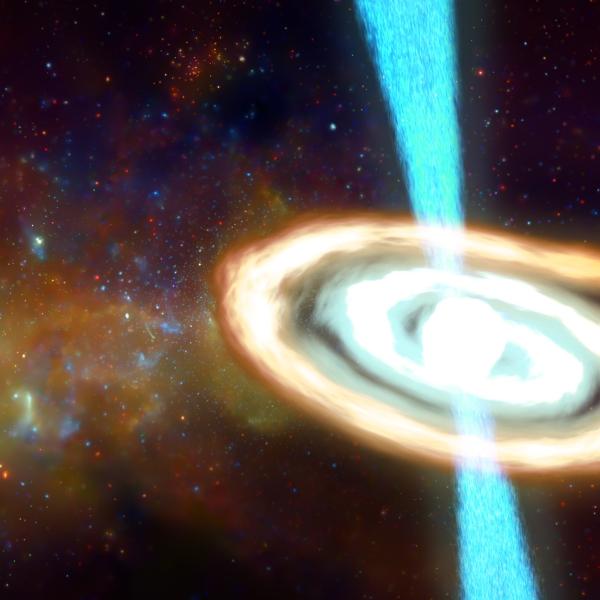
An excess of gamma rays at the center of the Milky Way, previously discussed as a sign of dark matter, is likely caused by...

Pulsars
Feature
VIA Symmetry Magazine

Q&A: Dark Matter Next Door?

Astrophysicists Eric Charles and Mattia Di Mauro discuss the surprising glow of our neighbor galaxy.

Feature
VIA Symmetry Magazine

2016 year in particle physics

Scientists furthered studies of the Higgs boson, neutrinos, dark matter, dark energy and cosmic inflation and continued the search for undiscovere

Feature

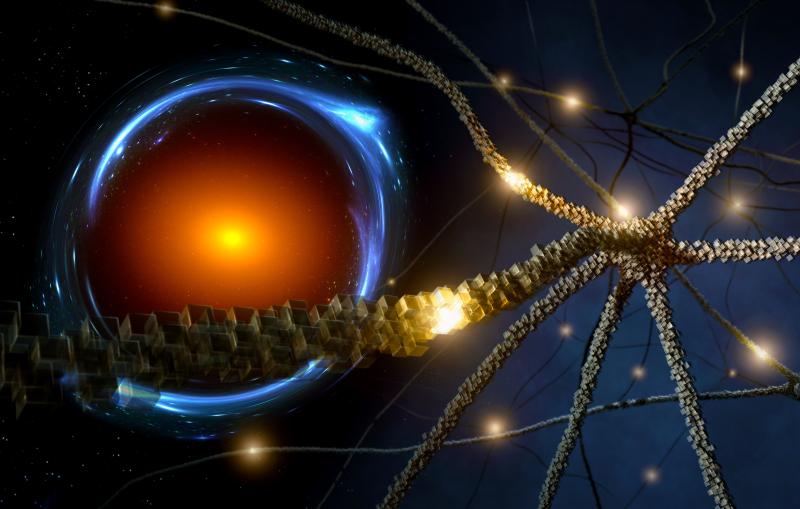
What are parallel universes, and why do we think they might exist?

Feature

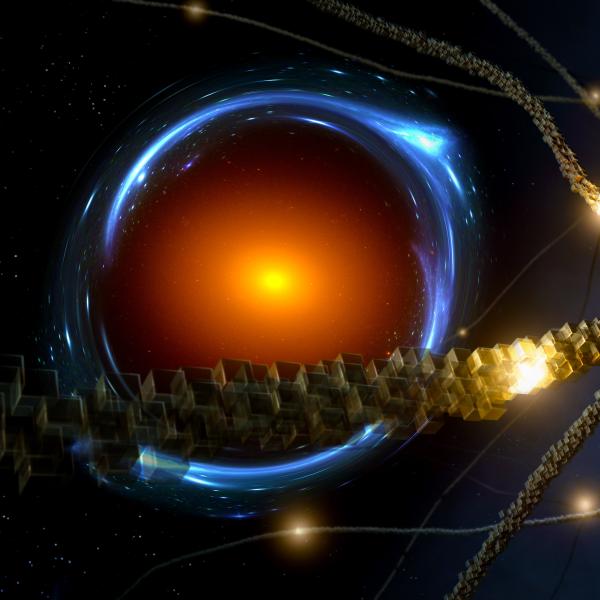
KIPAC’s Ralf Kaehler and Tom Abel contributed two scenes to the science documentary narrated by Brad Pitt and Cate Blanchett.

Feature

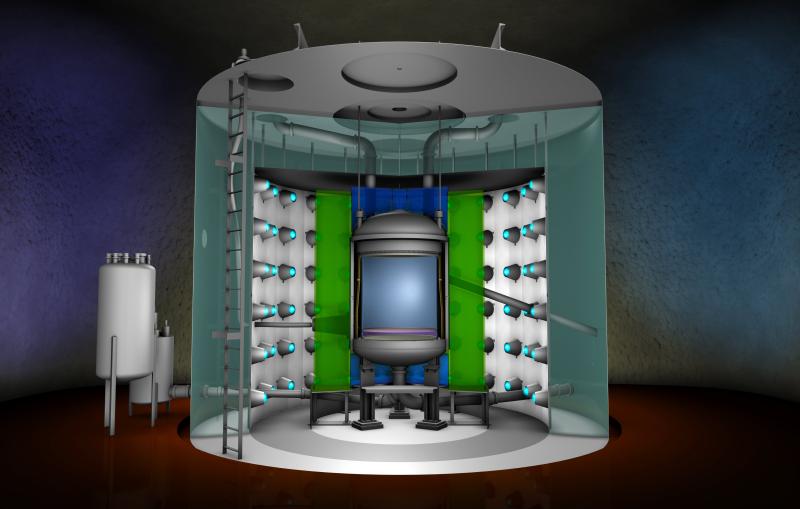
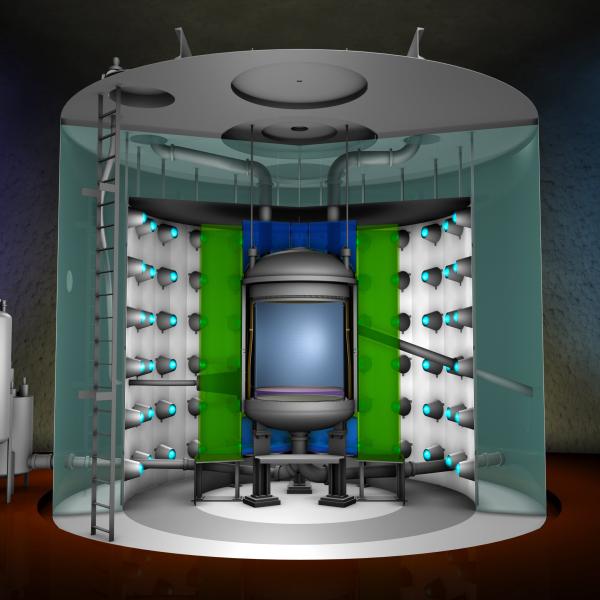
Underground experiment passes critical DOE review and prepares for startup in 2020.

Feature

Three recent studies using data from the Fermi Gamma-ray Space Telescope have expanded the hunt for unexplained signals coming from beyond our galaxy.