SLAC topics

Kavli Institute for Particle Astrophysics & Cosmology (KIPAC) RSS feed

KIPAC brings the power of theory, computation, experiments and observations to bear on astrophysical questions, from the origins of cosmic rays to the structure and evolution of the universe. 

Visit KIPAC website

Browse tagged content

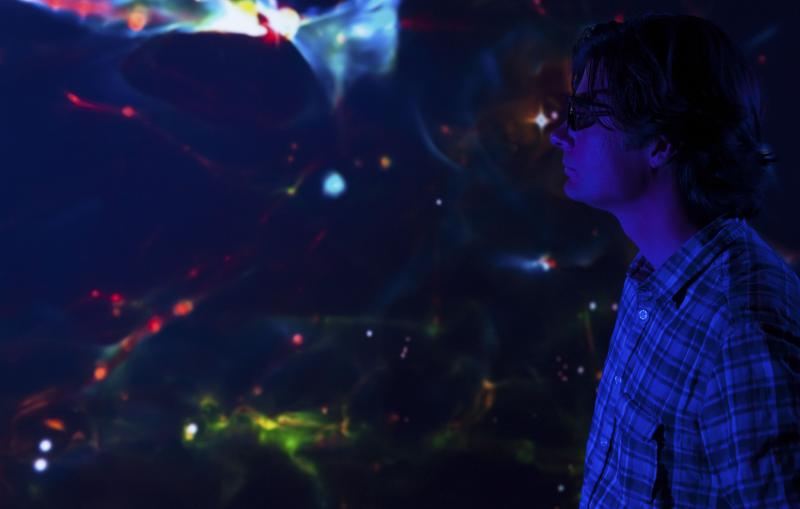
Kavli Institute for Partical Astrophysics and Cosmology (KIPAC) scientist Ralf Kaehler at work here in the "Vizlab."
Feature

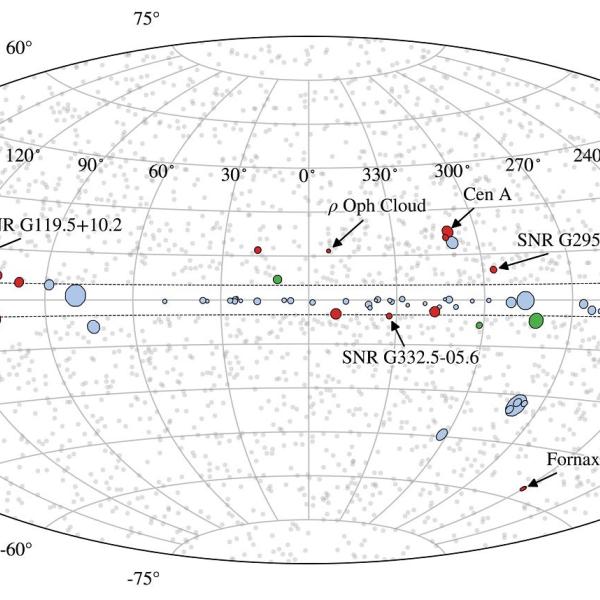
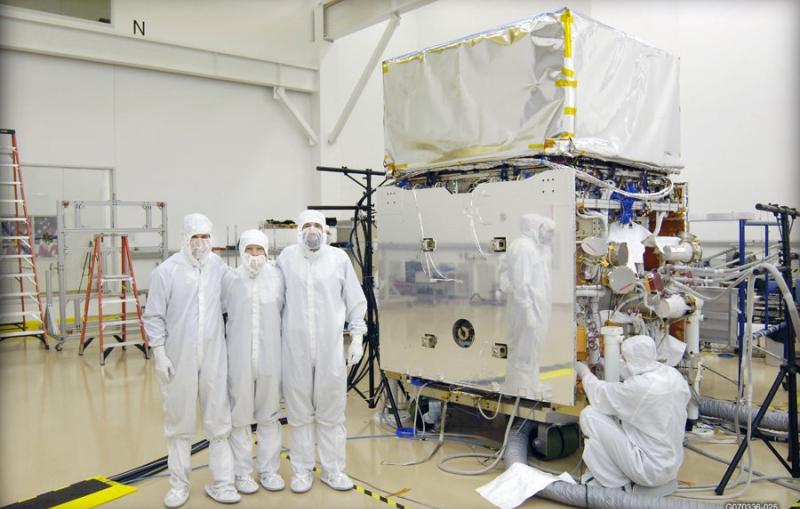
By capturing the most energetic light in the sky, the spacecraft continues to teach us about the mysteries of the universe.

Fermi scientists Michelson, Atwood and Ritz
News Release

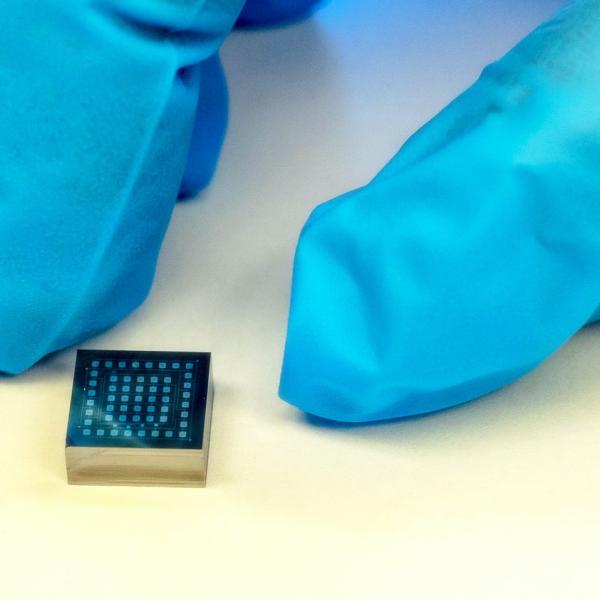
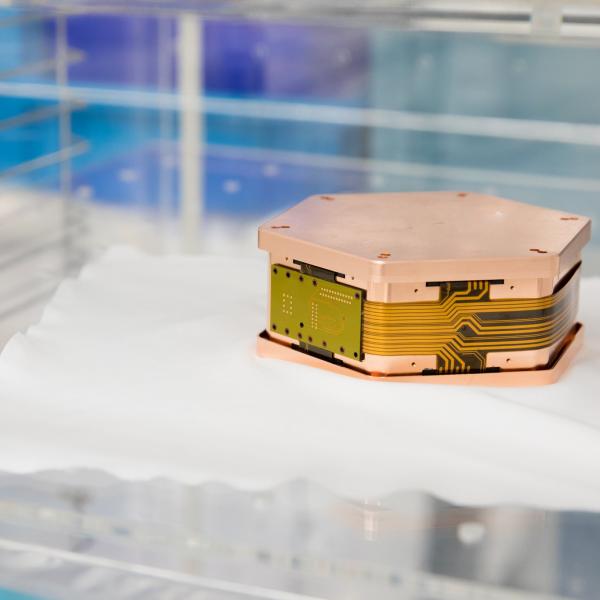
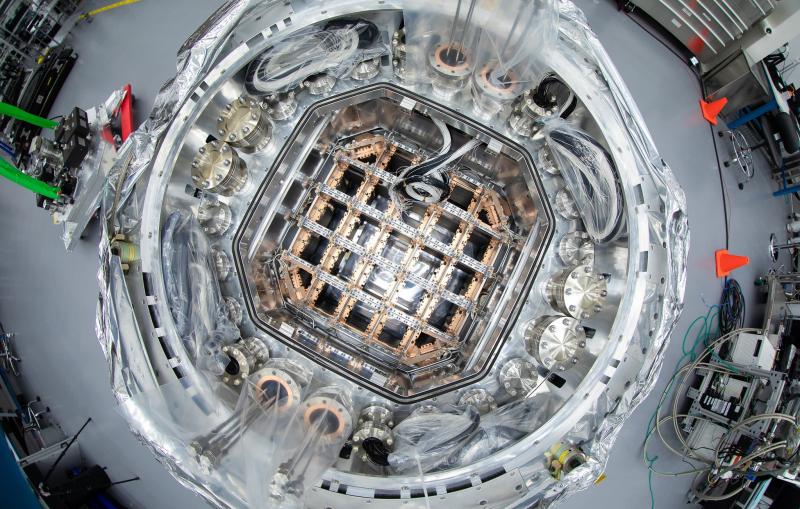
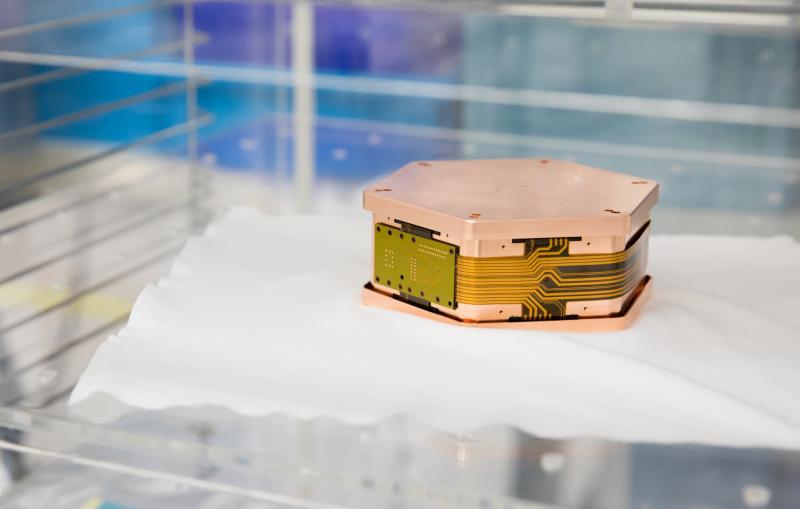
The SuperCDMS SNOLAB project, a multi-institutional effort led by SLAC, is expanding the hunt for dark matter to particles with properties not accessible to...

SuperCDMS Detector 2
Illustration
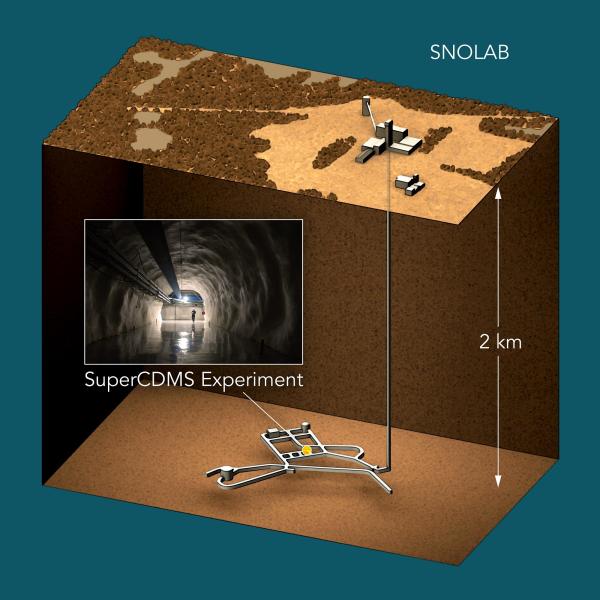
The SuperCDMS dark matter experiment will be located at the Canadian laboratory SNOLAB, 2 kilometers (6,800 feet) underground inside a...
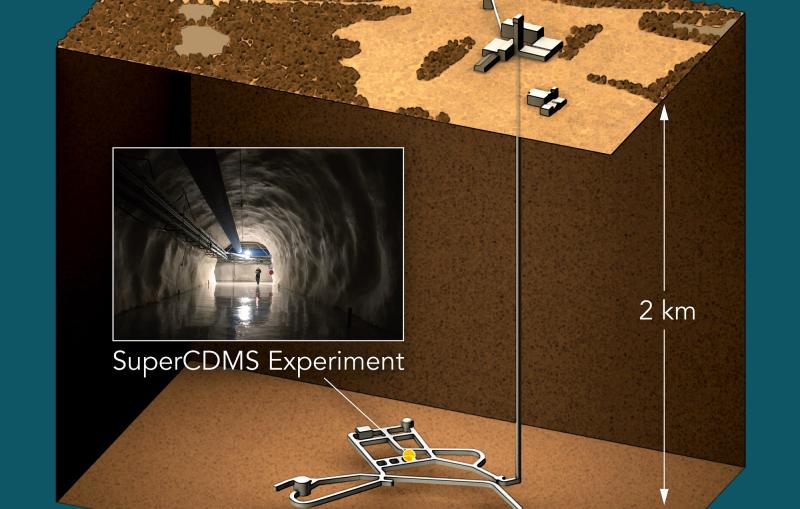
SuperCDMS Location
Feature

The Large Synoptic Survey Telescope will track billions of objects for 10 years, creating unprecedented opportunities for studies of cosmic mysteries.

LSST
Feature

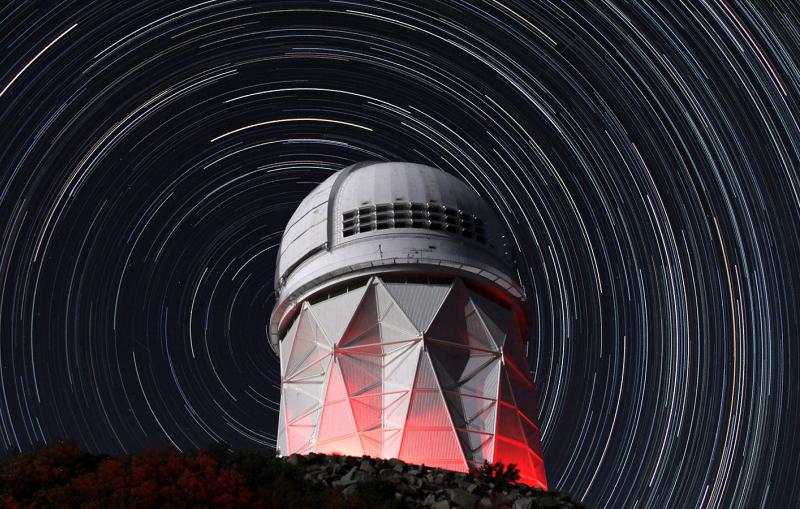
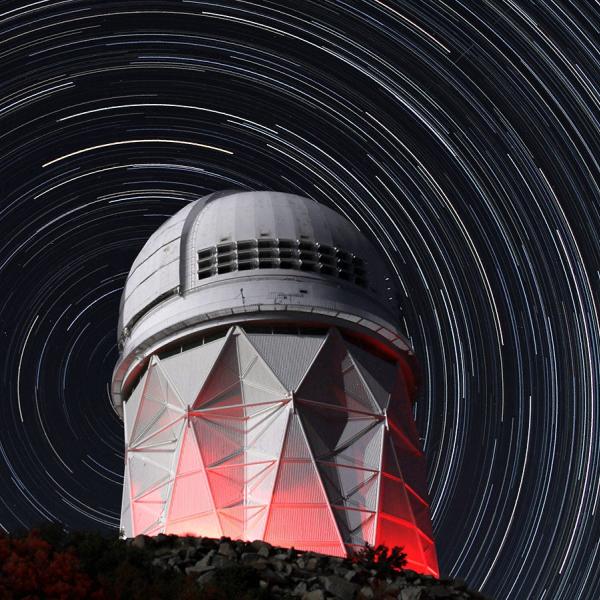
Installation of the Dark Energy Spectroscopic Instrument begins at Kitt Peak National Observatory in Arizona.

Mayall Telescope Star Trails
Feature

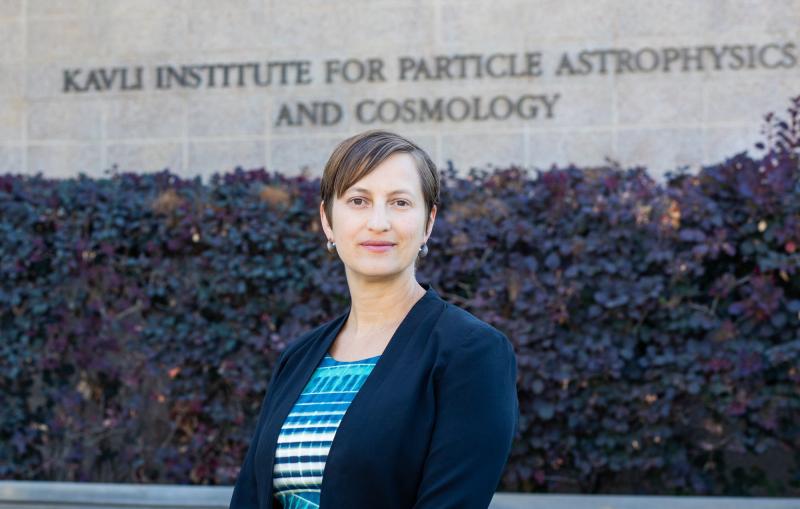
The astrophysicist is recognized for her leadership, mentorship and innovative work in understanding how galaxies form.

Feature

The Advanced LIGO gravitational wave detectors have announced their first observation of a binary neutron star coalescence.

Feature

System tests at SLAC continue with 32 light sensors - up from a single one - in a small-scale version of the future experiment...

LZ PMT Array
News Release

SLAC and Stanford researchers demonstrate that brain-mimicking ‘neural networks’ can revolutionize the way astrophysicists analyze their most complex data, including extreme distortions in spacetime...

Neural Nets and Gravitational Lenses
Illustration

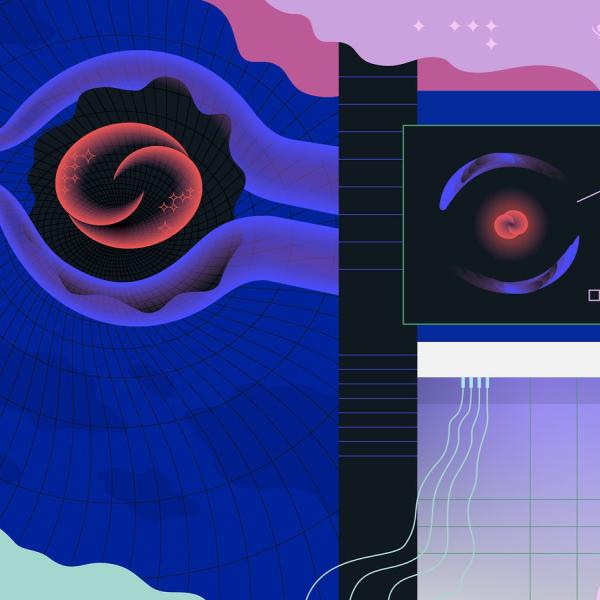
KIPAC scientists have for the first time used artificial neural networks to analyze complex distortions in spacetime, called gravitational lenses, demonstrating that the method...

Neural Nets and Gravitational Lenses
Feature

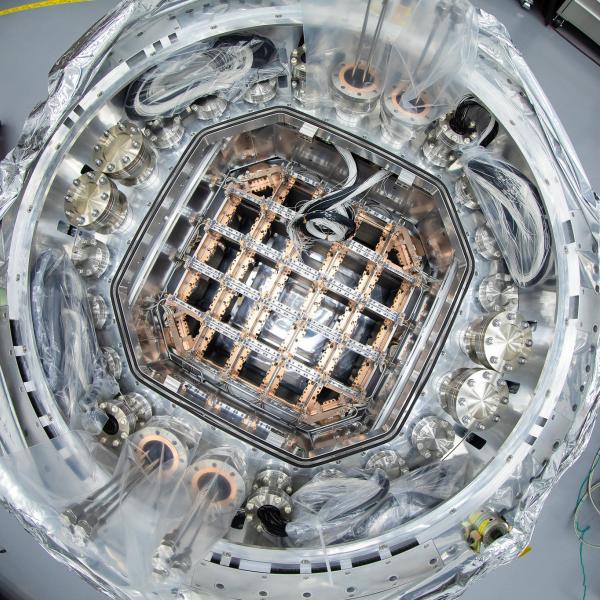
Researchers at the Department of Energy’s SLAC National Accelerator Laboratory are on a quest to solve one of physics’ biggest mysteries: What exa

LZ Dark Matter Detector
Feature

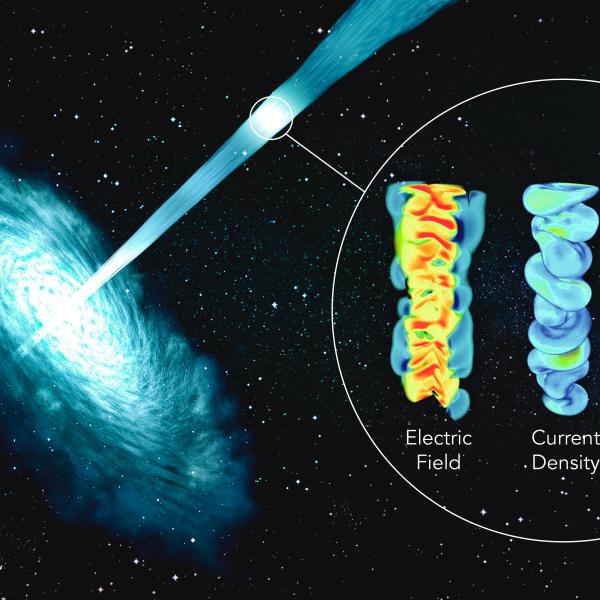
Zeeshan Ahmed, Frederico Fiuza and Emilio Nanni will each receive about $2.5 million over five years to pursue cutting-edge research into cosmic inflation, plasma...

SLAC's 2017 DOE Early Career Award winners