SLAC topics

Kavli Institute for Particle Astrophysics & Cosmology (KIPAC) RSS feed

KIPAC brings the power of theory, computation, experiments and observations to bear on astrophysical questions, from the origins of cosmic rays to the structure and evolution of the universe. 

Visit KIPAC website

Browse tagged content

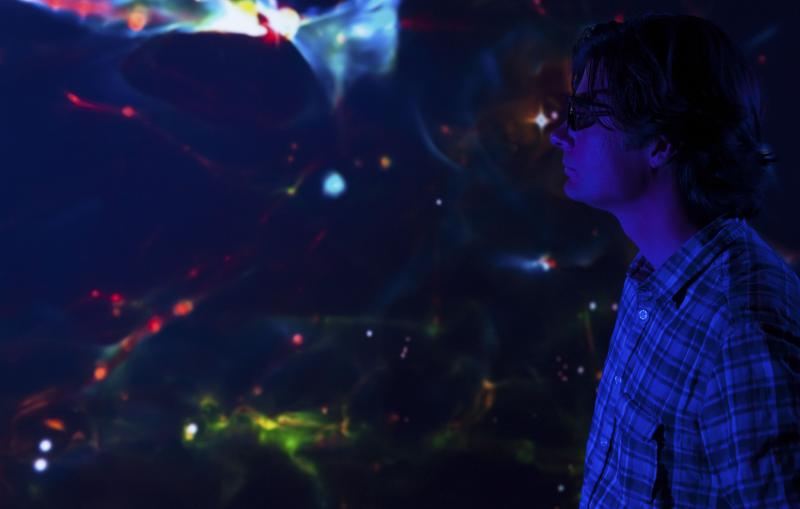
Kavli Institute for Partical Astrophysics and Cosmology (KIPAC) scientist Ralf Kaehler at work here in the "Vizlab."
Feature

The Cosmic Microwave Background, leftover light from the big bang, carries a wealth of information about the universe—for those who can read it.

News Release

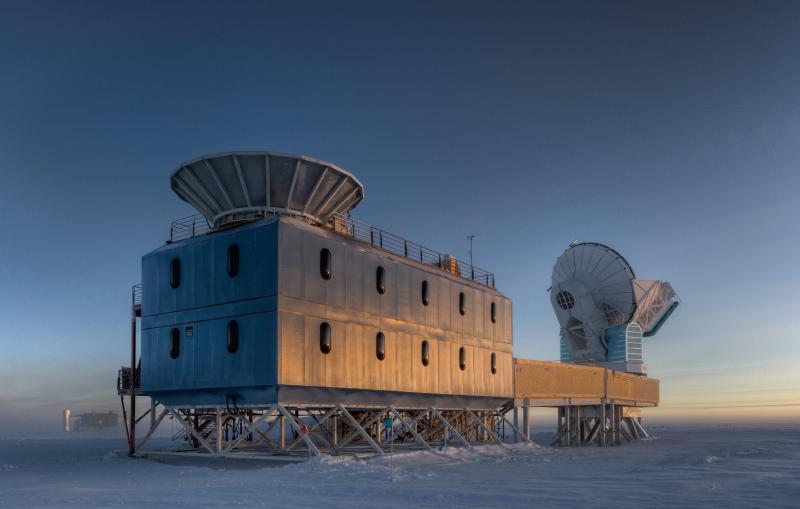
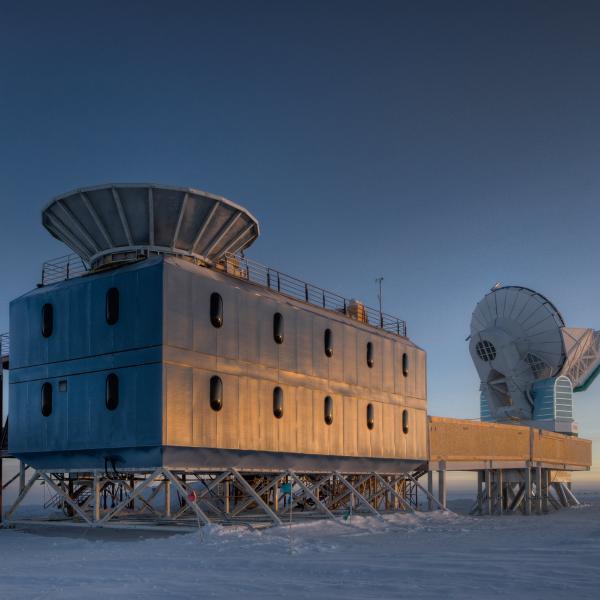
Researchers from the BICEP2 collaboration have announced the first direct evidence supporting the theory of cosmic inflation. Their data also represent the first images...

The Dark Sector Lab (DSL)
Feature

Black widow spiders and their Australian cousins, known as redbacks, are notorious for their tainted love, expressed as an unsettling tendency to kill and...

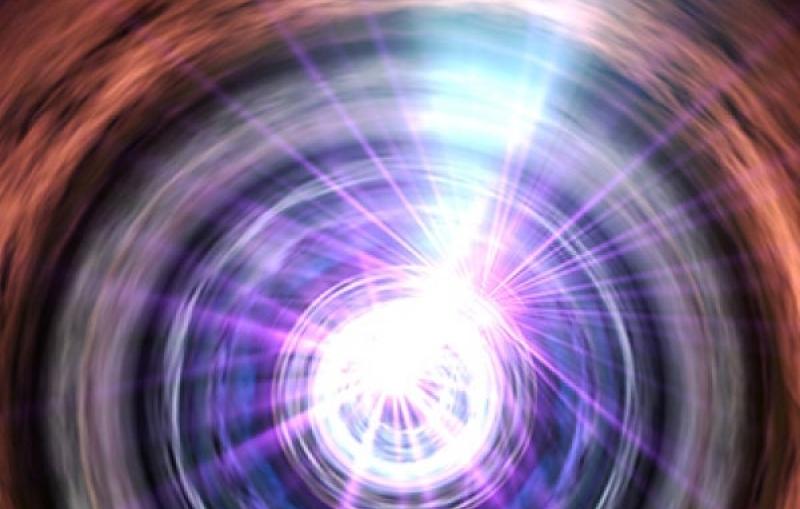
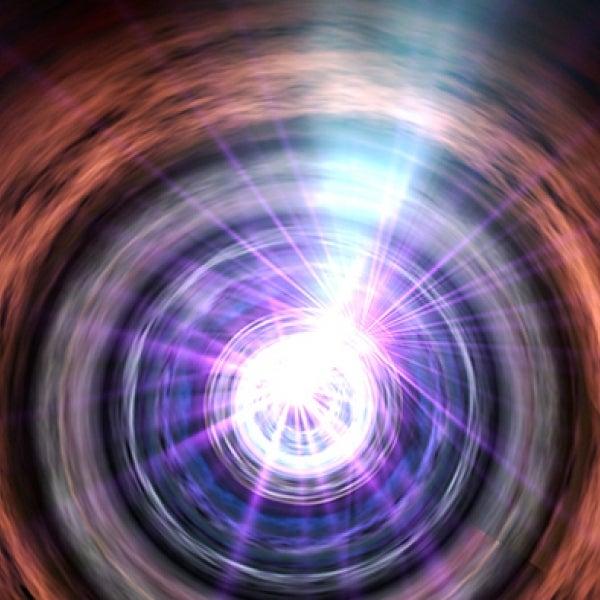
Image - Illustration of black widow pulsar blasting material off companion star
Feature

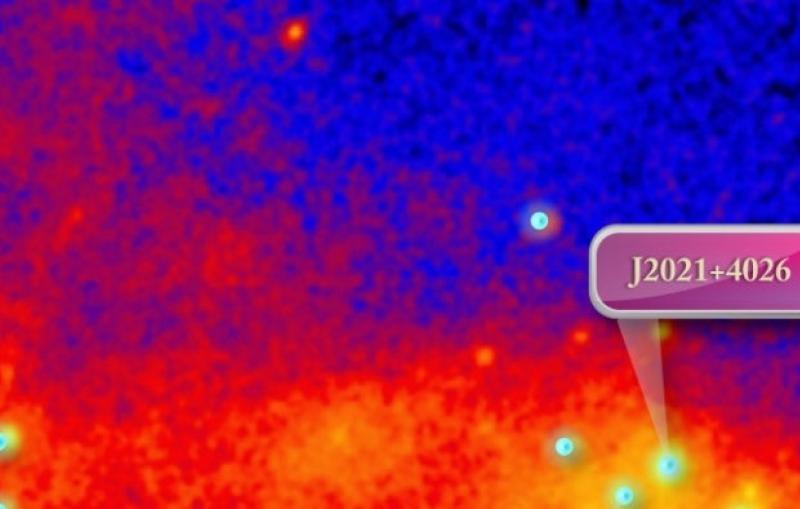
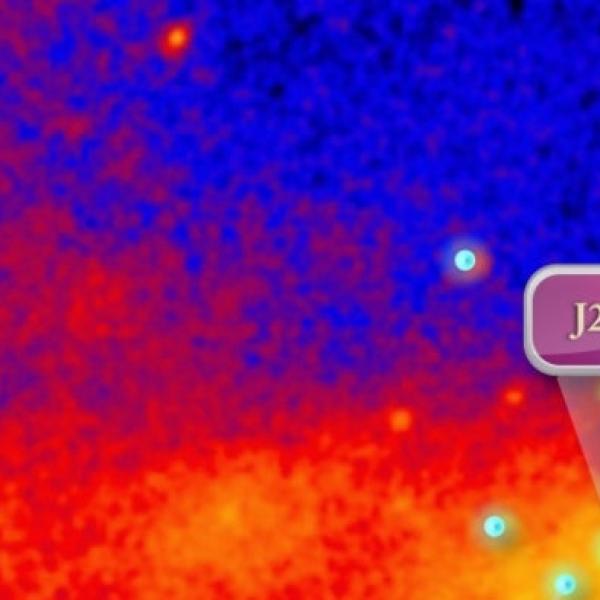
Scientists studying five years of data from the Fermi Gamma-ray Space Telescope have found the first gamma-ray variable pulsar.

Feature

The distant universe looks a little clearer, thanks to tens of thousands of citizen scientists who classified more than 6 million images over the...

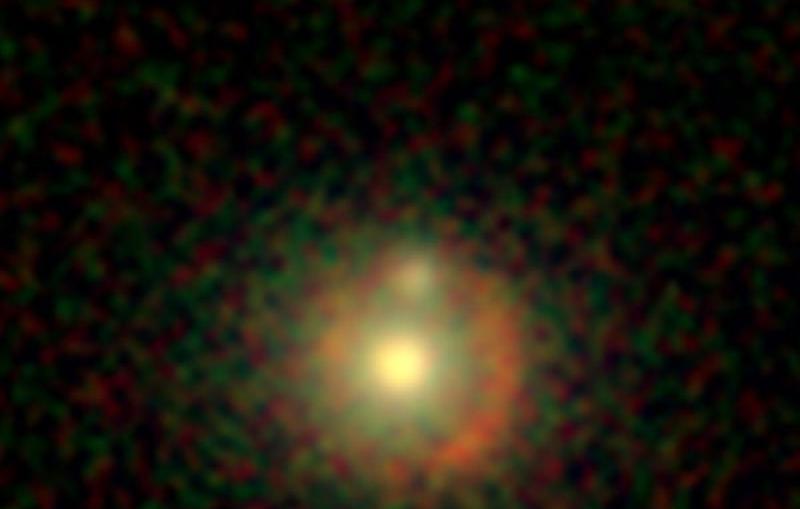
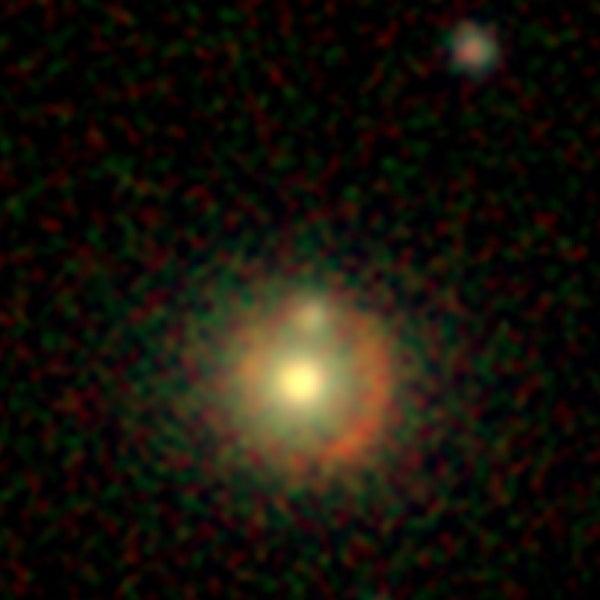
Using an entire galaxy as a lens to look at an object in the far distance, researchers are learning more about powerful jets emitted...

Feature

Editors of the journal Science, published by the American Association for the Advancement of Science, have selected their annual Top 10 Science Breakthroughs of...

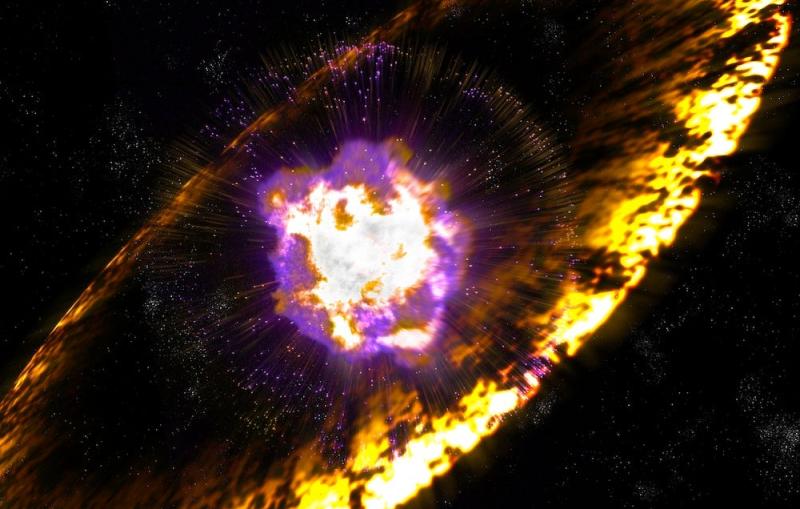
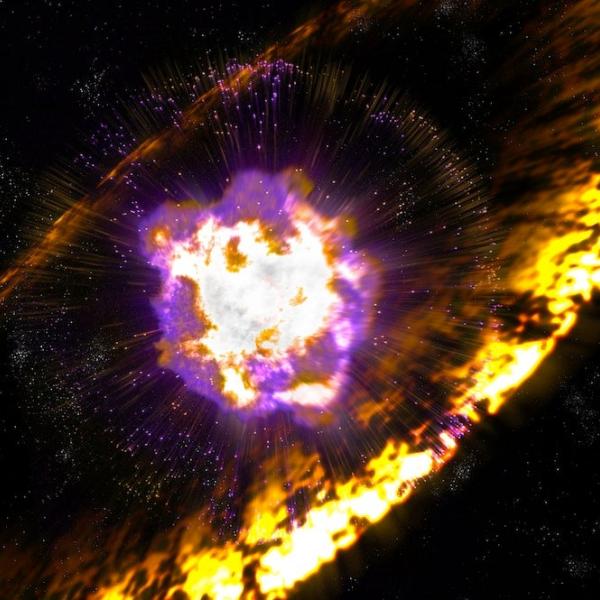
Image - Artist's illustration of a supernova, with a shockwave spreading out from it.
Video

Public lecture presented by Julie Hlavacek-Larrondo

Stillframe for public lecture
Video
Feature

SLAC's Kavli Institute for Particle Astrophysics and Cosmology (KIPAC) recently hosted many of the top scientists in the field to discuss the most important...

KIPAC mosaic
Feature
VIA Symmetry Magazine

Mock Data, Real Science

In scientific circles, “mock” is not always a four-letter word. To test that they’re interpreting their massive amounts of data correctly, astrophysicists create even...

Feature

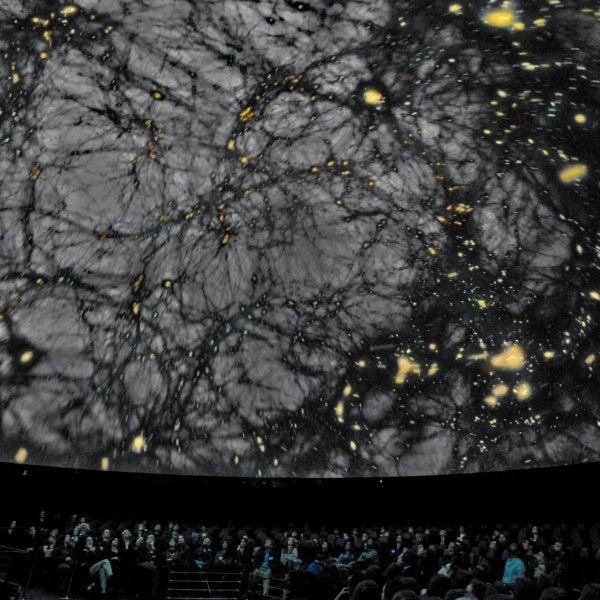
Particle astrophysicists are helping illuminate the dark side of the universe for a new show at the American Museum of Natural History in New...

Feature

Traces of iron spread smoothly throughout a massive galaxy cluster tell the 10 billion-year-old story of exploding supernovae and fierce outbursts from supermassive black...

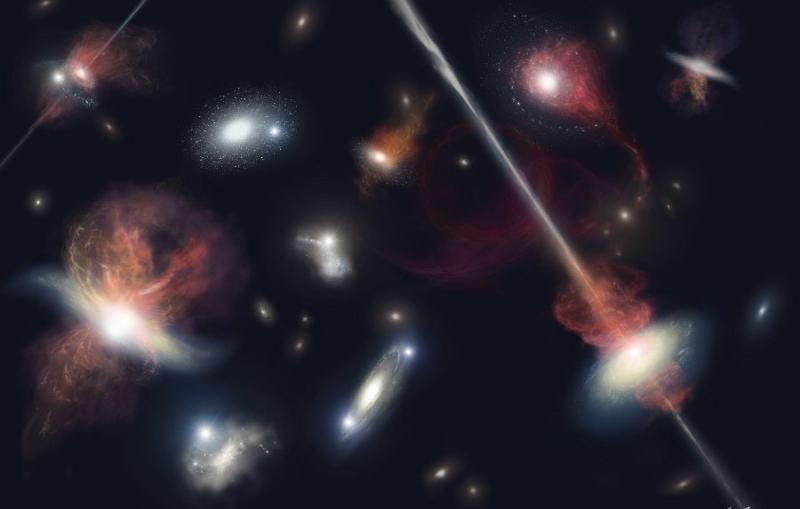
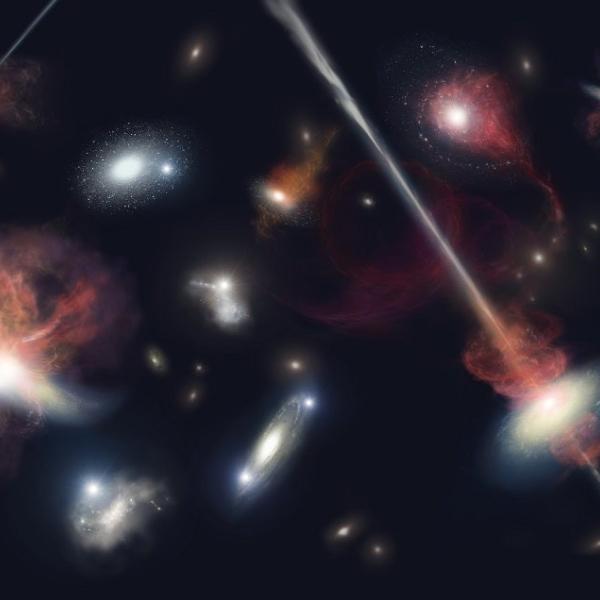
Image: Illustration of some markers of the universe's turbulent youth, such as supernova explosions and active galactic nuclei (Akihiro Ikeshita).