The lab’s contributions to the national AI initiative are bolstered by its breakthrough scientific tools, unprecedented data and unique partnerships that help illuminate nature...
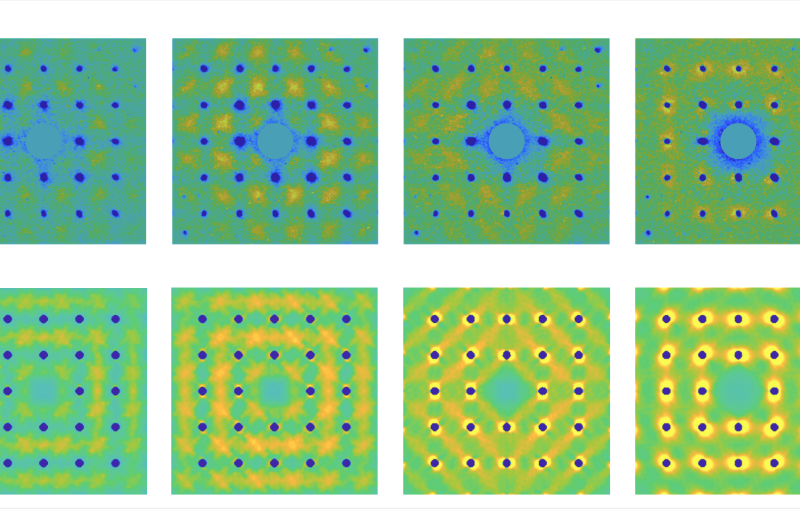
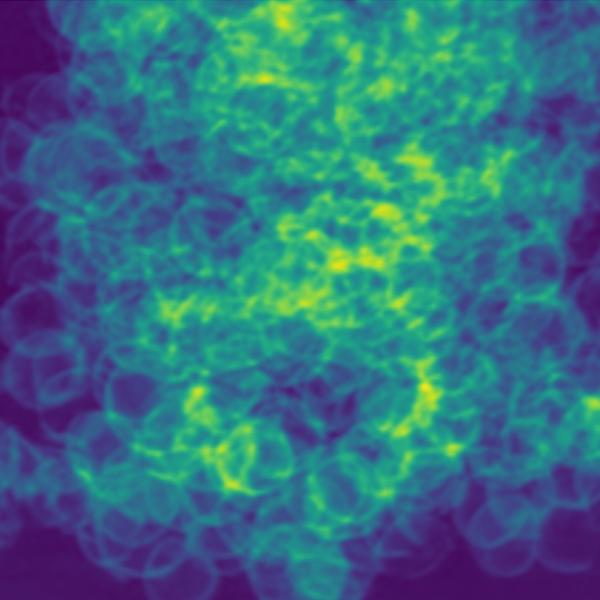
Researchers taking the first-ever direct measurement of atom temperature in extremely hot materials inadvertently disproved a decades-old theory and upended our understanding of superheating.
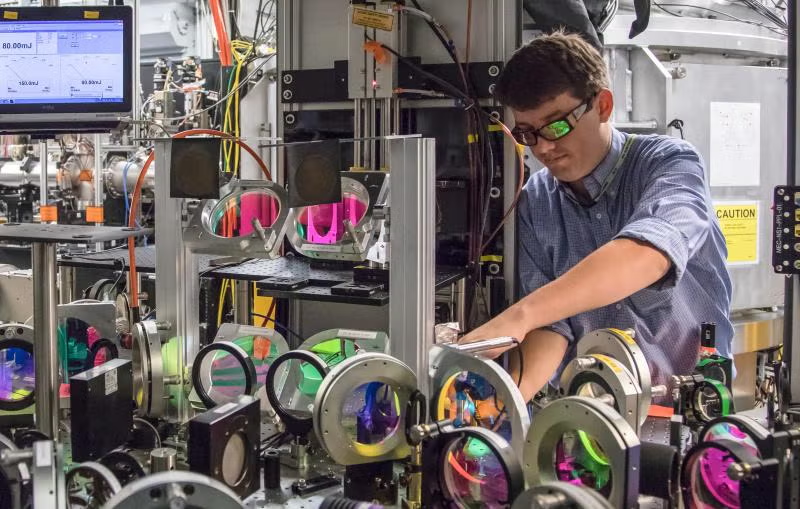
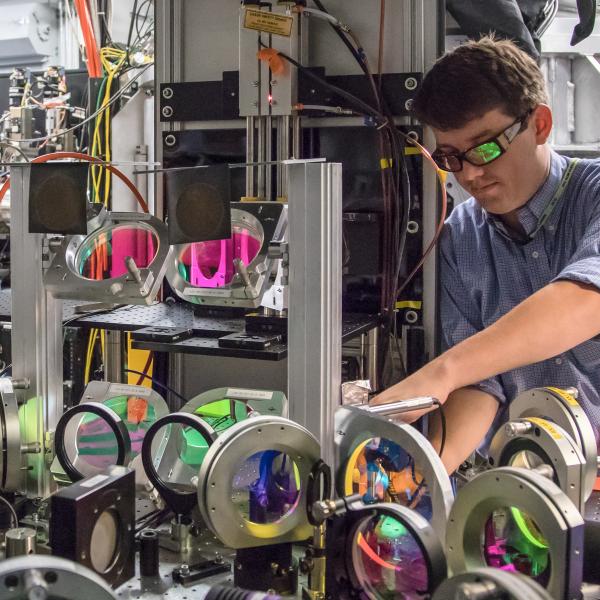
In this Q&A, Arianna Gleason discusses the technologies needed to make commercialized fusion energy a reality and how SLAC is advancing this energy frontier.
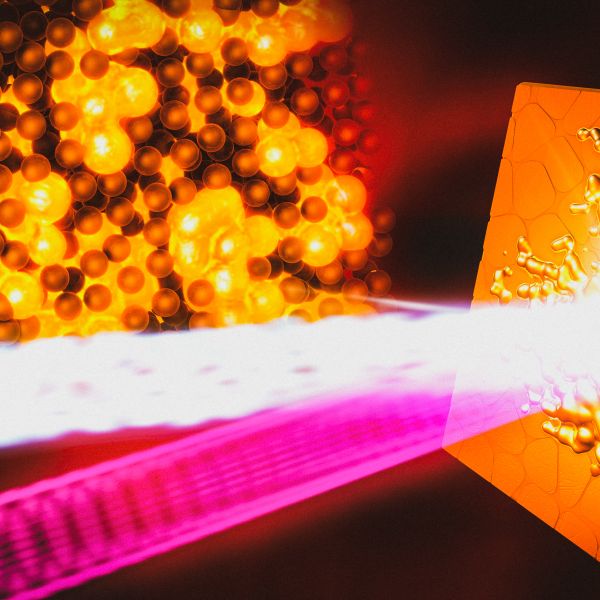
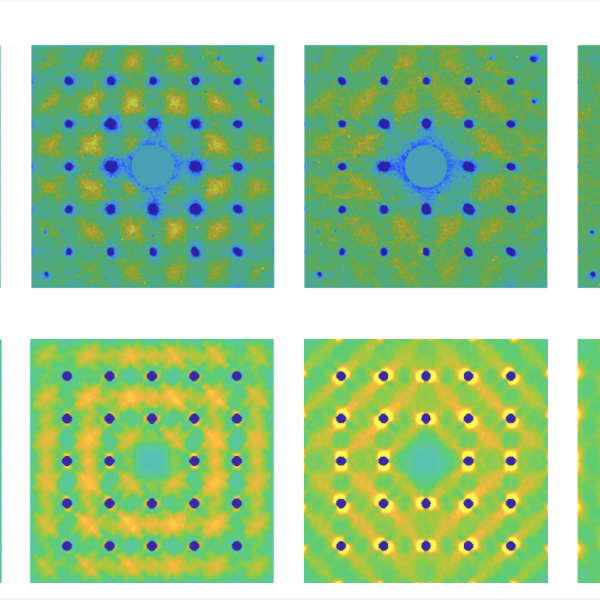
Researchers have uncovered new insights about tungsten's ability to conduct heat, which could lead to materials advancements for fusion reactor and aerospace technologies.
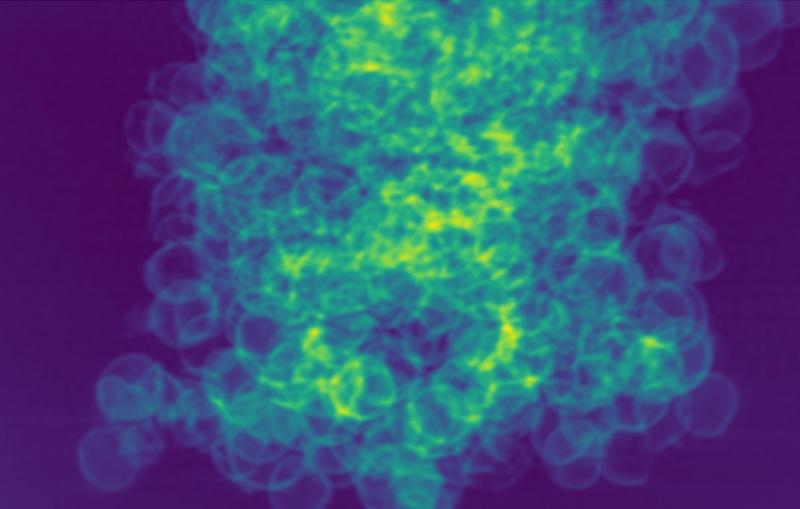
The lab’s contributions to the national AI initiative are bolstered by its breakthrough scientific tools, unprecedented data and unique partnerships that help illuminate nature from the expansion of the universe to the motions of electrons.
His visit highlighted the breadth of our world-class research and the people and collaborations that make it possible. A key theme of the day: how SLAC and the National Labs are advancing AI to accelerate discovery.
Researchers taking the first-ever direct measurement of atom temperature in extremely hot materials inadvertently disproved a decades-old theory and upended our understanding of superheating.
In this Q&A, Arianna Gleason discusses the technologies needed to make commercialized fusion energy a reality and how SLAC is advancing this energy frontier.
Researchers have uncovered new insights about tungsten's ability to conduct heat, which could lead to materials advancements for fusion reactor and aerospace technologies.