


SLAC topics

High Energy Density Science Division (HEDS) RSS feed

SLAC scientists investigate the properties of warm dense matter, shocks, and high-intensity laser-plasma interactions.
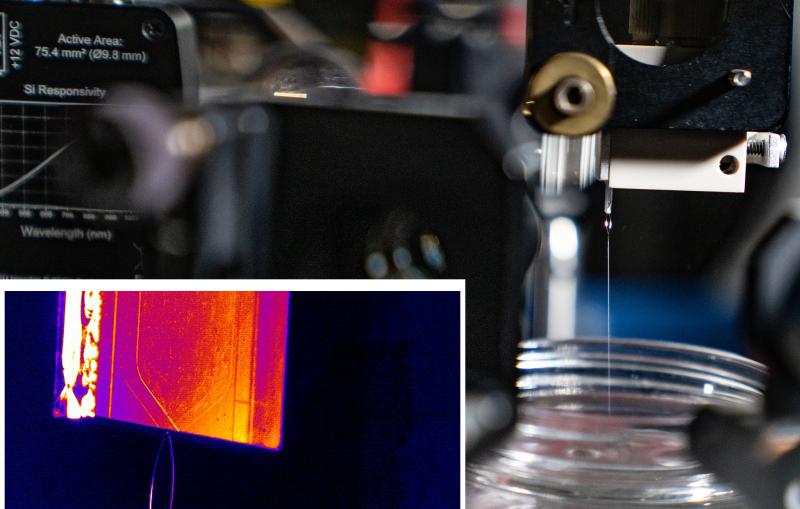
Demo with a water jet in a high energy density science laser lab.
Feature

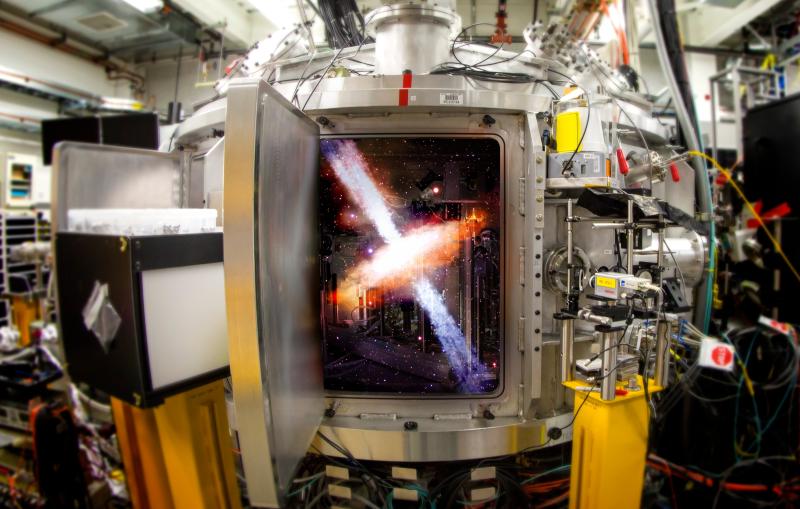
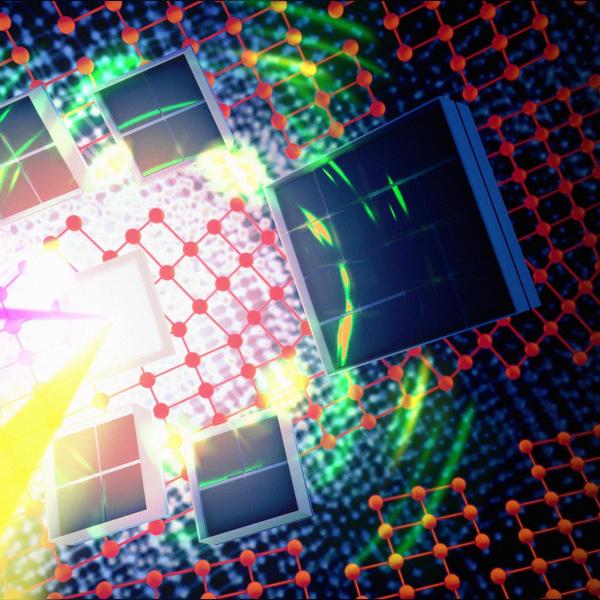
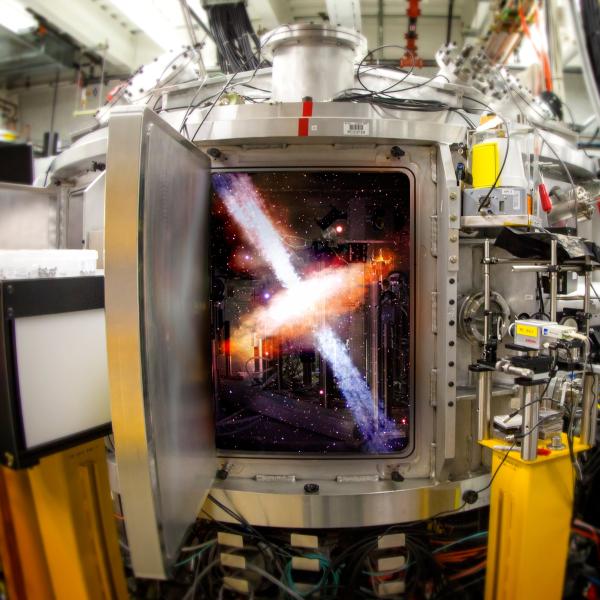
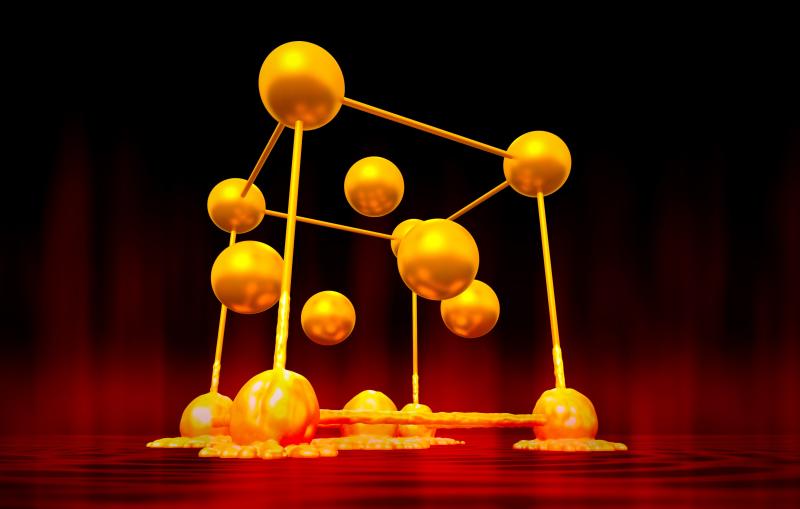
The approach could advance our understanding of fundamental forces under extreme conditions with applications from astrophysics to fusion research.

QED extreme
News Release

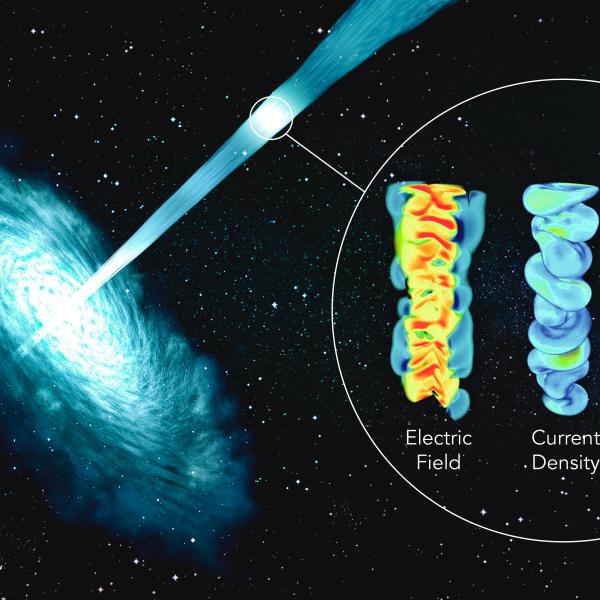
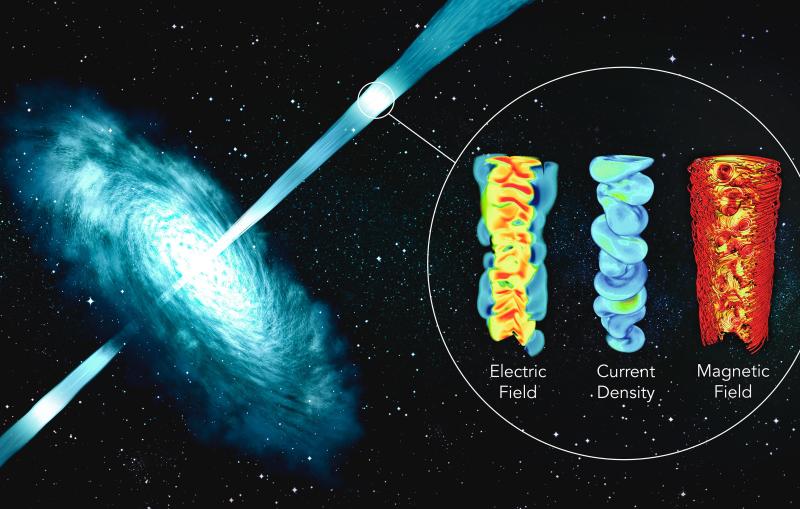
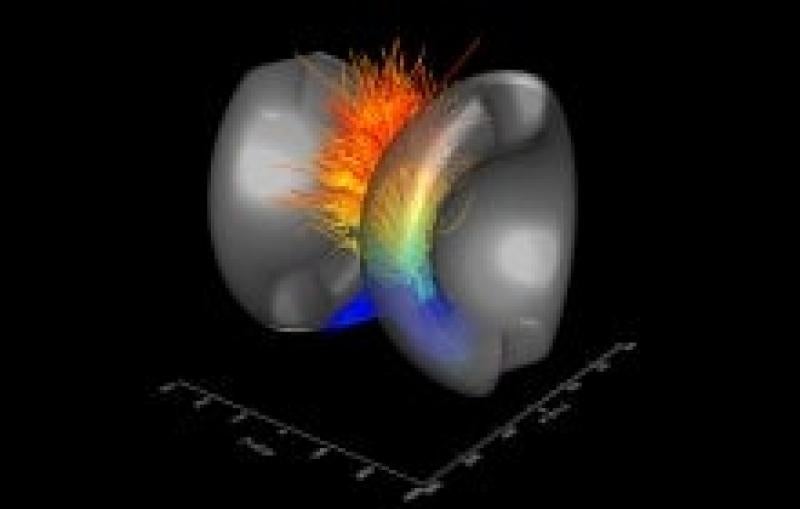
SLAC scientists find a new way to explain how a black hole’s plasma jets boost particles to the highest energies observed in the universe...

Cosmic particle accelerators
Feature

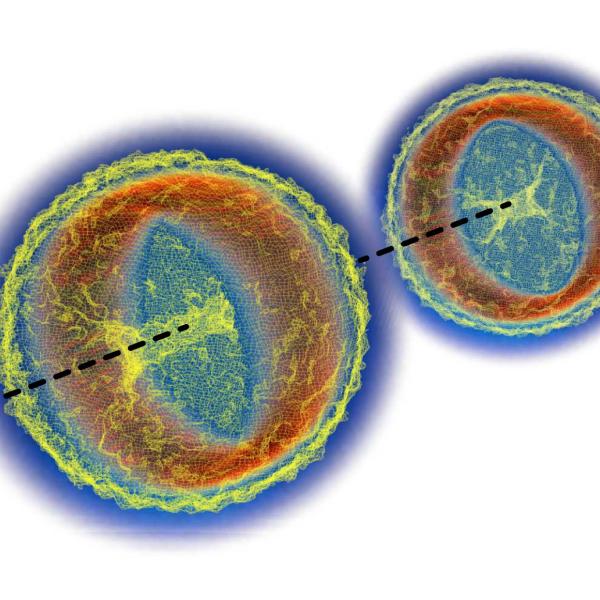
Their work will deepen our understanding of matter in extreme conditions and fundamental particle physics.

Panofsky Fellows 2018
News Release

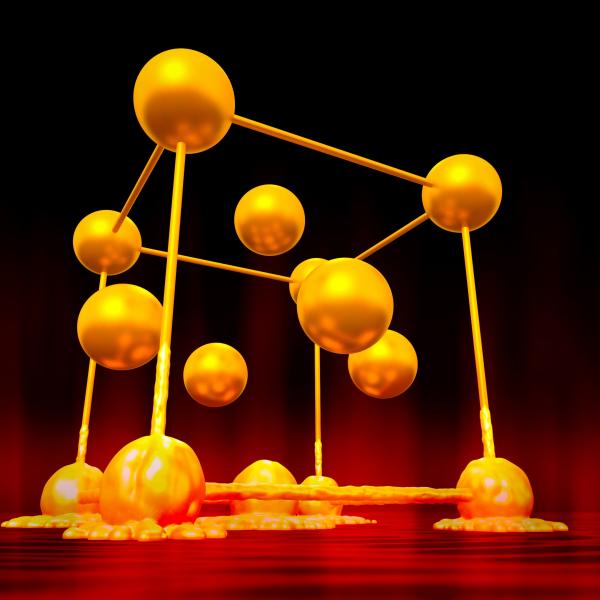
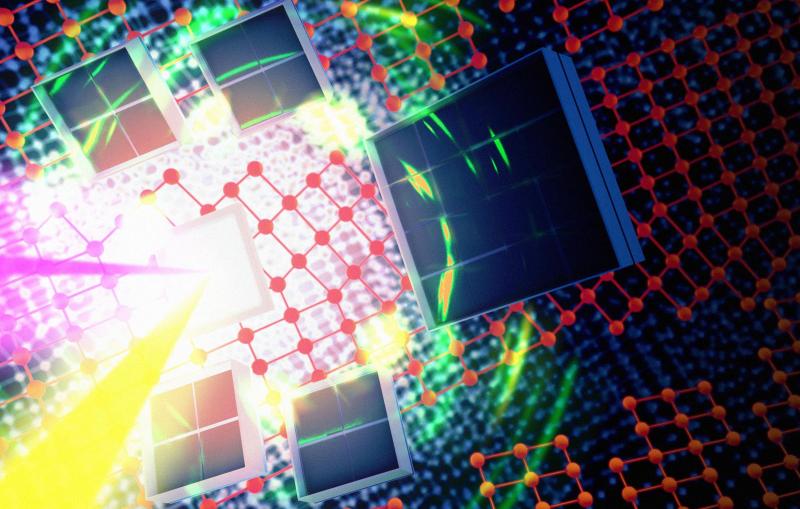
SLAC’s high-speed ‘electron camera’ shows for the first time the coexistence of solid and liquid in laser-heated gold, providing new clues for designing materials...

UED Gold Melting
Feature

A new way to observe this deformation as it happens can help study a wide range of phenomena, from meteor impacts to high-performance ceramics...

Image depicting an experiment at LCLS that shocks a tantalum sample
News Release

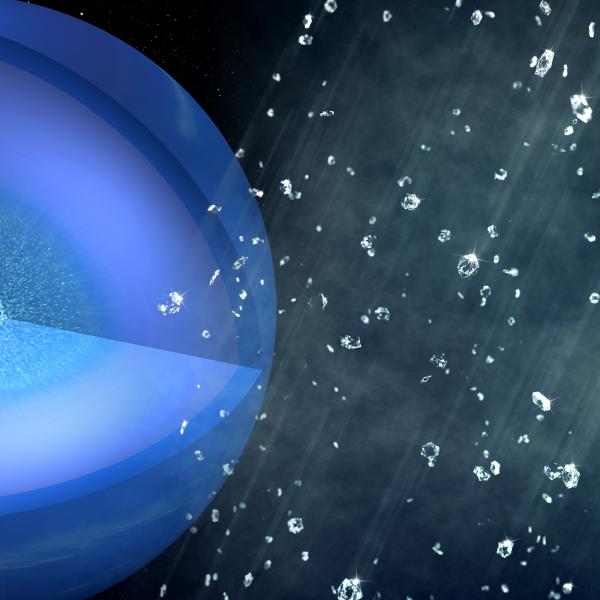
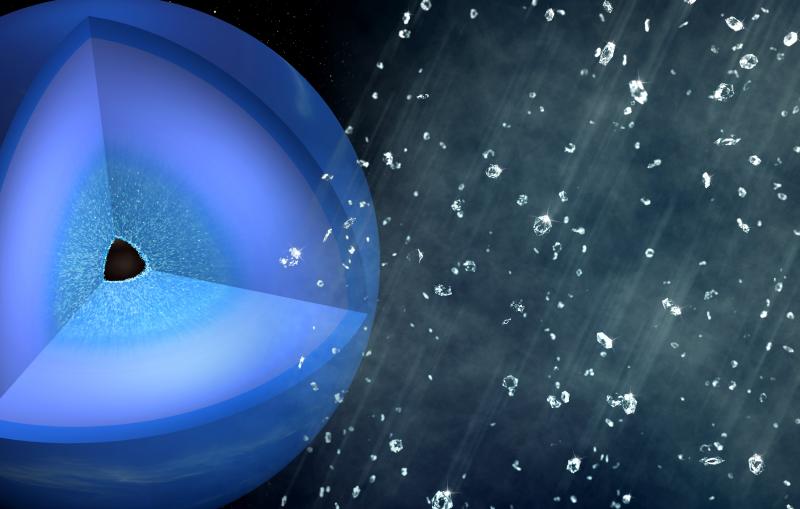
SLAC’s X-ray laser and Matter in Extreme Conditions instrument allow researchers to examine the exotic precipitation in real time as it materializes in the...

A cutaway depicts the interior of Neptune (right) and an illustration of diamond rain (left).
Feature

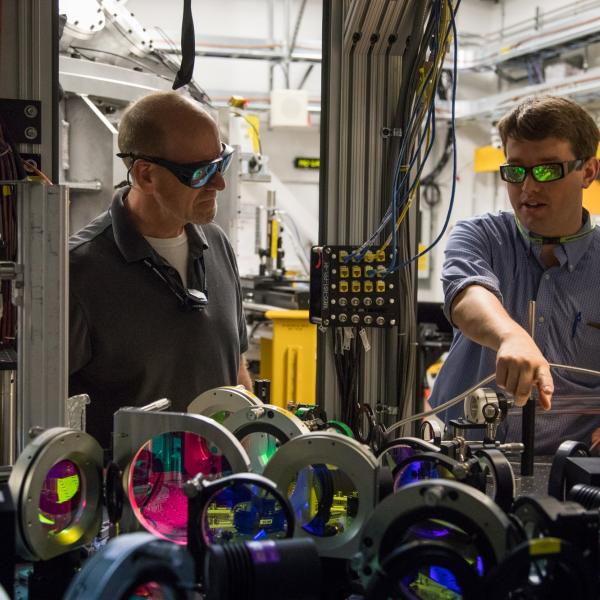
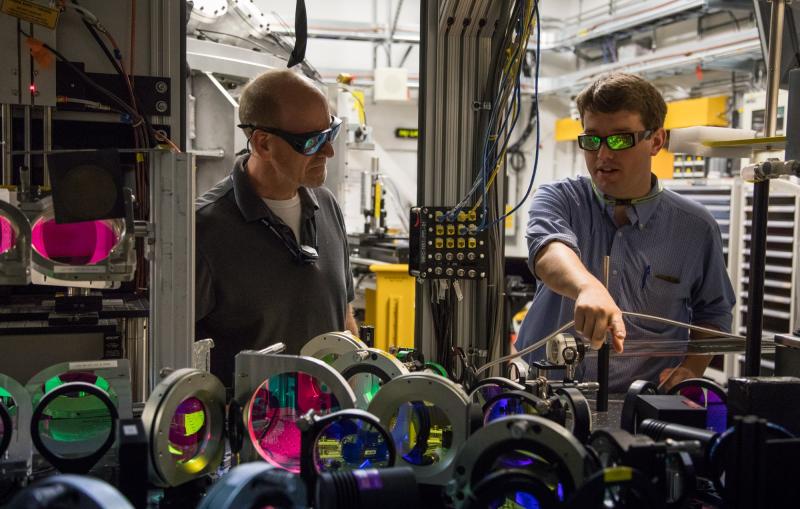
Tripling the energy and refining the shape of optical laser pulses at LCLS’s Matter in Extreme Conditions instrument allows researchers to recreate higher-pressure conditions...

Laser engineers with the upgraded Matter in Extreme Conditions optical laser
Feature

Zeeshan Ahmed, Frederico Fiuza and Emilio Nanni will each receive about $2.5 million over five years to pursue cutting-edge research into cosmic inflation, plasma...

SLAC's 2017 DOE Early Career Award winners
Feature

Frederico Fiuza and his team are conducting thorough investigations of plasma physics to discern the fundamental processes that accelerate particles.

Feature

Read about how SLAC professor Siegfried Glenzer creates extreme conditions like those in the cores of planets and studies nuclear fusion.

News Release

Join us for five days of ultrafast science from April 17 to 21.

Feature

Computer simulations and lab experiments help researchers understand the violent universe and could potentially lead to new technologies that benefit humankind.

Researchers use X-rays to study some of the most extreme and exotic forms of matter ever created, in detail never before possible.