


SLAC topics

Extremely large datasets RSS feed

SLAC researchers are preparing for a new generation of scientific instruments and experiments that will generate enormous streams of data. They’re developing software that can run on future exascale supercomputers and the tools that will allow collecting and analyzing unprecedented data volumes in a very short time.

Related link: New technologies

Browse tagged content below

LSST data illustration
Feature

The leaders of SLAC's Technology Innovation Directorate discuss how their group supports the lab's most innovative projects.

TID senior managers
Feature

The Rubin Observatory's LSST Camera will take enormously detailed images of the night sky from atop a mountain in Chile. Down below the mountain...

LSST data illustration
Feature

The ePix series of detectors is designed to keep pace with ever more demanding experiments at SLAC and elsewhere.

SLAC’s Chris Kenney holds a 16-module
Feature

Managing the unprecedented amount of data that will soon stream from Rubin Observatory means more than buying tons of hard drives. SLAC scientist Richard...

A bearded man with glasses poses at a railing inside a building.
Feature

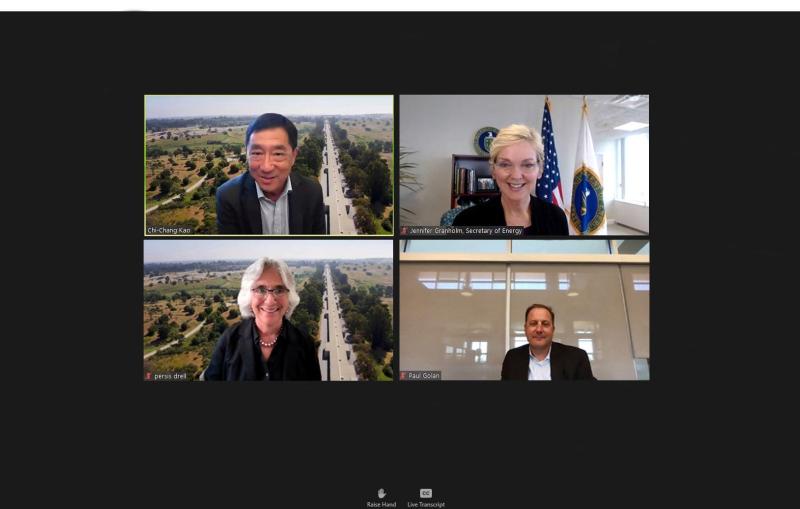
She toured the lab’s powerful X-ray laser, looked at the construction of the world’s largest digital camera, and discussed climate research, industries of the...

Secretary Granholm virtual visit
Feature

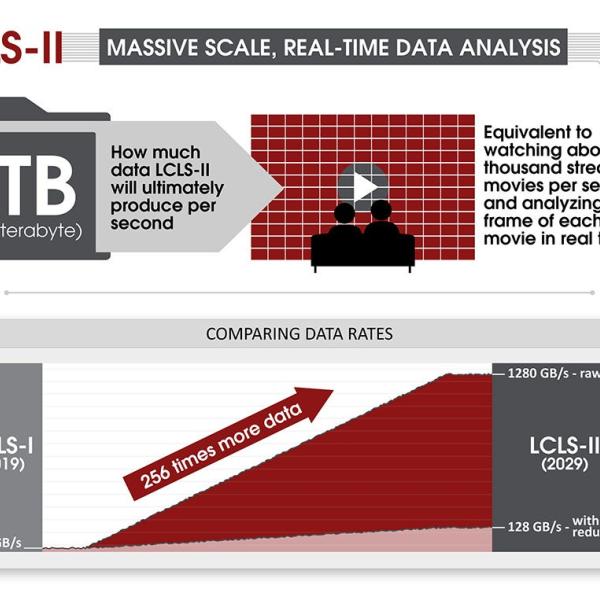
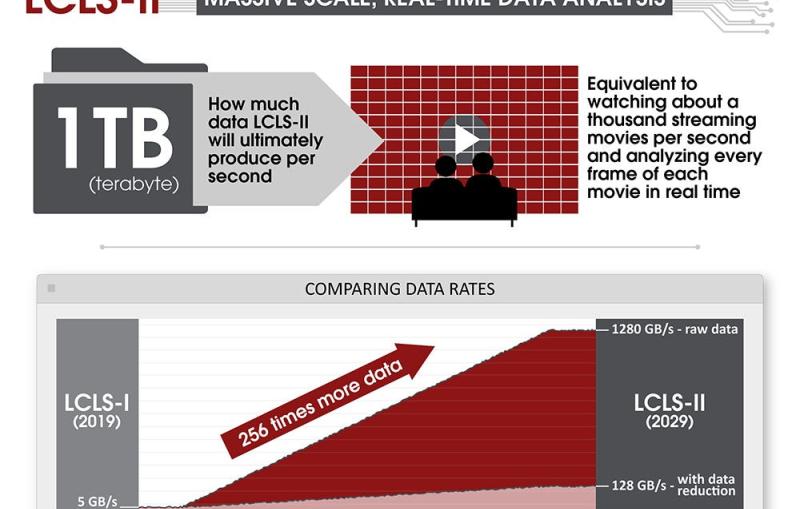
When upgrades to the X-ray laser at the Department of Energy’s SLAC National Accelerator Laboratory are complete, the powerful new machine will capture up...

Infographic on LCLS-II data.
News Release

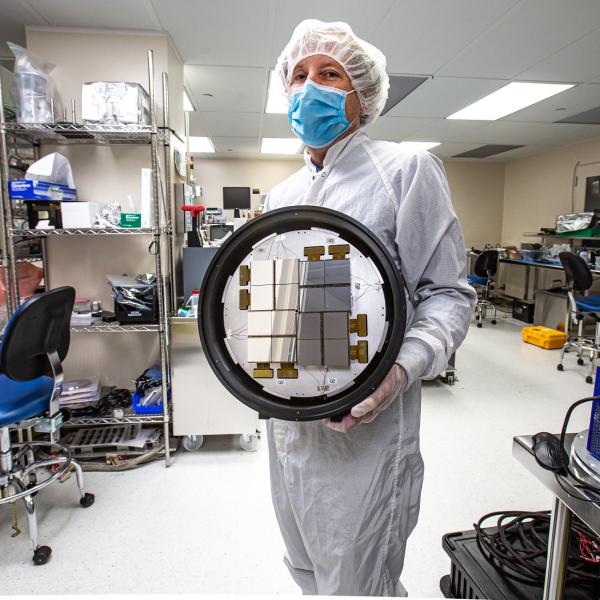
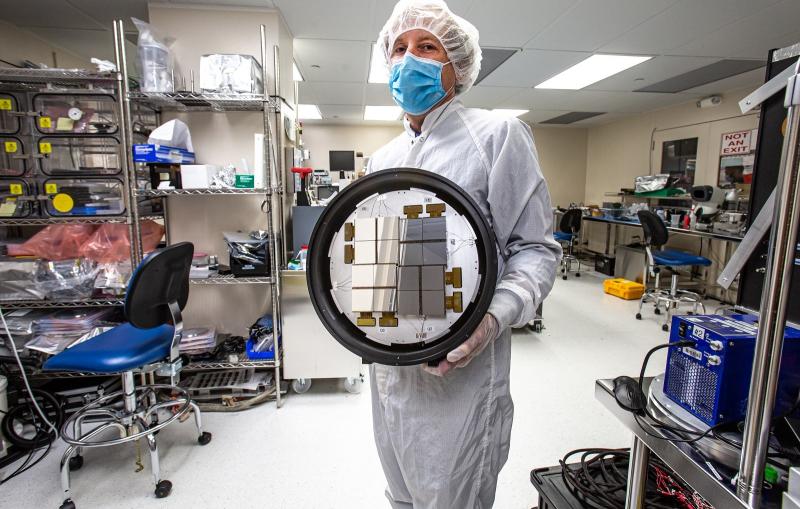
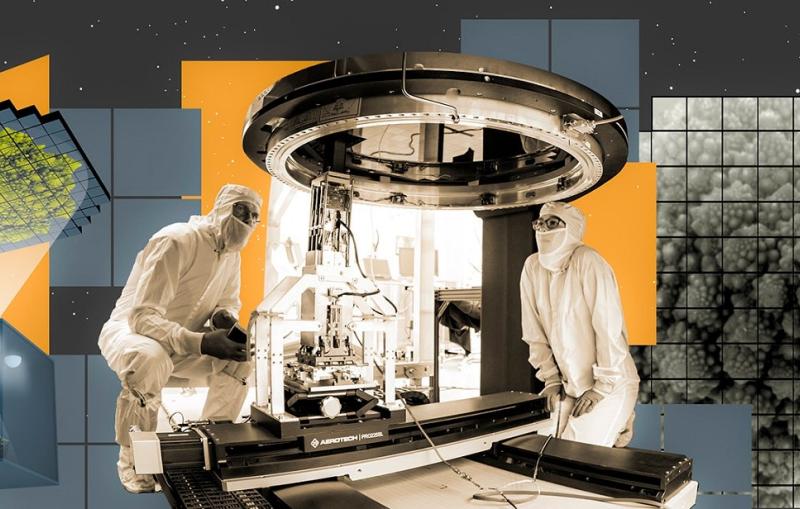
The camera will explore cosmic mysteries as part of the Rubin Observatory’s Legacy Survey of Space and Time.

LSSTCam Focal Plane Header
Feature
VIA Symmetry Magazine

An astronomical data challenge

The Large Synoptic Survey Telescope will track billions of objects for 10 years, creating unprecedented opportunities for studies of cosmic mysteries.

LSST data management.
Feature

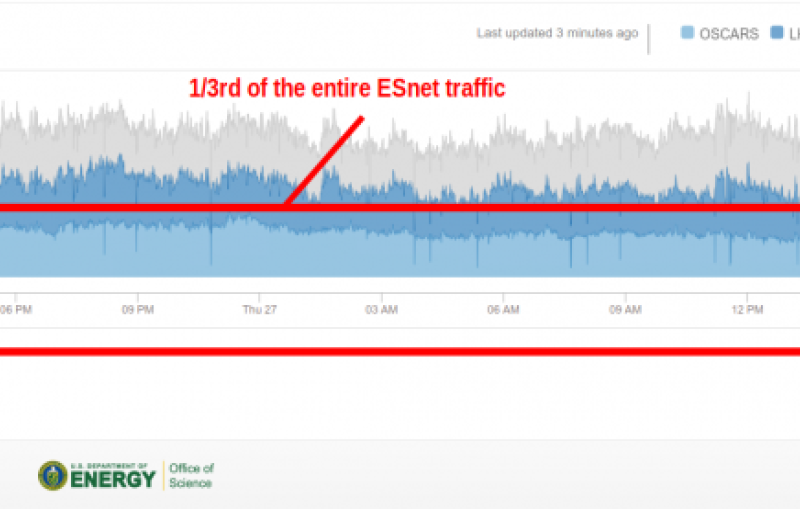
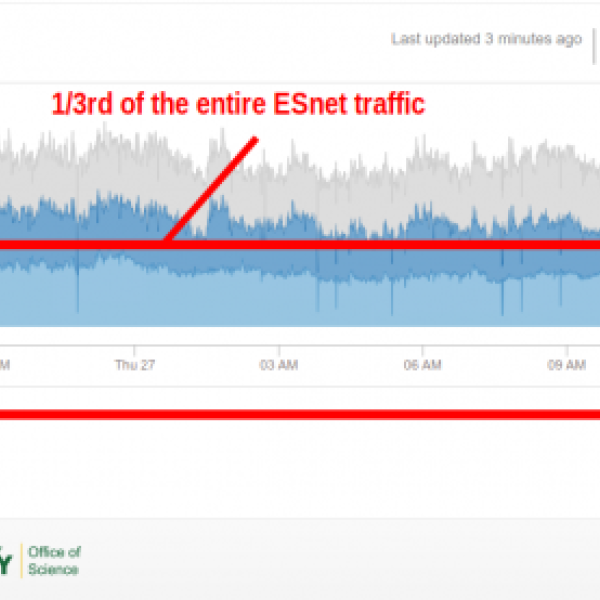
Using a 5,000-mile network loop operated by ESnet, researchers at the Department of Energy's SLAC National Accelerator Laboratory (SLAC) recently transferred 1 petabyte in...

Feature

The Large Synoptic Survey Telescope will track billions of objects for 10 years, creating unprecedented opportunities for studies of cosmic mysteries.

LSST
Feature

As members of the lab’s Computer Science Division, they develop the tools needed to handle ginormous data volumes produced by the next generation of...

SLAC Computer Science Team
Feature

Over the next five years they’ll work on getting significantly more information about how catalysts work and improving biological imaging methods.

Cornelius Gati and Franklin Fuller, the 2017 Panofsky fellows at SLAC