
SLAC topics

Energy sciences RSS feed

One of the most urgent challenges of our time is discovering how to generate the energy and products we need sustainably, without compromising the well-being of future generations by depleting limited resources or accelerating climate change. SLAC pursues this goal on many levels.

Browse tagged content

Studies of atomic-level processes
Feature

SUNCAT researchers discover a way to improve a key step in these conversions, and explore what it would take to turn the climate-changing gas...

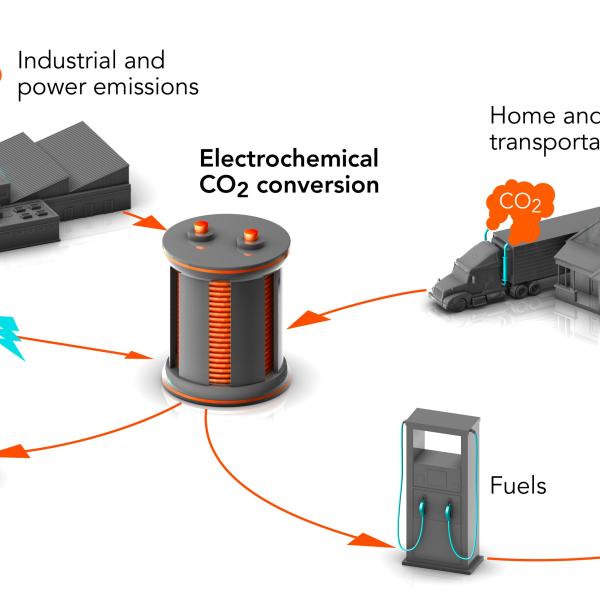
Diagram of scheme for turning CO2 from smokestacks into products
Illustration
Researchers at Stanford and SLAC are working on ways to convert waste carbon dioxide (CO2) into chemical feedstocks and fuels...
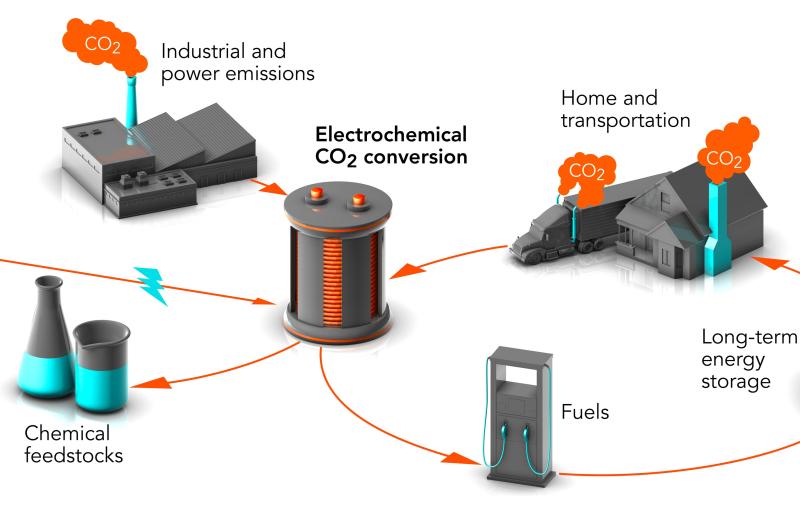
Diagram of scheme for turning CO2 from smokestacks into products
Video

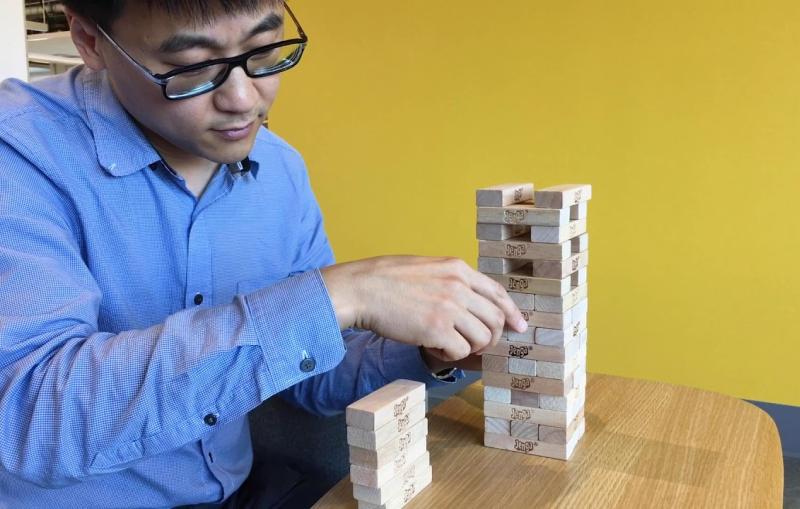
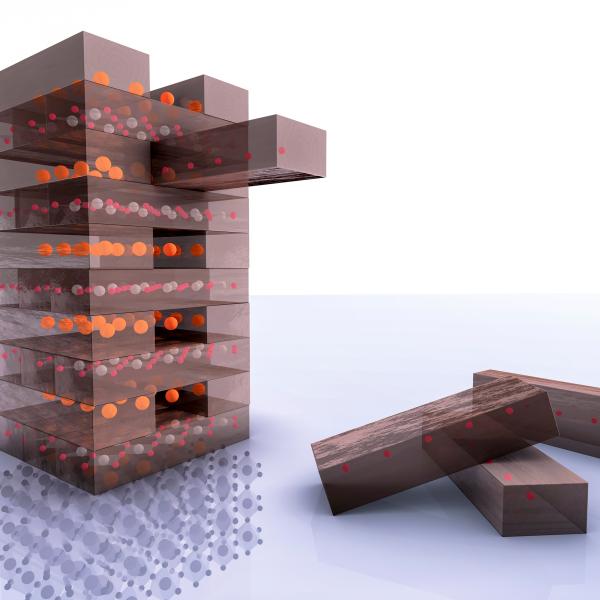
SIMES researcher Danfeng Li explains the delicate ‘Jenga chemistry’ behind making a new nickel oxide material, the first in a potential new family of...

Stillframe of Jenga chemistry video
Video
News Release

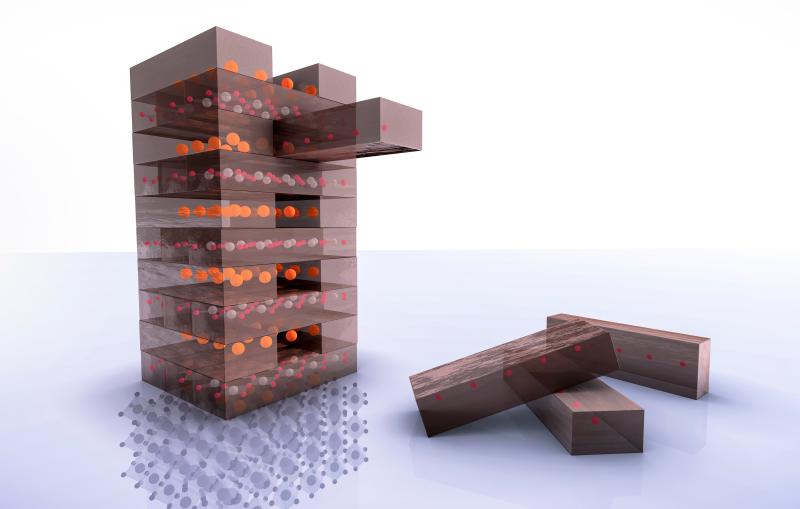
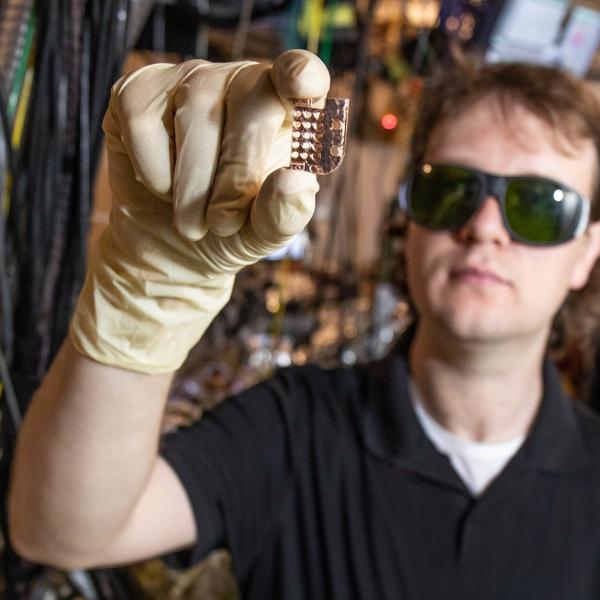
Made with ‘Jenga chemistry,’ the discovery could help crack the mystery of how high-temperature superconductors work.

Illustration of 'Jenga chemistry' step of making new superconductor
Feature

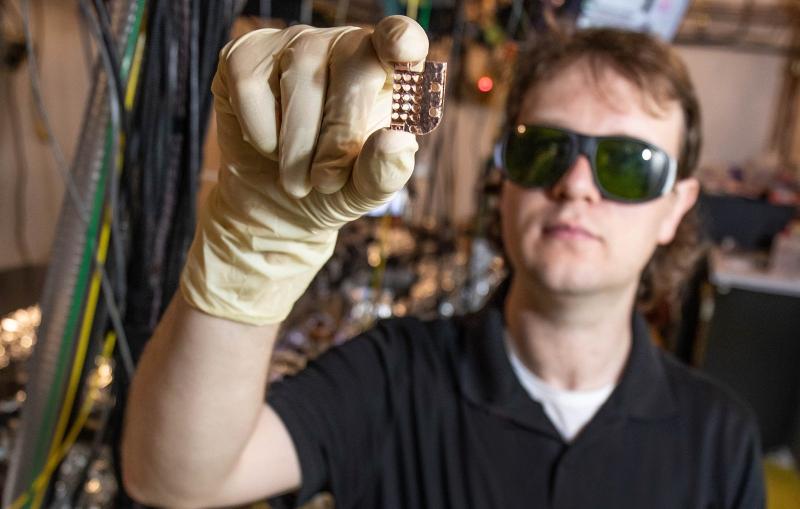
Combined with the lab’s LCLS X-ray laser, it’ll provide unprecedented atomic views of some of nature’s speediest processes.

Alex Reid, ultrafast electron diffraction (UED)
News Release

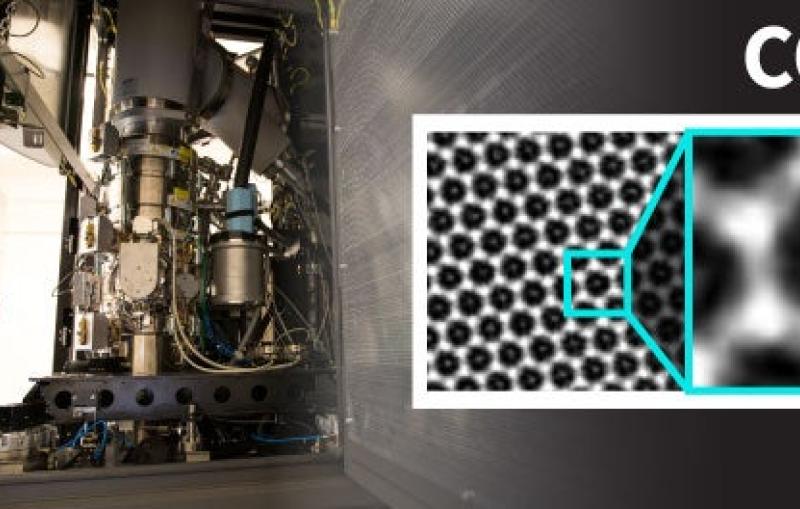
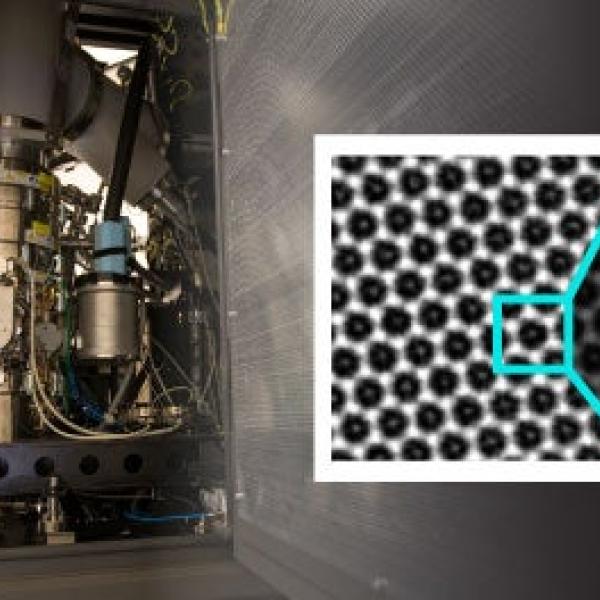
A new twist on cryo-EM imaging reveals what’s going on inside MOFs, highly porous nanoparticles with big potential for storing fuel, separating gases and...

Images of cryo-EM equipment, CO2 molecule in cage
Feature

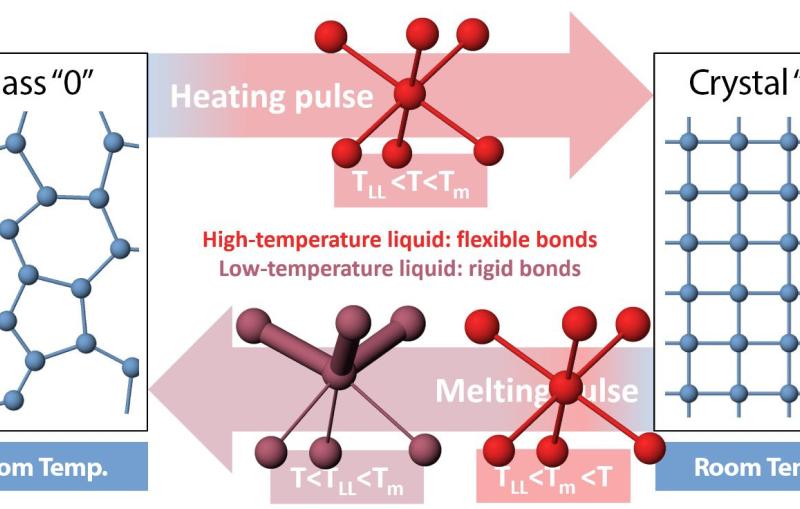
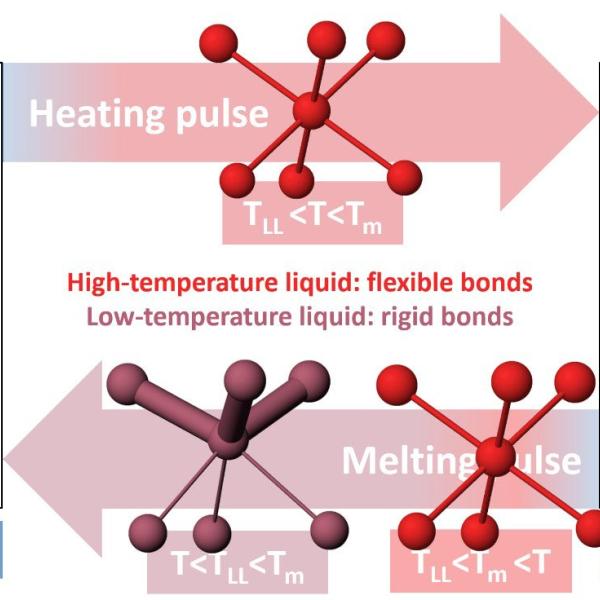
Experiments at SLAC’s X-ray laser reveal in atomic detail how two distinct liquid phases in these materials enable fast switching between glassy and crystalline...

Diagram of material switching between glassy and crystalline states
Feature

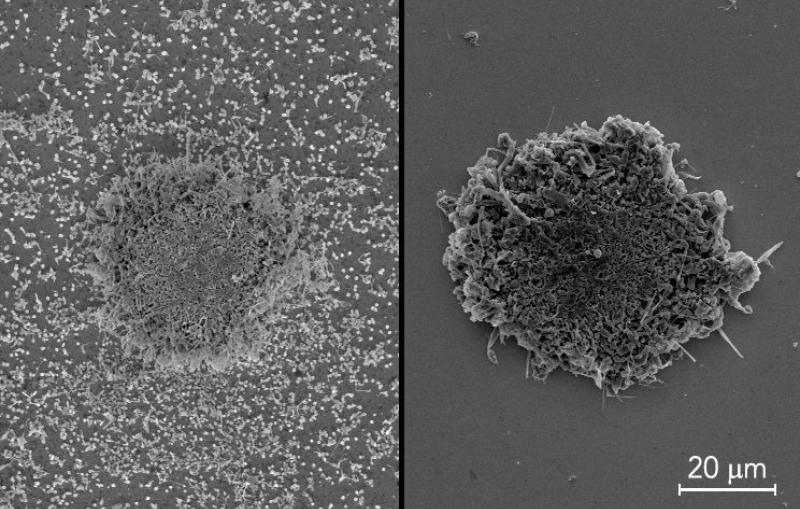
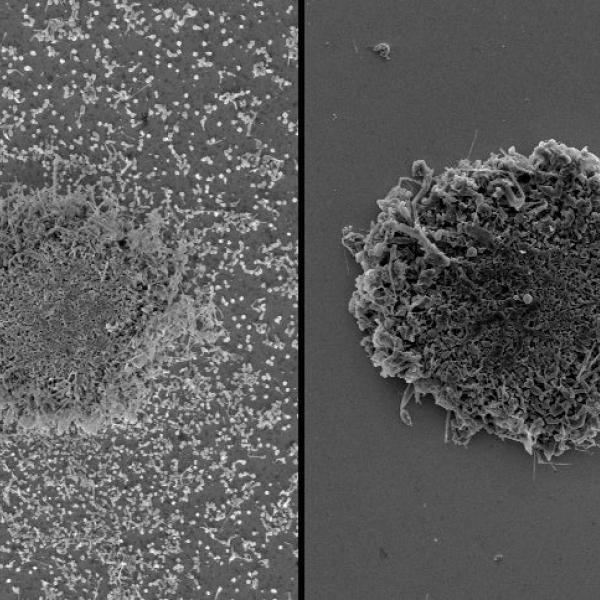
A laser technique lets researchers see how potentially dangerous growths form in batteries.

Microscopic images of lithium metal buildup in batteries
Feature

Both are professors at Stanford and SLAC, where Martinez is an investigator with the Stanford PULSE Institute.

Stanford and SLAC professors Todd Martinez, left, and William Weis
News Release

First direct look at how atoms move when a ring-shaped molecule breaks apart could boost our understanding of fundamental processes of life.

Molecular Movie in HD Art
Illustration

This illustration shows snapshots of the light-triggered transition of the ring-shaped 1,3-cyclohexadiene (CHD) molecule (background) to its stretched-out 1,3,5-hexatriene (HT) form (foreground). 

Molecular Movie in HD Art
Feature

He helped lay the groundwork for SLAC’s LCLS X-ray laser and for the institute, which was founded to explore the science LCLS would enable.

David Reis headshot