SLAC topics

Energy science RSS feed

 One of the most urgent challenges of our time is discovering how to generate the energy and products we need sustainably – in a way that doesn’t compromise the well-being of future generations by depleting limited resources or accelerating climate change.

Related Link: Energy sciences

Browse tagged content below

How electrons flow in the oxygen-evolving complex of Photosystem II.
Feature

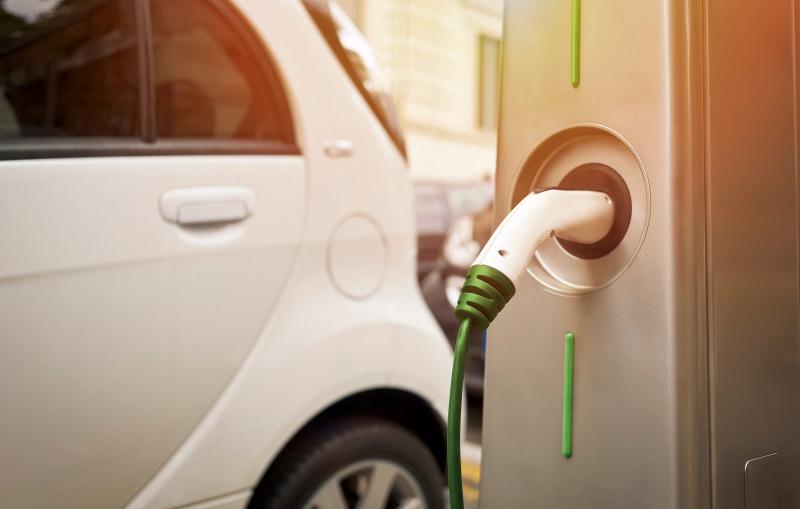
The White House announced $50 million in funding for ‘Battery500’, a five year effort, as part of a package of initiatives to accelerate adoption...

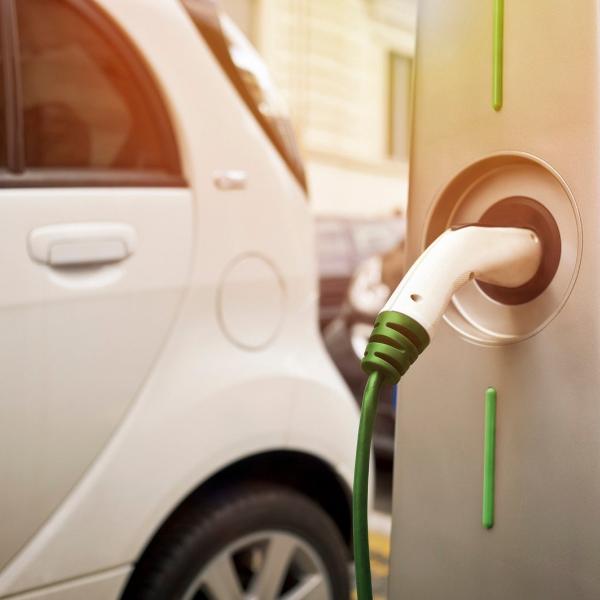
An electric vehicle at a charging station
Feature

Yi Cui and colleagues have developed new ways to improve hydrogen production and rechargeable zinc batteries.

Feature

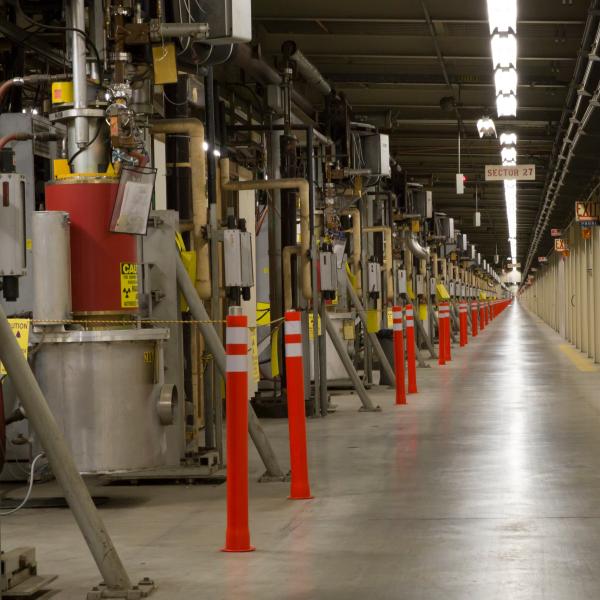
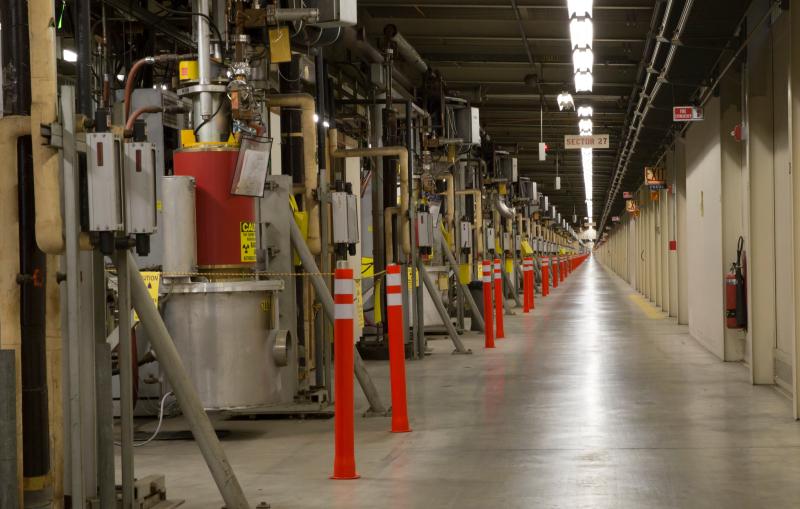
New ‘GREEN-RF’ Technology Recycles Energy that Would Otherwise Go to Waste in Accelerating Particles for Science, Medicine, Industry

Looking down the SLAC Klystron Gallery
Feature

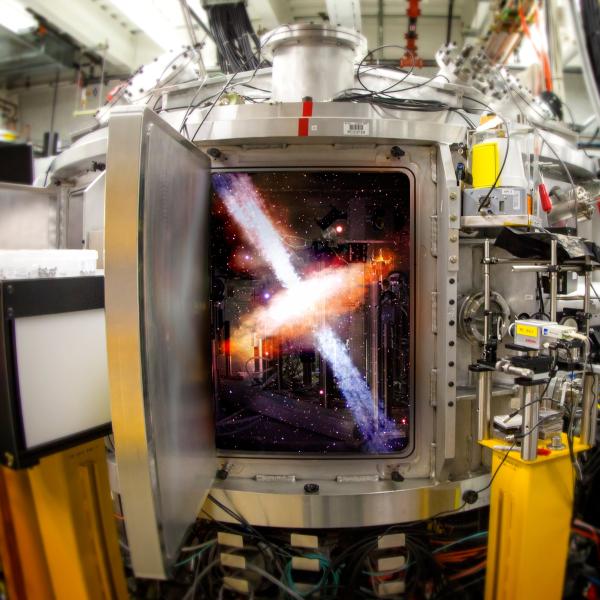
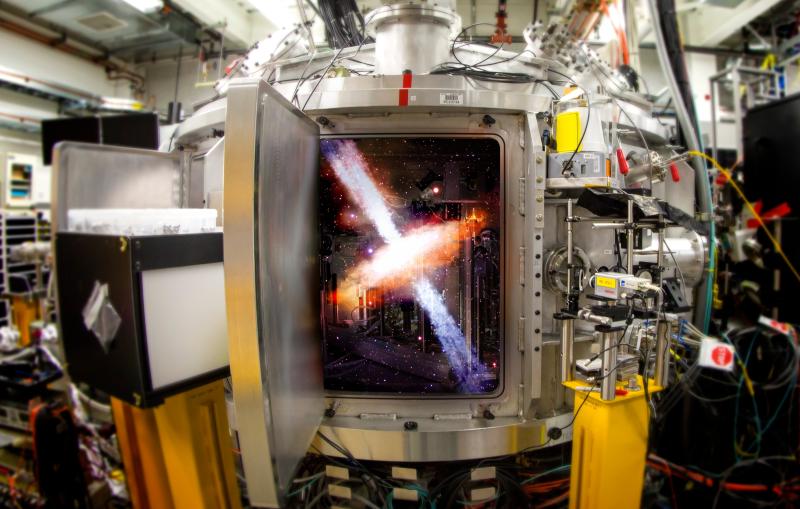
Computer simulations and lab experiments help researchers understand the violent universe and could potentially lead to new technologies that benefit humankind.

Researchers use X-rays to study some of the most extreme and exotic forms of matter ever created, in detail never before possible.
Feature

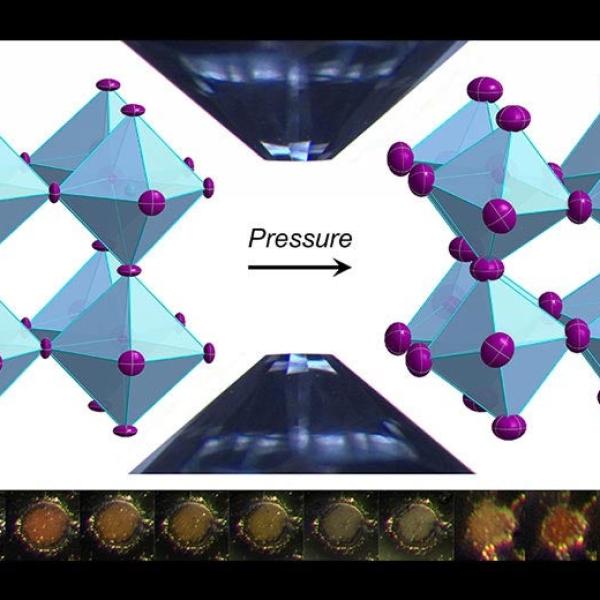
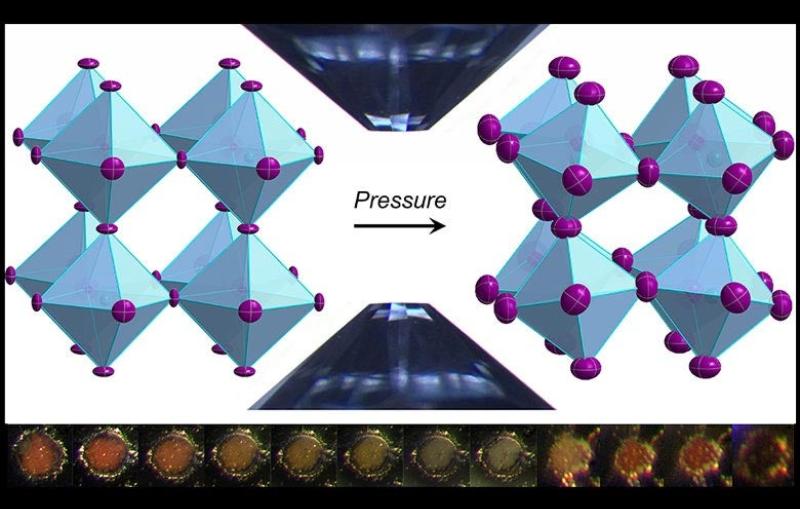
Adding pressure could improve the performance of solar cells made of perovskites, a promising photovoltaic material.

News Release

Scientists have used X-rays to observe exactly how silver electrical contacts form during manufacturing of solar modules.

Feature

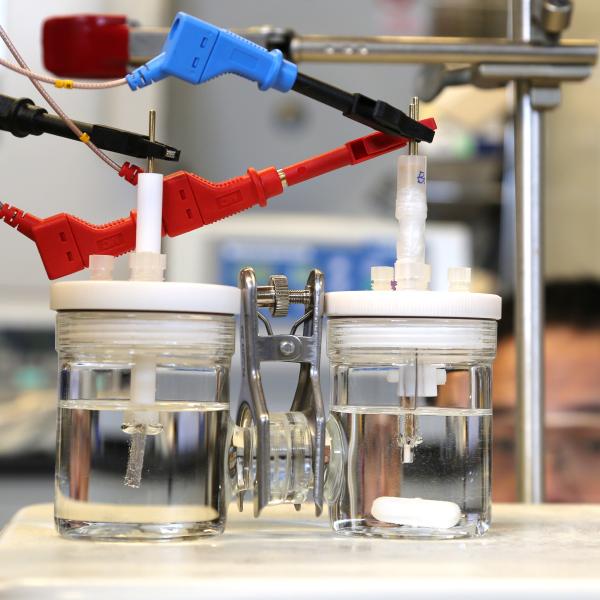
Their results suggest a more efficient way to store energy from solar and wind power by converting it into renewable fuels.

A water-splitting device at the University of Toronto
News Release

A new study with the LCLS X-ray laser could change the way researchers take atomic-level snapshots of important biological machineries, potentially affecting research in...

News Release

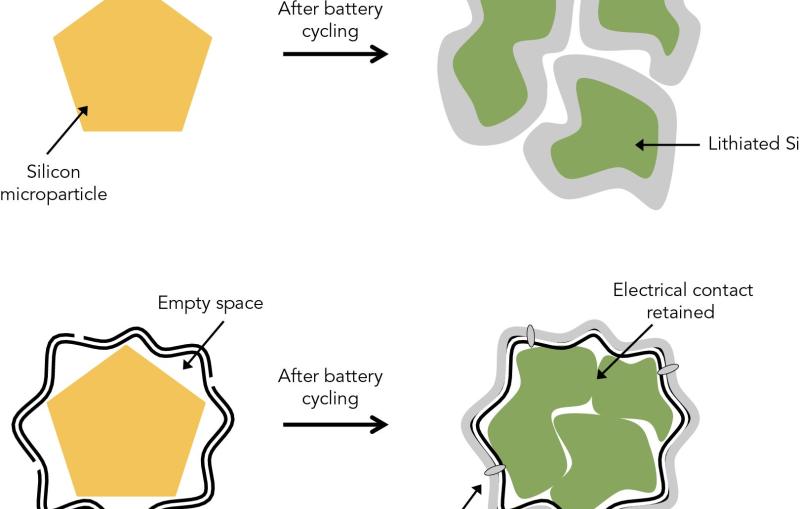
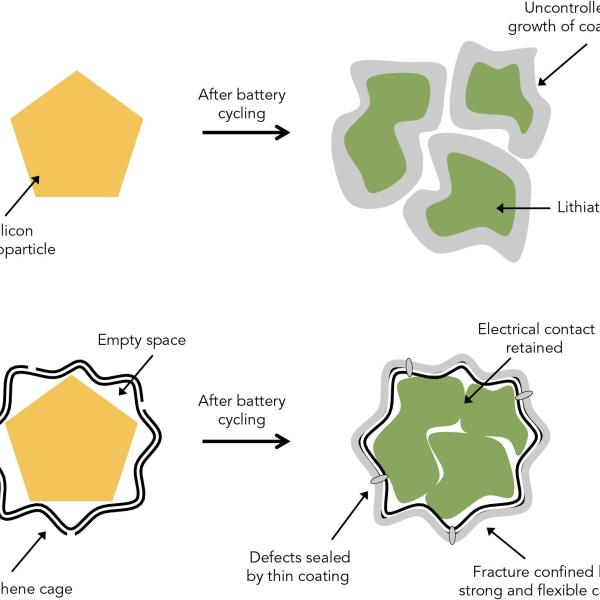
Wrapping silicon anode particles in custom-fit graphene cages could solve two major obstacles to using silicon in high-capacity lithium ion batteries.

Illustration of silicon particles with and without graphene cages
News Release

Menlo Park, Calif.

Feature

SIMES scientists have discovered how to make the electrical wiring on top of solar cells nearly invisible to incoming light. The new design, which...

Feature

A process developed by Stanford and SLAC scientists has potential for scaling up to manufacture clear, flexible electrodes for solar cells, displays and other...

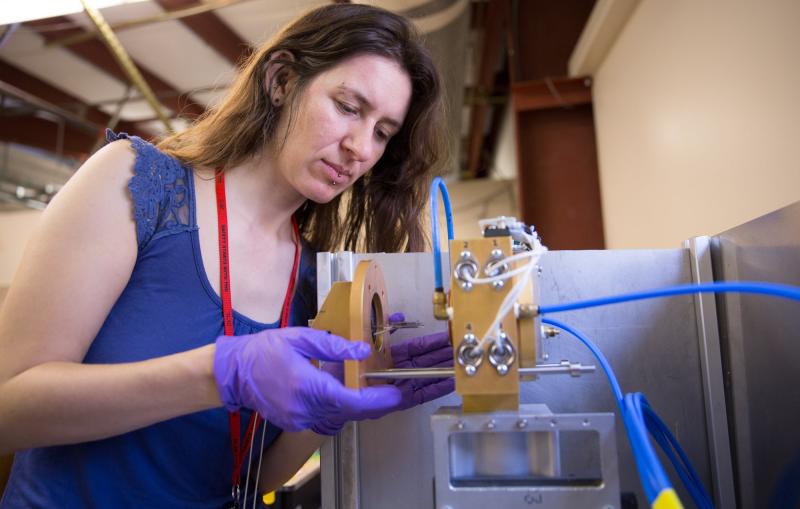
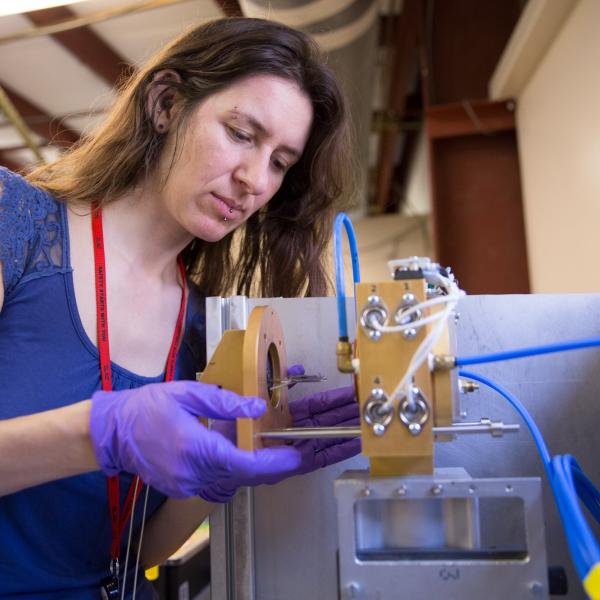
Stanford and SLAC postdoctoral researcher Sean Andrews with solution shearing instrument