
SLAC topics

Energy science RSS feed

 One of the most urgent challenges of our time is discovering how to generate the energy and products we need sustainably – in a way that doesn’t compromise the well-being of future generations by depleting limited resources or accelerating climate change.

Related Link: Energy sciences

Browse tagged content below

How electrons flow in the oxygen-evolving complex of Photosystem II.
Feature

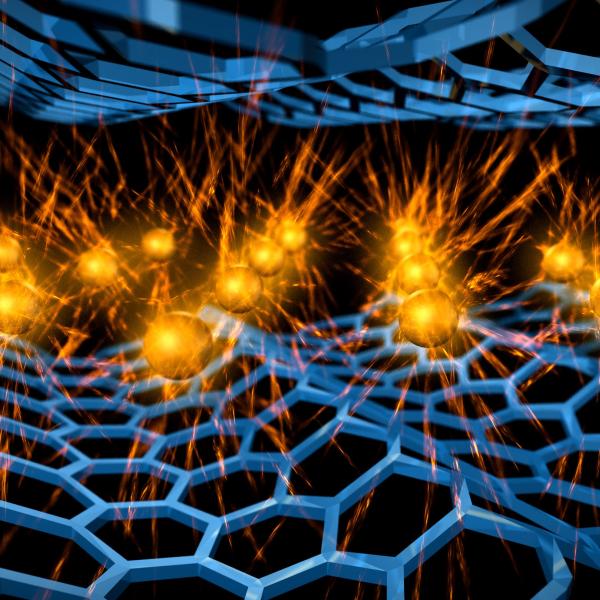
Created by scientists from Stanford, SLAC and Denmark, the new nickel-gallium catalyst converts carbon dioxide emissions into an important industrial chemical and potential fuel

Jens Norskov
News Release

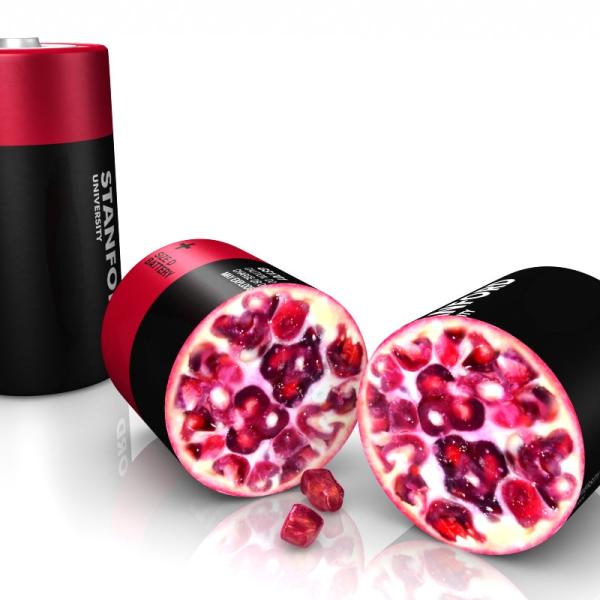
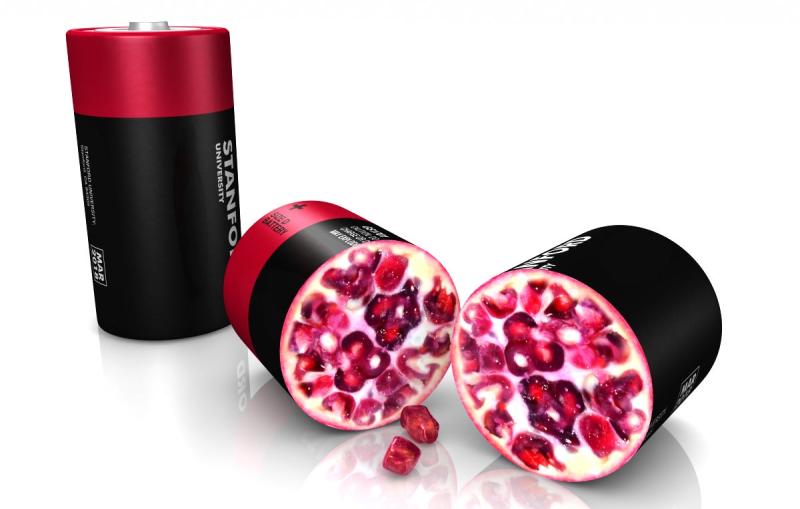
An electrode designed like a pomegranate – with silicon nanoparticles clustered like seeds in a tough carbon rind – overcomes several remaining obstacles to...

A fanciful illustration of pomegranate seeds inside a conventional battery
Feature

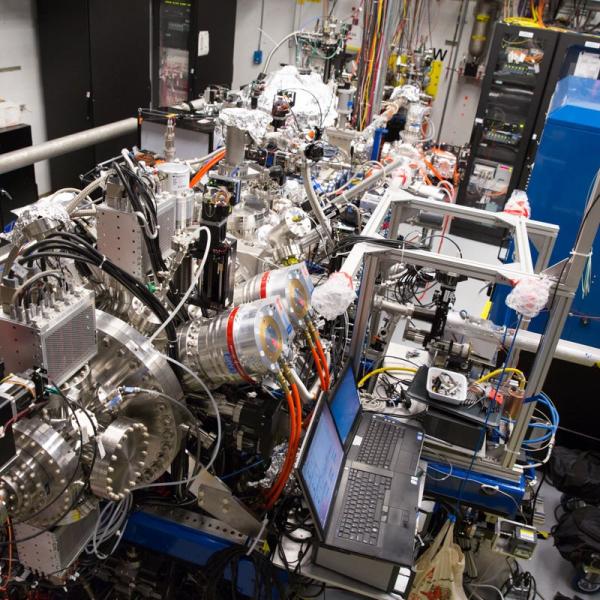
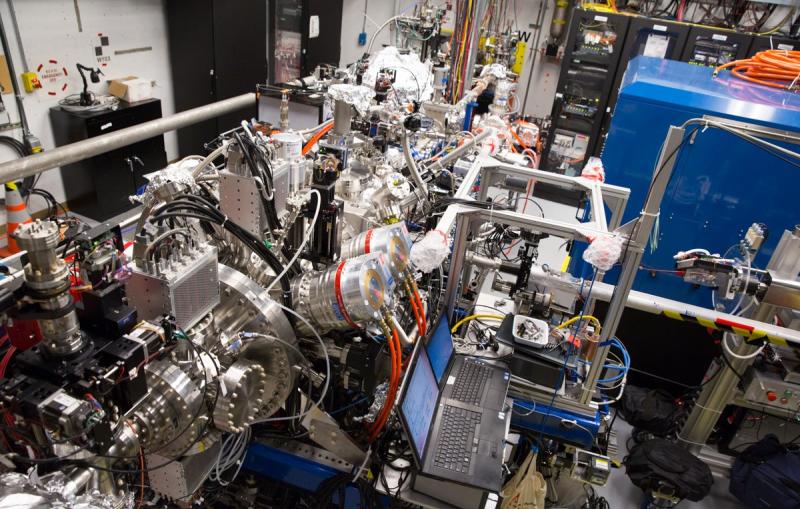
A 2-ton instrument the size of a compact car, now available at SLAC's X-ray laser, makes it possible to capture more detailed images of...

Photo - A view of the LAMP instrument at SLAC's Linac Coherent Light Source X-ray laser. (SLAC)
Feature

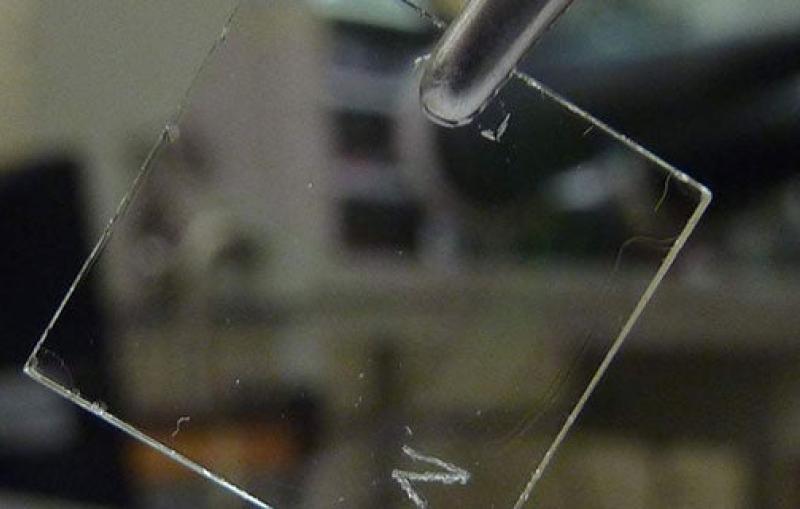
Teams from Stanford, SLAC and the University of Nebraska-Lincoln collaborate to make thin, transparent semiconductors that could become the foundation for cheap, high-performance displays.

See caption
Feature

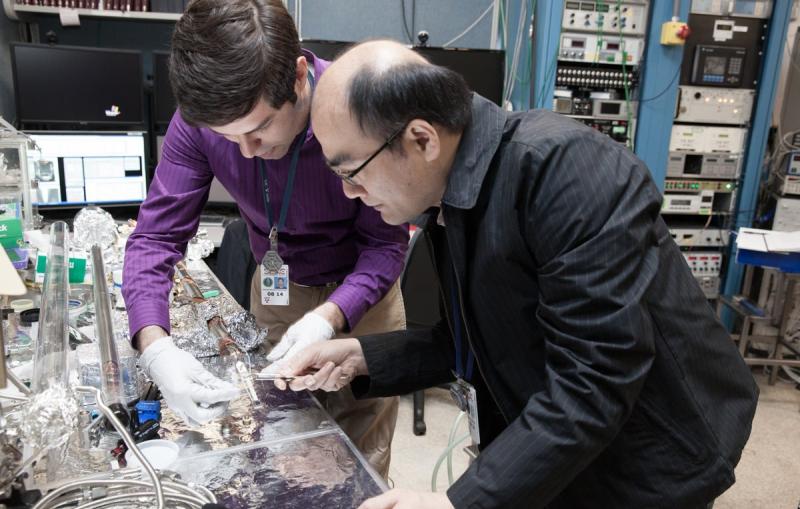
A discovery by SLAC researchers into how chemical reactions take place on a platinum catalyst could lead to more efficient, less costly fuel cells.

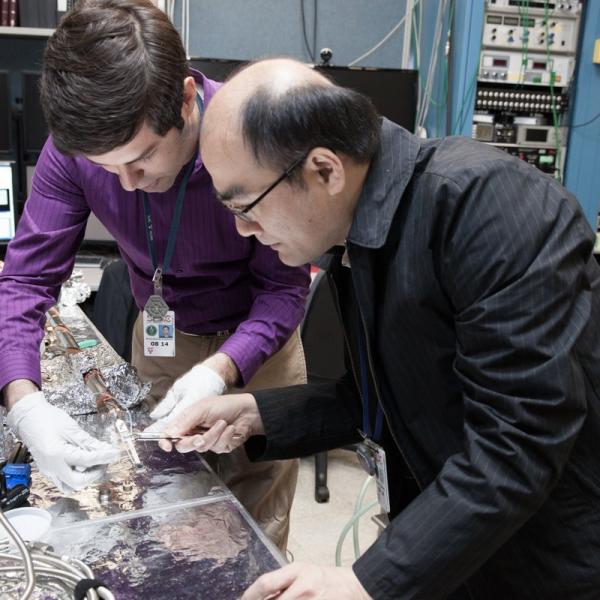
Photo – SLAC researchers Hernan Sanchez Casalongue (left) and Hirohito Ogasawara
Feature

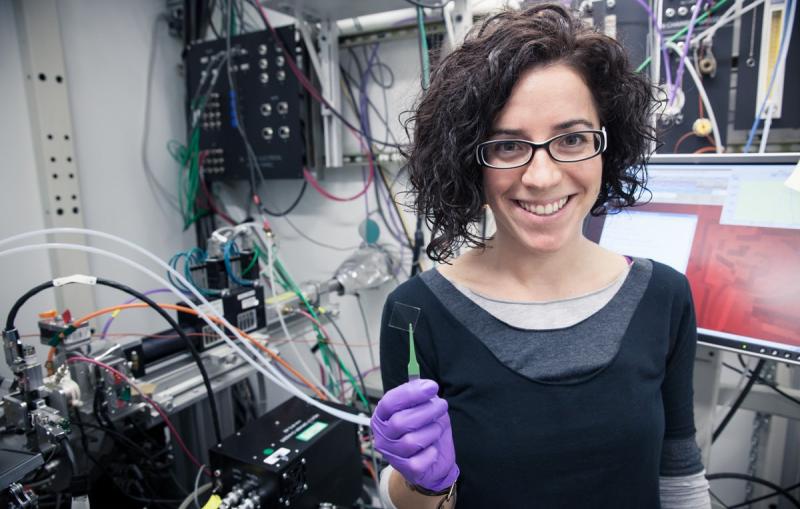
Anna Llordes from Berkeley Lab's Molecular Foundry uses SSRL's Beam Line 11-3 for clues about where the smart films her group creates for windows...

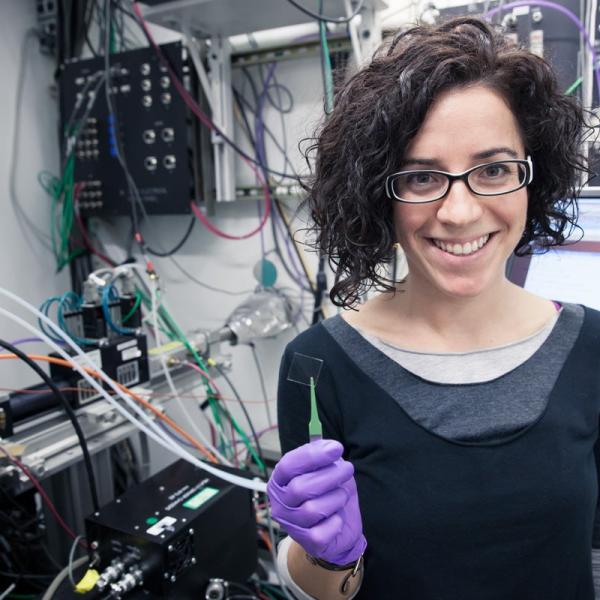
Lawrence Berkeley Lab chemist Anna Llordés with a sample of "smart" material for testing at SSRL Beam Line 11-3
News Release

Researchers have made the first battery electrode that heals itself, opening a new and potentially commercially viable path for making the next generation of...

photo - research with self-healing polymer
Feature

When it comes to improving the performance of lithium-ion batteries, no part should be overlooked – not even the glue that binds materials together...

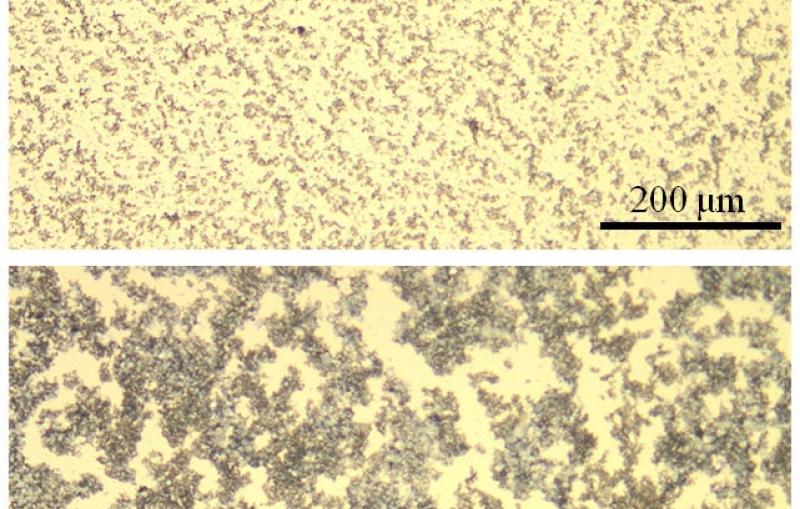
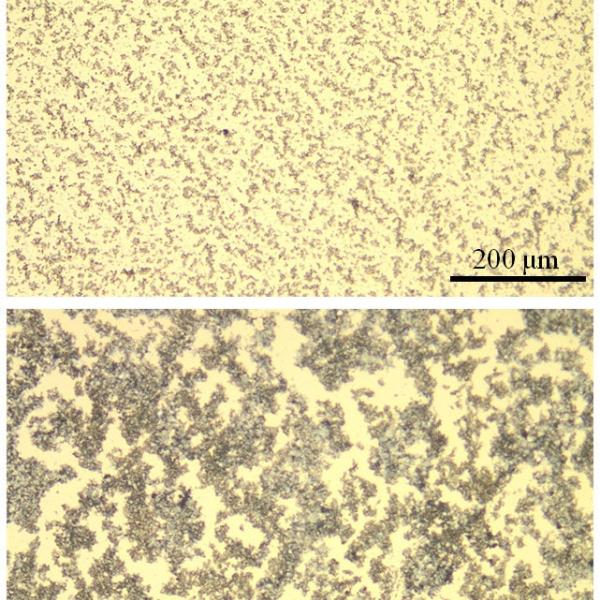
Image -  A new binder material forms a fine-grained (top) lithium sulfide/carbon composite cathode, compared with the large clumps (bottom) that form when another common binder is used.
News Release

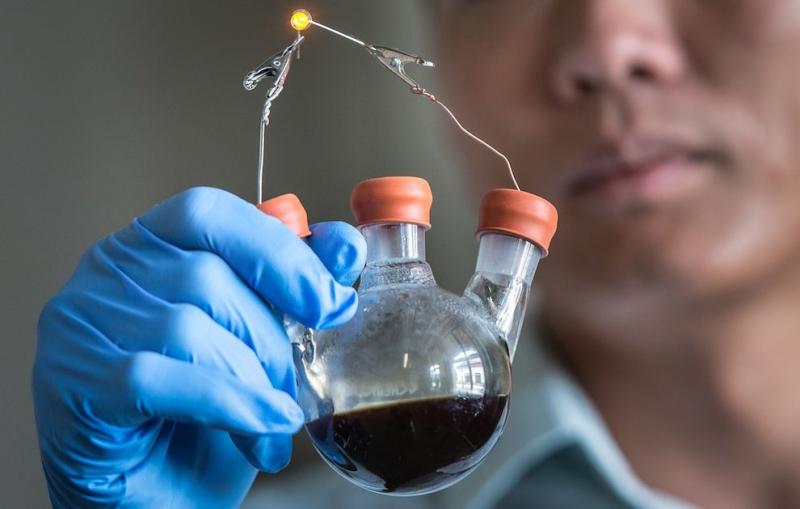
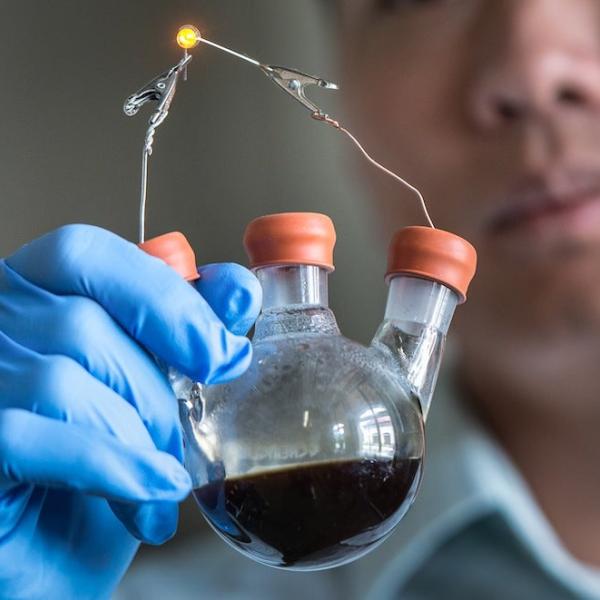
Menlo Park, Calif. — Researchers from the U.S. Department of Energy’s (DOE) SLAC National Accelerator Laboratory and Stanford University have designed a low-cost, long-life...

Photo of battery demonstration, a flask half-full of ...
Feature

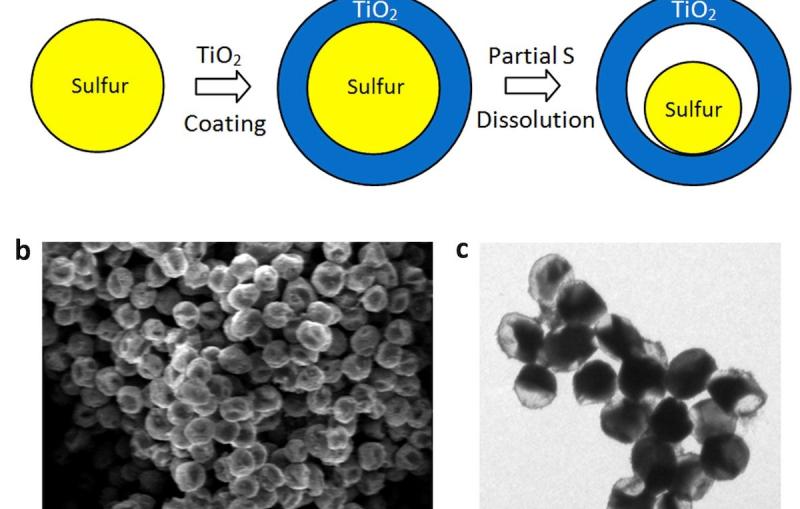
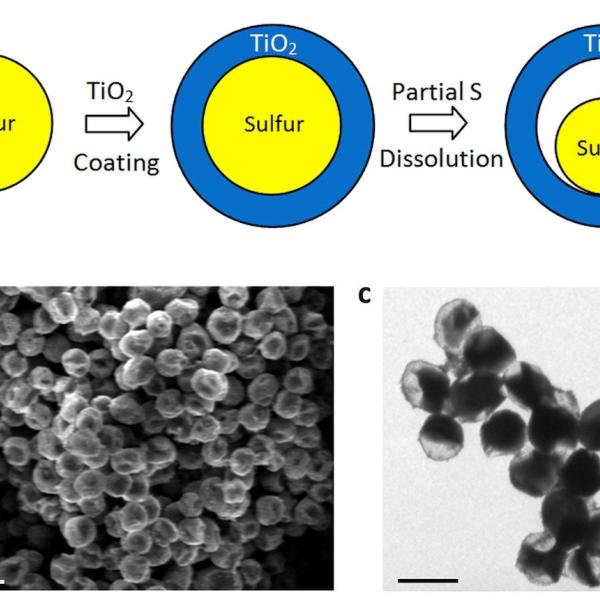
SLAC and Stanford scientists have set a world record for energy storage, using a clever “yolk-shell” design to store five times more energy in...

Image - Explanatory diagrams and magnified nanopartic...
Feature

SLAC and Stanford will join a team that will receive $120 million from the DOE to establish a new batteries and energy storage hub...

Image - JCESR logo
Feature

Solar, wind and other renewable energy sources reduce consumption of fossil fuels but also pose challenges to the electrical grid because their power generation...

Photo - Wind turbines along a highway